A Commercial Legend of Sino-Western Fusion
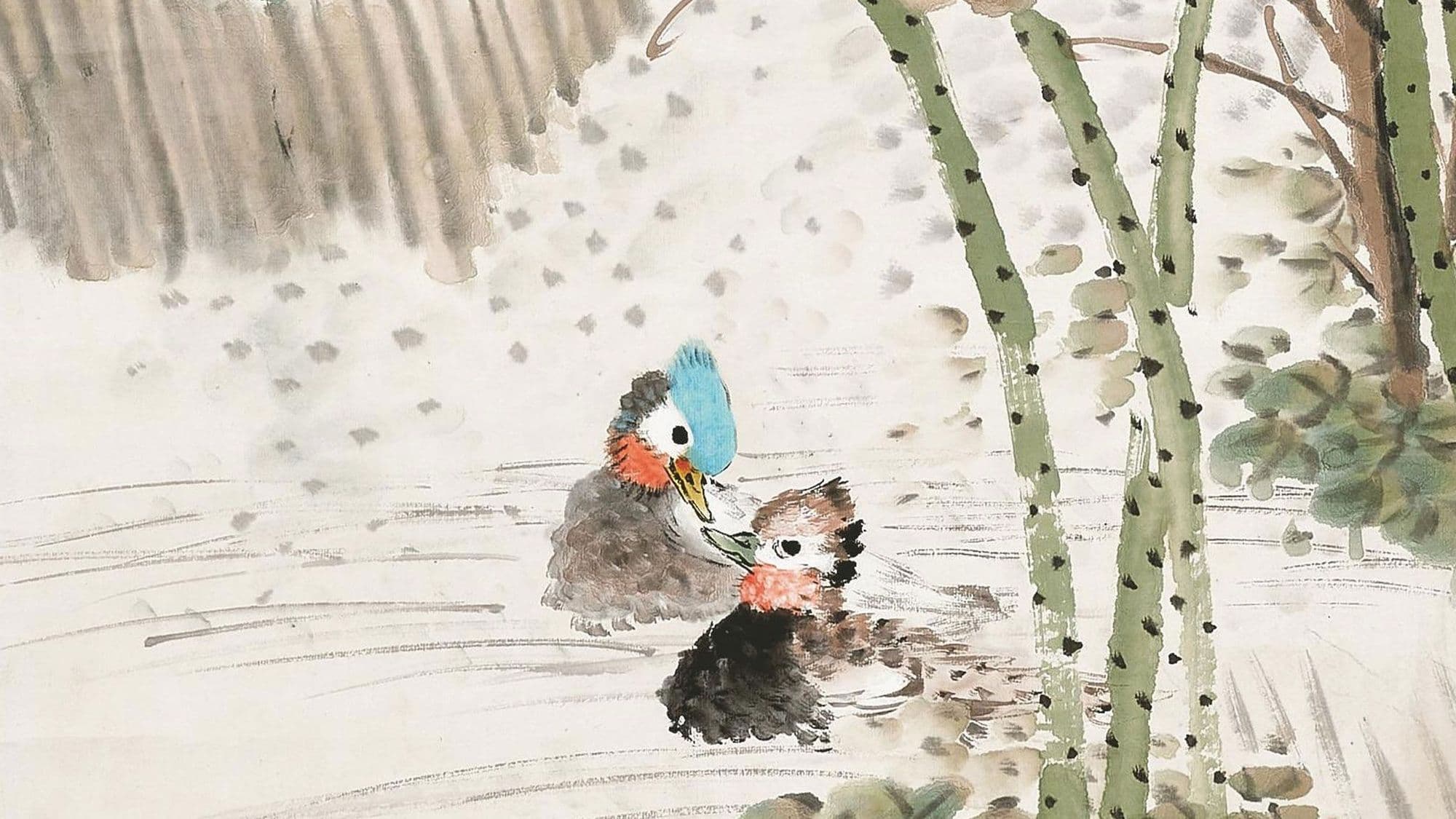
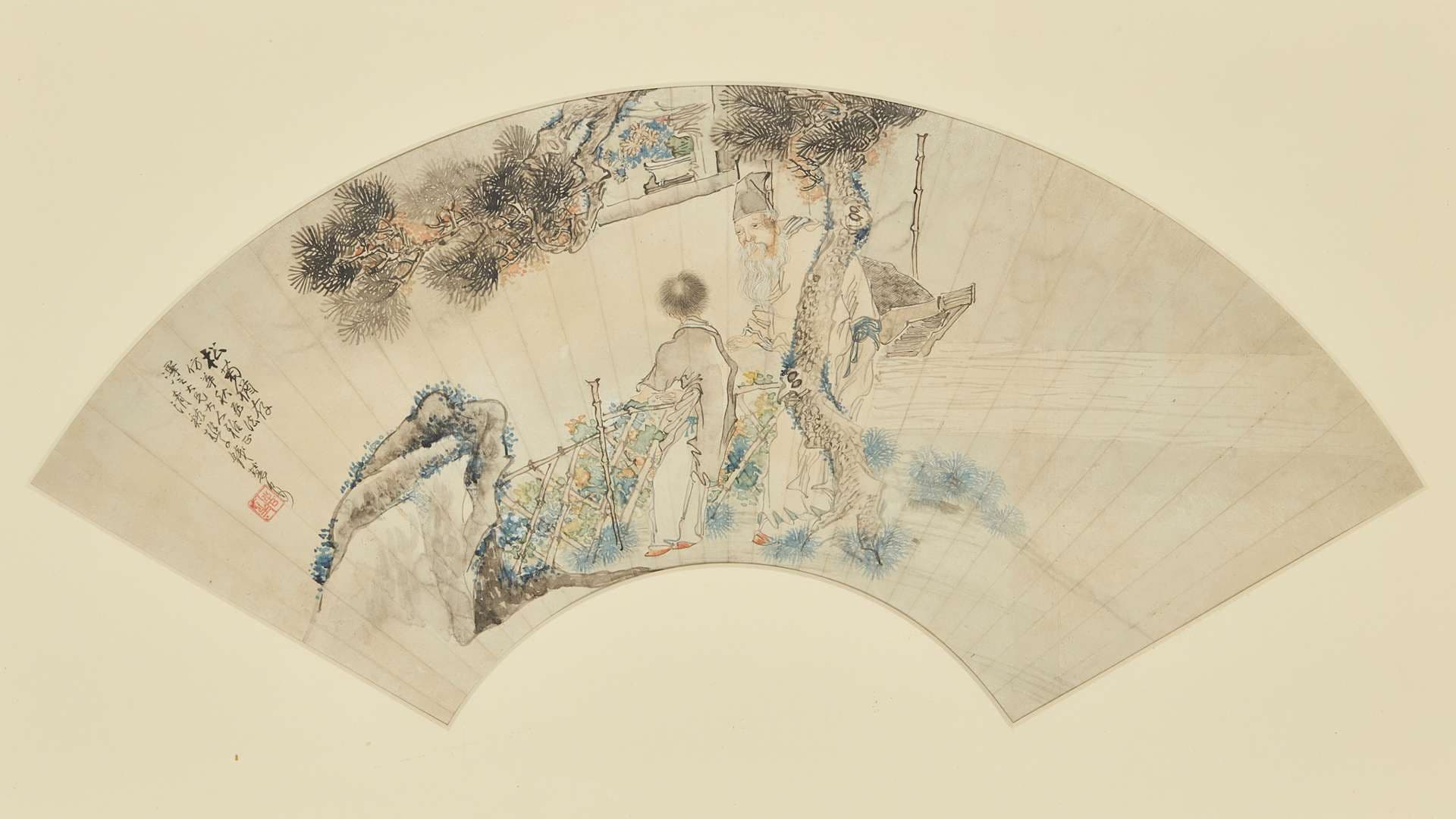
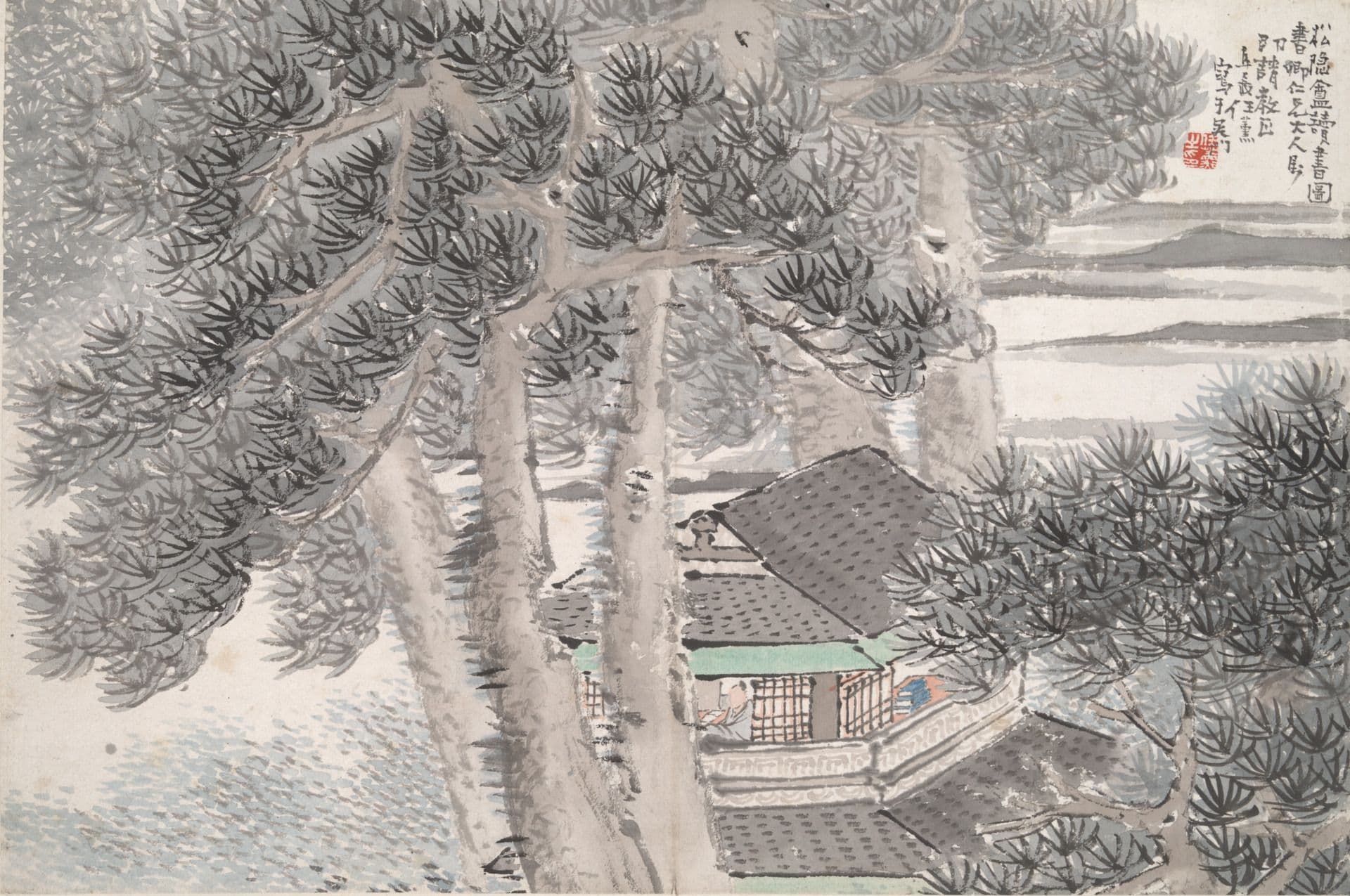
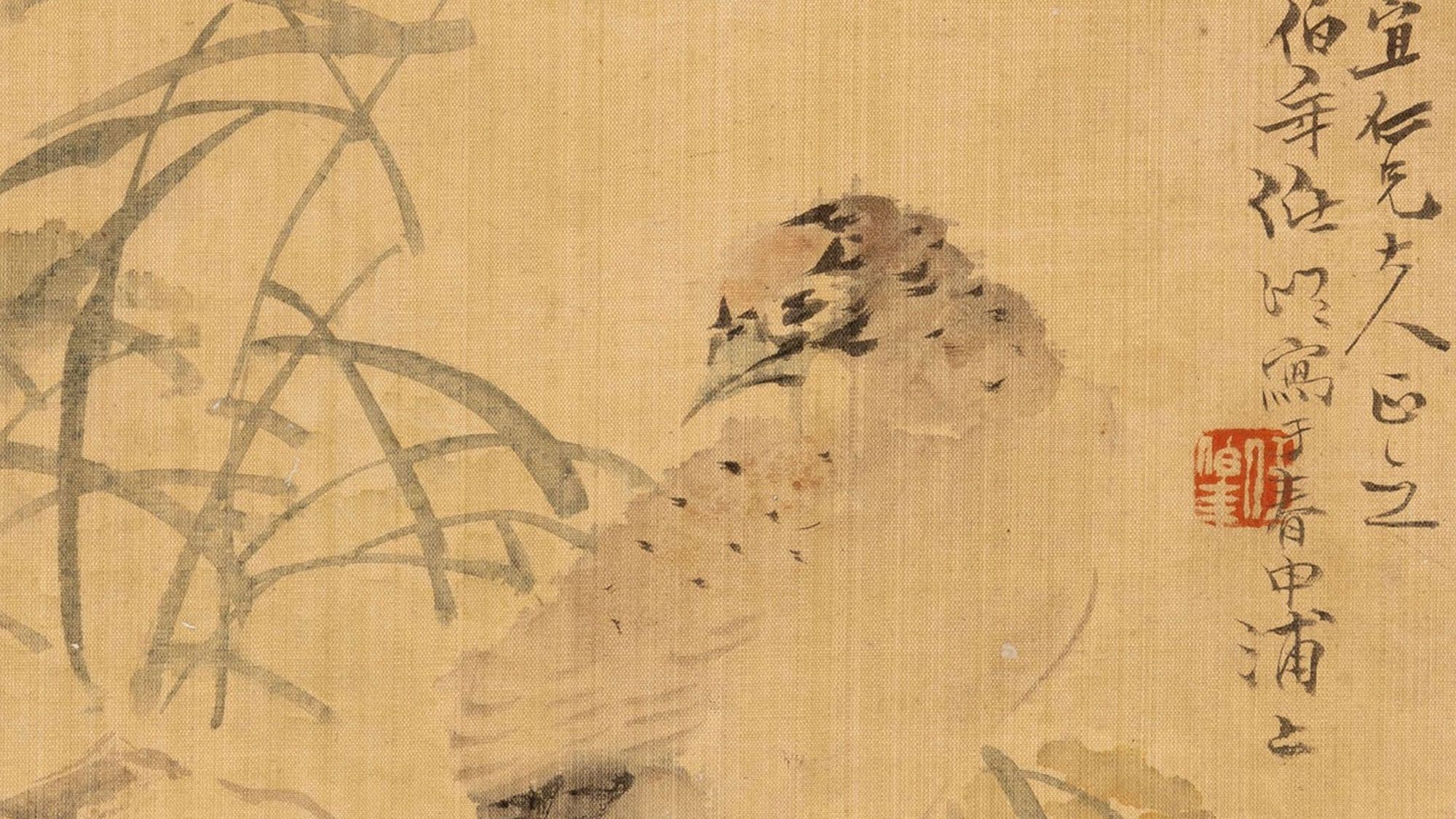
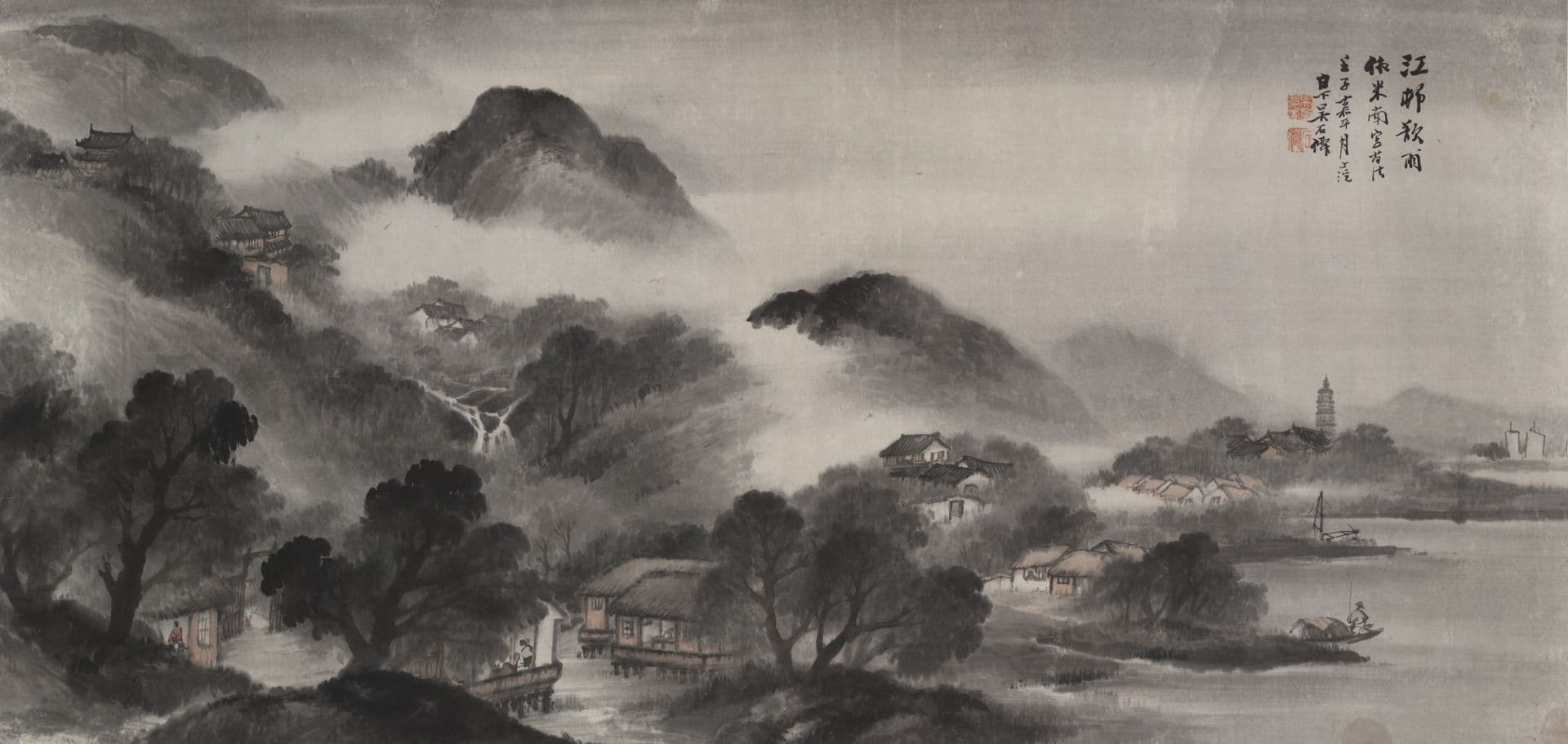
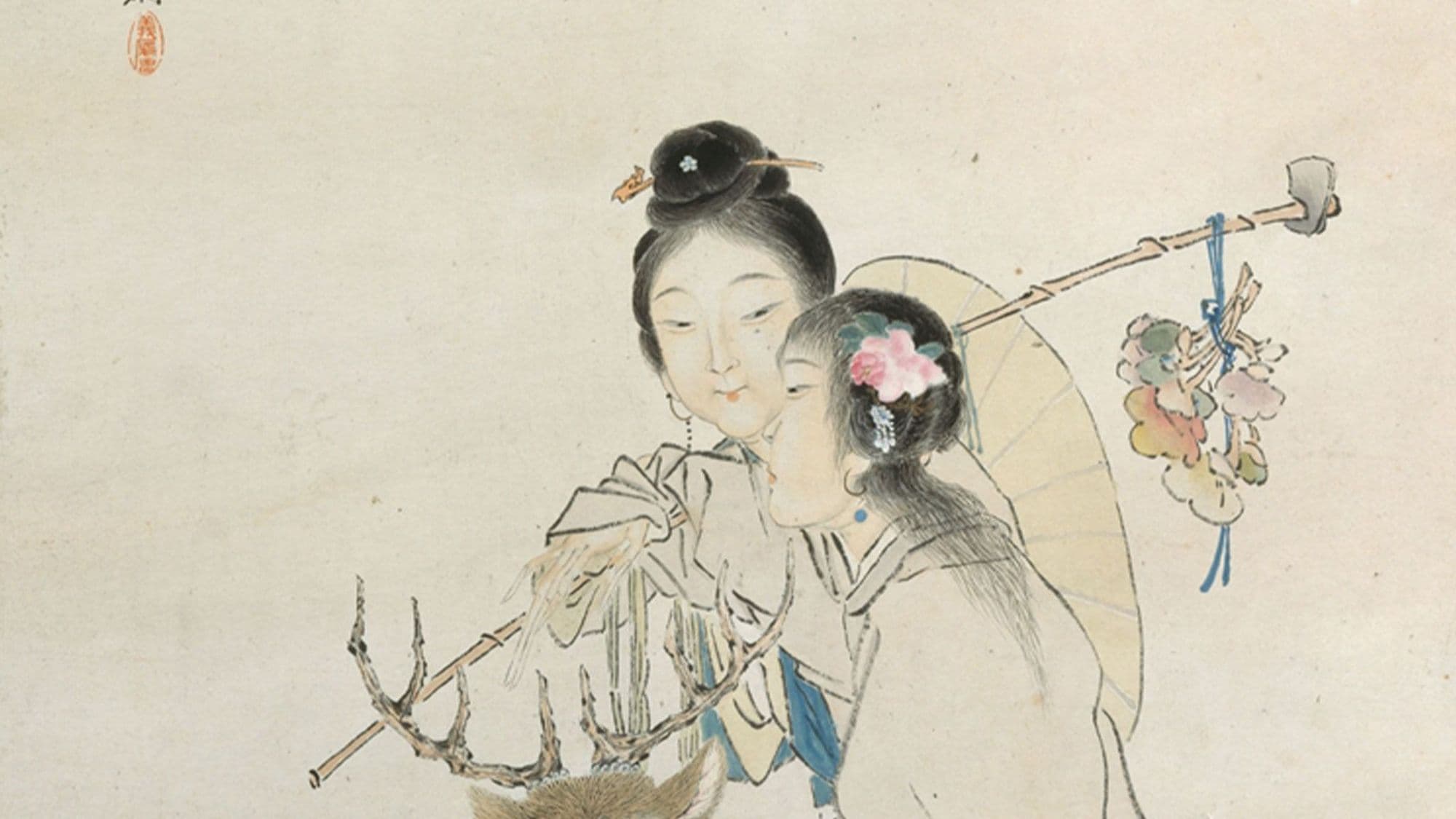
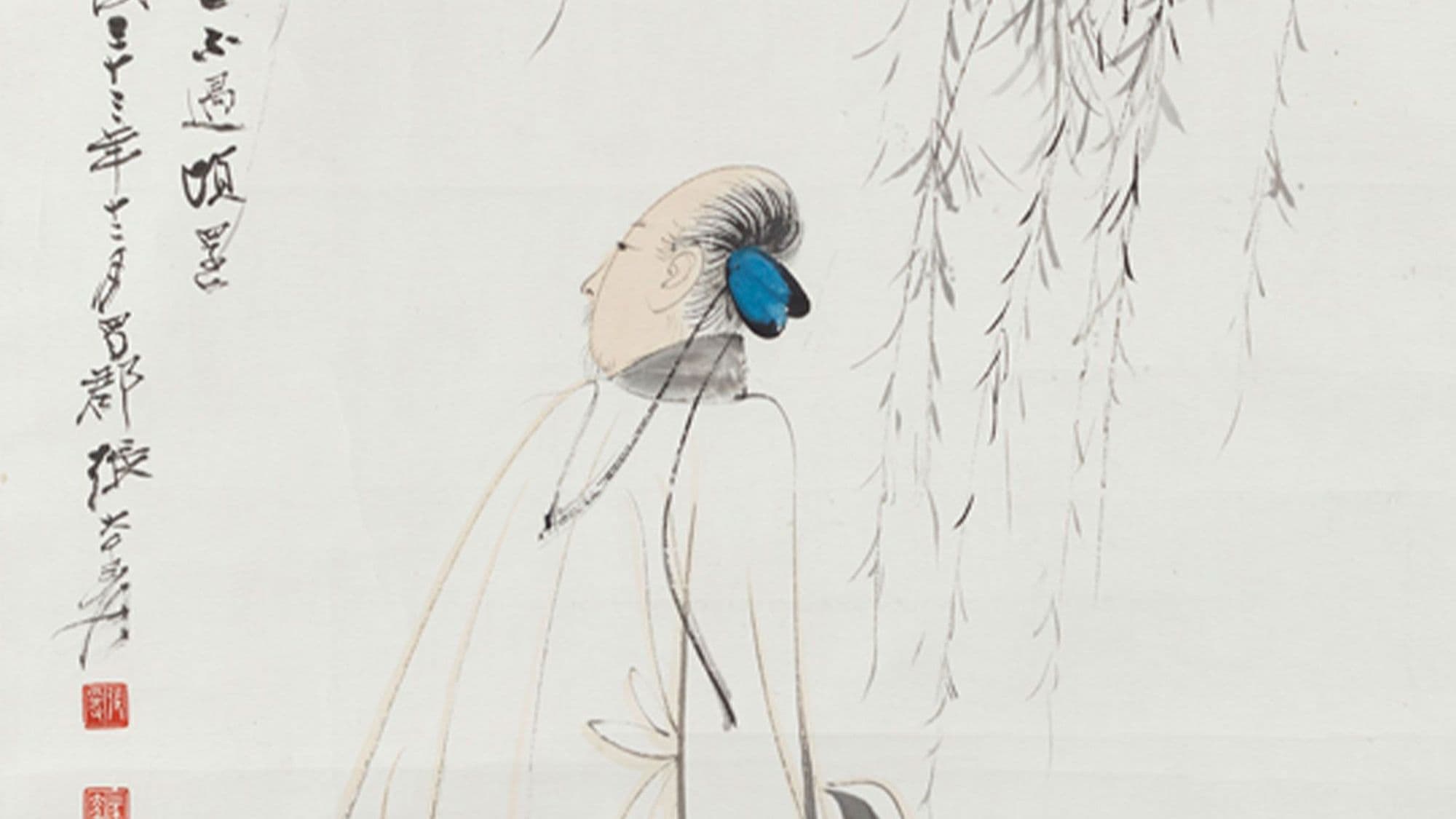
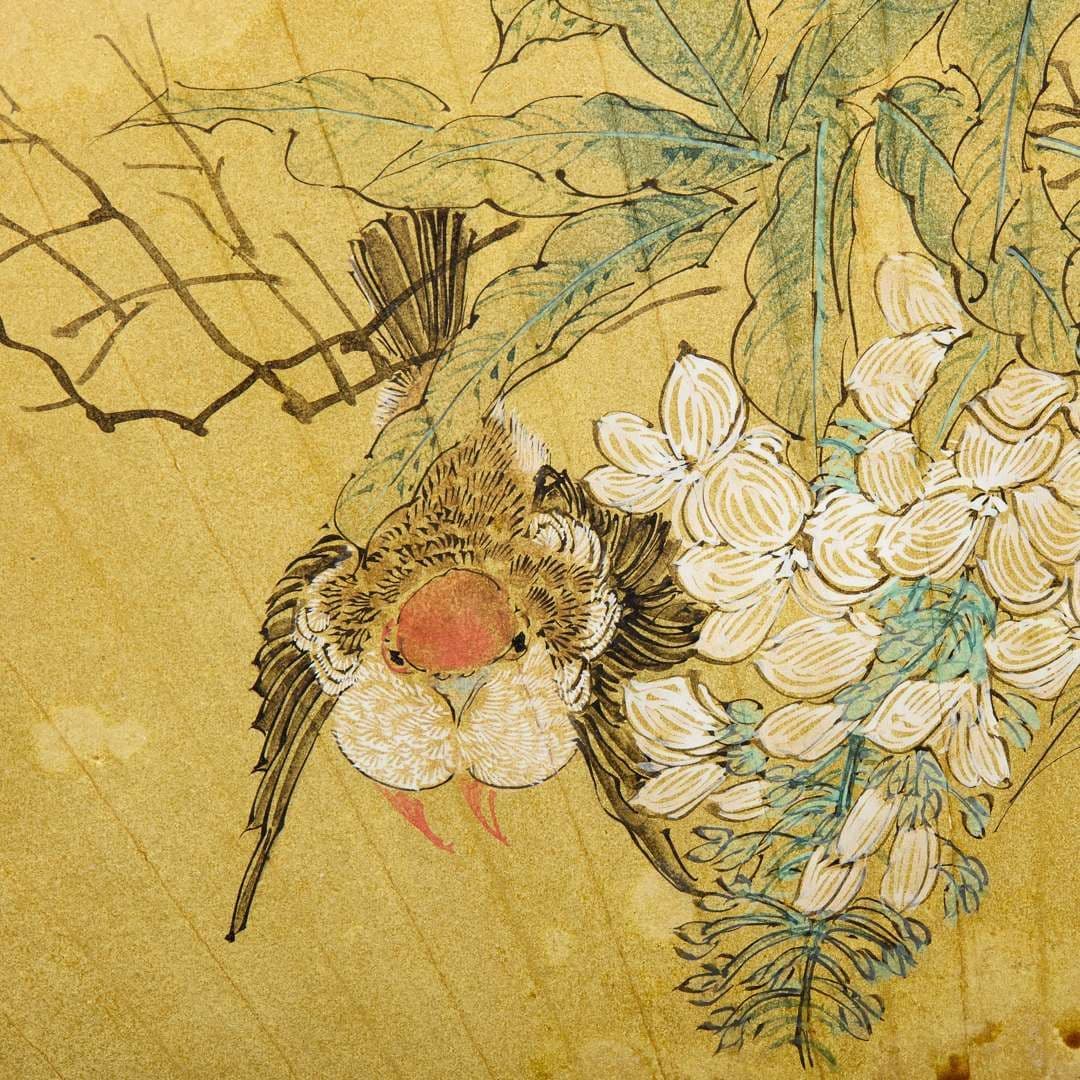
The Shanghai School, also known as the "Haipai" or "Hupai," emerged in the mid-19th century. During this period, Shanghai opened as a treaty port and evolved into the economic and cultural centre of modern China, attracting painters from all over the country to gather there and make a living by selling their paintings. Gradually, this led to the formation of a group of artists characterised by their unconventional and innovative spirit.
Not all Shanghai School painters had formal master-disciple relationships; rather, they exhibited similar creative tendencies within the same socio-cultural environment. Most came from humble backgrounds, drawing inspiration from folk art and Western painting concepts. They were bold in their use of colour and composition, and their works featured diverse, fresh, and accessible subjects. As a result, their art was rich in the vibrant atmosphere of contemporary life, standing in contrast to the conservative and rigorous style of traditional court painting.
Deeply appreciated by the urban population, their work achieved a level of "appealing to both refined and the common." Today, when we refer to "painters of the Shanghai School," aside from a very few who migrated from other regions, the majority have deep roots in Shanghai or its surrounding cities.
海上畫派:中西交融的商業傳奇
海上畫派,簡稱「海派」或「滬派」,形成於19世紀中葉。當時上海開埠,成為近代中國的經濟與文化中心,吸引了各地畫家雲集於此,以賣畫為生,逐漸形成了一個不拘一格、勇於創新的畫家群體。
海派畫家並非都有師承關係,而是在相同的社會文化環境下,展現出相似的創作趨向。他們多為平民出身,借鑑民間藝術與西洋繪畫的觀念,在色彩、構圖上勇於創新,作品題材豐富、清新通俗,作品因而富有濃郁的時代生活氣息,與傳統的宮廷畫派的保守嚴謹不同,深受市民階層歡迎,達到 「雅俗共賞」 的境界。現今我們所說的「海派畫家」,除了極少數從外地遷入,大部份的畫家,都於上海或周遭的城市淵源甚深。