Five Ways to Bring Silver to Sunday Lunch
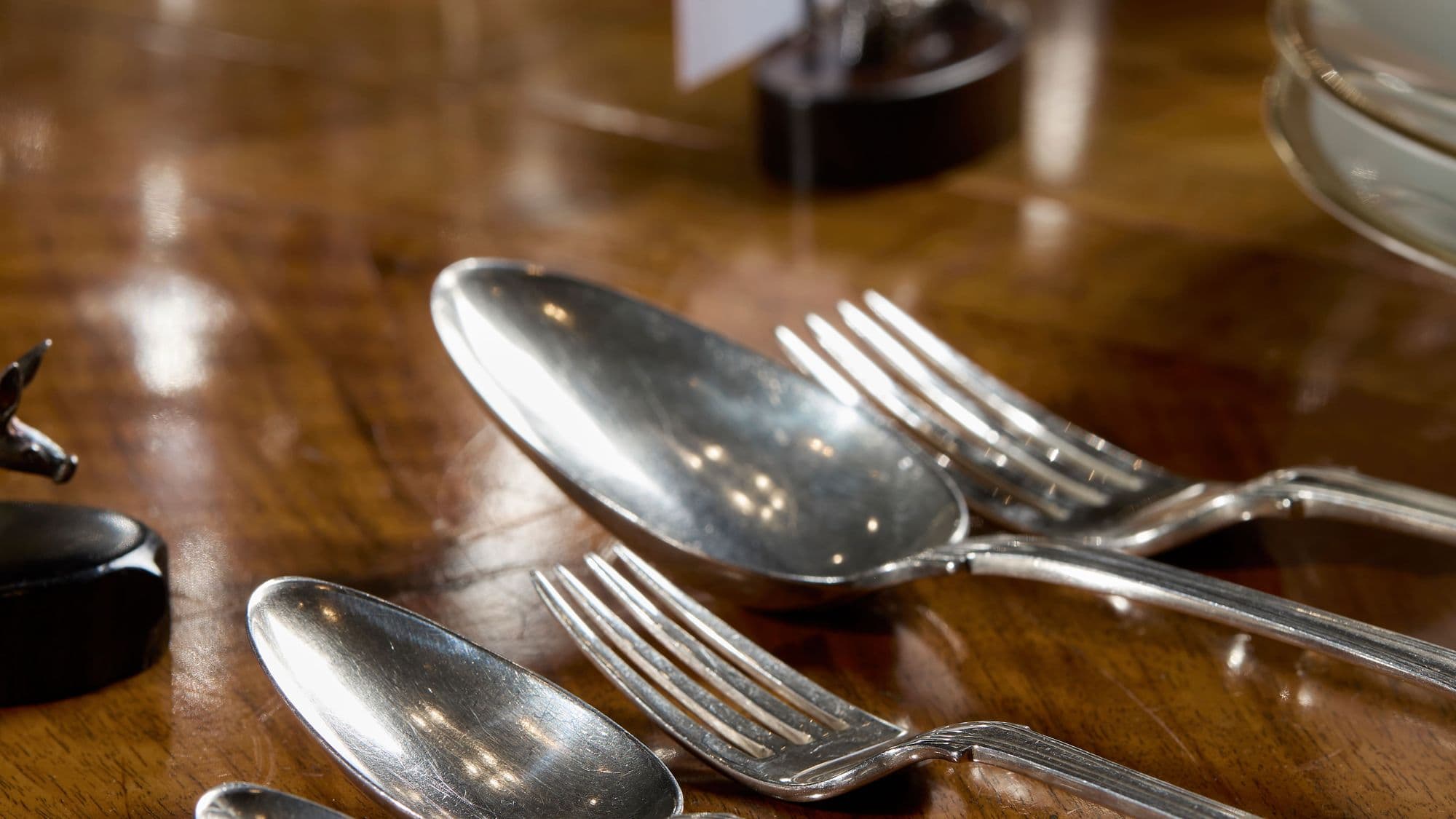
- Begin with the serving pieces. A silver serving spoon or sauce ladle is useful, easy to introduce and doesn't require a complete set.
- Bring out the gravy boat. It is one of the most practical pieces of traditional silver tableware.
- Mix silver with everyday ceramics. White plates, stoneware and simple glassware can provide a relaxed setting for historic silver.
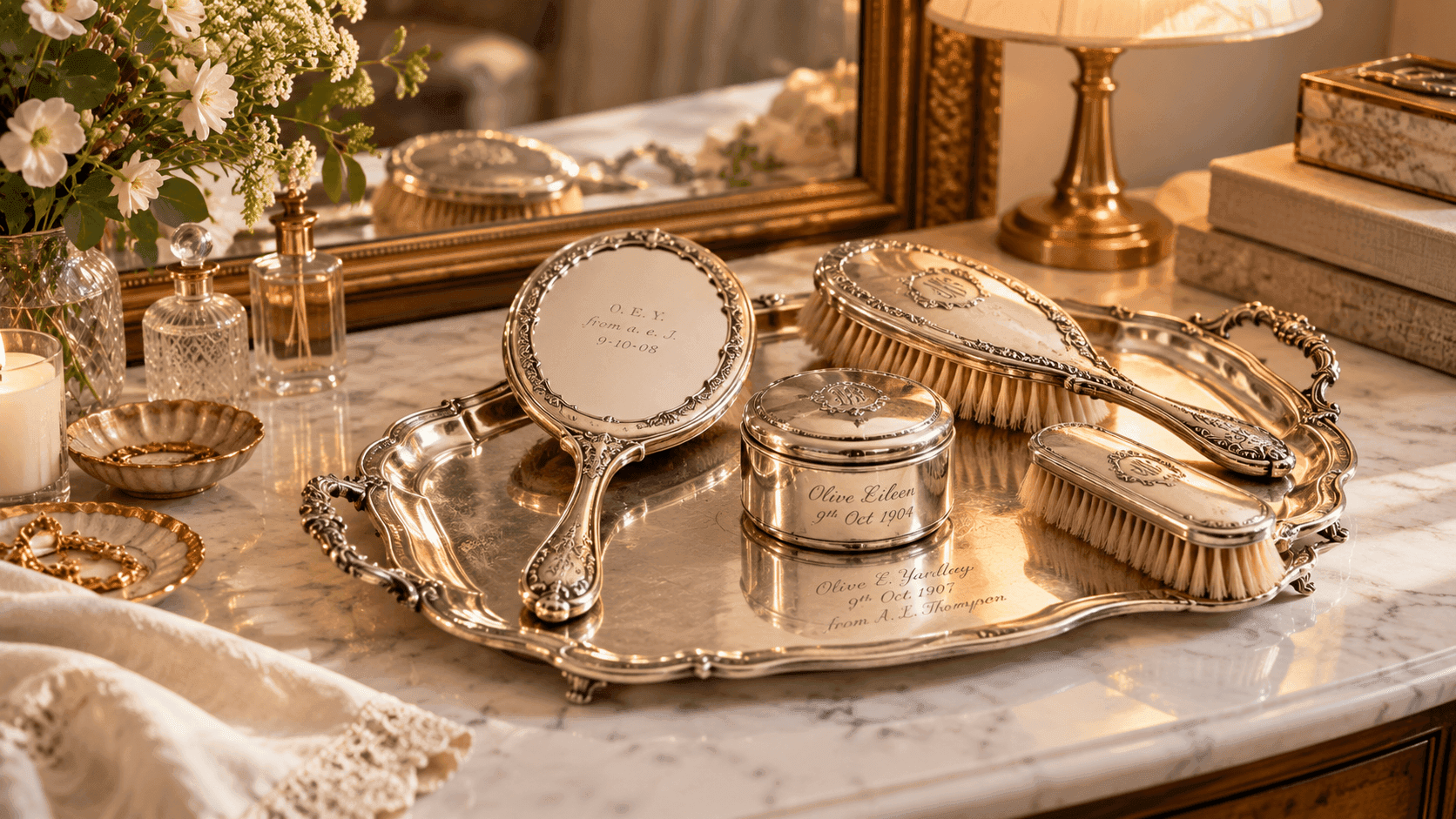
- Use a salver beyond the dining table. Choose a piece that can also be enjoyed throughout the week.
- Let the table evolve. Collect individual pieces over time rather than feeling obliged to assemble a matching service.
A good Sunday lunch is rarely remembered for the perfection of the table setting. It is remembered for the conversation, the food and the people who gathered around it. The silver is simply part of the pleasure.
Collecting Silver Tableware for the Home
Silver tableware offers a particularly rewarding introduction to collecting because so many pieces combine practical use with historical and artistic interest. For some collectors, the attraction lies in Georgian craftsmanship and the development of traditional flatware patterns.
Others are drawn to the elaborate decoration of Victorian silver or the distinctive work of twentieth-century designers and silversmiths. Scottish silver also offers an interesting area of collecting, particularly where regional makers and historic assay marks can be identified. Individual serving spoons, sauce boats, salvers and other domestic objects may provide an opportunity to acquire work by recognised makers without purchasing a complete service.
When buying at auction, consider the quality of workmanship, maker, period, condition, hallmarks and practical suitability of each piece. Weight can be relevant to value, but it is only one consideration. A finely made object with an interesting history or unusual design may have appeal well beyond its silver content.
What to Look for When Buying Silver Tableware
Whether buying a single gravy boat or assembling a collection of silver serving pieces, a few details deserve particular attention.
Hallmarks: British silver hallmarks can help establish the standard of silver, assay office, date and maker. Look for marks on the individual components, particularly where a service contains several pieces.
Condition: Examine handles, rims, feet and joins for signs of damage or repair. Pieces intended for serving should be structurally sound.
Originality: Replacement components, altered handles and later additions can affect collecting interest. Historic carving sets and composite objects require particular attention.
Practicality: Consider size, weight and ease of handling. A substantial serving dish may be beautiful but less convenient for a small household.
Craftsmanship: Look closely at proportions, decorative detail and the quality of construction. These qualities can distinguish a particularly fine example from a more ordinary piece.
How to Clean and Care for Silver Tableware
One of the reasons silver has remained part of domestic life for centuries is that it can be cared for and used over long periods.After use, wash suitable silver tableware gently by hand with mild washing-up liquid and warm water, then dry thoroughly with a soft cloth.
Avoid abrasive cleaning products, scouring pads and harsh chemicals. Historic silver should not be placed in a dishwasher, particularly where pieces incorporate other materials or have delicate decoration. Polish sparingly with a product suitable for silver. Excessive polishing can gradually remove fine detail and wear down engraved decoration.
Certain foods, particularly those containing sulphur compounds, salt or acidic ingredients, can accelerate tarnishing or affect silver surfaces. Avoid leaving food in silver vessels for prolonged periods, and clean pieces promptly after use. Silver-plated objects require particular care because aggressive polishing can wear through the plated surface. For delicate, rare or heavily repaired pieces, seek specialist advice before cleaning or using them.
Buying Silver Tableware at Auction
From Georgian serving spoons to Victorian sauce boats, silver salvers and twentieth-century dining pieces, auctions offer an opportunity to acquire silver with craftsmanship, character and history.
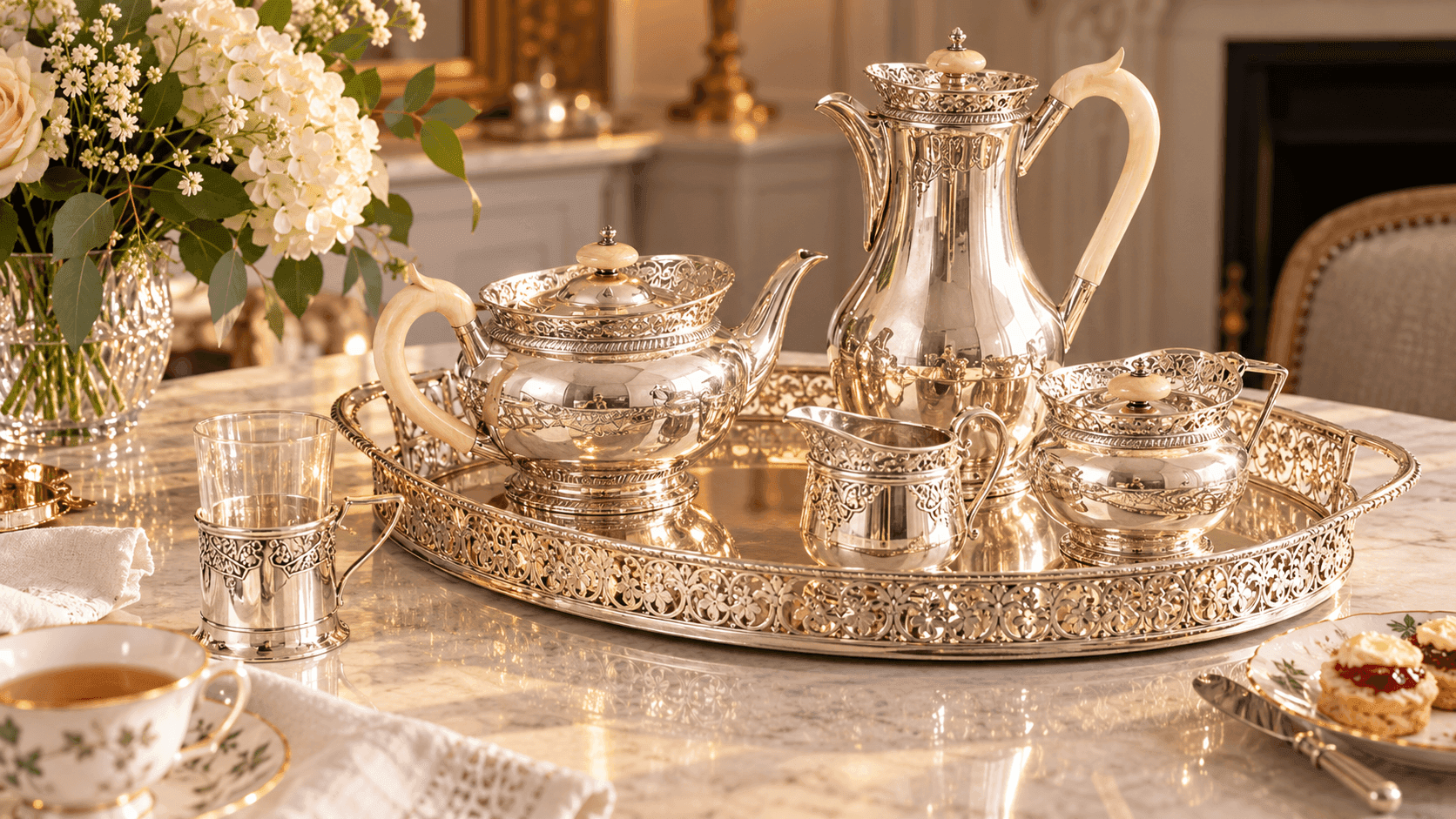
At Lyon & Turnbull, our Silver & Objets de Vertu department handles a wide range of domestic silver, including flatware, serving dishes, tea and coffee services and works by recognised silversmiths.
Our specialists can advise on hallmarks, makers, condition and collecting interest, helping buyers choose pieces that suit both their interests and their homes.
Explore our Silver & Objets de Vertu department for upcoming auctions and specialist advice.