Silver at the Burns Supper Table
Scottish silver was made to be used. Much of what we handle at Lyon & Turnbull was created for domestic settings; dining tables, sideboards, gatherings where people came together and stayed awhile.
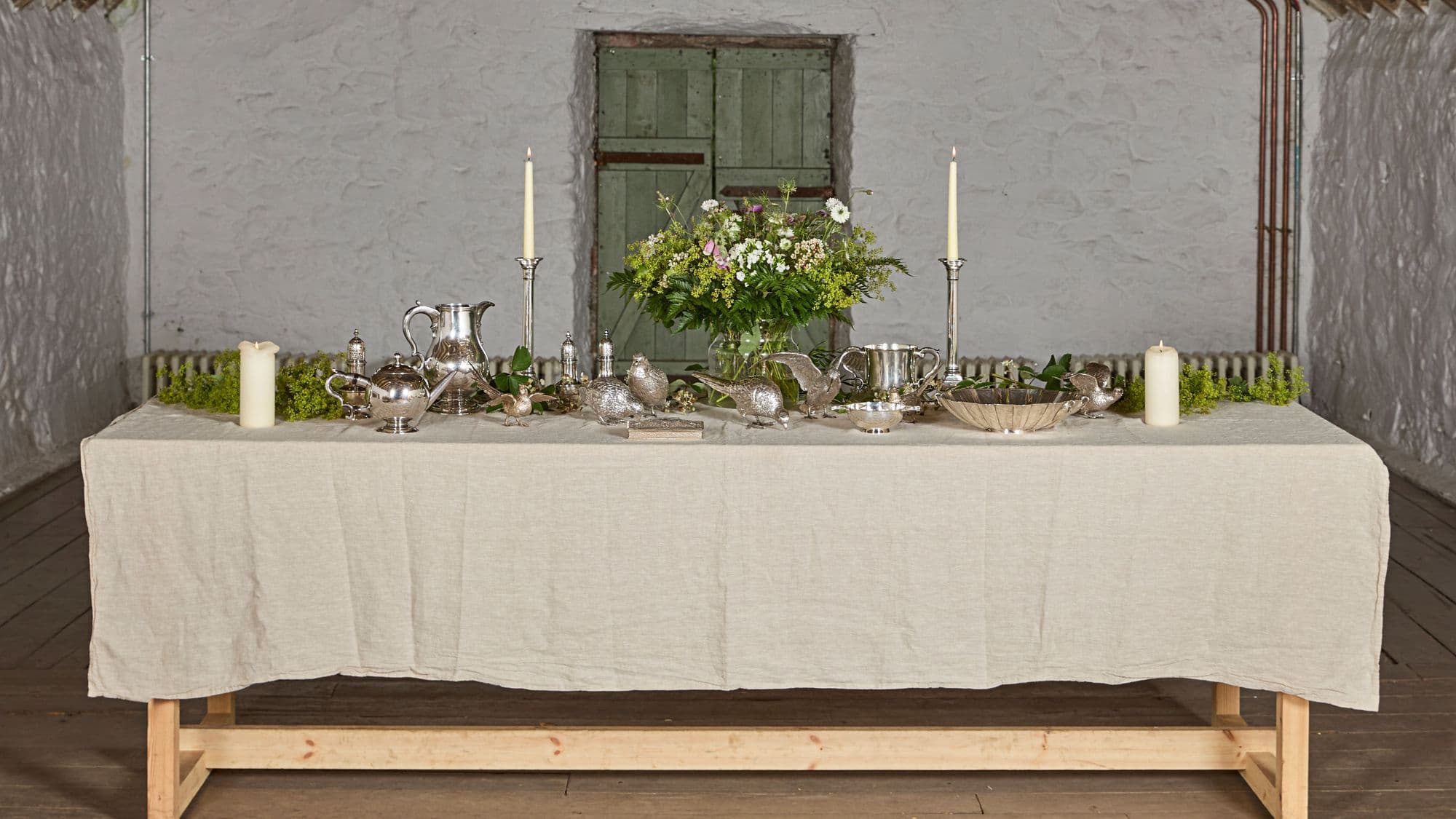
A silver candelabrum is a good example. It does something practical, but it also changes the feel of a room. Candlelight reflected through silver softens the space and can slow things down or highlight a particularly. Historically, candelabra were brought out when company arrived or when the evening mattered. Burns Night feels like exactly that kind of moment.
A silver fruit tazza works quietly alongside it. Traditionally used for fruit or sweetmeats, it still earns its place on the table today, perhaps holding cheese, citrus, or oatcakes wrapped in linen. It adds height and balance without demanding attention.
The Character of Scottish Silver
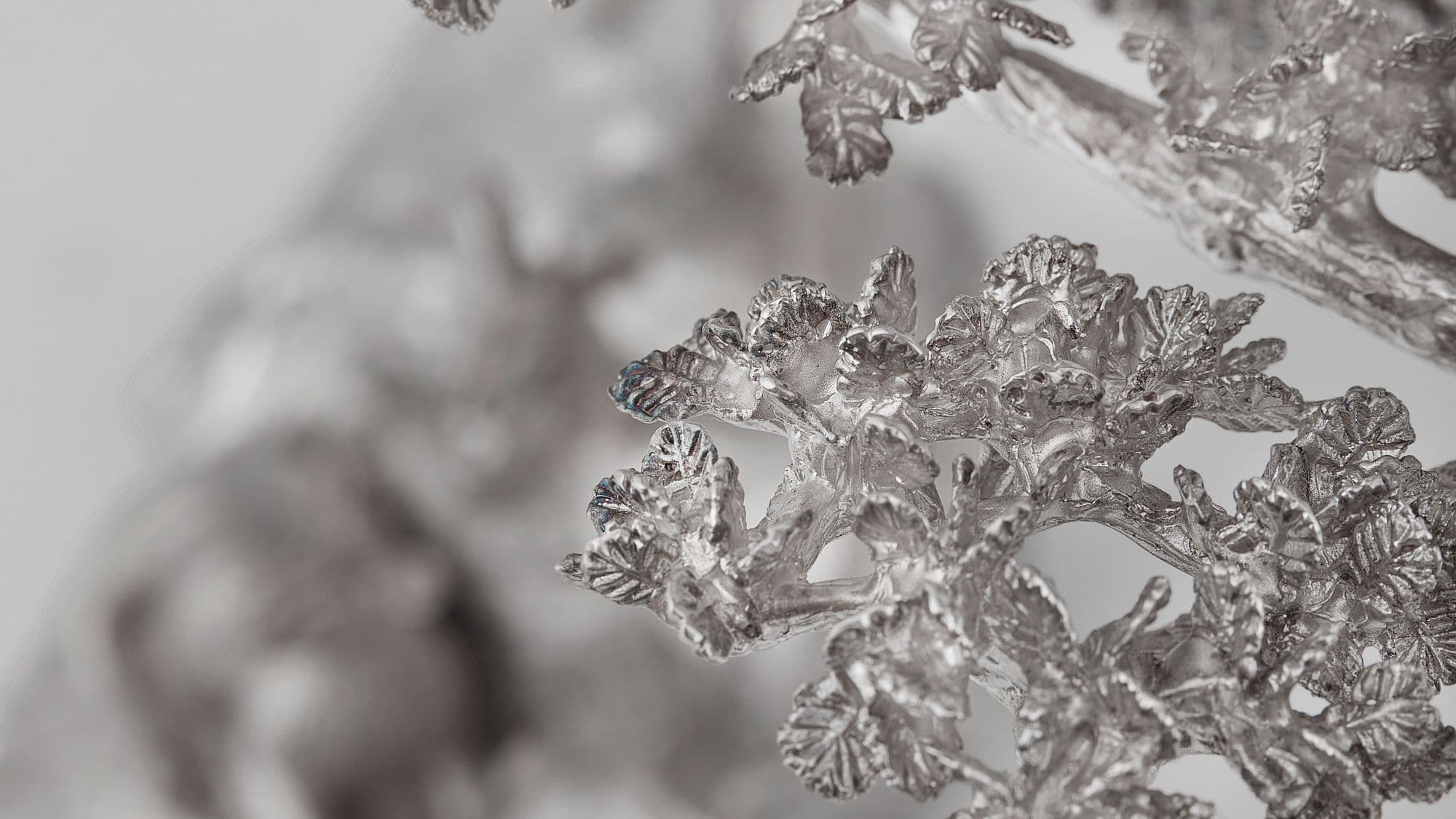
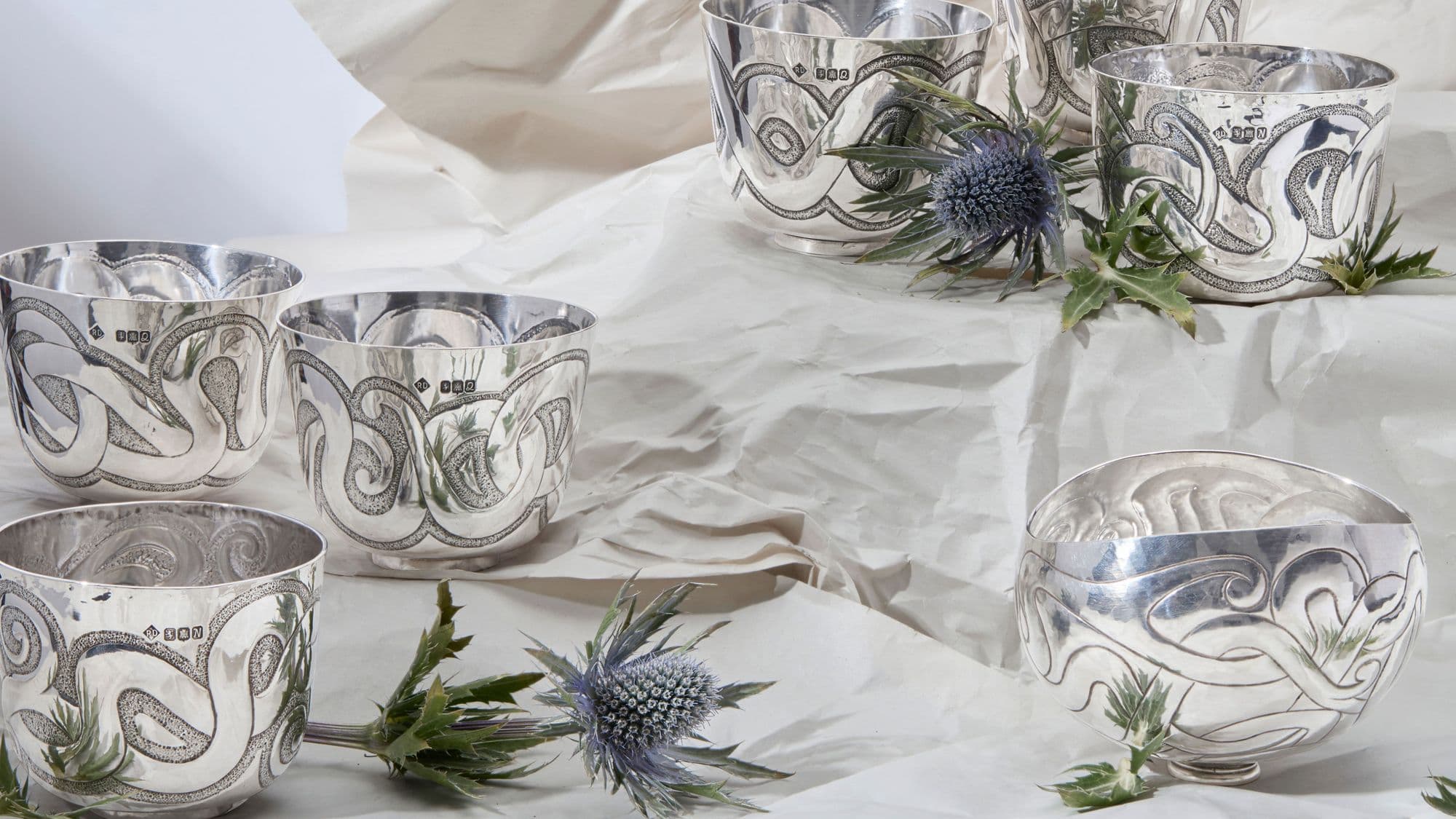
Scottish silver has a distinct character. While influenced by wider British styles, it often favours solid forms and a certain restraint. Edinburgh and Glasgow makers were producing high-quality silver from the 18th century onwards, much of it made to be used regularly rather than kept for display.
What I like to look for is evidence of that use. Light wear to the surface, softened edges, areas that have been polished many times over the years. These aren’t faults, they’re signs that the piece has done its job. On Burns Night, which is about tradition as much as celebration, that feels entirely appropriate.
Using Silver Today
People sometimes tell me they’re unsure about using antique silver, worried it might be too fragile or precious. In most cases, it isn’t. These objects were made to withstand handling. A candelabrum can be lit again. A tazza can be filled and passed around the table.
Using silver doesn’t mean recreating a formal past. Paired with simple and contemporary touches, plain linen and modern glassware, antique silver feels natural rather than staged. It brings a sense of weight and permanence without feeling heavy.
Marking Time
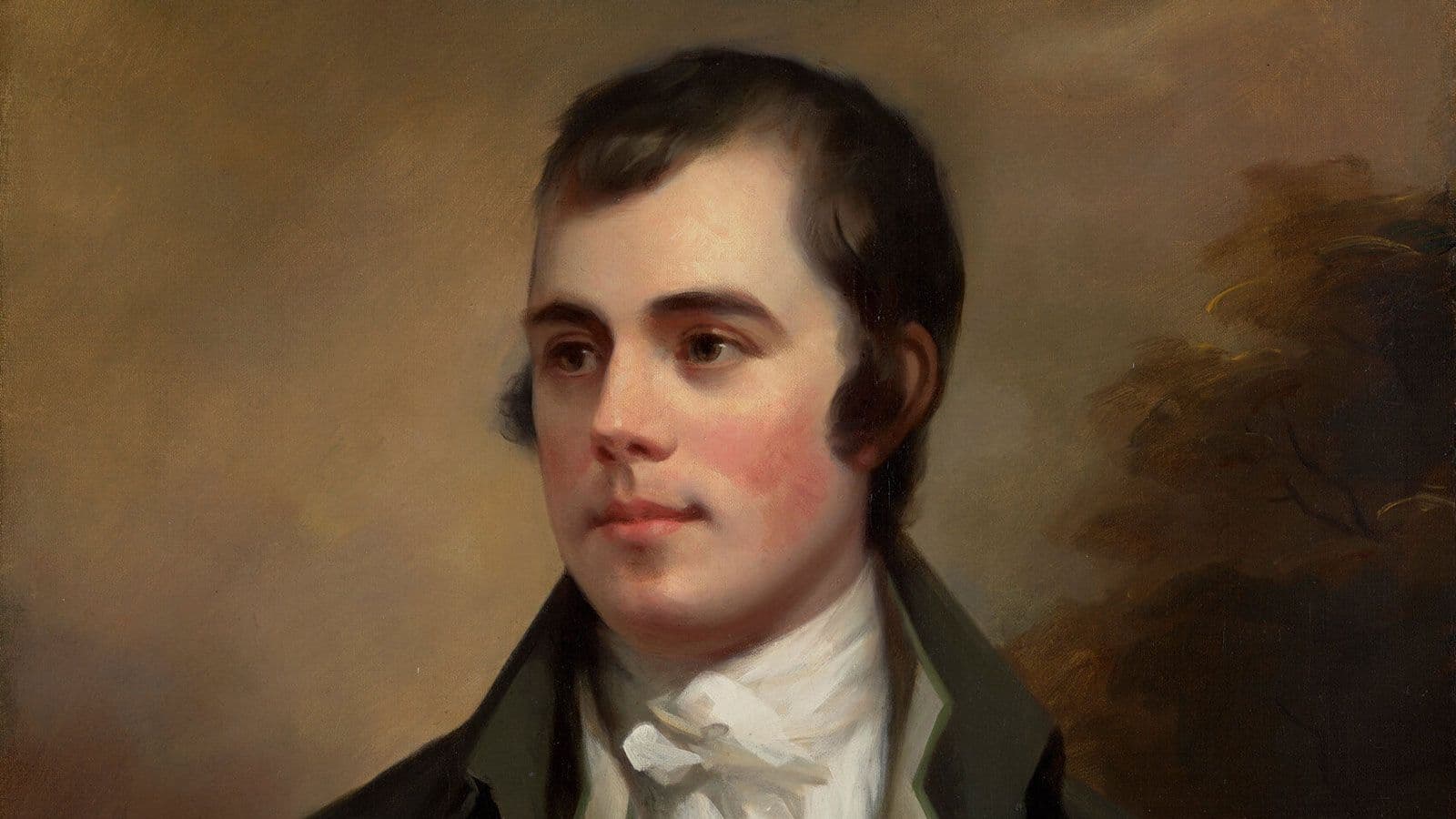
Lyon & Turnbull was founded in 1826, thirty years after Robert Burns died in 1796. From the outset, the firm was handling the kind of objects people lived with, silver among them, pieces that moved between households, tables and generations.
That perspective matters. Much of the Scottish silver we see today has already played a role in family meals, celebrations and seasonal gatherings. Burns Night is simply another occasion where those objects get a chance to shine.
For me, Scottish silver isn’t about looking back for its own sake. It’s about continuity. These pieces still work because the reasons we sit down together - to mark an event, to share food, to slow the evening down - haven’t really changed. It’s the act of bringing these pieces out again, year after year, that helps give them their value.