The Jacobite Family Tree
At its simplest, the royal family at the heart of the Jacobite story looks like this:
Charles I
↓
James VII of Scotland and II of England
├── Mary II → married William III (William of Orange)
├── Anne → later Queen Anne
└── James Francis Edward Stuart (the Old Pretender)
married Maria Clementina Sobieska
├── Charles Edward Stuart (Bonnie Prince Charlie)
└── Henry Benedict Stuart, Cardinal Duke of York
That split within the family is crucial to understanding Jacobitism. The conflict was not simply between two unrelated royal houses. Some of the people who replaced James VII and II on the throne were members of his own family.
James VII and II: The King Who Lost His Throne
James VII of Scotland and II of England became king in 1685 following the death of his elder brother, Charles II. His Catholicism and policies caused growing opposition among sections of the political establishment, and the birth of his son in 1688 raised the prospect of a continuing Catholic Stuart dynasty.
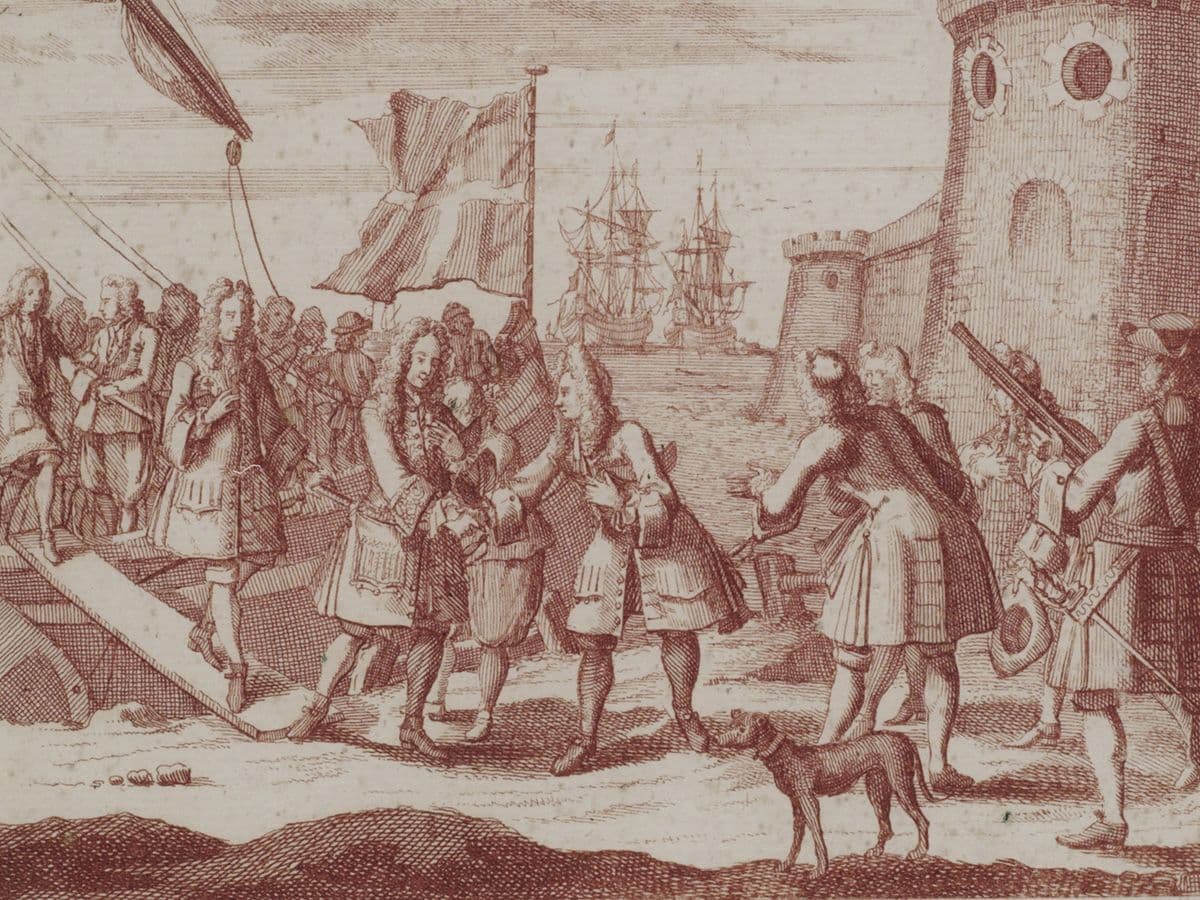
Later that year, James's Protestant son-in-law William of Orange landed in England. James fled to France and Parliament subsequently recognised William and James's daughter Mary as joint monarchs. For James and his supporters, however, he remained the rightful king.
The word Jacobite derives from Jacobus, the Latin form of James. Those who continued to support James and subsequently his descendants became known as Jacobites.
Mary II: The Daughter Who Replaced Her Father
One of the more striking relationships in the Jacobite story is that between James VII and II and his daughter Mary. Mary was a Protestant and had married her cousin, William of Orange, in 1677. Following the events of the Glorious Revolution, William III and Mary II became joint monarchs in 1689, replacing Mary's father.
Mary's position therefore illustrates why the politics of the period cannot be reduced to a straightforward conflict between two families. The succession crisis divided the Stuarts themselves.
Who Was William of Orange?
William III, commonly known as William of Orange, was both James VII and II's nephew and his son-in-law. His mother, Mary, Princess Royal, was the daughter of Charles I and sister of Charles II and James VII and II. William therefore had Stuart ancestry in his own right. His marriage to James's daughter Mary created another direct connection to the English and Scottish royal families.
In 1688, William landed in England with an army during the events that became known as the Glorious Revolution. The following year, William and Mary accepted the crowns of England and Scotland. Their accession created the political situation from which the Jacobite movement emerged.
James Francis Edward Stuart: The Old Pretender
The birth of James Francis Edward Stuart on 10 June 1688 transformed the question of succession. Until then, James VII and II's Protestant daughter Mary had been his heir presumptive. The arrival of a Catholic son created the prospect of a Catholic male succession, intensifying opposition to James's rule.
After his father's death in 1701, James Francis Edward Stuart claimed the thrones of England, Scotland and Ireland. To his supporters he was James VIII and III. To his opponents he became known as the Old Pretender. Attempts were made to restore him to the throne, most notably during the Jacobite Rising of 1715, but none succeeded.
Maria Clementina Sobieska: Bonnie Prince Charlie's Mother
Maria Clementina Sobieska, also known as Clementina Sobieska, married James Francis Edward Stuart in 1719. She was the granddaughter of John III Sobieski, King of Poland, and her marriage to the Stuart claimant joined two prominent European dynasties. The couple had two sons: Charles Edward Stuart, born in 1720, and Henry Benedict Stuart, born in 1725.
Clementina therefore occupies an important position in the Jacobite family tree as the mother of the generation that would make the final serious attempt to restore the Stuarts.
Bonnie Prince Charlie: Charles Edward Stuart
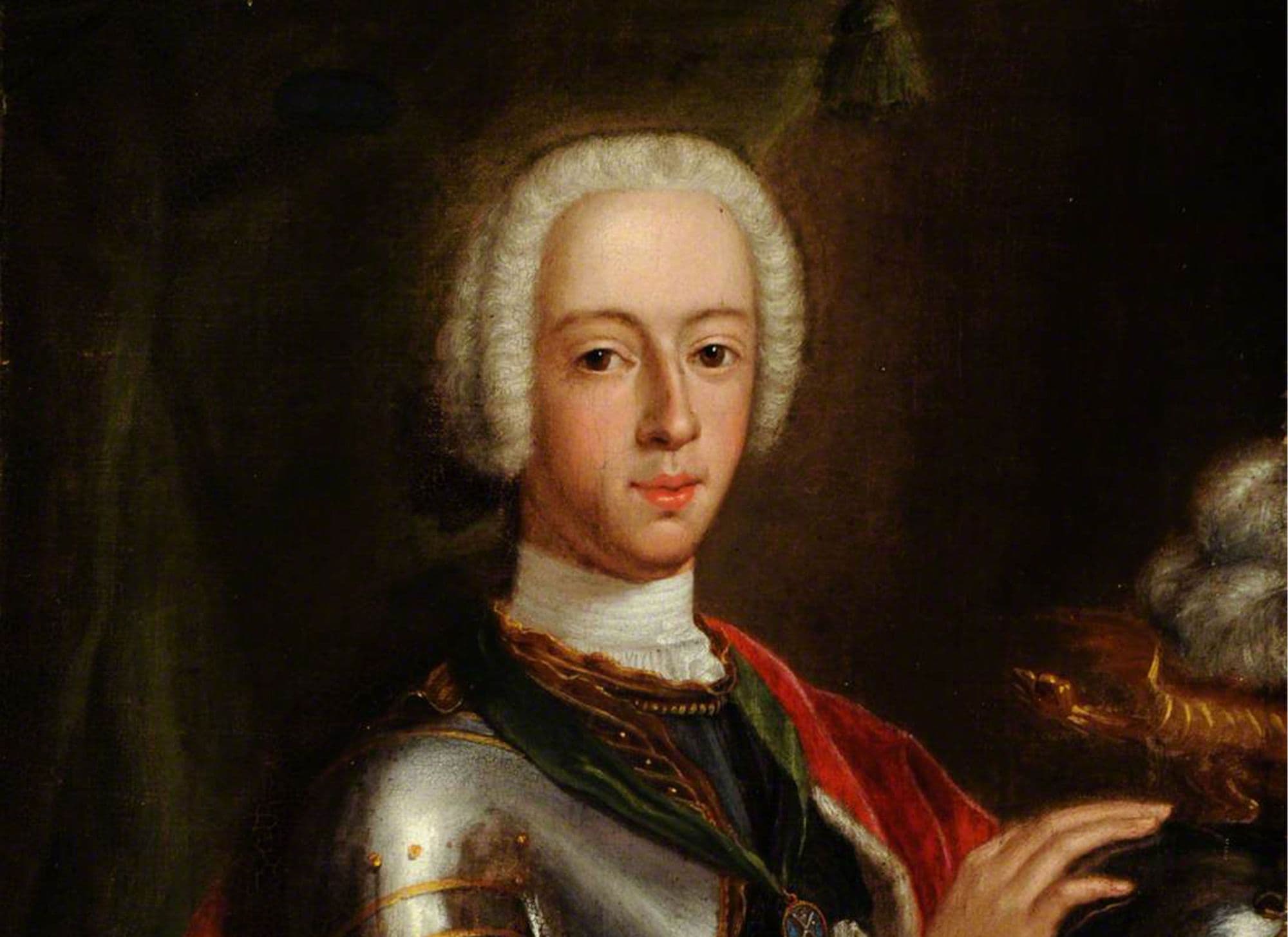
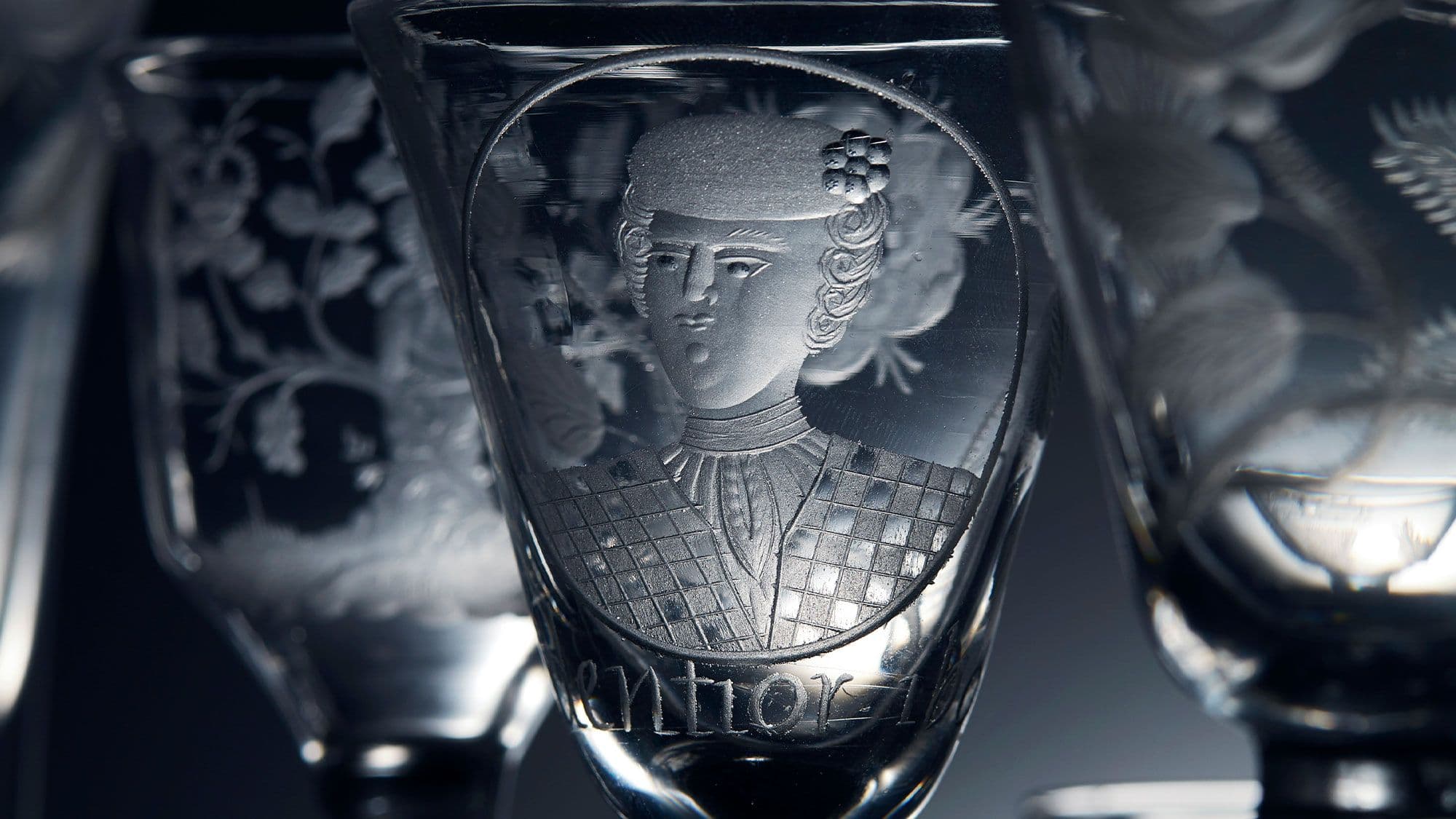
Charles Edward Stuart is the best-known figure in Jacobite history. Born in Rome in 1720, he was the elder son of James Francis Edward Stuart and Clementina Sobieska. To Jacobites, Charles was the heir to his father's claim to the British throne.
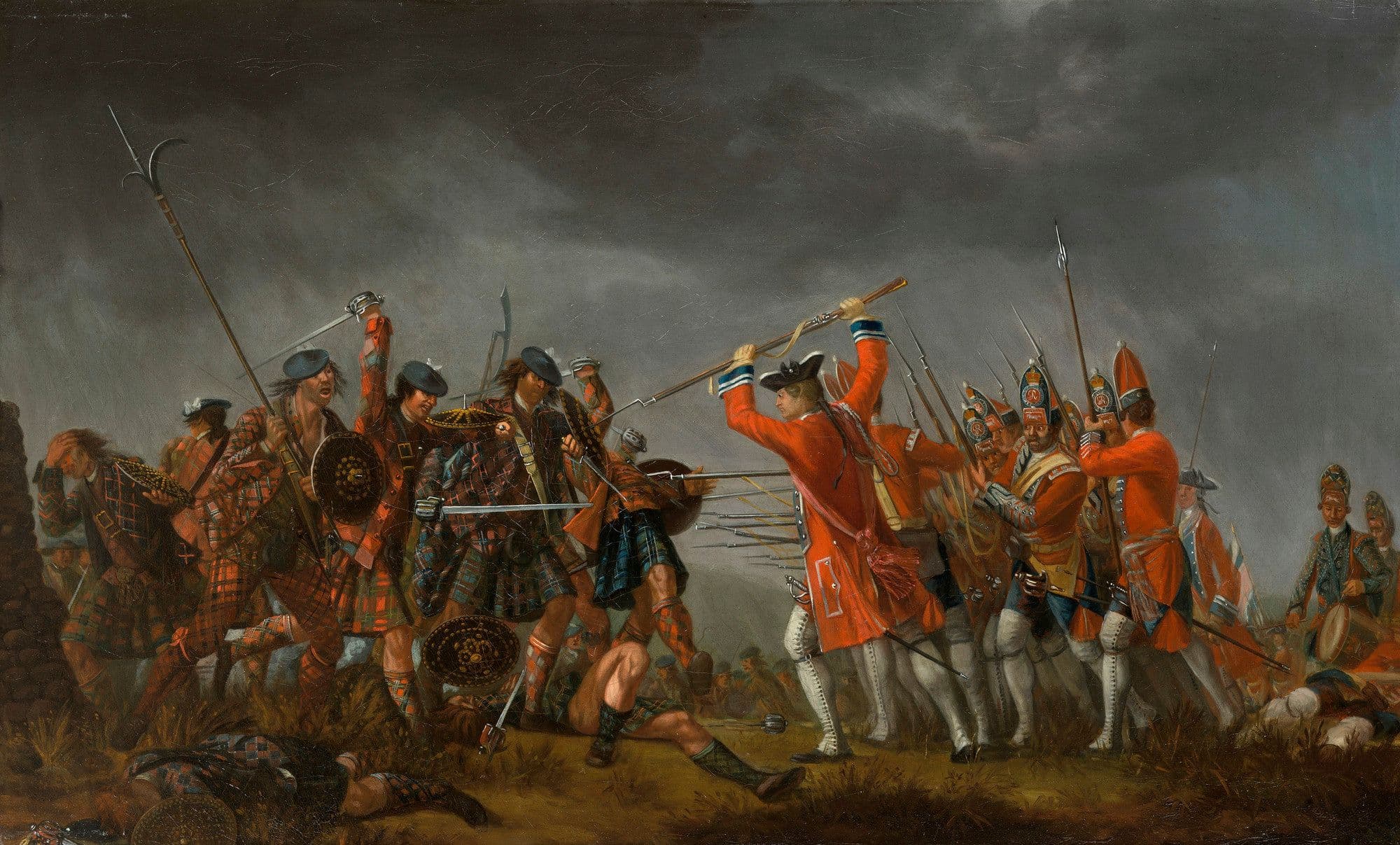
In 1745, he travelled to Scotland and launched the campaign that would become the Jacobite Rising of 1745. After raising the Stuart standard at Glenfinnan, his army captured Edinburgh, defeated Government forces at Prestonpans and advanced into England as far as Derby. The campaign ultimately ended with the Jacobite defeat at Culloden on 16 April 1746.
Henry Benedict Stuart: The Last Jacobite Heir
Bonnie Prince Charlie was not the final member of the Stuart family to inherit the Jacobite claim. His younger brother, Henry Benedict Stuart, pursued a career in the Roman Catholic Church and became a cardinal, earning the title Cardinal Duke of York.
When Charles died without a legitimate heir in 1788, the Jacobite claim passed to Henry. Supporters recognised him as Henry IX, although by this point there was no realistic prospect of another military attempt to restore the Stuarts. Henry died in 1807. With him, the legitimate male line of James VII and II came to an end.