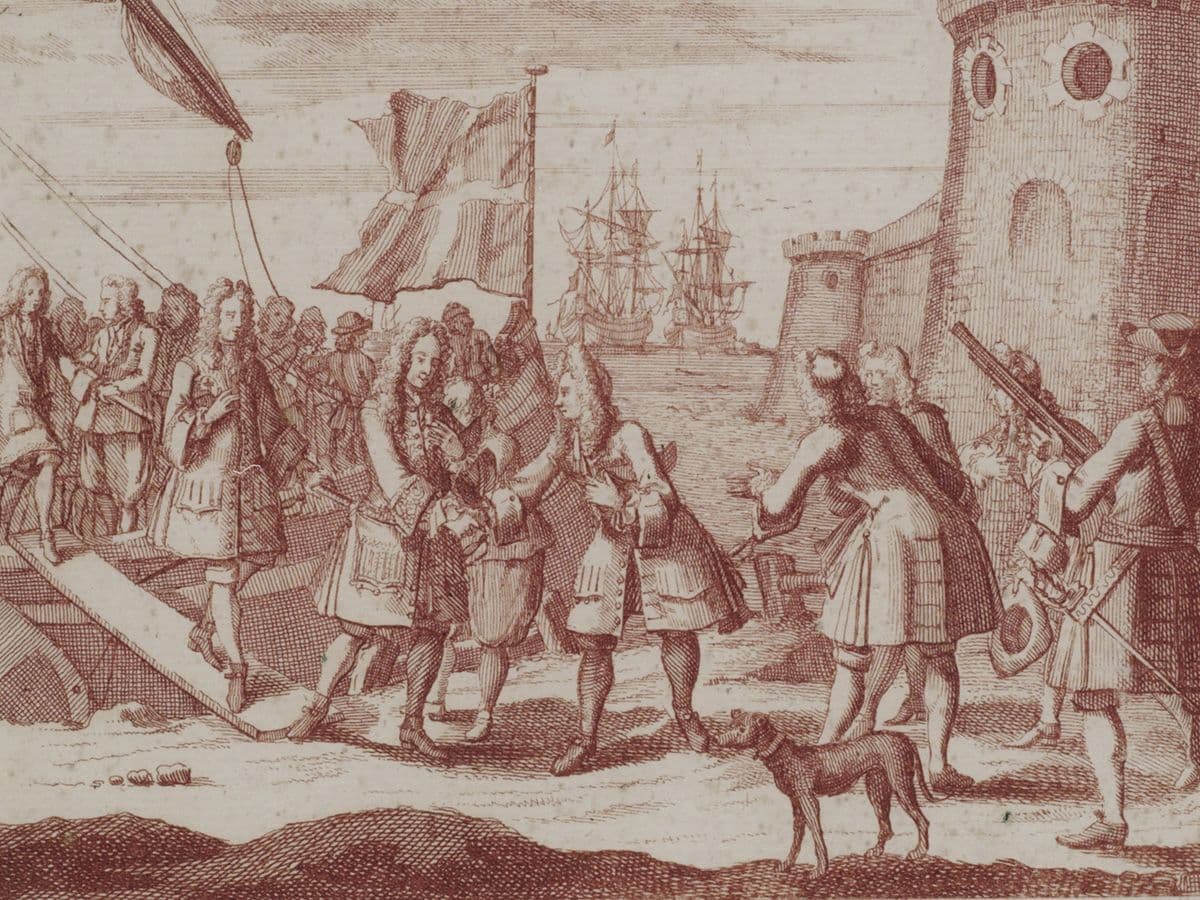
Supporting the Jacobite cause could carry serious consequences. Jacobitism challenged the established monarchy, and those who actively participated in the Risings risked imprisonment, forfeiture of their estates and, in the most serious cases, execution.
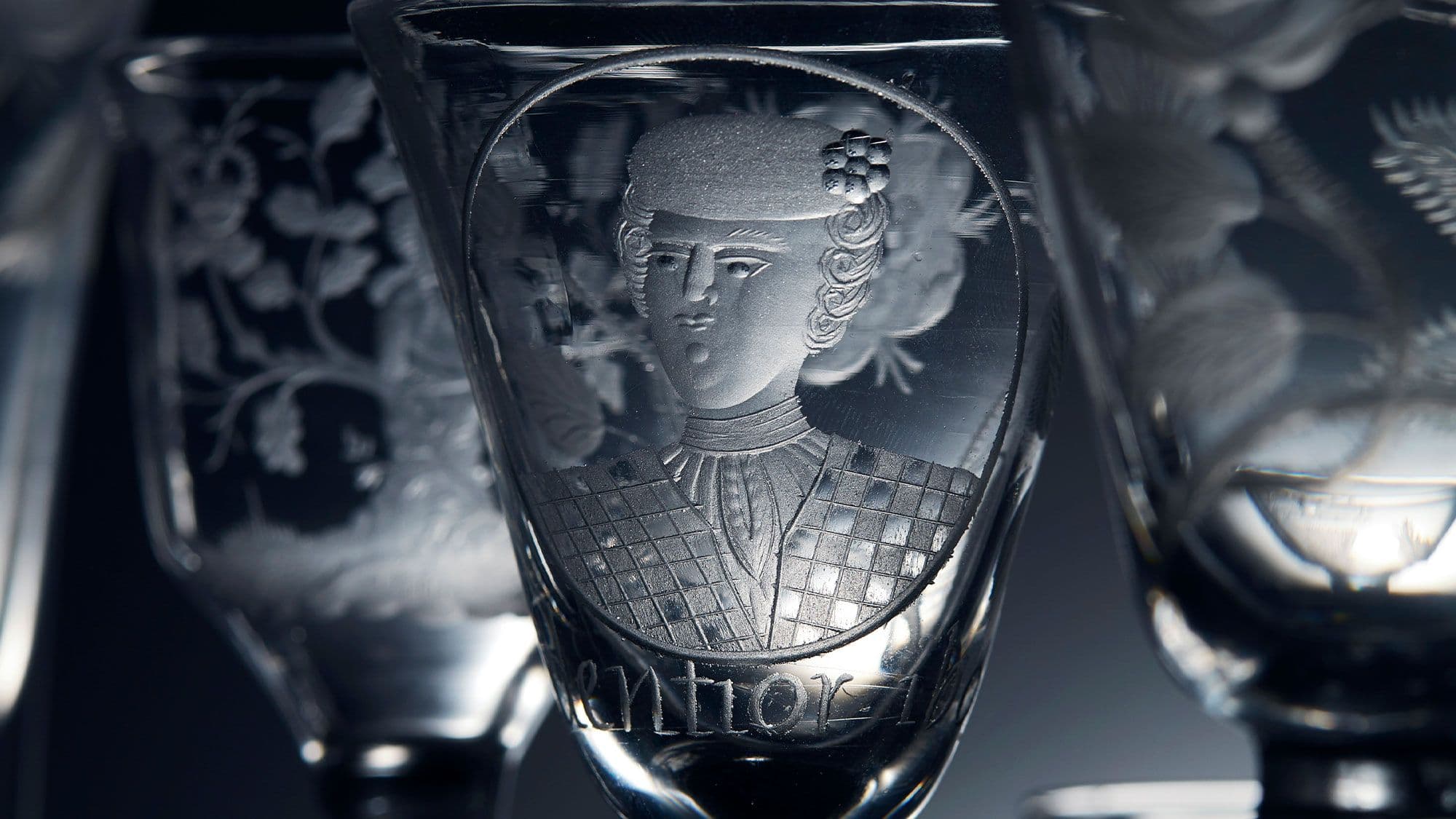
Yet support for the Stuarts could be expressed in objects found in everyday life. Portraits made allegiance unmistakable, while Jacobite glasses, medals and other works of art could carry roses, oak leaves, thistles, feathers and coded toasts understood by those familiar with the cause.
These symbols became part of the visual language of Jacobitism, allowing supporters to celebrate the exiled Stuarts and their claim to the throne.
Quick Answer: What Symbols Did the Jacobites Use? Jacobite symbols included the white rose, rosebuds, oak leaves, thistles, stars and Prince of Wales's feathers. They appeared on engraved drinking glasses, medals and other objects associated with the Stuart cause. Some references were relatively clear, while others could communicate Jacobite allegiance more discreetly.
Find out More About our Jacobite Department
From works of art, to jewellery, Culloden artefacts and art, find out more about the people and places that shaped the Jacobite period.
WATCH
The Secret Signs of the Jacobites
In this video, specialist Colin Fraser explores the fascinating world of Jacobite symbolism.
Why Did the Jacobites Use Symbols?
Jacobite supporters came from different levels of society, from members of prominent aristocratic families to people with far less wealth or influence. Families themselves could be divided in their loyalties.
What united Jacobites politically was their support for the claims of the exiled Stuart dynasty rather than the reigning Hanoverian monarchy. Open involvement in a Jacobite Rising could therefore amount to treason and bring severe punishment.
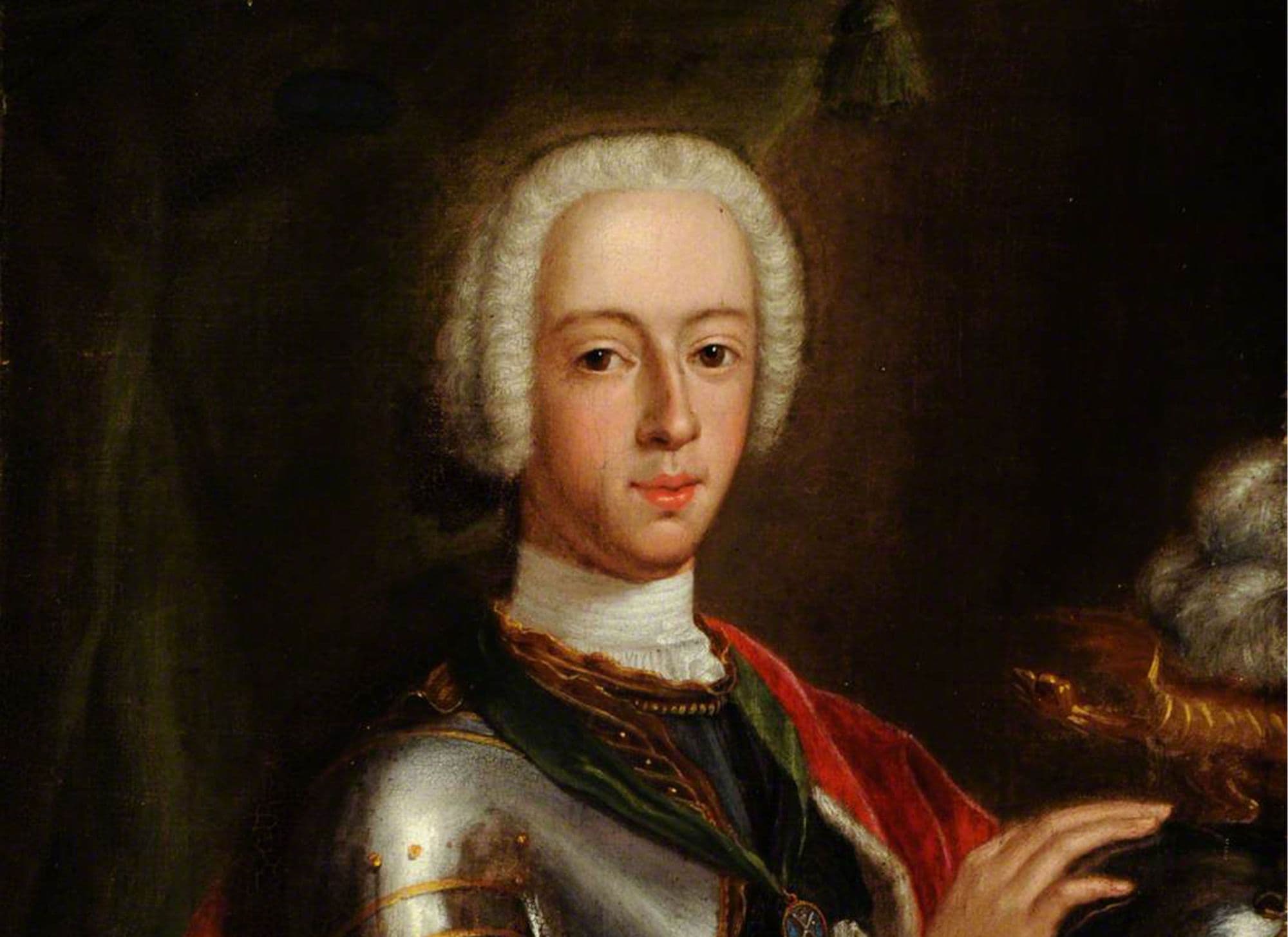
Not every expression of Jacobite sympathy involved taking up arms. Political allegiance could also be communicated through the objects people owned, commissioned and used. Portraiture was one of the most overt examples. Displaying an image of James Francis Edward Stuart or Prince Charles Edward Stuart, Bonnie Prince Charlie, made the subject of that loyalty difficult to miss.
Other objects allowed more room for interpretation. Flowers, plants, mottos and emblems could carry meanings recognised within Jacobite circles without requiring the owner's allegiance to be stated in words.
What Does the White Rose Mean in Jacobite Symbolism?
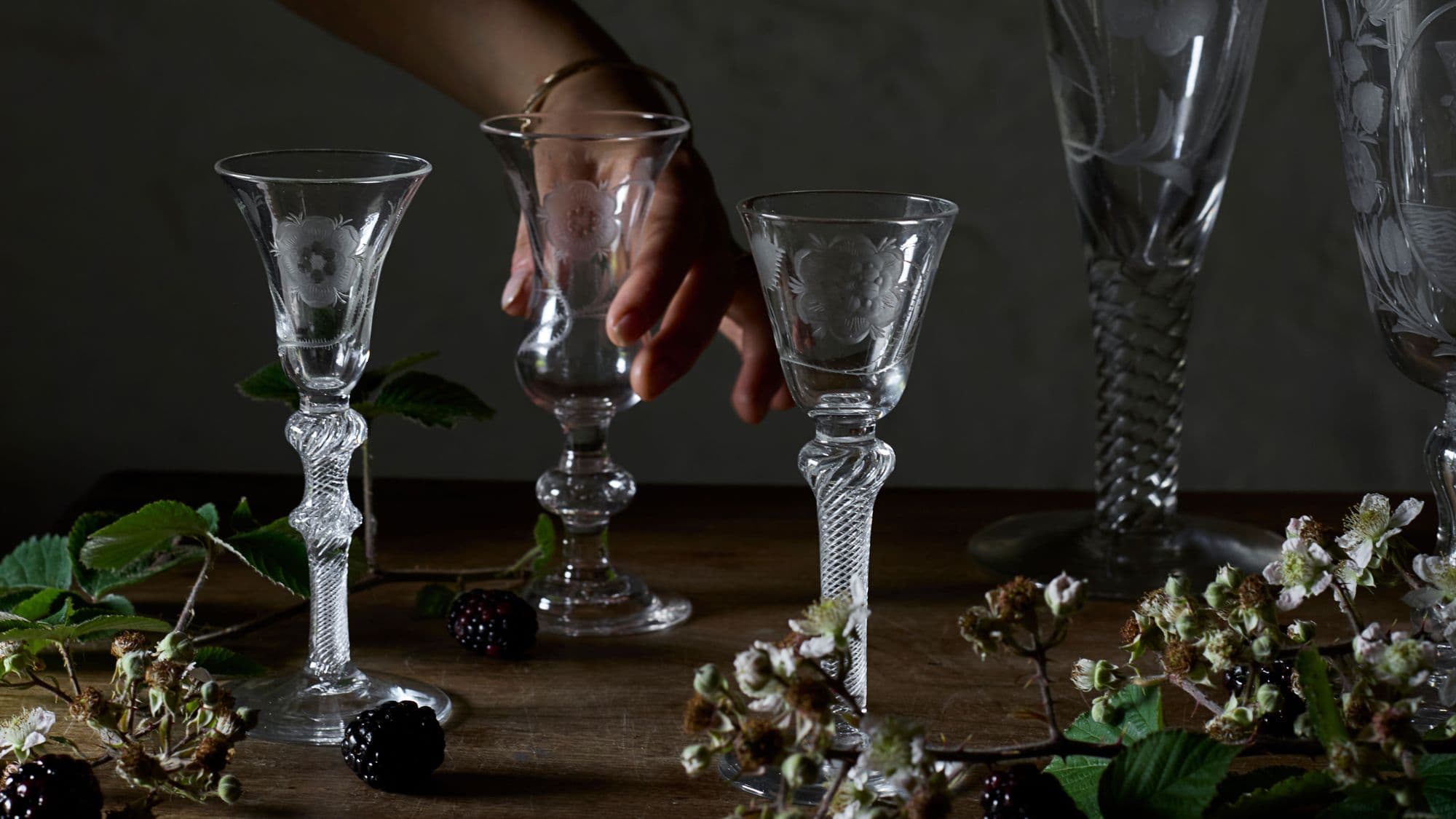
The white rose became one of the best-known symbols associated with Jacobitism and the Stuart cause. It appears particularly frequently on surviving Jacobite drinking glasses. In some examples, a fully opened rose is accompanied by one or more buds, allowing the decoration to refer not simply to the cause but to members of the Stuart succession.
A common interpretation identifies the open rose with James Francis Edward Stuart, son of James VII and II. An opening bud can represent his eldest son, Charles Edward Stuart, while a closed bud may represent Charles's younger brother, Henry Benedict Stuart. The decoration therefore presented the Stuarts not simply as individuals in exile but as a continuing dynasty.
What Do the Rosebuds on Jacobite Glasses Mean?
On Jacobite glassware, the relationship between the rose and its buds could convey the idea of succession. The open flower represented the established Stuart claimant, while the developing bud suggested the next generation waiting to succeed him. Charles Edward Stuart was central to this message because Jacobites regarded him as heir to his father's claim.
A second bud could refer to Henry Benedict Stuart, providing another branch of the Stuart line. This visual language made a simple floral design capable of carrying a distinctly political meaning.
What Did Oak Leaves Mean to the Jacobites?
Oak leaves and oak imagery also occur in Jacobite material culture. Their Stuart associations reached back to Charles II, who famously hid in an oak tree following his defeat at the Battle of Worcester in 1651 before escaping to continental Europe.
The Royal Oak subsequently became an established Stuart emblem. Its appearance on later Jacobite objects could therefore invoke the history of the dynasty as well as contemporary hopes for its restoration.
Why Does the Thistle Appear on Jacobite Objects?
The thistle, long associated with Scotland, appears on Jacobite glasses and other decorative objects. Its meaning can depend upon the wider decoration. A thistle by itself should not automatically be treated as evidence that an object is Jacobite, but when it appears alongside established Stuart imagery, inscriptions or other Jacobite devices it can form part of a broader symbolic scheme.
That distinction is important when interpreting historic objects. Specialists consider the combination of decoration, date, manufacture, inscriptions and provenance rather than identifying an object as Jacobite from a single motif.
Why Do Prince of Wales's Feathers Appear on Jacobite Objects?
The Prince of Wales's feathers could be used in reference to Charles Edward Stuart. Jacobites regarded Charles as the legitimate heir to his father, James Francis Edward Stuart, and therefore as the rightful Prince of Wales. Their appearance on an object could reinforce his position within the Stuart succession.
On surviving Jacobite glassware, the feathers can appear alongside roses and other emblems, creating a more explicit statement of support for Charles and his family's claim.
One of the most evocative Jacobite traditions was the toast to the 'King Over the Water'.
The phrase referred to the exiled Stuart claimant living across the Channel. A supporter could outwardly participate in a toast to 'the King' while privately directing the gesture towards the Stuart king they considered legitimate.
One tradition involved passing or holding a drinking glass over water during the toast, symbolically transferring it to the exiled Stuart monarch. The imagery even appears on later Jacobite glassware, with representations of a glass being toasted over water making the meaning of the ritual visible.
What Are Jacobite Drinking Glasses?
Jacobite drinking glasses are among the objects most closely associated with the material culture of the Stuart cause. Surviving examples can be engraved with combinations of roses, buds, oak leaves, thistles, stars, mottos and other symbols associated with Jacobitism. Some carry more explicit inscriptions or references.
They were functional objects as well as political ones. The act of drinking and toasting provided a natural setting in which loyalty could be expressed among sympathisers. Not every glass decorated with a rose or thistle is Jacobite, however. Attribution depends upon the complete decorative scheme, the date and manufacture of the glass, inscriptions and, where available, its provenance.
Did Air Bubbles in Jacobite Glasses Represent Tears?
One particularly romantic interpretation concerns air bubbles trapped within the stems of Jacobite glasses. These have sometimes been described as representing the tears of Jacobite supporters for the failure of the Stuart cause. It is a compelling story, but it should not be presented as established fact - this interpretation is considerably more speculative than the established meanings associated with motifs such as the rose.
That distinction is useful. Jacobite objects have been collected, discussed and romanticised for generations, and not every meaning attributed to them today can be demonstrated with the same degree of certainty.
How Did the Jacobites Use Medals?
Medals provided another way of presenting the Stuart claim and recording significant events in the history of the dynasty. A silver medal struck in 1688, for example, commemorated the birth of Prince James Francis Edward Stuart. The birth was politically crucial because it provided James VII and II with a male Catholic heir and established the prospect of a continuing Stuart succession.
Medals could continue that story long after the military Jacobite cause had faded. A later silver medal commemorating the death of Charles Edward Stuart in 1788 featured his younger brother Henry Benedict Stuart. In Jacobite eyes, Charles's death meant that the dynastic claim passed to Henry. The objects therefore did more than commemorate individual members of the family. They could present the Stuarts as an unbroken royal line.
Did Jacobitism End at Culloden?
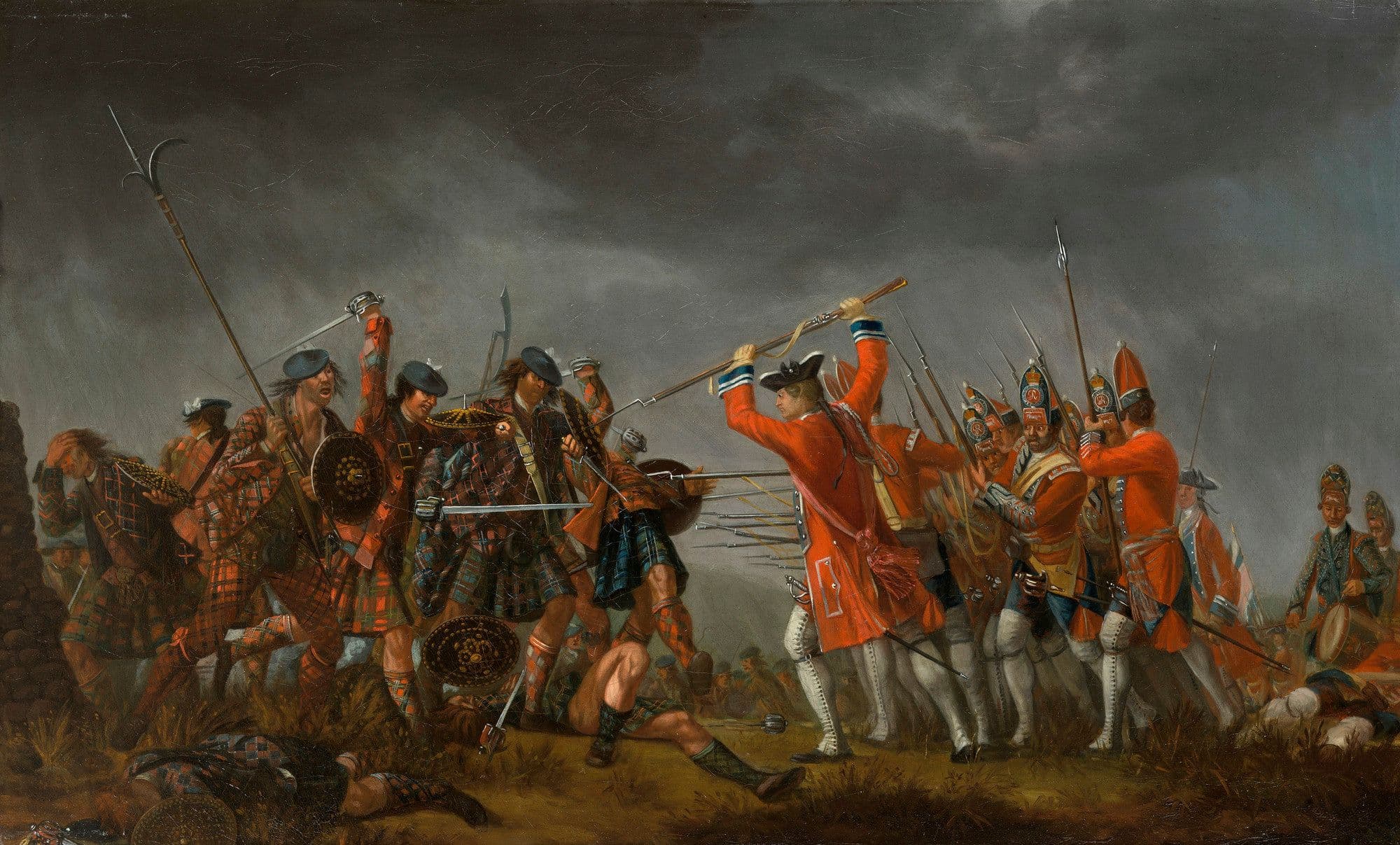
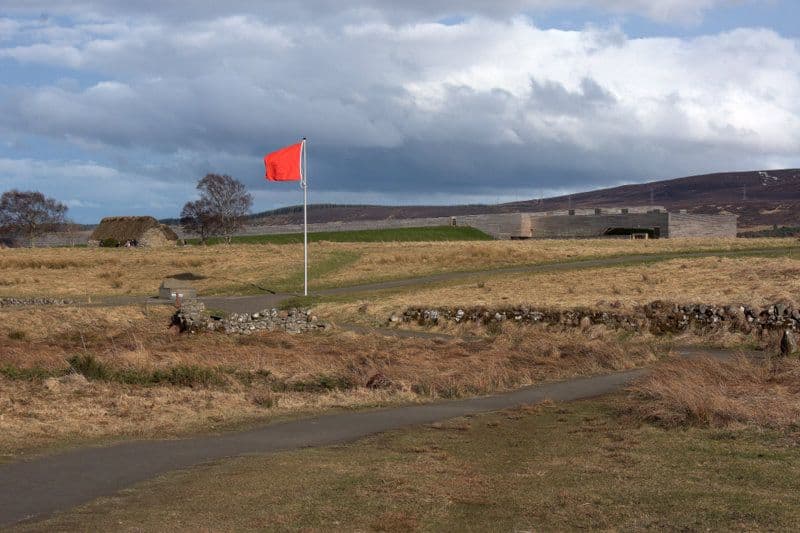
The Jacobite army was defeated at the Battle of Culloden on 16 April 1746, bringing the military campaign of the '45 to an end. Jacobite sentiment and the culture surrounding it did not disappear overnight. Objects continued to express attachment to the Stuarts later in the eighteenth century, although their meaning changed as the prospect of another successful restoration receded.
By the nineteenth century, Jacobitism had increasingly become the subject of historical and romantic interest rather than a realistic political movement. Jacobite clubs and societies drew on its imagery and traditions, and later drinking glasses could incorporate an abundance of roses, thistles, oak leaves and other established motifs.
Understanding when an object was made is therefore particularly important. A glass made for an eighteenth-century Stuart supporter and one produced decades later by a Jacobite club might share the same symbols while belonging to very different political and social worlds.
How Do You Recognise Jacobite Symbolism?
No single rose, thistle or oak leaf automatically makes an object Jacobite. When examining a possible Jacobite work of art, specialists look at the complete object and how its different elements relate to one another.
Particular attention is given to:
The combination of symbols, rather than one motif in isolation
Portraits or inscriptions referring directly to members of the Stuart family
The date of the object and where it sits within the history of the Jacobite cause
The form and manufacture, including whether it is consistent with known Jacobite material
Provenance, particularly where an object can be connected with known Jacobite families or collections
Context matters. A rose can simply be a rose. A rose accompanied by buds, Prince of Wales's feathers and an appropriate inscription on an eighteenth-century glass presents a much stronger case.
Jacobite Symbols and Their Meanings
Symbol
Common Jacobite association
White rose
The Stuart cause and, in some compositions, James Francis Edward Stuart
Opening rosebud
Charles Edward Stuart and the continuation of the Stuart succession
Closed rosebud
Often interpreted as Henry Benedict Stuart
Oak leaves
Stuart loyalty and the Royal Oak tradition associated with Charles II
Thistle
Scotland, particularly when combined with other Jacobite imagery
Prince of Wales's feathers
Charles Edward Stuart as the Jacobite heir
Glass over water
A toast to the exiled 'King Over the Water'
Star
Appears within Jacobite decorative schemes; meaning should be interpreted in context
Specialist
Colin Fraser
Consultant Specialist, Silver, Whisky and Arms & Armour
Department
Jacobite & Scottish Works of Art
Frequently Asked Questions
The white rose is one of the symbols most strongly associated with the Jacobite cause. It appears frequently on Jacobite drinking glasses and other objects, sometimes accompanied by rosebuds representing members of the Stuart succession.
The white rose became associated with the Stuart cause and was used as an emblem of Jacobite loyalty. On some objects, the flower and its buds were also used to represent members of the Stuart family.
An opening rosebud is commonly interpreted as representing Charles Edward Stuart, while a second closed bud can represent his younger brother, Henry Benedict Stuart.
A Jacobite glass is a drinking glass associated with supporters of the Stuart cause. Examples can carry engraved roses, oak leaves, thistles, mottos and other political symbols, although decoration must be considered alongside date, manufacture and provenance.
The 'King Over the Water' was a reference to the exiled Stuart claimant living in continental Europe. Jacobite supporters could use the phrase and associated drinking rituals to direct a toast towards the monarch they considered the rightful king.
Not always. Portraits, medals and some inscriptions could express Stuart allegiance quite openly, while other objects used imagery that allowed political meaning to be communicated less directly.
Yes. Jacobite imagery continued after the defeat at Culloden in 1746 and was later adopted by clubs, collectors and those interested in the romantic history of the Stuart cause.