Why Did the Jacobites Invade England?
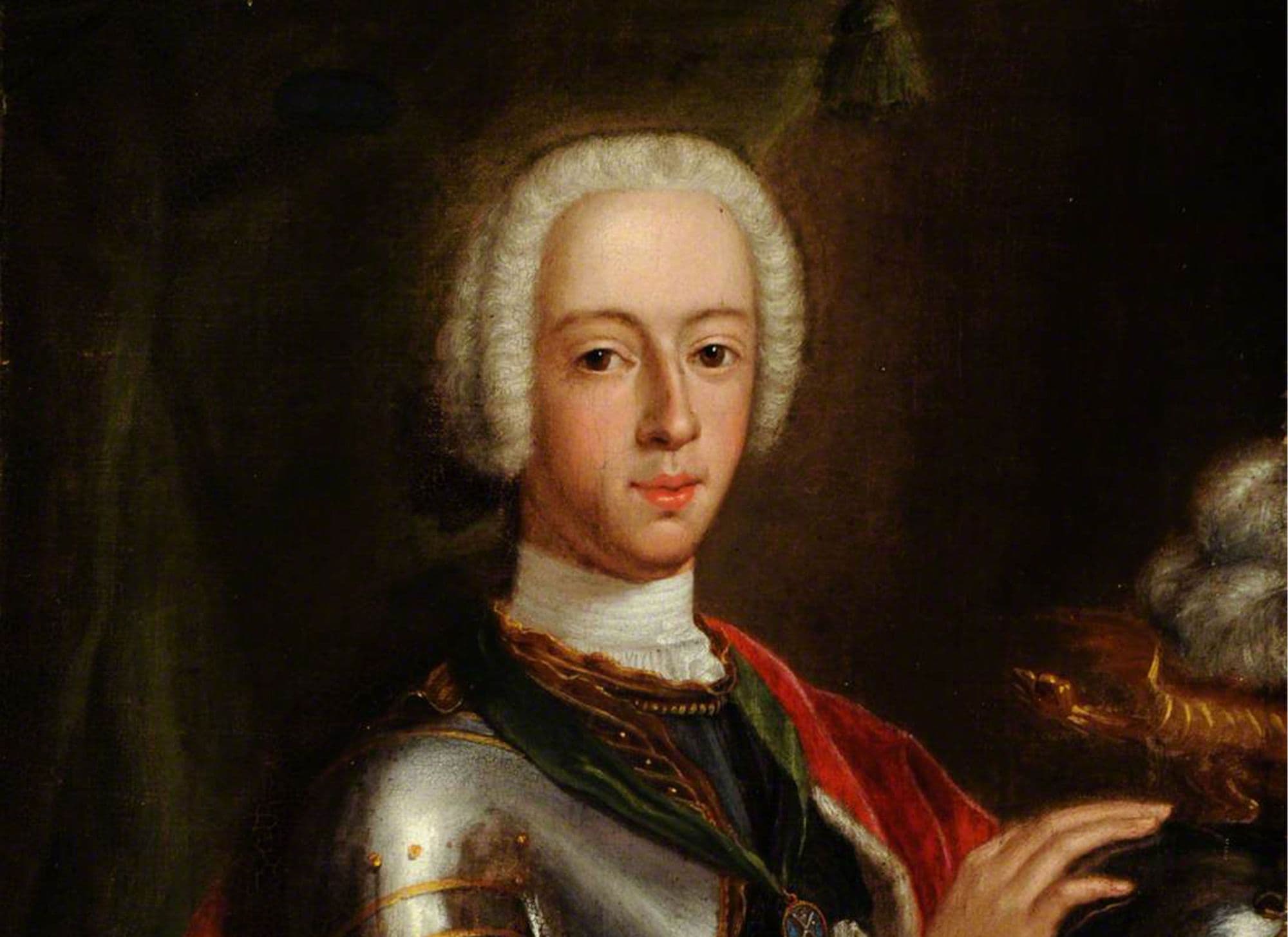
Following the victory at Prestonpans, the Jacobite leadership had to decide whether to consolidate its position in Scotland or continue south. Charles favoured the more ambitious course. He believed that an invasion of England would encourage English Jacobites to join the Rising and increase the prospect of French military support, with London and the restoration of the Stuarts remaining the ultimate objective.
In November 1745, the Jacobite army crossed the border. Carlisle surrendered, and the army continued south through Manchester towards Derby, while Government forces were moved into position to intercept the advance.
How Far Did Bonnie Prince Charlie Get?
The Jacobite army reached Derby on 4 December 1745, approximately 125 miles from London and the furthest south the main army would advance during the Rising.
For Charles, the proximity of the capital strengthened the case for continuing. His senior commanders were less convinced. The English Jacobite support they had hoped would emerge had been limited, substantial French military assistance had not materialised, and Government armies were moving against them. Reaching London was only part of the problem; the Jacobites also had to consider whether they could take the capital and maintain their position once there.
Why Did the Jacobites Retreat from Derby?
On 5 December, Charles and his senior commanders debated whether to continue towards London. Charles wanted to press on, but Lord George Murray and others argued that advancing further risked leaving the army trapped between Government forces without sufficient English or French support.
The decision to retreat from Derby has since become one of the most debated episodes of the 1745 Rising. The fact that the Jacobites were little more than 100 miles from London can make victory appear tantalisingly close, but their military position was considerably less straightforward. They were deep inside England, the support they had expected had not appeared in sufficient numbers and several Government forces remained in the field.
Charles strongly opposed the retreat but was unable to persuade his commanders. The army began its return north.
The Jacobite Retreat to Scotland
Despite the decision at Derby, the Jacobite army did not immediately collapse. It remained together during the march north while Government forces, including troops under the Duke of Cumberland, pursued it.
Following a rearguard action at Clifton, the main Jacobite army crossed back into Scotland on 20 December 1745. There it joined additional Jacobite forces raised during the campaign in England, along with troops in French service, and remained capable of continuing the campaign. Attention now turned to Stirling.
The Siege of Stirling Castle
In January 1746, the Jacobites began operations against Stirling Castle, an important Government stronghold. They occupied the town, but taking the castle itself proved much more difficult.
At the same time, a Government army commanded by Lieutenant-General Henry Hawley advanced from Edinburgh. The Jacobites moved to meet it near Falkirk, where the two armies fought on 17 January.
The Battle of Falkirk Muir
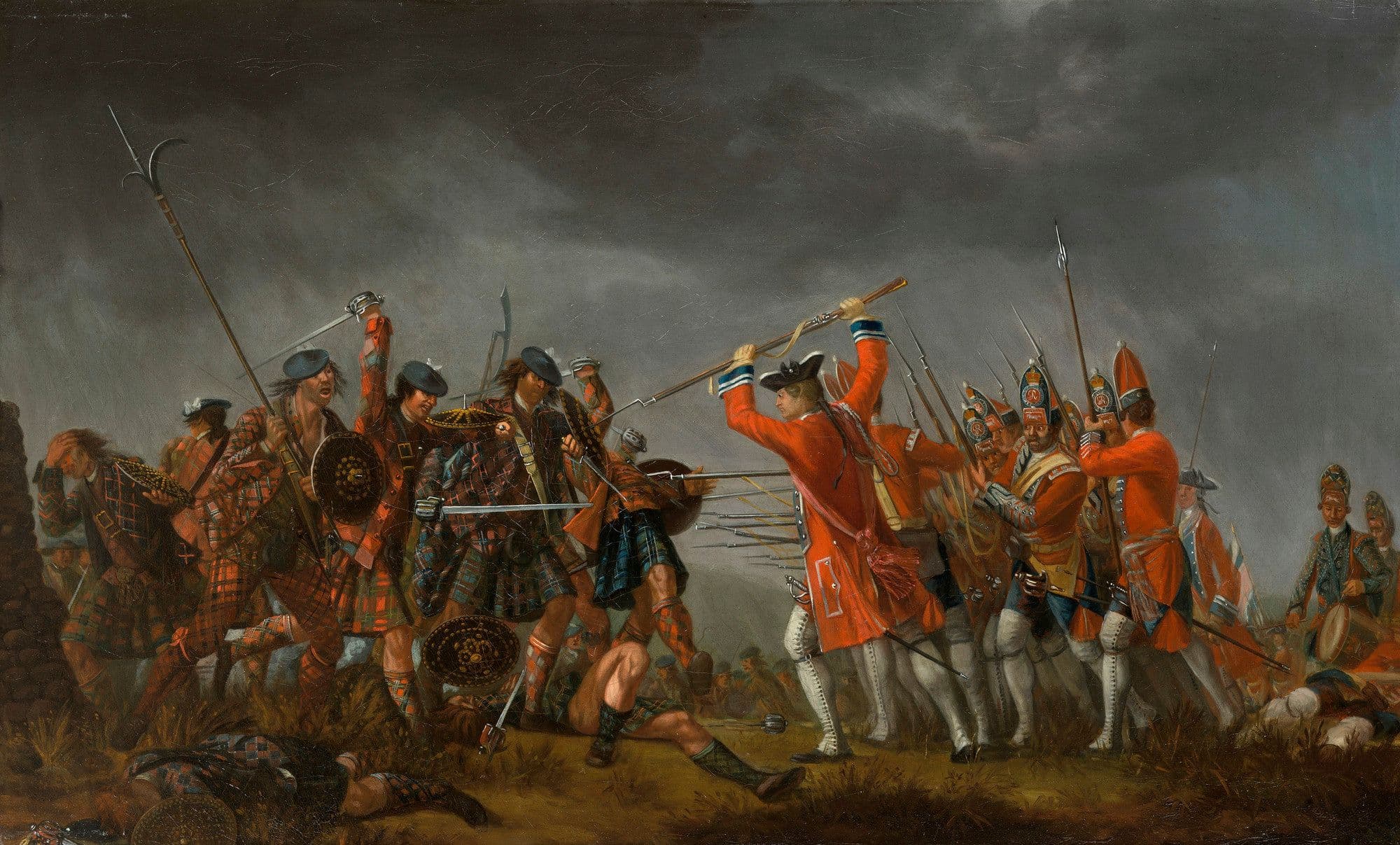
The Battle of Falkirk Muir, fought on 17 January 1746, brought the Jacobites another victory. The battle took place in difficult conditions, with strong wind and rain affecting both armies, and ended with Government troops withdrawing towards Edinburgh.
Falkirk was a significant military success, but it did not have the same effect on the campaign as Prestonpans. The Jacobites had defeated another Government army, yet the wider problems facing them remained.
Why Didn't the Victory at Falkirk Save the Jacobite Rising?
By early 1746, the Jacobites were struggling with money, food and supplies, while the attempt to take Stirling Castle had made little progress. The Government, meanwhile, was able to regroup and replace its losses.
The Jacobite leadership therefore decided to abandon the siege and withdraw north, despite Charles's opposition. On 1 February 1746, the army began moving towards the Highlands and by later that month Jacobite forces were established around Inverness.
The campaign had changed considerably since the victories at Edinburgh and Prestonpans. Although the Jacobites had won again at Falkirk, they were now moving away from central Scotland while the Government prepared a renewed campaign against them.
From Falkirk to Culloden
During the following weeks, fighting continued across the Highlands and north-east, but maintaining the Jacobite army became increasingly difficult. Supplies and money were short, while Government forces were being reorganised under the Duke of Cumberland, who spent the early months of 1746 at Aberdeen preparing for the next stage of the campaign.
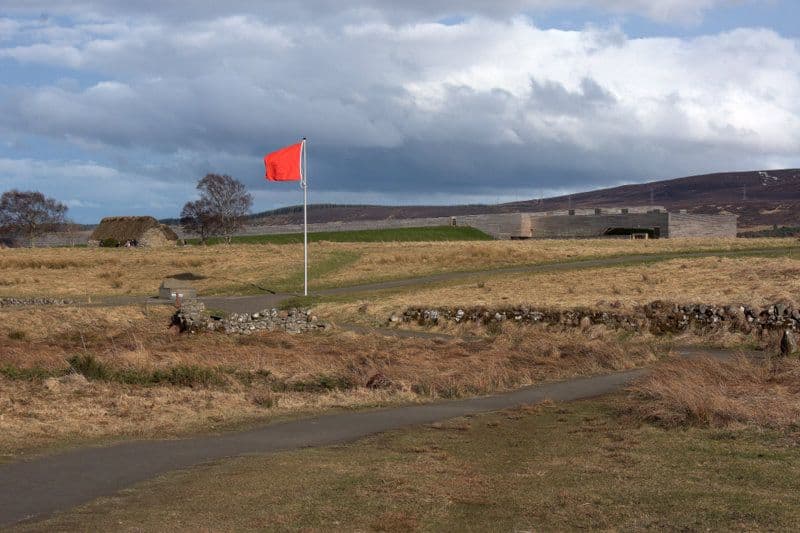
In April, Cumberland's army began its advance towards Inverness, where the main Jacobite force was concentrated. Charles's campaign had taken his army from Glenfinnan to Edinburgh, through England as far as Derby and back to victories at Falkirk, but the military situation was now very different from the one the Jacobites had faced after Prestonpans.