What Happened After the Jacobite Rising of 1715?
The 1715 Rising had ended badly for the Jacobites. The Battle of Sheriffmuir on 13 November had failed to produce the decisive victory the Jacobites needed, while another Jacobite force surrendered to Government troops at Preston the following day.
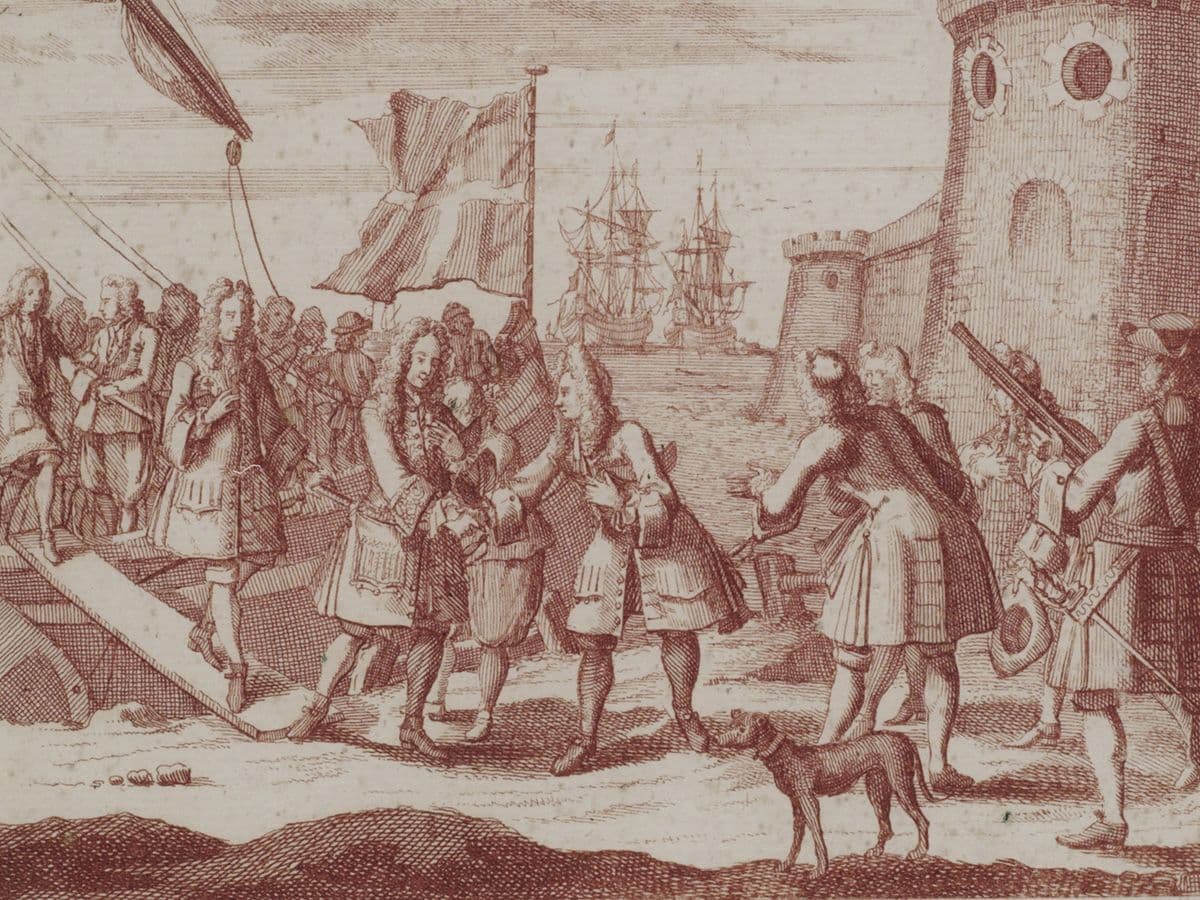
James Francis Edward Stuart, son of the deposed James VII and II, arrived in Scotland in December 1715, but the campaign was already losing momentum. By February 1716, James and the Earl of Mar had left Scotland for continental Europe. Many other prominent Jacobites also went into exile. But defeat did not mean that the Stuart claim had been abandoned.
From abroad, James continued to present himself as the rightful king, while Jacobite supporters maintained networks in Scotland, England and elsewhere.
The Jacobite Court in Exile
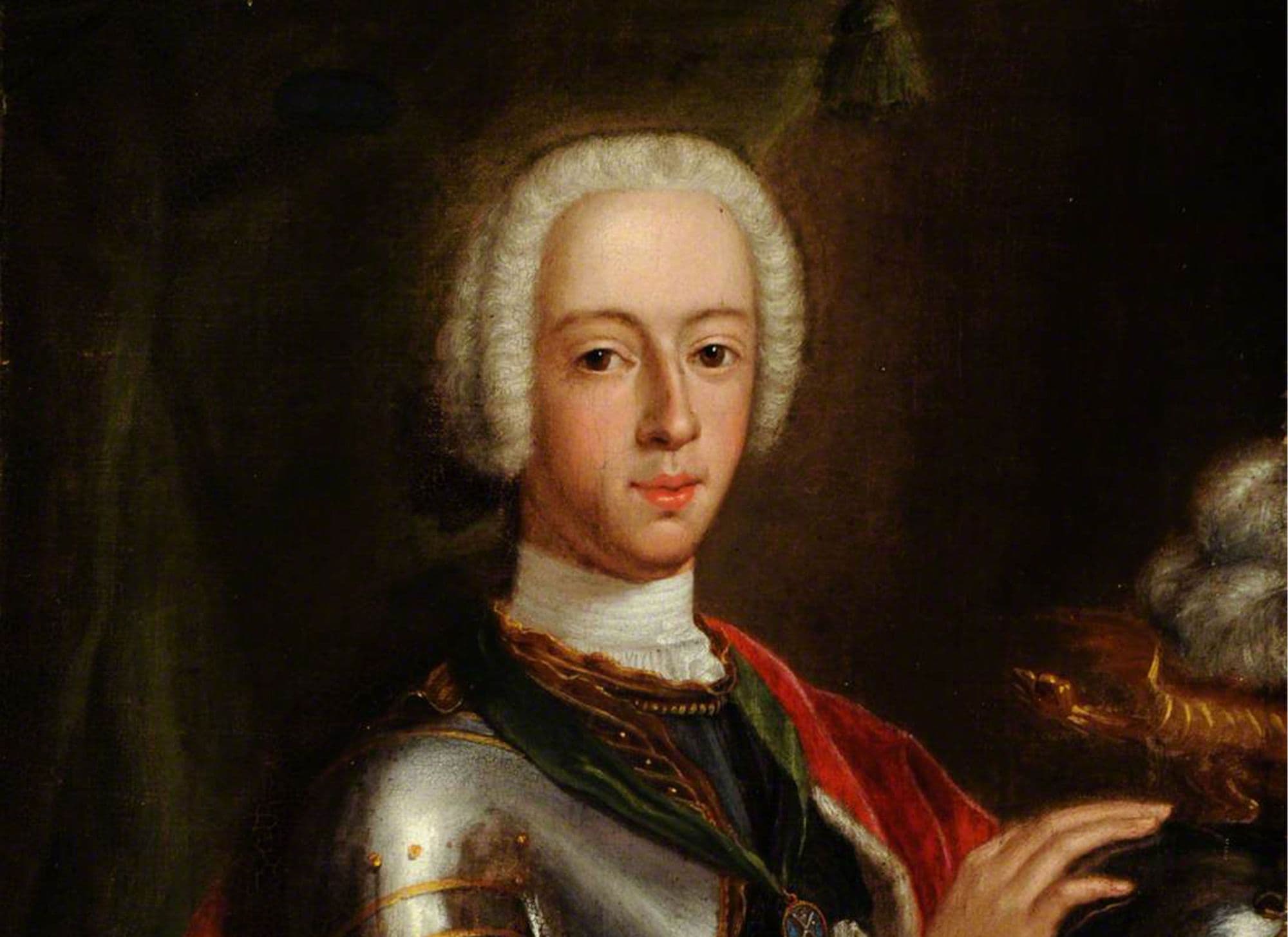
After leaving Scotland, James Francis Edward Stuart eventually established his court in Rome, where he received papal support and continued to live as a king in exile.
The court provided a focal point for the Jacobite movement. Supporters visited from Britain and elsewhere in Europe, while portraits, medals and other objects helped present the Stuarts as a continuing royal dynasty rather than a defeated political cause.
Jacobitism was also closely connected to European politics. France and Spain periodically saw advantages in supporting the Stuarts when they were at war with Britain. That international dimension led directly to another attempt to challenge the Hanoverian government.
What Was the Jacobite Rising of 1719?
The Jacobite Rising of 1719 was backed by Spain and formed part of a much larger plan to invade Britain. Spain was then at war with Britain and supported a scheme involving Jacobite exiles. The main invasion force intended for England was dispersed by storms, but a smaller expedition reached the west coast of Scotland.
Several hundred Spanish troops landed and were joined by Jacobite Highlanders. Unlike the much larger Rising of 1715, the campaign never gained sufficient momentum to threaten the Government seriously. The opposing forces met in the Highlands in June.
What Happened at the Battle of Glen Shiel?
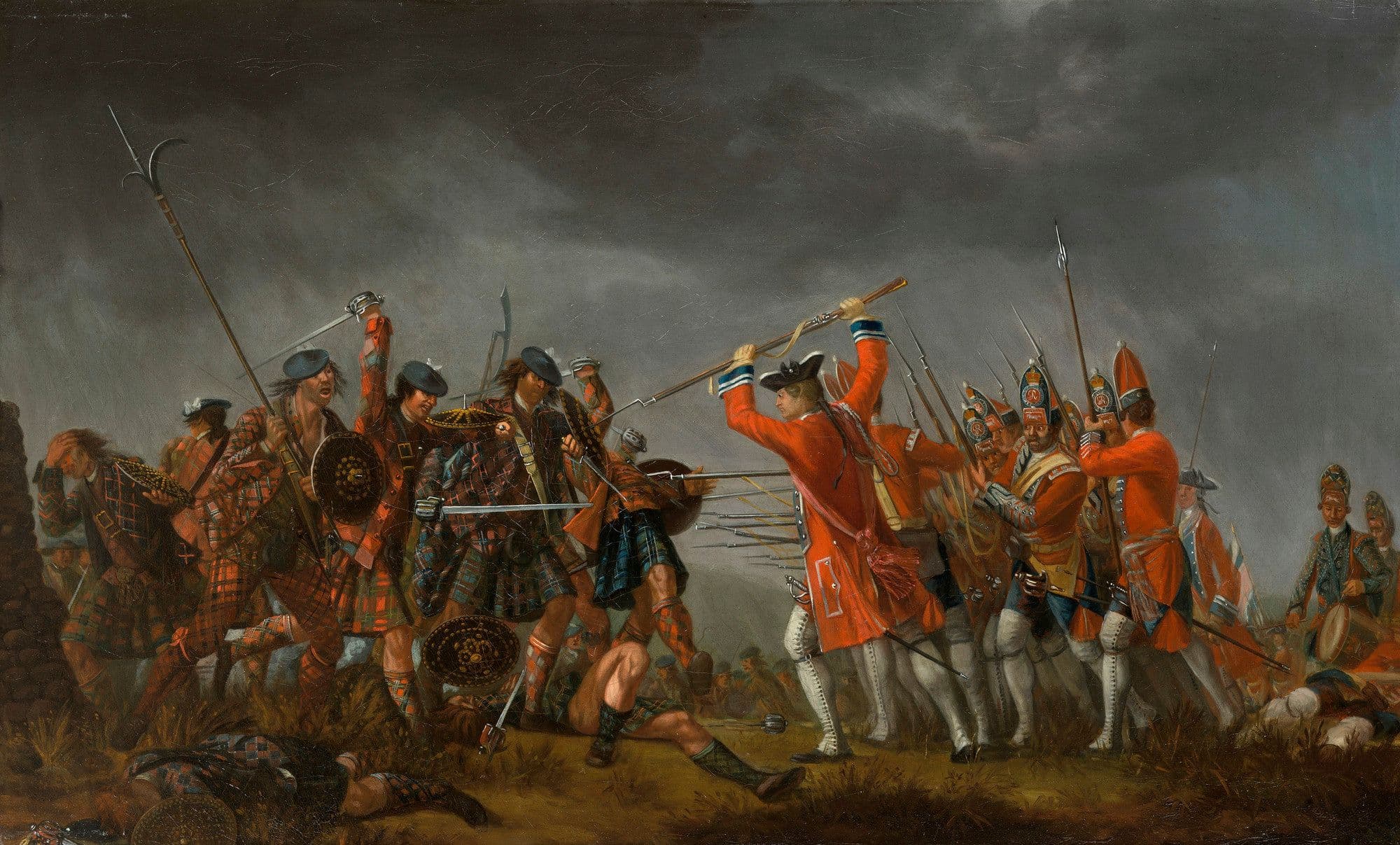
The Battle of Glen Shiel was fought on 10 June 1719. Jacobite and Spanish forces occupied defensive positions in the glen, where they were attacked by a Government army. After several hours of fighting, the Jacobite position collapsed. The Spanish troops surrendered the following day, while many of their Highland allies dispersed. The defeat brought the Rising of 1719 to an end.
Although considerably smaller than the campaigns of 1715 and 1745, the '19 is an important part of the Jacobite story. It demonstrates both the continuing determination of Jacobite supporters and the extent to which hopes of a Stuart restoration depended upon international politics.