Why Is Provenance Important When Valuing Islamic Art?
At Lyon and Turnbull, we consider a clear paper trail and solid family ownership history to be absolutely vital for driving market value. When we evaluate items that have remained in the same private collection or country house for decades, we know they will generate strong enthusiasm among our buyers. Crucially, our team checks this documentation to ensure compliance with cultural heritage laws, allowing us to safely clear your object for auction and give local and international bidders complete peace of mind.
How Do Rarity and Craftsmanship Affect Islamic Art Values?
When we assess an object, we look for pieces that display excellent craftsmanship and commercial appeal. While the absolute masterpieces usually end up in national museums, we define rarity by how unusual an item is for the current market. If we uncover an unrecorded variation of a popular style such as a beautifully decorated ceramic or a well-preserved text, we recognise its potential to surprise the room and spark a passionate bidding war on auction day.
Condition and Restoration: What Islamic Art Specialists Look For
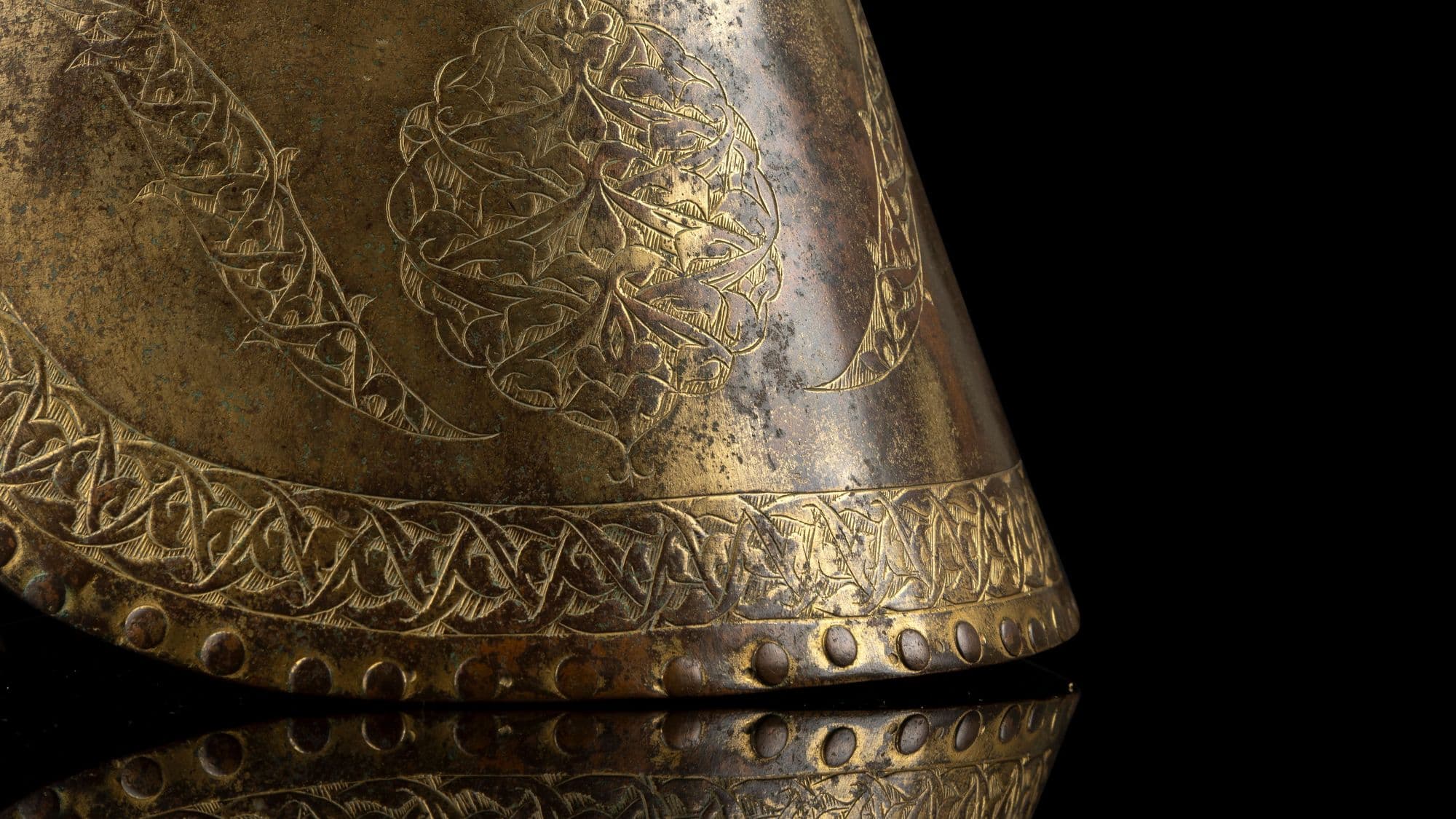
Our specialists carefully inspect every artifact for structural integrity, old repairs, and later touch-ups. While we fully expect to see honest wear and tear on centuries-old objects, we look closely for clumsy modern restorations, hidden cracks, or re-gilding that can negatively impact a piece's estimate. For everyday estate items and fragile decorative arts alike, being open and transparent about condition helps us set realistic reserves that protect your investment while attracting active bidding.
How Do Specialists Authenticate and Date Islamic Art?
To ensure we properly describe your property, we use standard authentication methods and consult external regional experts when needed. In tandem, we work to translate any Arabic calligraphy, signatures, or dates present on the piece. Uncovering a specific craftsman’s mark or a clear date hidden within the decoration allows us to elevate the item's historical context, moving it out of the general decorative category and into a specialised collector bracket.