The Abbasid Golden Age (750-1258)
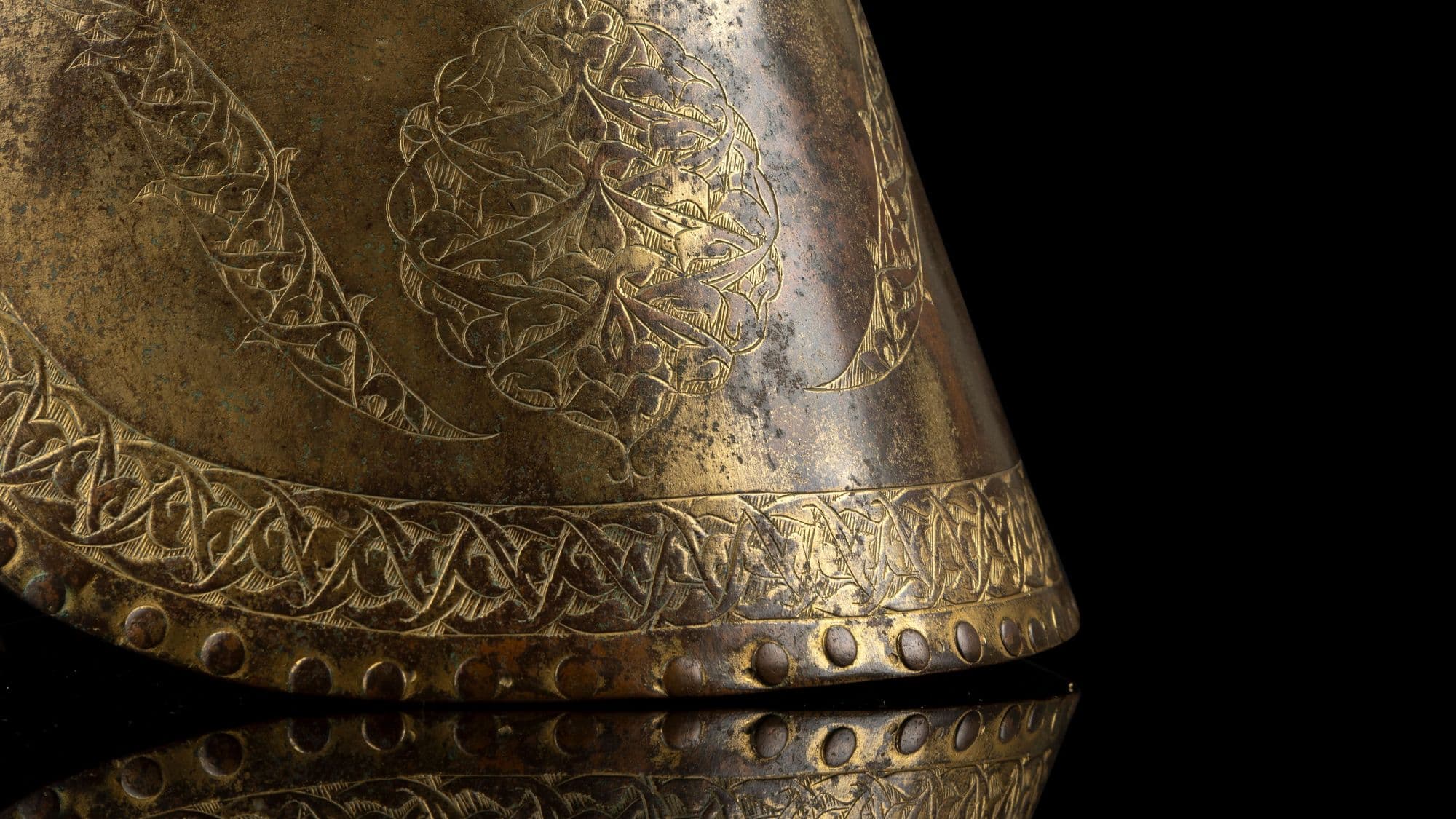
During the Abbasid period, the Islamic world entered an era of extraordinary cultural and intellectual achievement. The Abbasid capital of Baghdad became one of the greatest centres of learning in the medieval world, attracting scholars, scientists, poets, and artists from across the known world. Artistic production flourished as craftsmen developed sophisticated techniques in ceramics, glass, textiles, metalwork, and manuscript production. Decorative styles became increasingly refined, with intricate geometric patterns and flowing vegetal designs appearing on architecture and luxury objects alike. This period also witnessed important developments in Arabic calligraphy, which emerged as one of the most respected artistic forms in Islamic civilisation.
Islamic Spain and North Africa (711-1492)
In the western Islamic world, particularly in Spain and North Africa, Islamic art developed a distinctive regional character. Muslim Spain, known as al-Andalus, became a centre of artistic, scientific, and cultural exchange between the Islamic world and Europe. The Great Mosque of Córdoba, begun in 785, and the Alhambra Palace in Granada, largely constructed during the thirteenth and fourteenth centuries, represent some of the greatest achievements of this period. Their interiors are adorned with delicate carved stucco, colourful tilework, elegant calligraphy, and sophisticated geometric ornament. The artists of al-Andalus demonstrated a remarkable ability to combine architecture, decoration, water, and light to create harmonious and visually stunning spaces.
The Persian and Central Asian Renaissance (c. 1200-1700)
Persian culture played a profound role in shaping the artistic traditions of the Islamic world. Following the Mongol invasions of the thirteenth century, Iran and Central Asia emerged as leading centres of artistic innovation under dynasties such as the Ilkhanids, Timurids and Safavids. Persian artists elevated manuscript illustration and miniature painting to unprecedented levels of sophistication, producing richly coloured scenes depicting literature, history, courtly life, and epic poetry. Famous works such as illustrated copies of the Shahnameh (Book of Kings) demonstrate the extraordinary skill of Persian painters. The region also became renowned for its carpets, textiles, and metalwork, many of which were traded internationally and admired throughout Europe and Asia.
The Ottoman Empire (1299-1922)
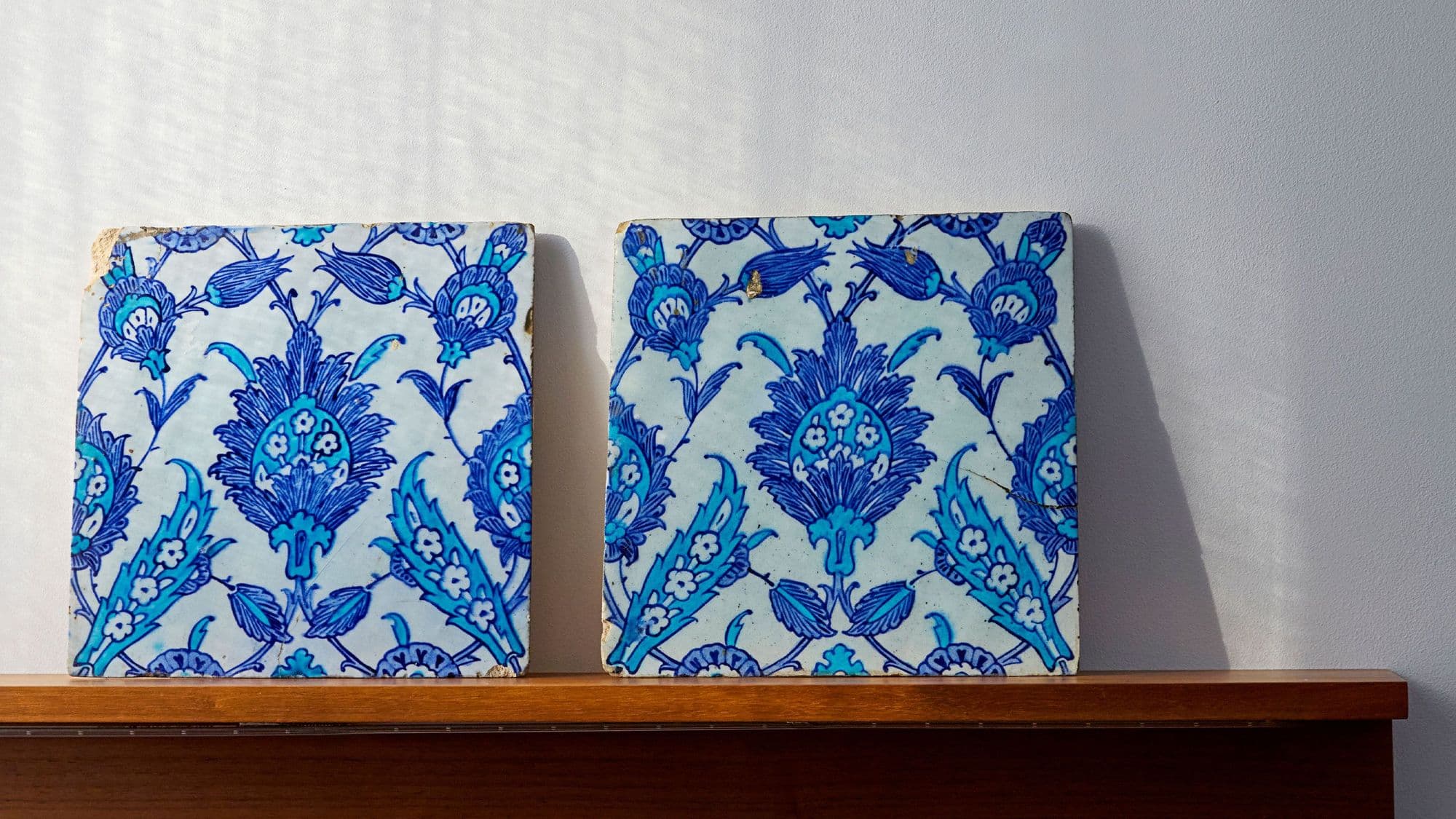
The rise of the Ottoman Empire ushered in another great chapter in the history of Islamic art. Centred on Constantinople, later renamed Istanbul, the Ottoman state controlled vast territories across southeastern Europe, the Middle East, and North Africa. Ottoman architects created monumental mosque complexes distinguished by soaring domes, graceful minarets, and carefully balanced proportions. Under Suleyman the Magnificent during the 16th century, the architect Sinan, designed some of the empire's most celebrated buildings, including the Süleymaniye Mosque in Istanbul. Imperial court potters were commissioned to create brightly coloured elegant tiles to decorate the interior and exterior of these mosques. This brought about the emergence of Iznik as the centre of ceramic production. Ottoman court artists (Nakkashane) also excelled in calligraphy, manuscript illumination and textile production.
The Mughal Empire in India (1526-1858)
In South Asia, the Mughal Empire developed an artistic tradition that combined Islamic, Persian, and Indian influences. Mughal rulers became important patrons of architecture, painting, and the decorative arts, encouraging the creation of works that blended diverse cultural traditions. Mughal painters adopted a highly naturalistic style that captured portraits, court ceremonies, gardens, and wildlife with remarkable detail. Architecture flourished under imperial patronage, culminating in the construction of the Taj Mahal between 1632 and 1653. Built by Emperor Shah Jahan as a memorial to his wife Mumtaz Mahal, the Taj Mahal is celebrated for its harmonious proportions, white marble surfaces, and exquisite decorative details.
Illustrated above: Dome on the Rock, Ralf Roletschek (GFDL 1.2 or FAL), via Wikimedia Commons, | Window, Nasrid motto, Cuarto Dorado, Alhambra, Granada, Jebulon, CC0, via Wikimedia Commons | The Great Mosque of Damascus © Vyacheslav Argenberg, CC BY 4.0, via Wikimedia Commons | Córdoba, Spain: A Moorish Gate of the Mosque of Cordoba (la Mezquita-Catedral de Córdoba). Photo by CEphoto, Uwe Aranas |