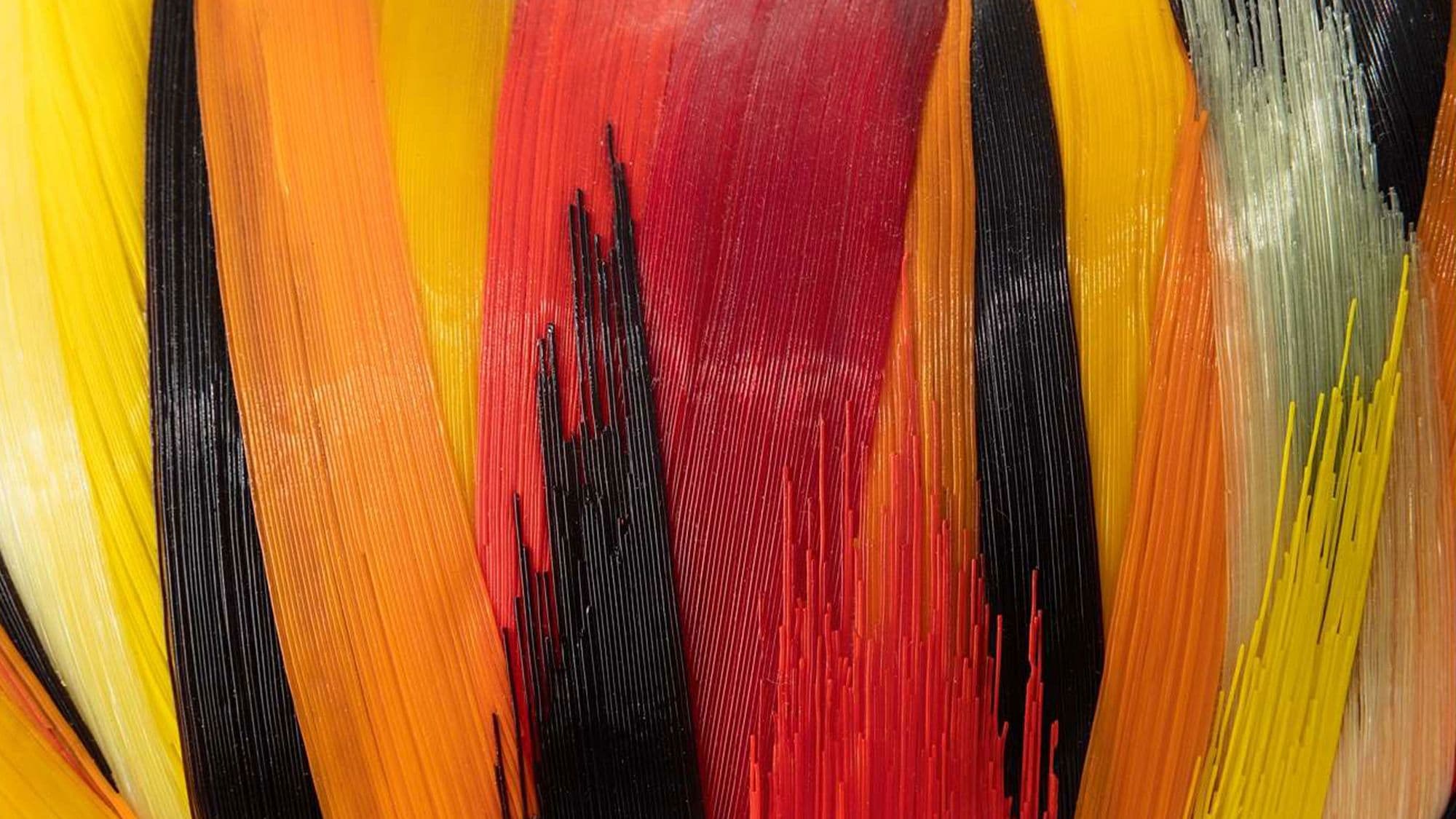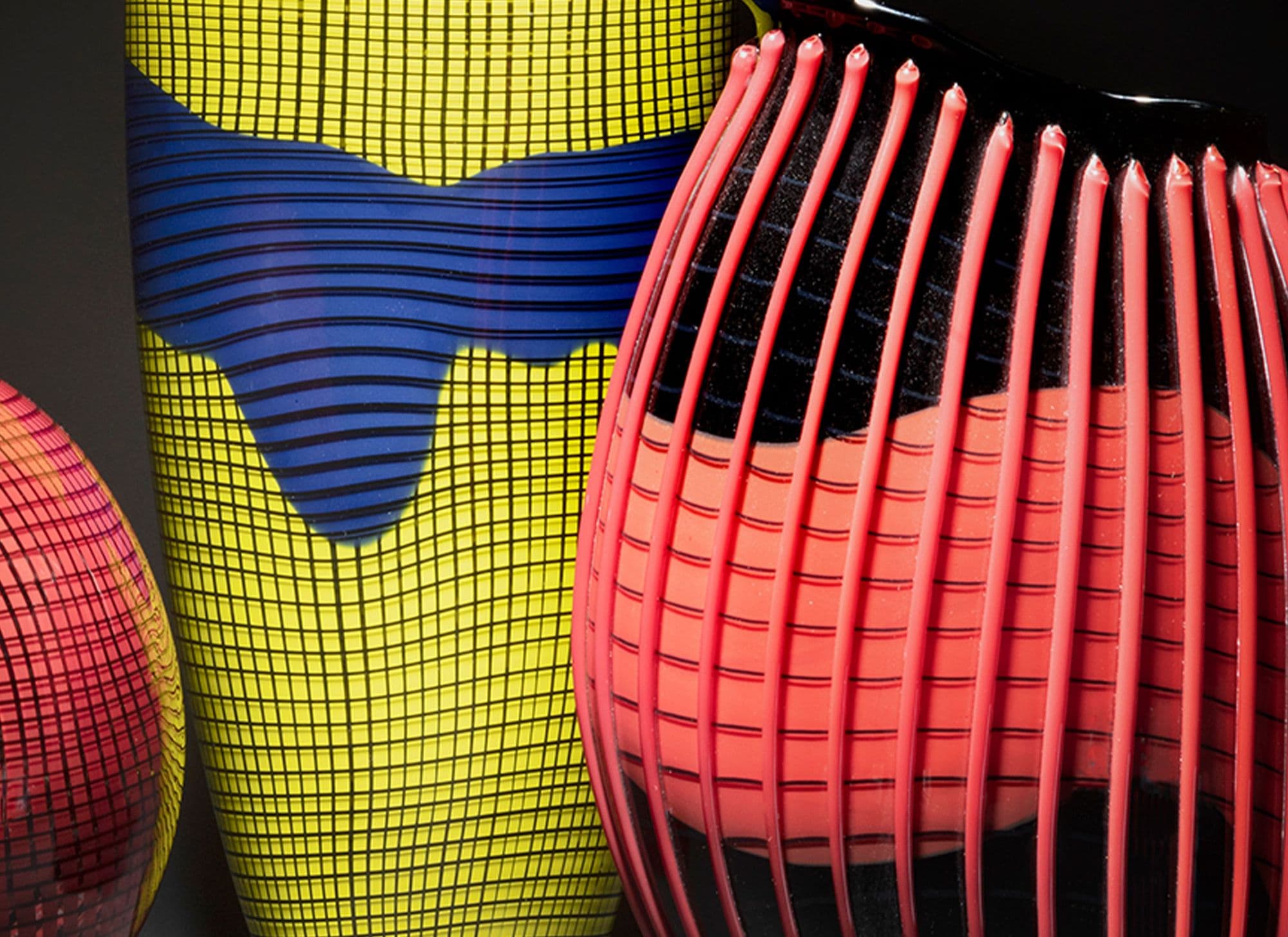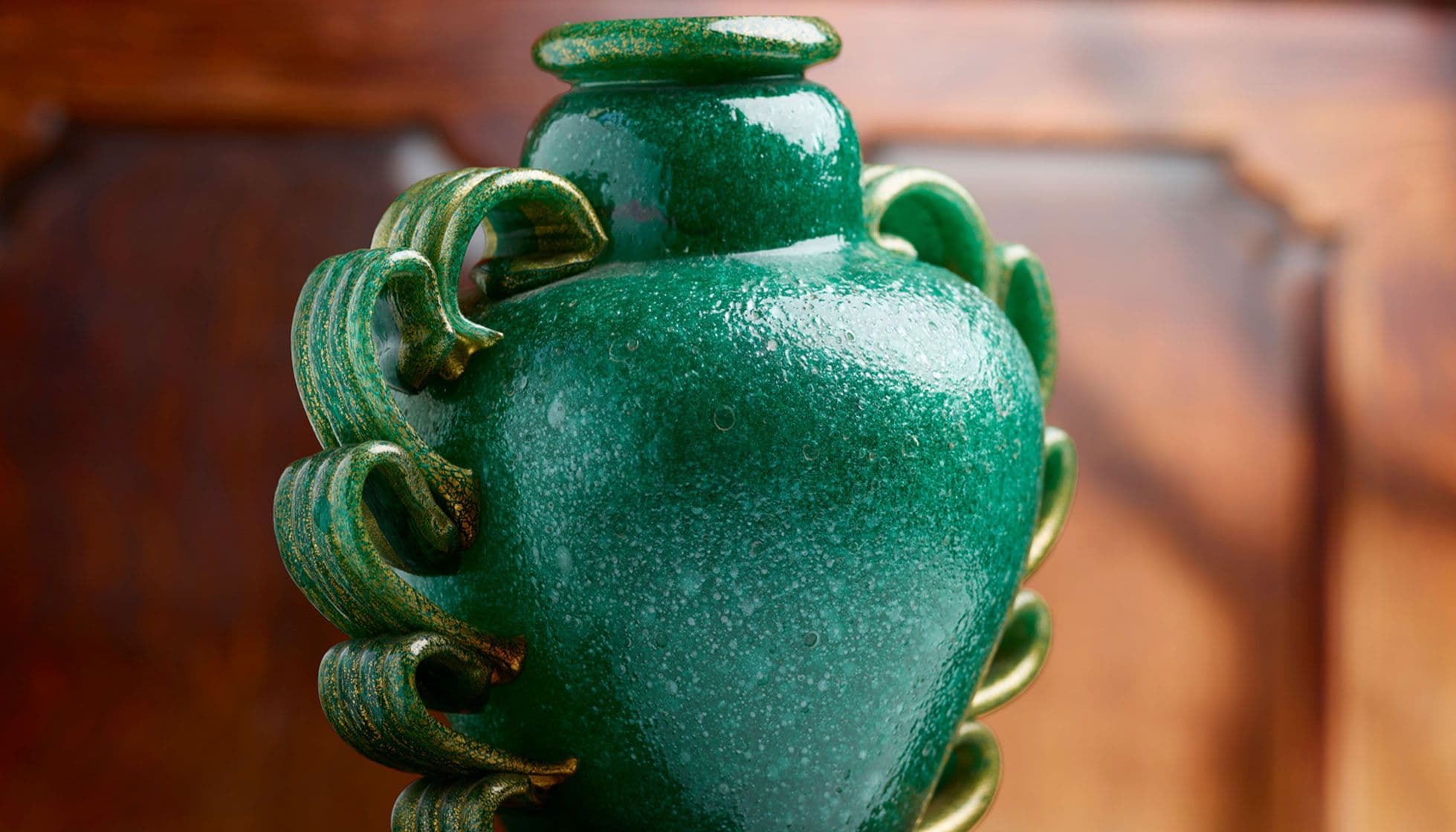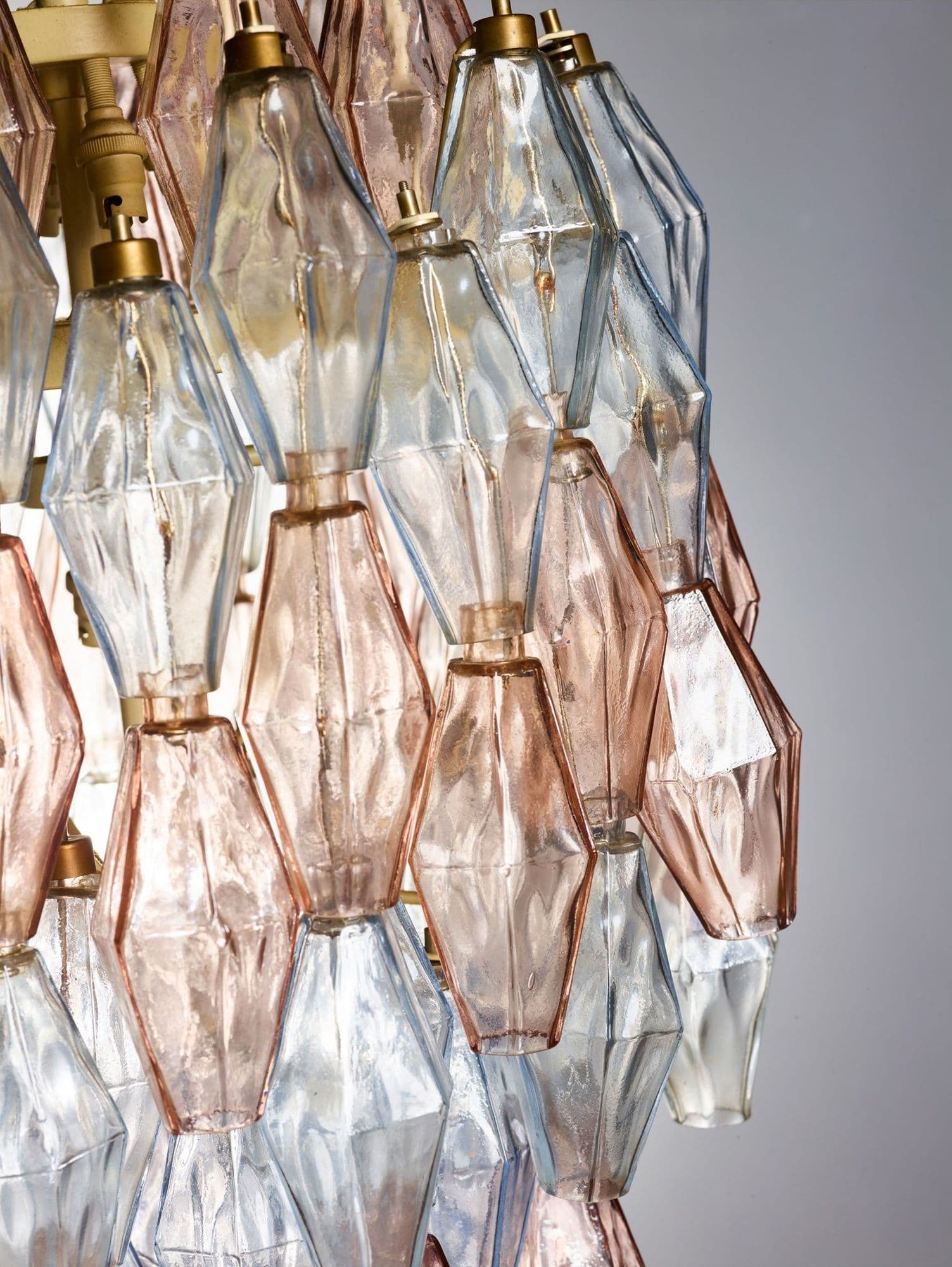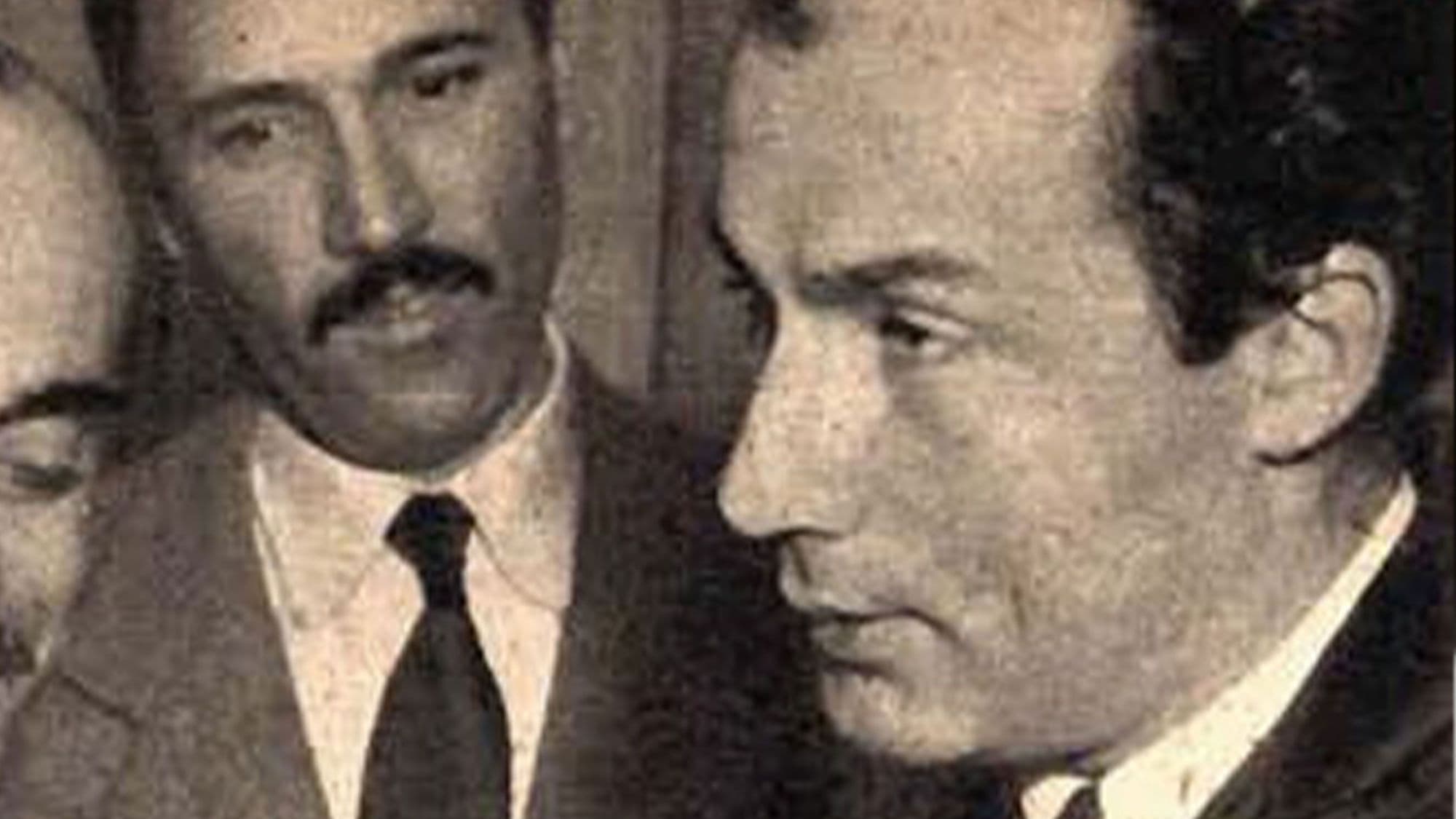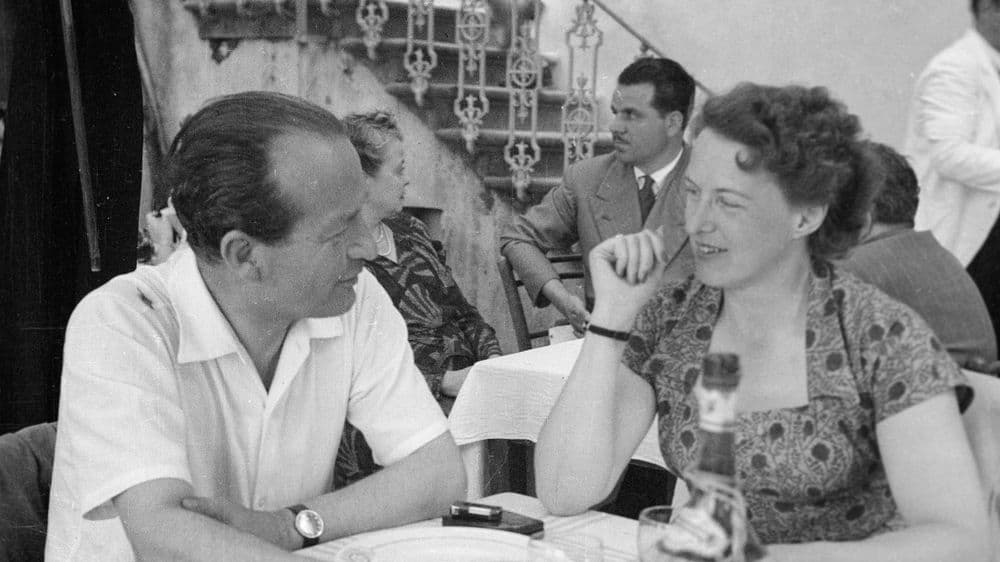
Paolo Venini was one of the most influential figures in 20th-century Italian glass design and a central force in the modern revival of Murano glass. Combining traditional Venetian craftsmanship with modernist aesthetics, Venini helped redefine glass as both a functional and artistic medium, bridging historic techniques with contemporary design.
Trained as a lawyer, Venini entered the world of glassmaking in 1921 when he co-founded Vetri Soffiati Muranesi (V.S.M. Venini & C.) on Murano. Under his direction, the firm became synonymous with innovation, precision and refined taste. Venini encouraged experimentation with colour, form and technique, while maintaining the highest standards of craftsmanship.
Throughout the 1920s and 1930s, Venini collaborated with leading architects and designers, including Gio Ponti, Tomaso Buzzi, Carlo Scarpa and Napoleone Martinuzzi, producing works that ranged from elegantly simple vessels to boldly sculptural forms. His designs often emphasised clarity of line, controlled geometry and luminous colour, introducing techniques such as incalmo, lattimo and murrine into modern design contexts.
Venini glass was exhibited internationally and featured prominently at major exhibitions, including the Venice Biennale and the Triennale di Milano, establishing Murano as a centre of modern design. Following Venini’s death in 1959, the firm continued his legacy, remaining one of the most celebrated glassmakers in the world.
Today, Paolo Venini’s work is represented in major museum collections, including the Victoria and Albert Museum, The Metropolitan Museum of Art, and The Museum of Modern Art, and remains highly sought after by collectors of modern design and studio glass.
Illustrated: Göran Schildt, CC BY 4.0, via Wikimedia Commons