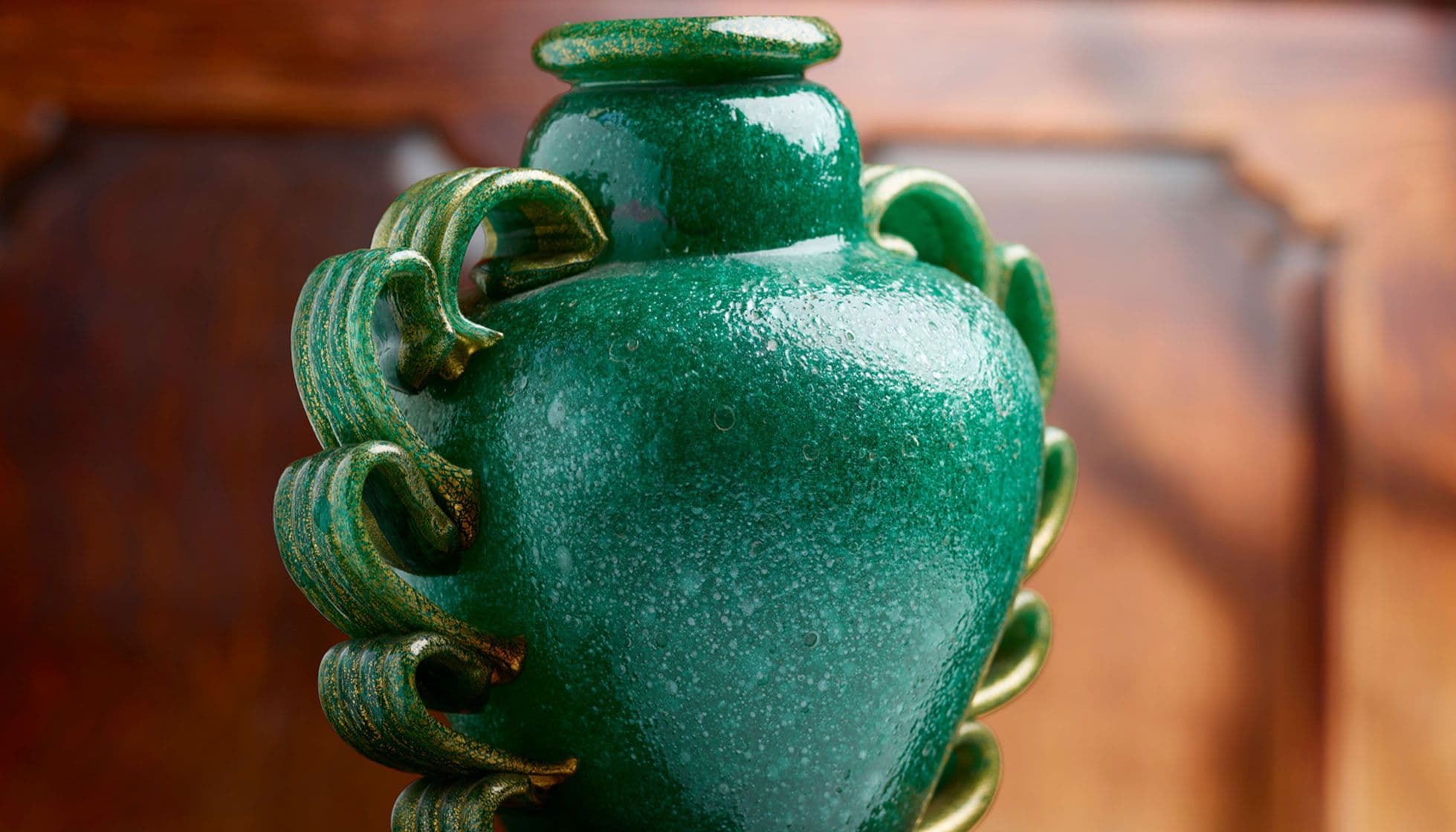
Fulvio Bianconi was one of the most influential Italian glass designers of the twentieth century, best known for his groundbreaking work in Murano glass during the post-war period. His designs played a central role in redefining Venetian glassmaking for the modern age, combining traditional techniques with bold colour, graphic pattern and sculptural form.
Born in Ponte di Brenta, Italy, Bianconi initially trained as a graphic designer and illustrator. This background strongly informed his approach to glass, setting him apart from many of his contemporaries. Rather than focusing solely on form, Bianconi treated glass as a visual medium, using colour blocking, surface decoration and pattern to striking effect.
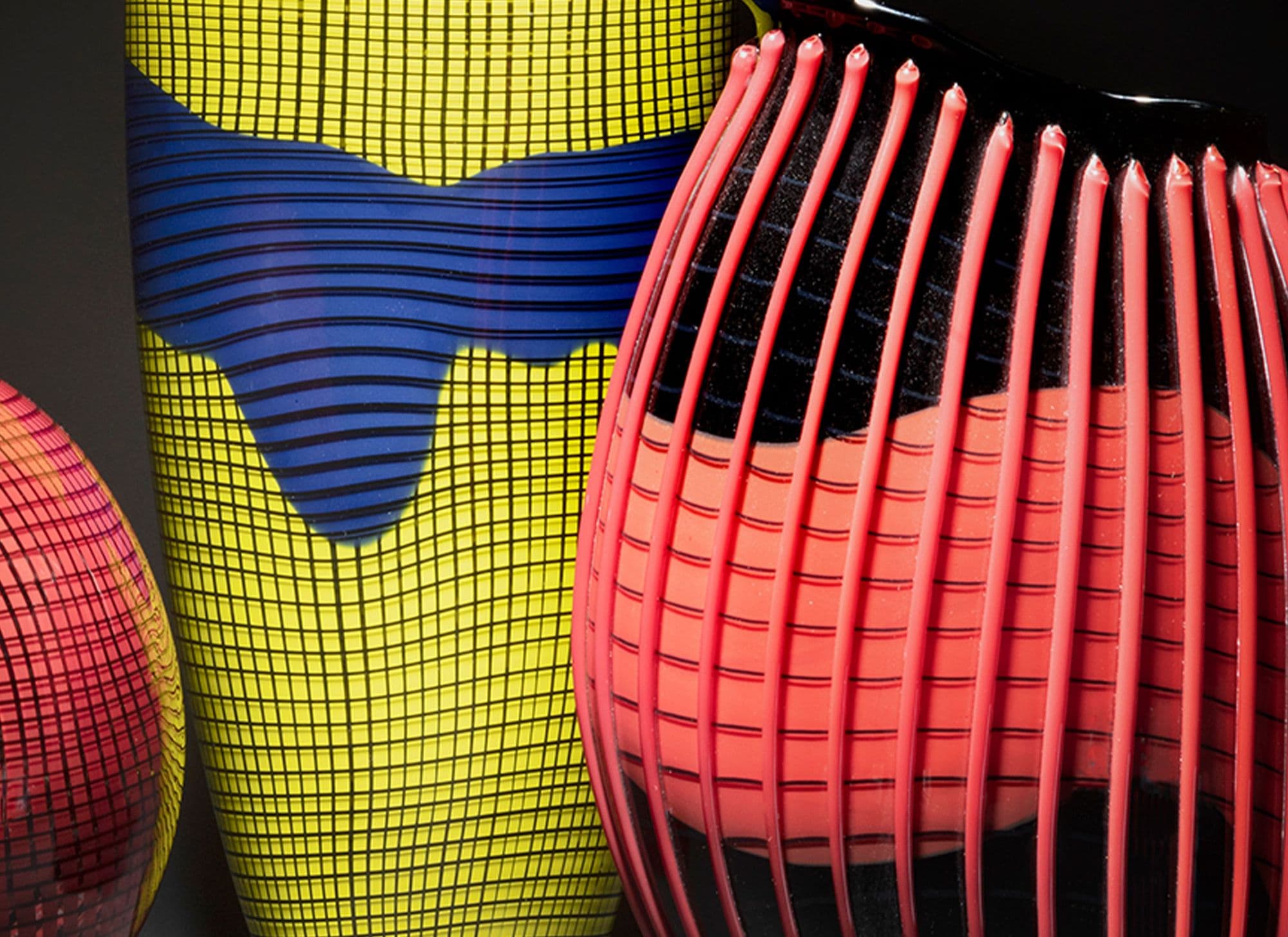
Bianconi is most closely associated with Venini, where he worked from the late 1940s. During this period, he produced some of his most celebrated designs, including the Pezzato series, characterised by its patchwork of coloured glass fragments, and the A Canne and Scozzese patterns. These works exemplified his ability to push traditional Murano techniques in new, expressive directions while retaining exceptional craftsmanship.
In 1950, Bianconi co-founded Vetreria Bianconi–Venini (later Vetreria Bianconi) and later established Il Vetro di Murano Fulvio Bianconi, further developing his distinctive design language. His work was widely exhibited internationally and featured in important design exhibitions, including the Venice Biennale and Milan Triennale.
Bianconi’s glass is notable for its confidence and immediacy, often playful yet technically sophisticated. His designs reflect the optimism of post-war Italian design and sit comfortably alongside the work of contemporaries such as Gio Ponti, Carlo Scarpa and Paolo Venini.
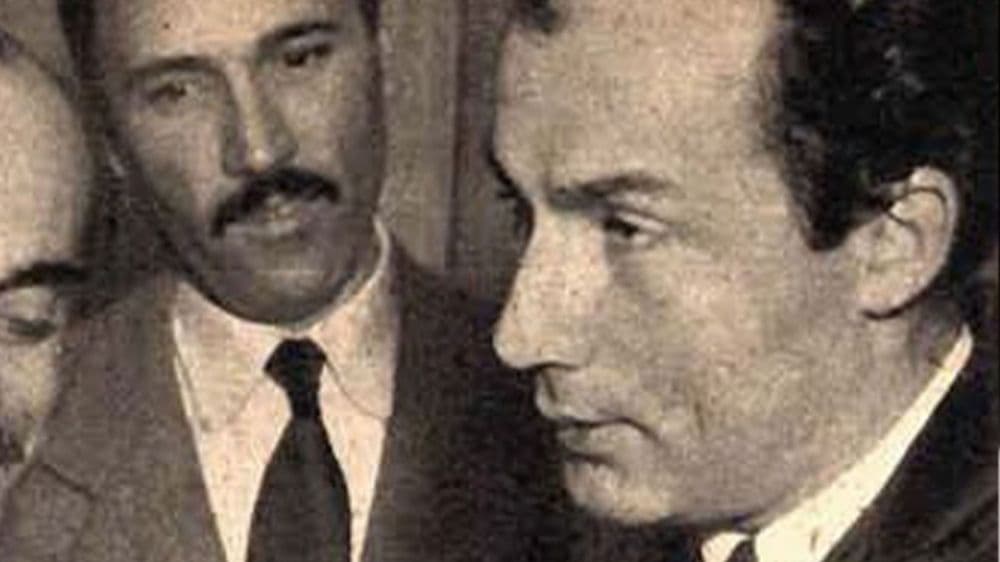
Illustrated: Italian magazine Epoca, N. 39, year II, Public domain, via Wikimedia Commons