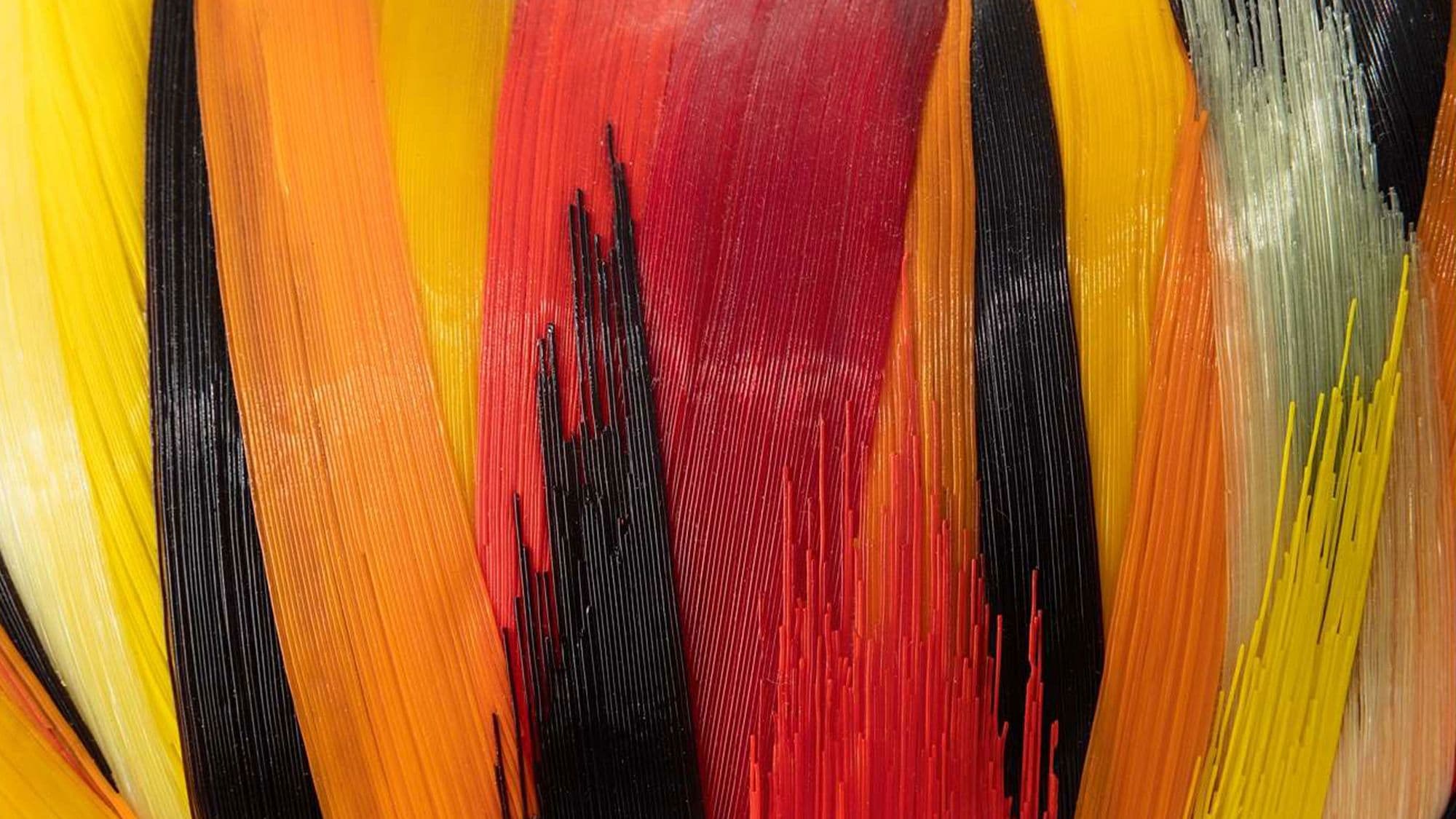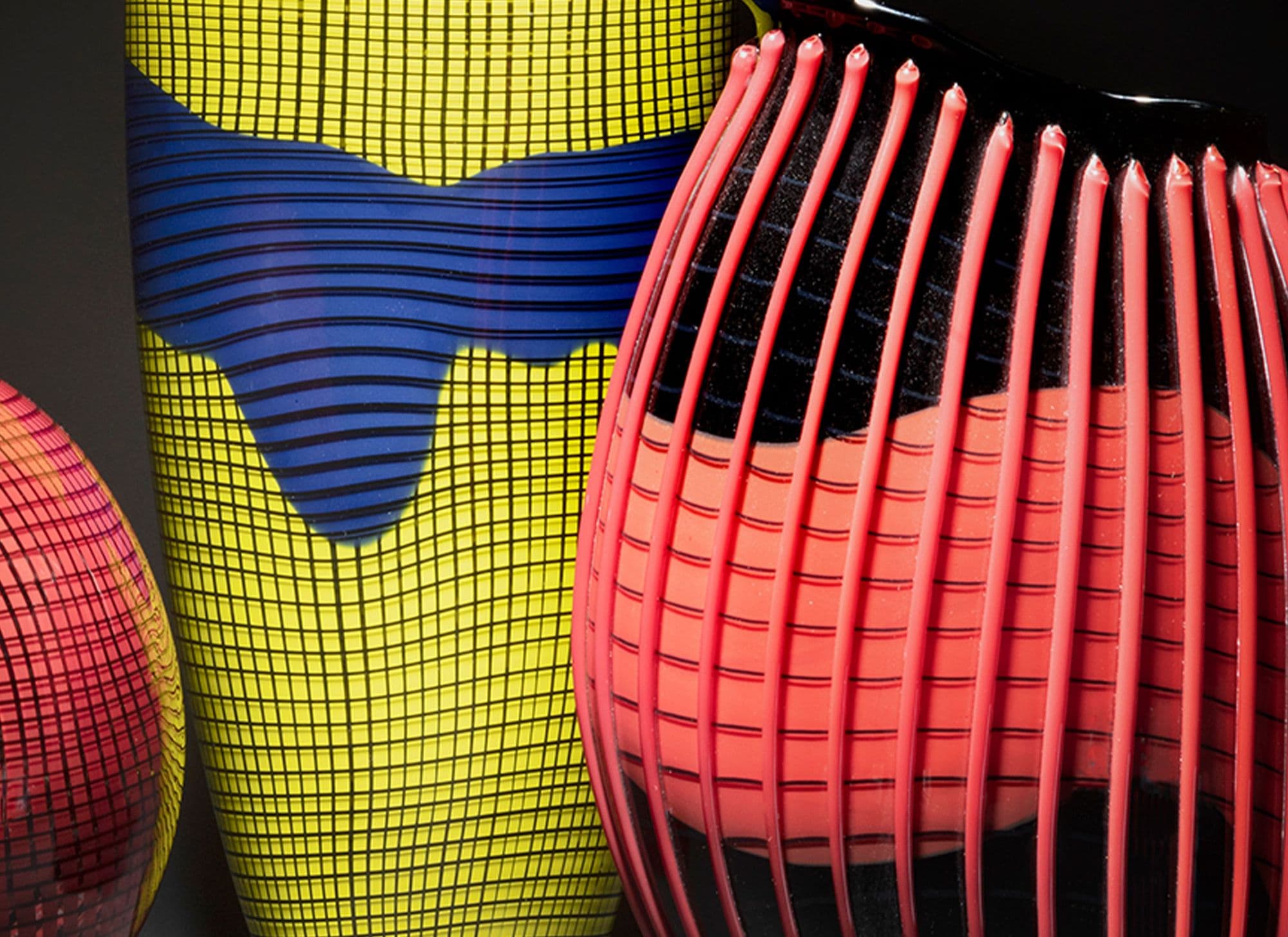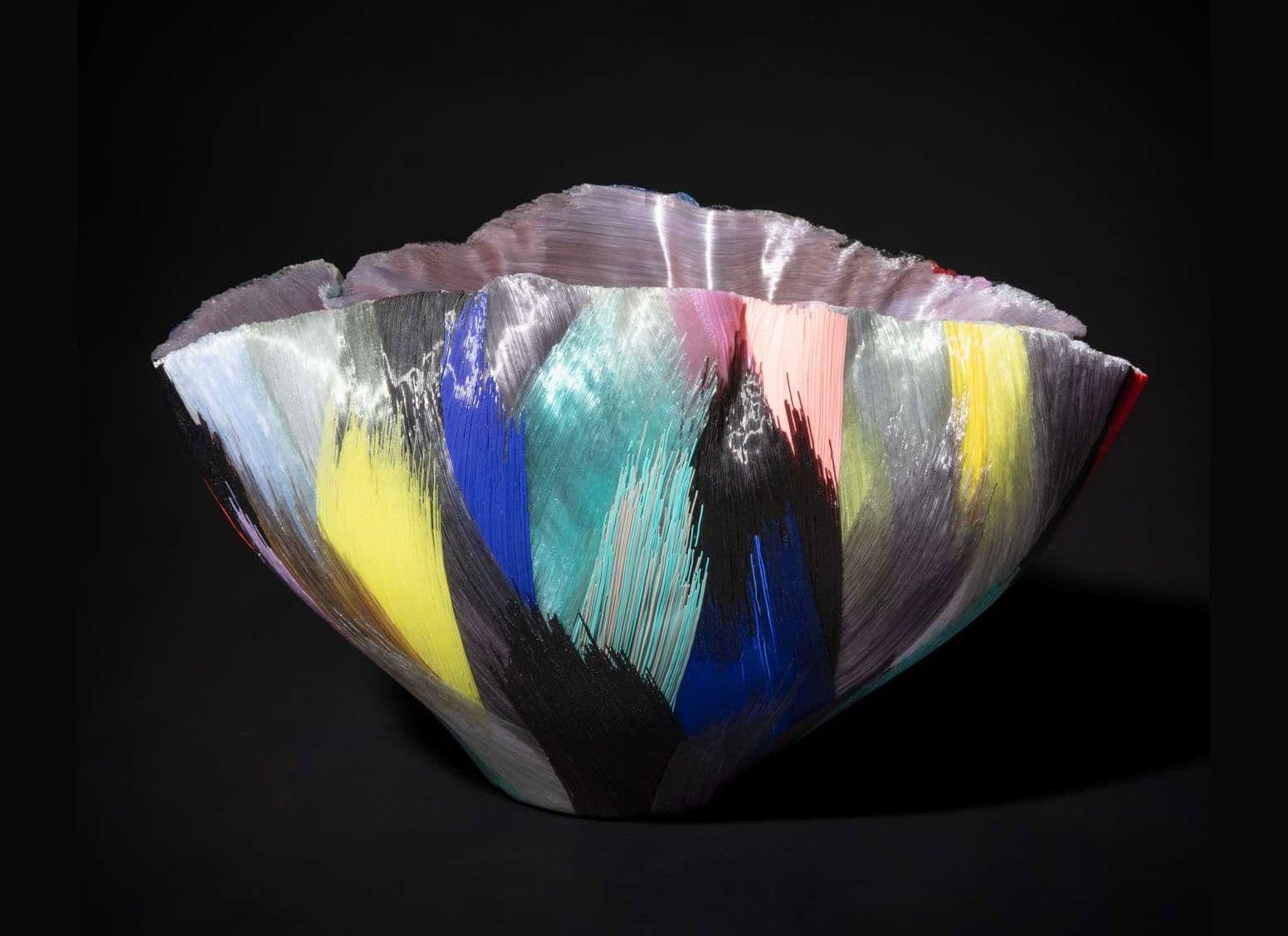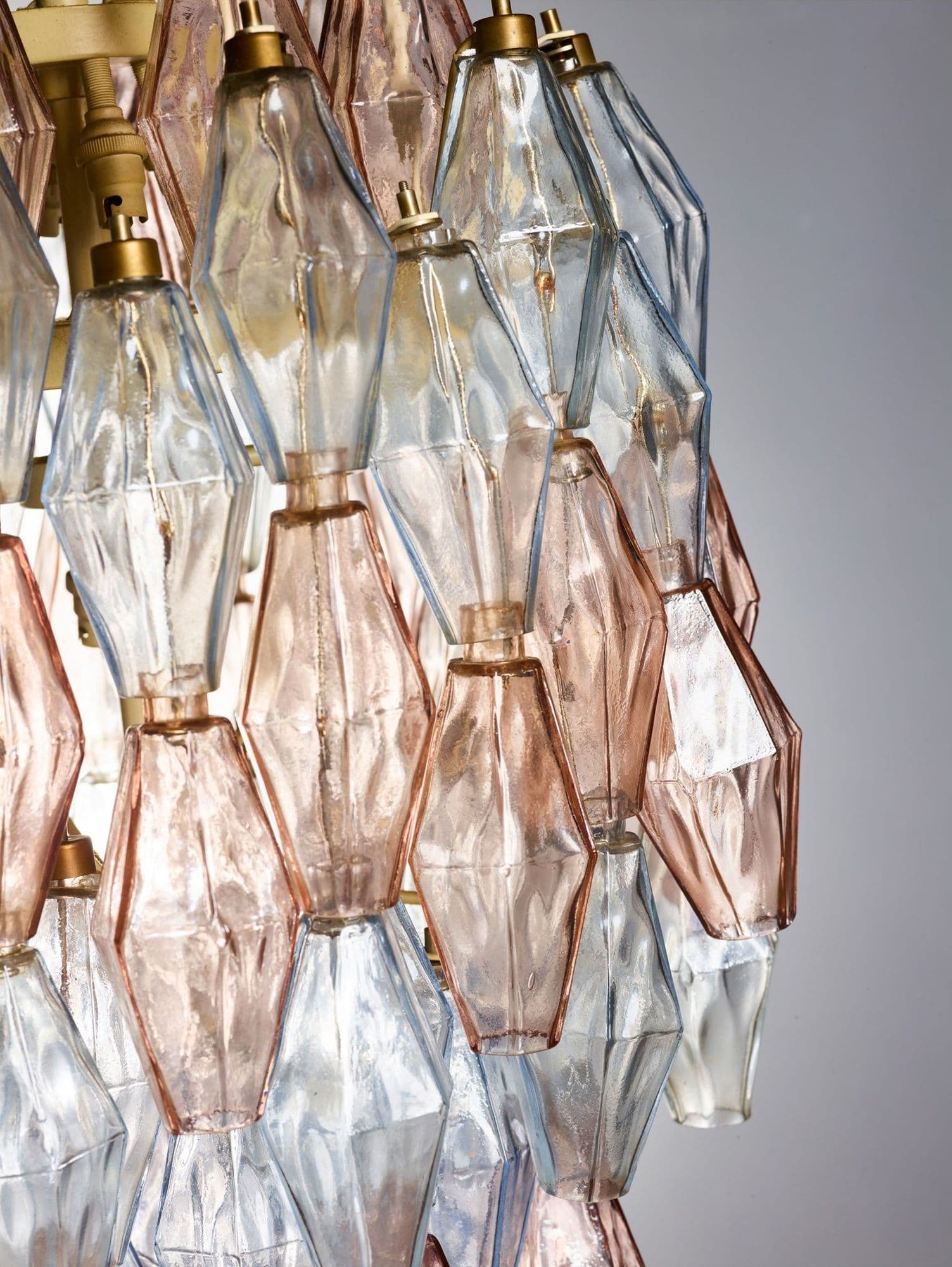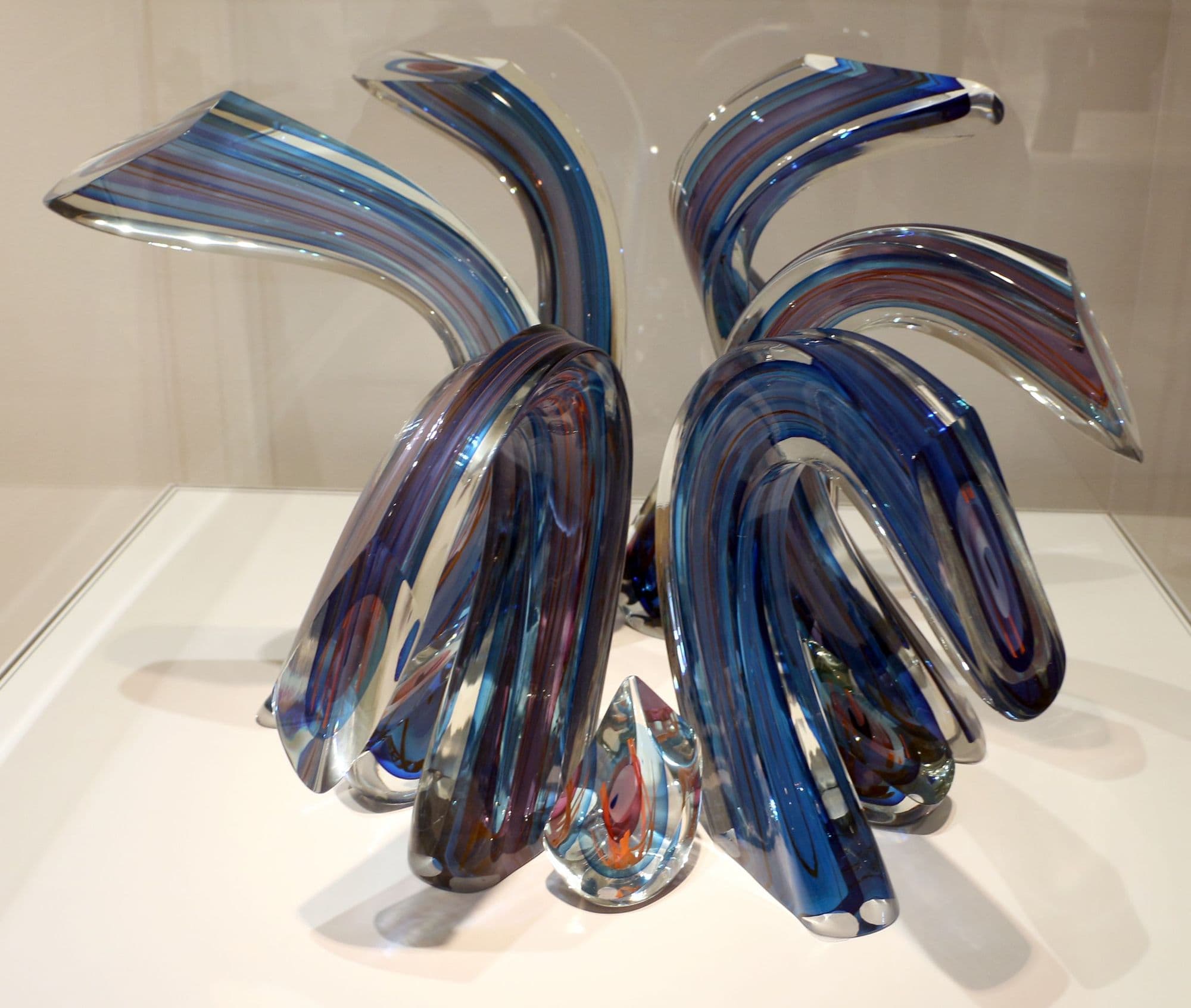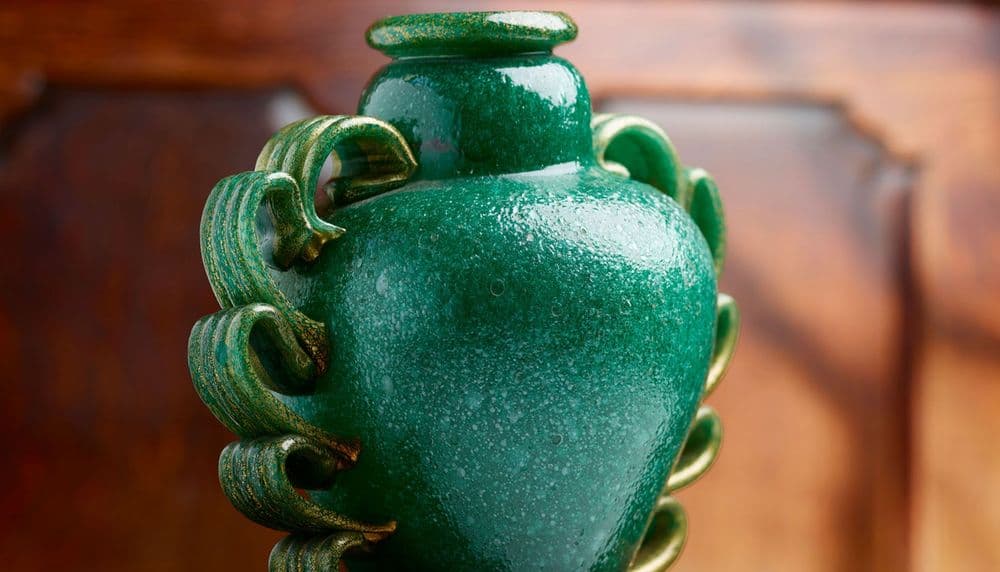
Murano has been at the centre of glassmaking for over seven centuries, known for their technical mastery, innovation and craftsmanship. Situated in the Venetian lagoon, the island became Europe’s principal glassmaking centre from the late medieval period, developing techniques that would shape the course of glass history.
Murano’s importance lies not in a single style, but in its ability to adapt. From early cristallo and filigrana wares to richly coloured Renaissance vessels and later Art Deco experimentation, Murano glassmakers continually refined both material and method. Techniques such as sommerso, murrine, incalmo and battuto emerged from generations of shared knowledge, passed down through workshops rather than individual studios.
By the early 20th century, Murano began to shift. Designers such as Carlo Scarpa, working with firms like Venini, introduced a more structured, modern approach that balanced artistic intent with traditional teamwork at the furnace. This period marked a move away from purely decorative production towards design-led glass that appealed to architects, collectors and museums alike.
In the post-war years, Murano’s influence extended internationally. Venetian masters collaborated with and taught artists from abroad, helping to shape the global studio glass movement while remaining rooted in collective making. Unlike American studio glass, Murano production has largely retained its collaborative model, where designer, maestro and workshop work together to realise an object.