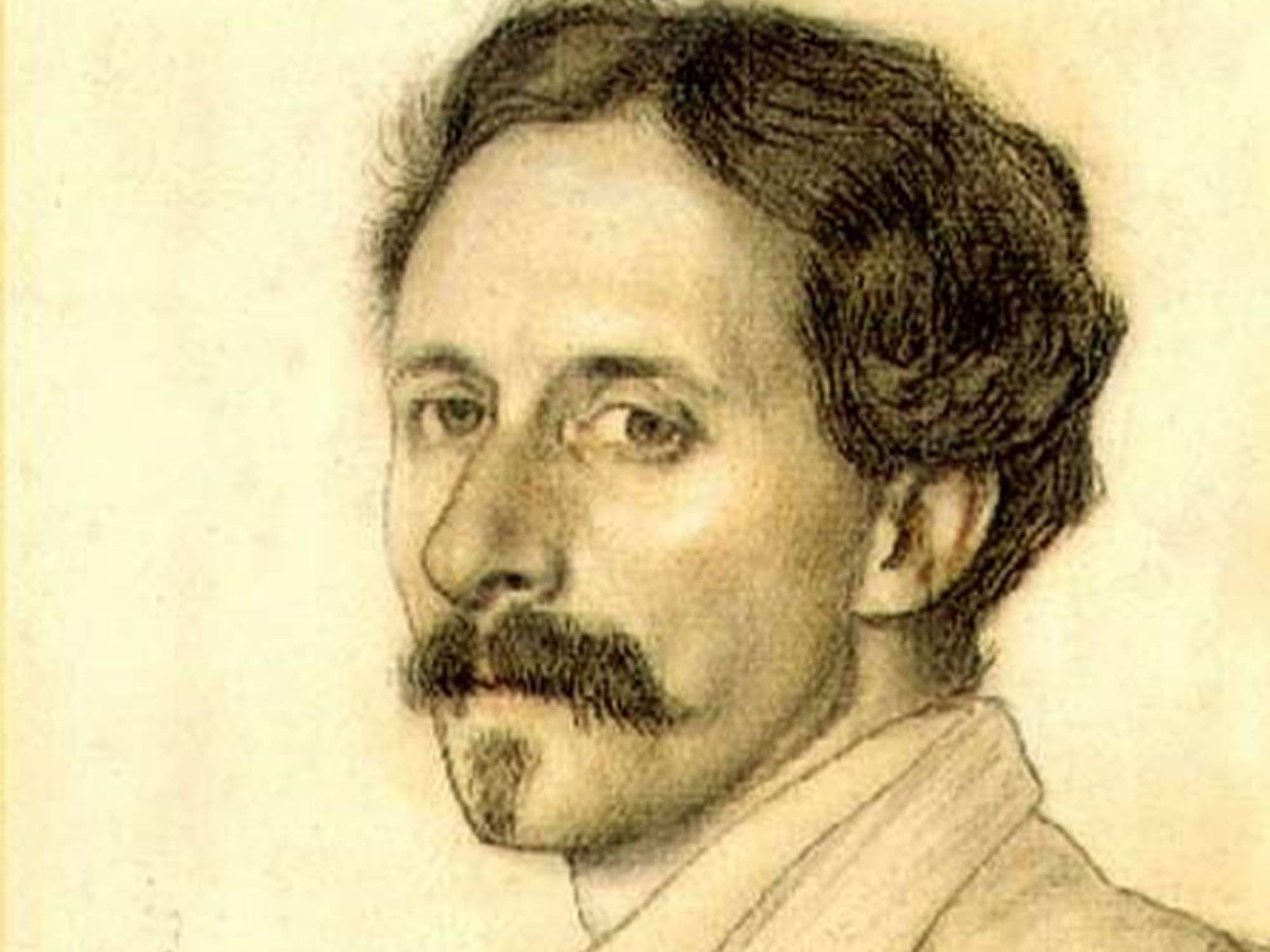
Born in 1861 to a middle-class family living in Croydon, Gilbert Leigh Marks attended Whitgift Grammar School before working as a clerk for silversmiths Holland, Aldwinckle and Slater in the City of London.
Marks came from a creative family, including his artist uncle Henry Stacey Marks and silversmith and goldsmith grandfather W H Walker. From 1885 however, Marks pursued a career apart from craft, as a manager at wool-brokers Masurel et Fils.
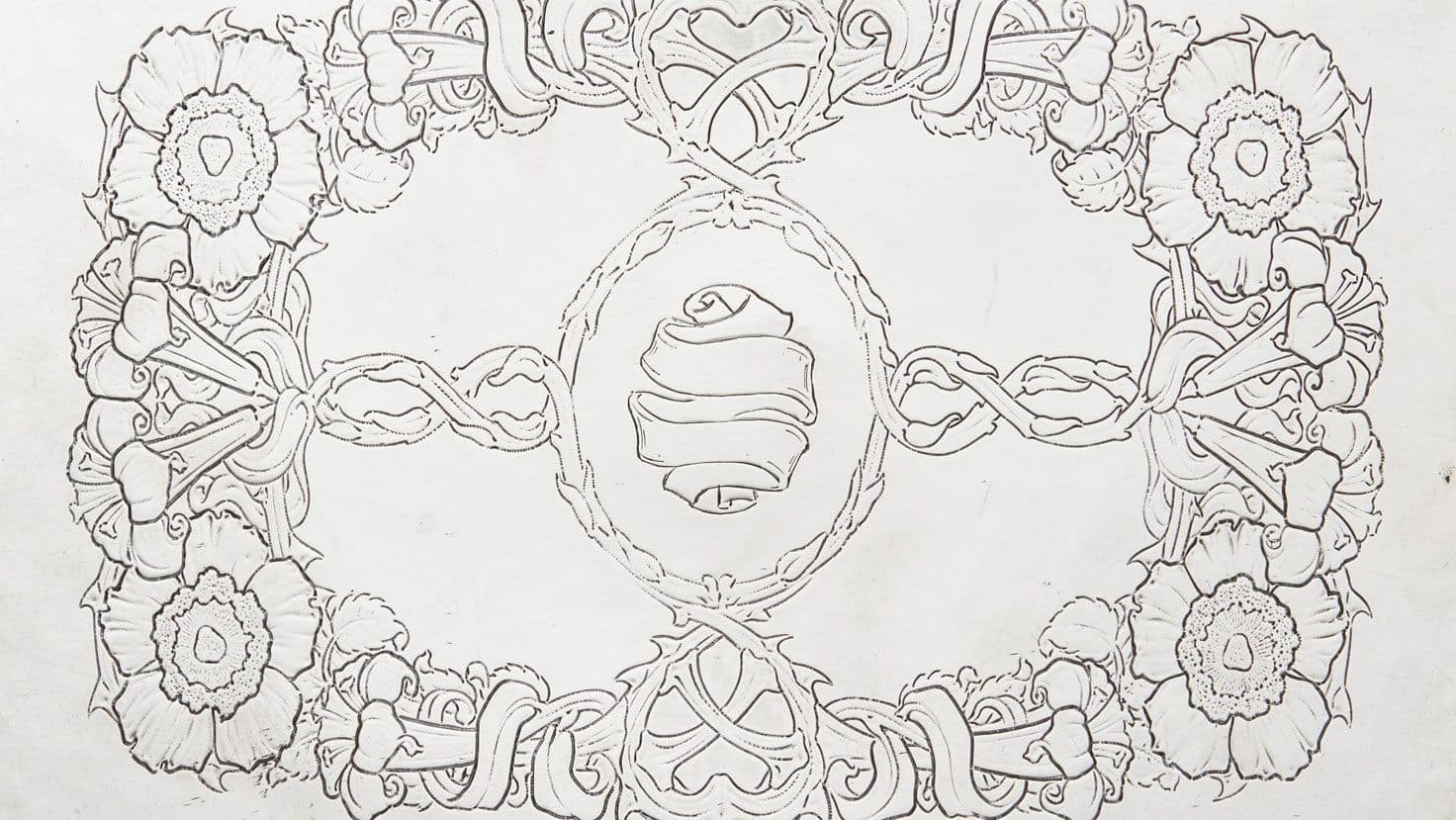
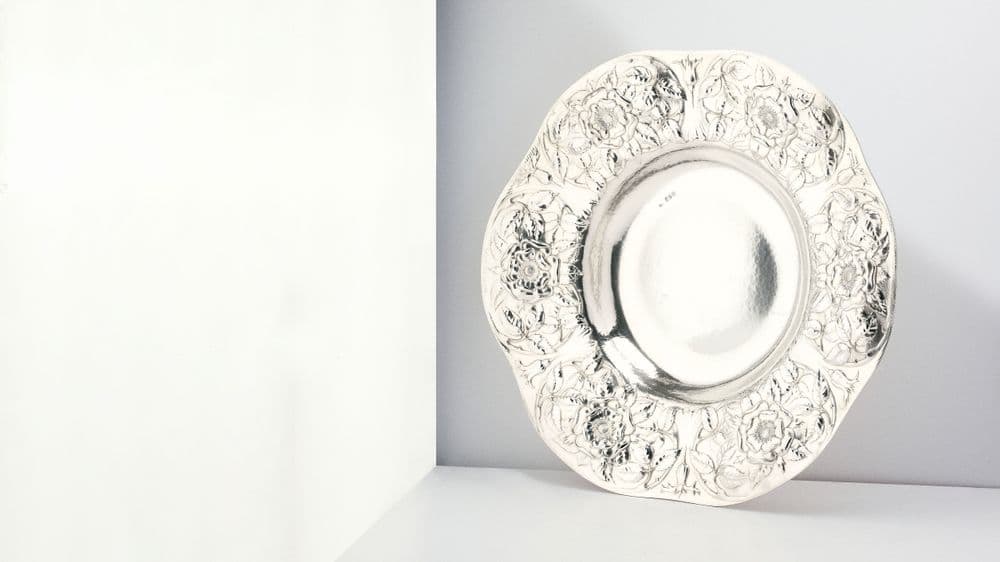
Despite his white-collar profession, he continued honing his craft in his free time with the help of two assistants. In 1895 he finally registered two GM marks at Goldsmith’s Hall in 1895, all work prior to this period having been inscribed with his signature and the date. In the same year he exhibited a collection of his Arts & Crafts silver with Johnson, Walker and Tolhurst, a firm with whom he had shows until 1901. This debut exhibition was positively received, the Studio magazine noting, ‘The surfaces of the objects were not over-ornamented, pleasant plain spaces being left which served to accentuate the beauty of the designs’. The pieces were typical of Marks’s output, domestic wares featuring naturalistic motifs of flora and fauna, executed in the repoussé method.
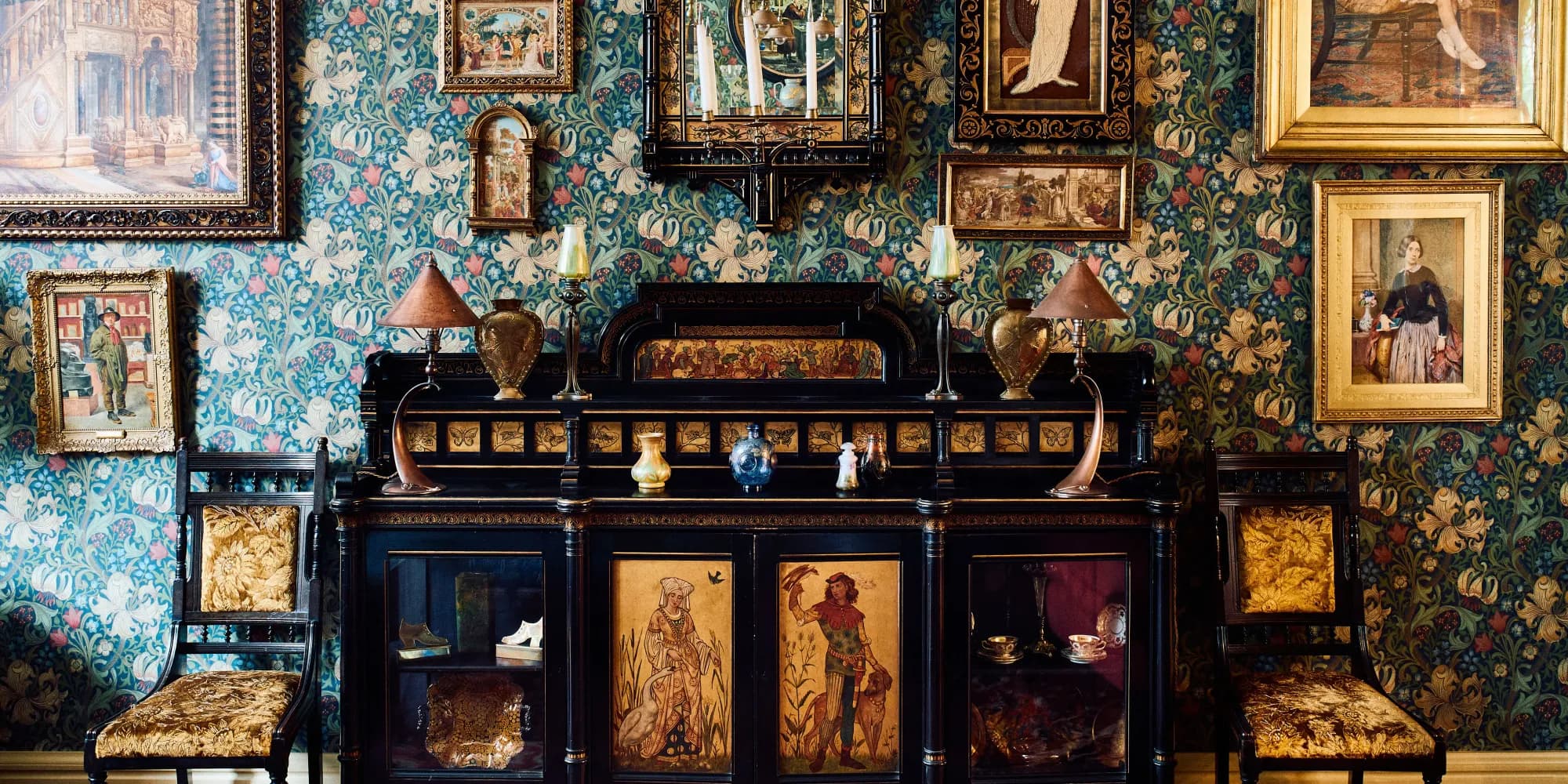
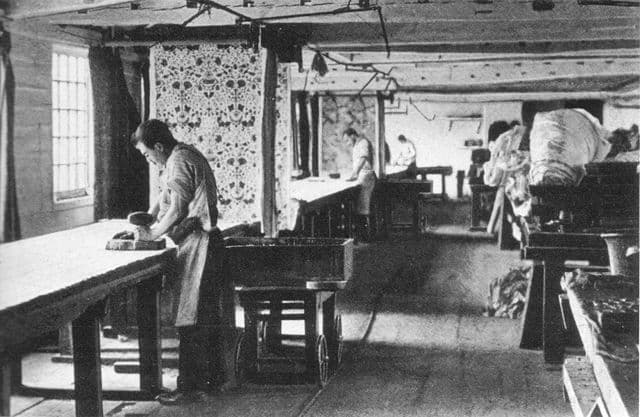
That Marks was a devotee of the Arts & Crafts Movement is in no doubt, and it has been proposed that the proximity of his studio to William Morris’s Merton Abbey factory would have furthered this aesthetic. Marks’s practice was highly traditional as he completed all his work himself, by hand and never produced a duplicate. The naturalism of his designs was further enhanced by the sparingly polished patina of the silver, commended by critics as ‘dull yet exquisite grey’. The fabulous twin handled stemmed bowl of 1899 is typical of Marks, the flowers enwrapping the body of the bowl, the handles seemingly constructed of foliage tendrils.
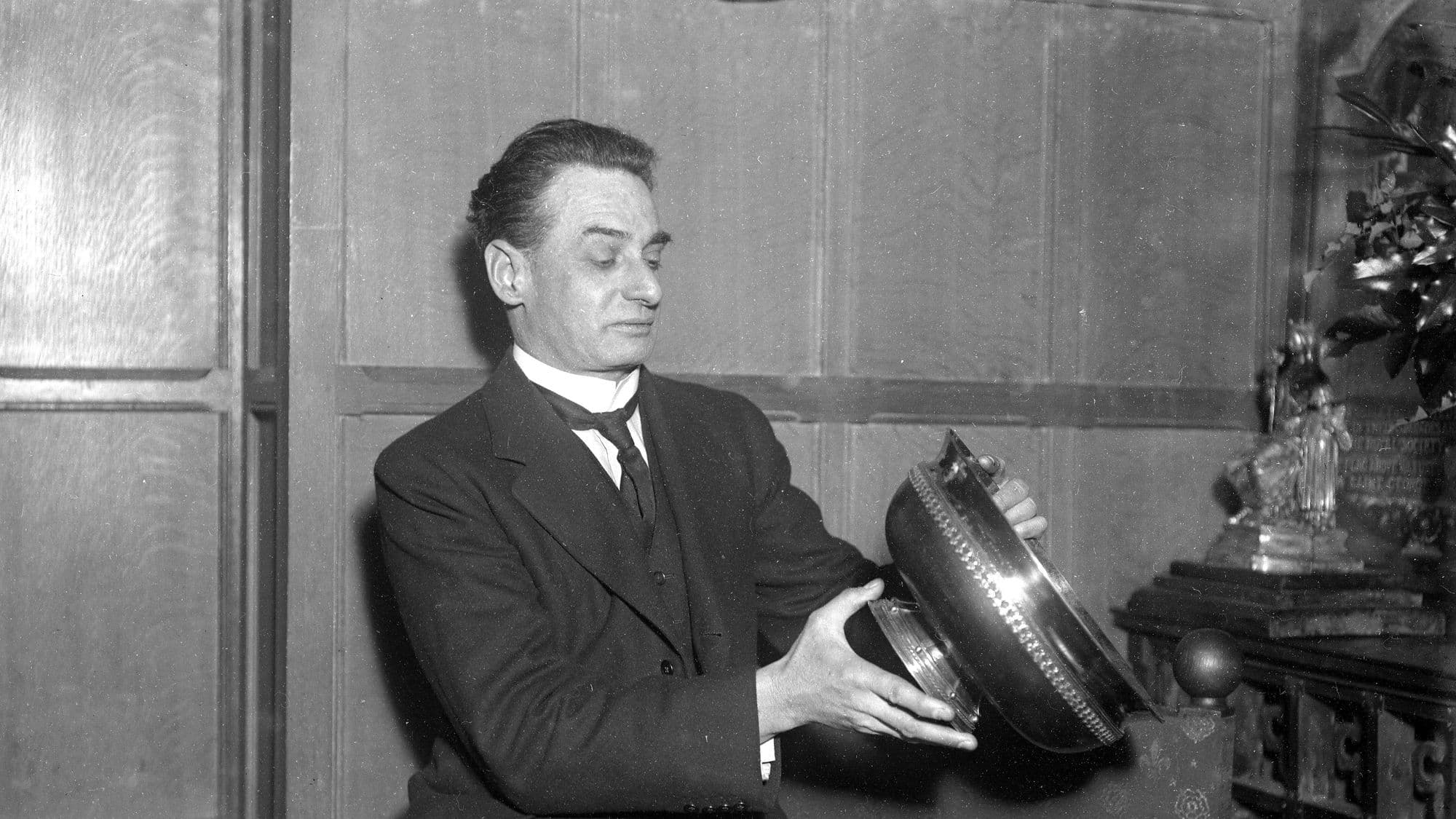
His success continued in 1899 with a Fine Art Society Exhibition, and his later appearances at the Royal Academy and the Glasgow Institute of Fine Art. In recognition of his exhibition acclaim he received multiple commissions as diverse as a mace for Croydon Council and a bowl for the Cowes Regatta Committee, presented by the then Prince of Wales. What distinguishes Marks’s work is his attention to detail, for example the trout and Tudor Rose on the Croydon mace, referencing the local river and the friendship between Archbishop Whitgift and Elizabeth I (Elizabeth Tudor) respectively.
Failing health brought Marks’ career to a premature conclusion in 1902 and he died in Holloway Sanitorium in 1905 at the age of just forty-four.