Signet Rings as Collectors' Pieces
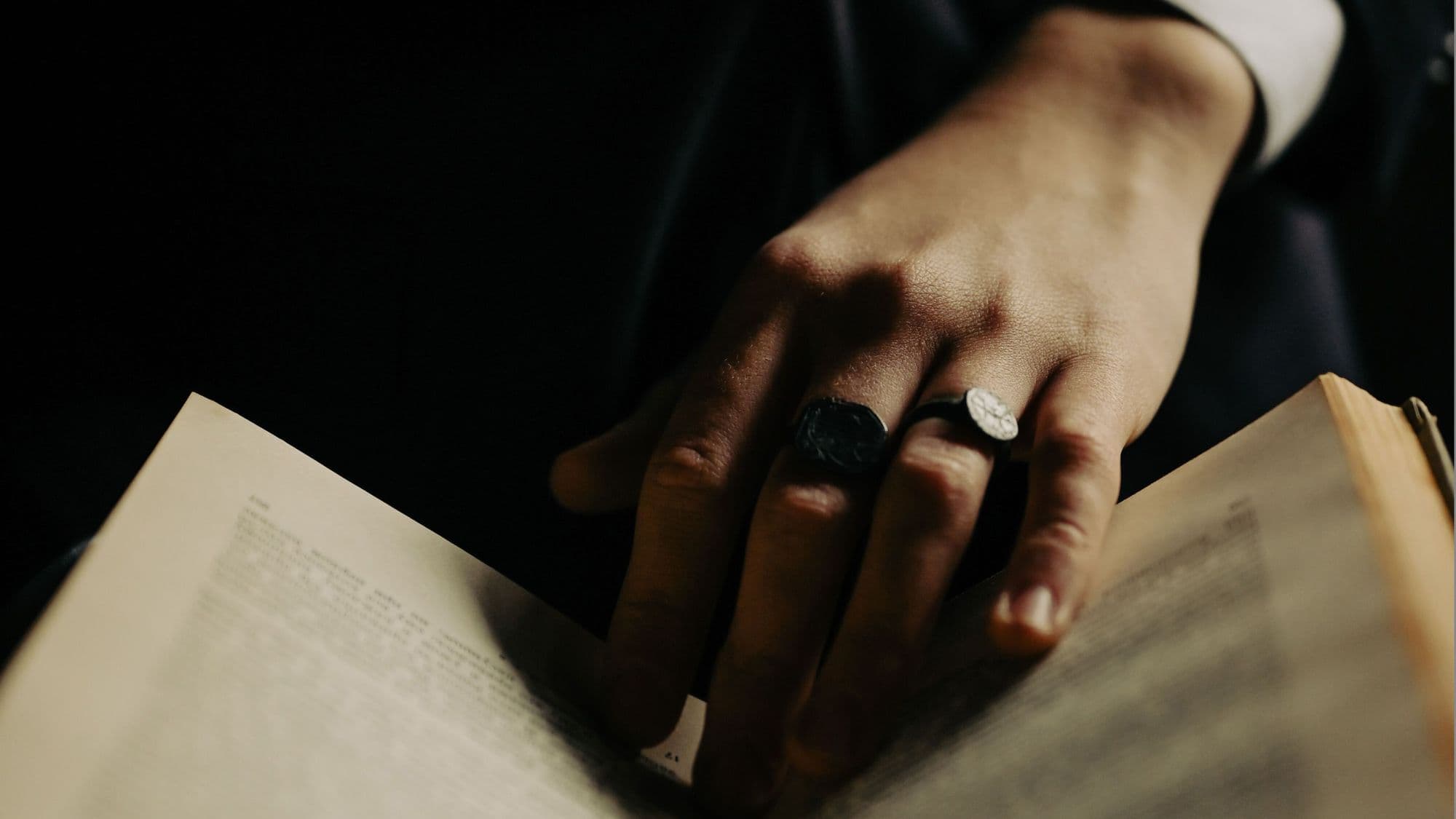
By the 17th century, intaglios of classical figures carved into hardstone were particularly fashionable. By the 18th century, signet rings were not only being worn but were also collected by wealthy travellers. Rings could be engraved, enamelled or set with carved stones acquired during travels across Europe, a fashion that continued into the 19th century.
Today, antique signet rings can be particularly interesting because their materials, engraving, heraldry and provenance may reveal something about the people who originally owned them.
Which Finger Is a Signet Ring Worn On?
Signet rings have been worn on different fingers over time. They have often been worn on the fourth finger but are now perhaps most closely associated with the little finger. Both men and women have worn signet rings throughout their history.
There is no requirement today to wear one on a particular hand or finger. How a signet ring is worn can depend upon family tradition, personal preference and the significance of the ring itself.
Why Are Signet Rings Given as Gifts?
Signet rings are often given to mark significant moments. An engraved ring might be presented for a milestone birthday, graduation or when somebody joins an institution. Others are inherited through families.
This is perhaps one reason the signet ring has survived long after its original function disappeared. These are pieces of jewellery that can link people not only with who they are, but with where they have come from.
What Does a Plain Signet Ring Mean?
In the 20th and 21st centuries, plain signet rings with no carving at all have become increasingly popular. There is a certain irony to this. Removing the engraving also removes the feature that originally made a signet a signet: the individual mark identifying its owner.
It underlines how much the ring has changed. A piece of jewellery once used as a practical form of identification can now simply be chosen because somebody likes the way it looks. Yet even a plain signet ring retains something of that history in its distinctive form.
Why Are Signet Rings Still Popular?
Perhaps the answer lies in identity. The symbols may have changed, and few of us have any reason to press our rings into sealing wax, but signet rings remain unusually personal pieces of jewellery.
A family crest can connect someone to their ancestors. Initials identify an individual. An institutional emblem can represent belonging. An inherited ring carries the history of the people who wore it before. Even a completely plain ring can become recognisable as part of someone's personal style.
The signet ring has moved from practical signature to personal symbol, but the idea at its heart has changed remarkably little: it says something about who is wearing it.
Signet Rings at Auction
Signet rings appear at auction in many forms, from plain gold rings and engraved monograms to heraldic examples and hardstone intaglios. For collectors, details including the age, quality of engraving, material, heraldry, provenance and condition can all contribute to a ring's interest and potential value.
Explore signet rings at auction or contact our Jewellery specialists for a complimentary auction valuation.