How Can You Identify Wemyss Ware?
The underside is usually the first place to look, but identifying Wemyss Ware isn't simply a matter of finding the right stamp.
Pieces can carry impressed factory marks, painted inscriptions, decorators' signatures and retailers' marks. These varied over the production period and were not always applied consistently. An impressed mark might include Wemyss Ware, Robert Heron & Son or a reference to the Fife Pottery. Some pieces were also marked by the decorator.
The painting itself can be just as revealing. The formation of flowers, the shape of leaves, the handling of animals and even the handwriting on the underside can help an experienced specialist identify the decorator responsible. For a closer look at these differences, see our guide to Wemyss Ware decorators and their marks.
What Does the Thomas Goode Mark Mean?
Collectors may also encounter the name Thomas Goode & Co. London on Wemyss Ware. The celebrated Mayfair retailer had close links with the pottery and sold Wemyss Ware to its London clientele. Thomas Goode even had a dedicated Wemyss Room in the late nineteenth century. Its retailer's mark can therefore provide useful evidence when identifying a piece.
Wemyss Ware Patterns
Nature sits at the heart of Wemyss decoration. Flowers and fruit appear throughout the pottery's production, from roses and hollyhocks to thistles, raspberries and other plants associated with the countryside.
Cabbage Roses
Cabbage roses are perhaps the pattern most closely associated with Wemyss Ware and are encountered across a wide variety of forms.
Their relative familiarity doesn't mean all cabbage rose pieces are equal. The quality of the painting, decorator, form, date, scale and condition can make one example considerably more desirable than another.
Flowers and Fruit
Collectors can encounter a remarkable botanical garden across Wemyss Ware: hollyhocks, thistles, chrysanthemums, clover, lilies of the valley, convolvulus and many other flowers appear alongside lemons, raspberries and other fruit.
Some collectors concentrate on one particular pattern, while others deliberately seek as much variety as possible.
Birds, Insects and Animals
Less familiar subjects can become particularly interesting. Most Wemyss decoration centres on fruit and flowers, while birds, insects and animals appear less frequently and can attract particularly strong competition when unusual examples come to auction.
That doesn't mean an animal motif is automatically rare or valuable. The particular combination of subject, form, decorator and condition needs to be considered.
Wemyss Ware Cats
Cats have become some of the most recognisable and keenly collected Wemyss forms. They were decorated in numerous colours and patterns, from tabby and black-and-white examples to floral designs. Lyon & Turnbull has handled Wemyss cats decorated with thistles, cabbage roses and other patterns, as well as more unusual examples.
Cats provide a particularly good illustration of why Wemyss collecting goes beyond simply recognising a shape. Pattern, colour, painter and rarity can transform the significance of an otherwise familiar form.
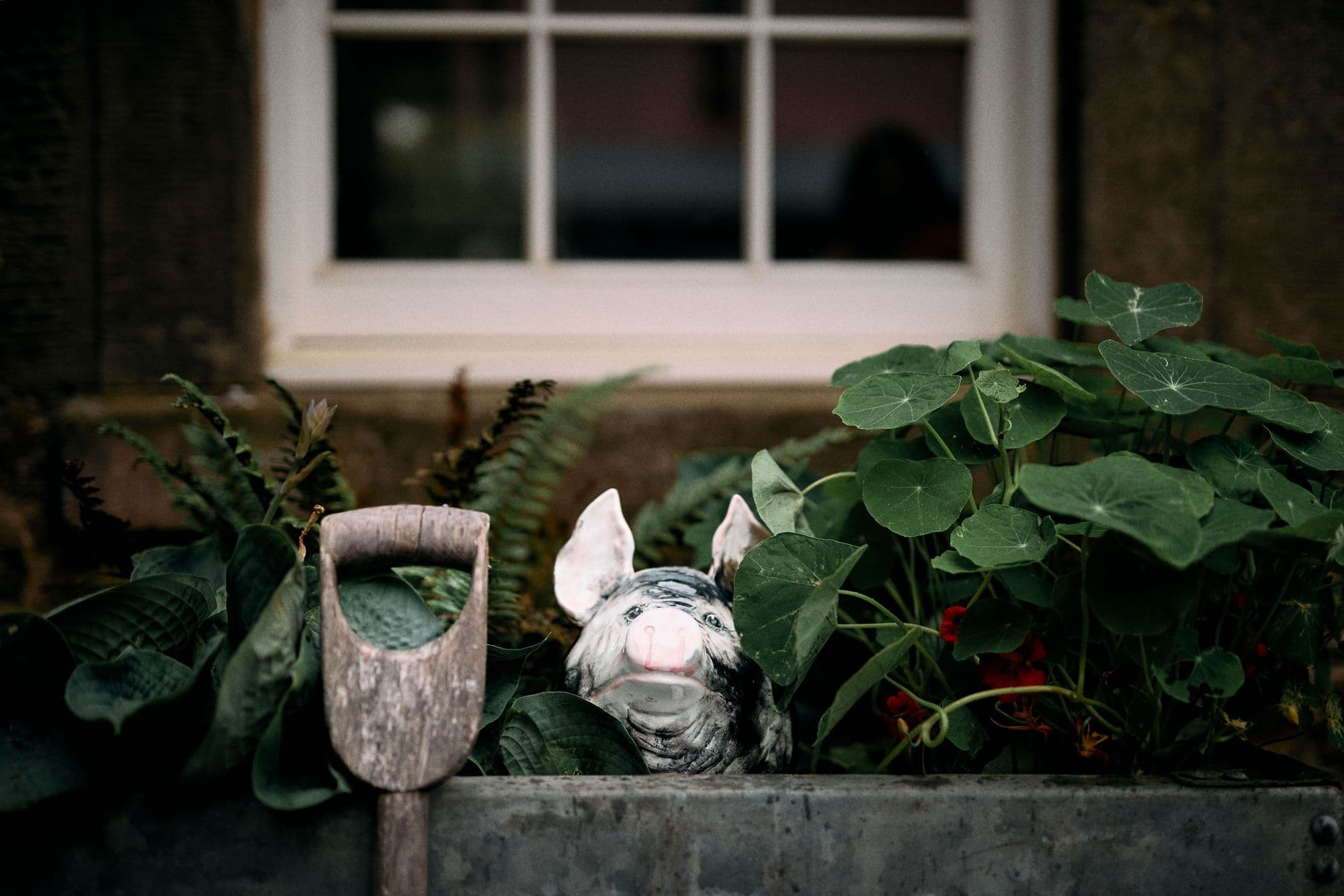
Wemyss Ware Pigs
Pigs are another favourite with collectors and were produced in a wide variety of sizes and patterns. Examples handled by Lyon & Turnbull range from cabbage roses and shamrocks to flowering clover and combinations of roses, thistles and shamrocks.
As with cats, collectors may begin by looking for a Wemyss pig before becoming increasingly particular about decoration, size, date or decorator. That progression is characteristic of Wemyss collecting. Familiar patterns often provide the starting point; rarity becomes increasingly important as a collection develops.
Rare Wemyss Ware
Rarity in Wemyss Ware isn't defined by one characteristic. A piece might be rare because of its shape, pattern, size, decorator or the circumstances in which it was made. Occasionally several of these factors come together.
One striking example handled by Lyon & Turnbull was an exceptionally rare carp tureen, one of only three known examples, with just two retaining their original covers. Its design was based on a Chinese Kangxi-period piece at Wemyss Castle, demonstrating the range of influences that could find their way into the pottery's production.
What Do Wemyss Collectors Look For?
There is no single formula for a desirable piece of Wemyss Ware. Collectors may consider:
- Decorator – work associated with important painters can be particularly desirable.
- Pattern – unusual flowers, birds, insects and animals can attract attention.
- Form – certain shapes were made in much smaller numbers than others.
- Scale – monumental or unusually large pieces can be significant.
- Condition – chips, cracks and restoration need to be considered carefully.
- Quality of painting – even within the same pattern, the quality of decoration can vary.
- Provenance – an established history can add considerably to the interest of a piece.
- Rarity – unique commissions and unusual combinations of form and decoration can be especially important.
The best collections don't necessarily contain only the most expensive pieces. A small, beautifully painted and unusual object can sit very happily beside a monumental vase.
How Much Is Wemyss Ware Worth?
Wemyss Ware values vary enormously. More familiar pieces can provide an accessible way into collecting, while exceptional examples can achieve five-figure sums at auction.
Lyon & Turnbull has sold a Wemyss Ware tabby cat for £22,680, a 'Thistles' cat for £16,380, a large 'Hollyhocks & Bees' baluster vase for £15,120 and a marmalade cat for £13,860.
These results shouldn't be treated as a price guide for superficially similar pieces. Two objects of the same form can differ substantially in value according to pattern, decorator, rarity, size, condition and provenance. This is why specialist assessment is particularly useful with Wemyss Ware.