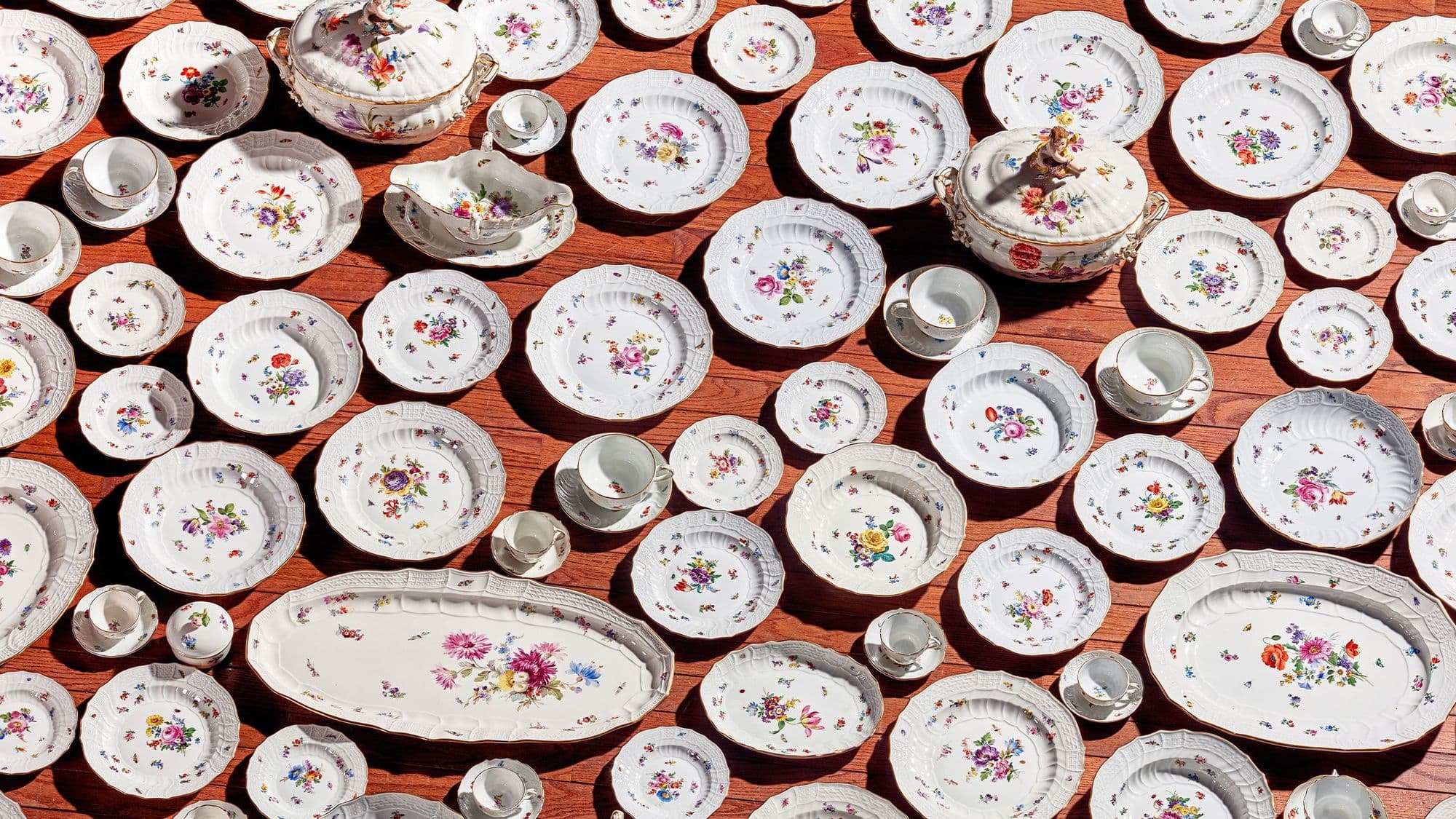
Scotland's Most Famous Art Pottery
Few Scottish ceramics are as instantly recognisable as Wemyss Ware. Produced by Robert Heron & Son in Kirkcaldy from 1882, its vibrant hand-painted flowers, animals and fruits transformed everyday pottery into decorative works of art.
Every piece was individually decorated, meaning no two examples are exactly alike. This hand-painted approach has become one of Wemyss Ware's defining characteristics and continues to attract collectors worldwide. Today, Wemyss Ware remains one of Scotland's most collectable ceramic traditions. Exceptional examples regularly appear at auction, particularly those painted by celebrated decorators or featuring rare shapes and designs.
Why Dating Wemyss Ware Can Be Difficult
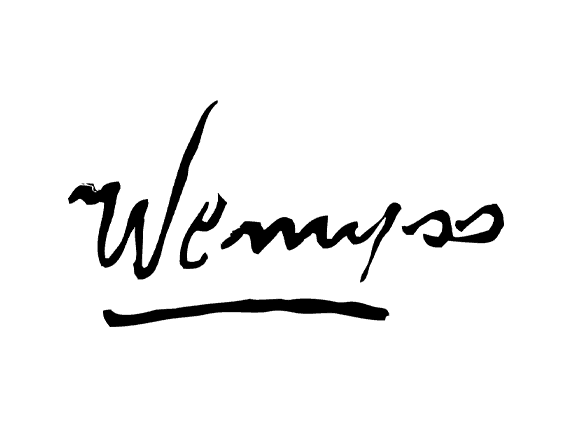
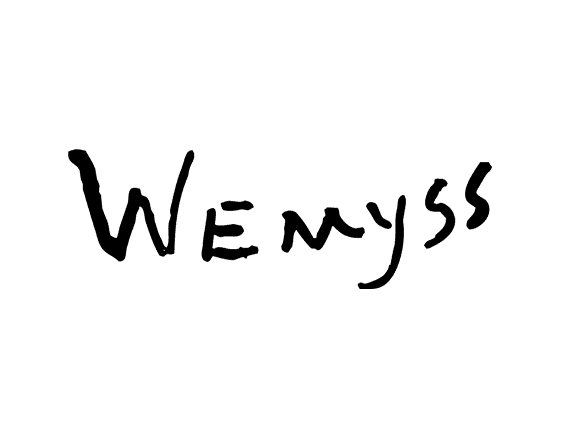
Unlike many factories, Wemyss Ware was not produced using a consistent system of dating or signing. Some decorators proudly signed their work, while others left only factory marks, and many pieces bear no decorator's name at all.
Factory stamps also evolved over time and were sometimes used interchangeably, making it impossible to rely on impressed marks alone. Instead, specialists consider several factors together:
- Factory marks
- Decorator signatures
- Brushwork and painting style
- Shape and form
- Glaze and finish
- Historical factory records
- Provenance
This combination of evidence often allows specialists to attribute even unsigned pieces with considerable confidence.
How to Identify Authentic Wemyss Ware
Identifying genuine Wemyss Ware involves looking beyond a single mark. Experienced collectors examine several characteristics together before reaching a conclusion.
Factory Marks
Most Wemyss Ware carries an impressed factory mark on the base.
These marks changed over the decades and should always be considered alongside other evidence. An impressed mark confirms manufacture but rarely identifies the individual decorator responsible for the painted design.
Decorator Signatures
Some of the finest decorators signed their work, making attribution considerably easier.
Signed examples by artists such as Karel Nekola and James Sharp are especially sought after because they allow collectors to connect a piece directly with one of the pottery's most celebrated painters. However, many authentic examples remain completely unsigned.
Brushwork
Perhaps the most important clue is the painting itself. Each decorator developed their own rhythm, confidence and handling of flowers, leaves, fruit and animals. Over time these subtle differences become recognisable, allowing specialists to distinguish one decorator's work from another even without a signature.
Forms and Shapes
Certain Wemyss Ware forms have become particularly desirable among collectors.
These include:
- Cats
- Pigs
- Garden seats
- Baluster vases
- Honey jars
- Umbrella stands
- Jardinieres
- Lemon squeezers
- Ewers and basins
Rare shapes or unusual combinations of decoration and form often command the strongest prices at auction.
Provenance
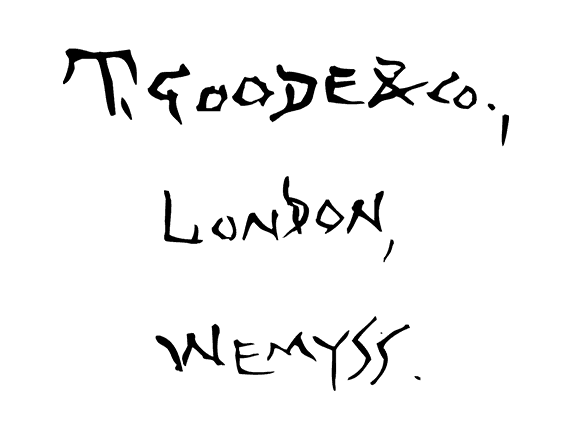
Pieces with documented ownership history, exhibition records or original purchase information can be easier to attribute and may carry additional collector appeal. Historic retailers such as Thomas Goode & Co. also provide valuable evidence when their marks are present.