Why Was the Portrait Copied?
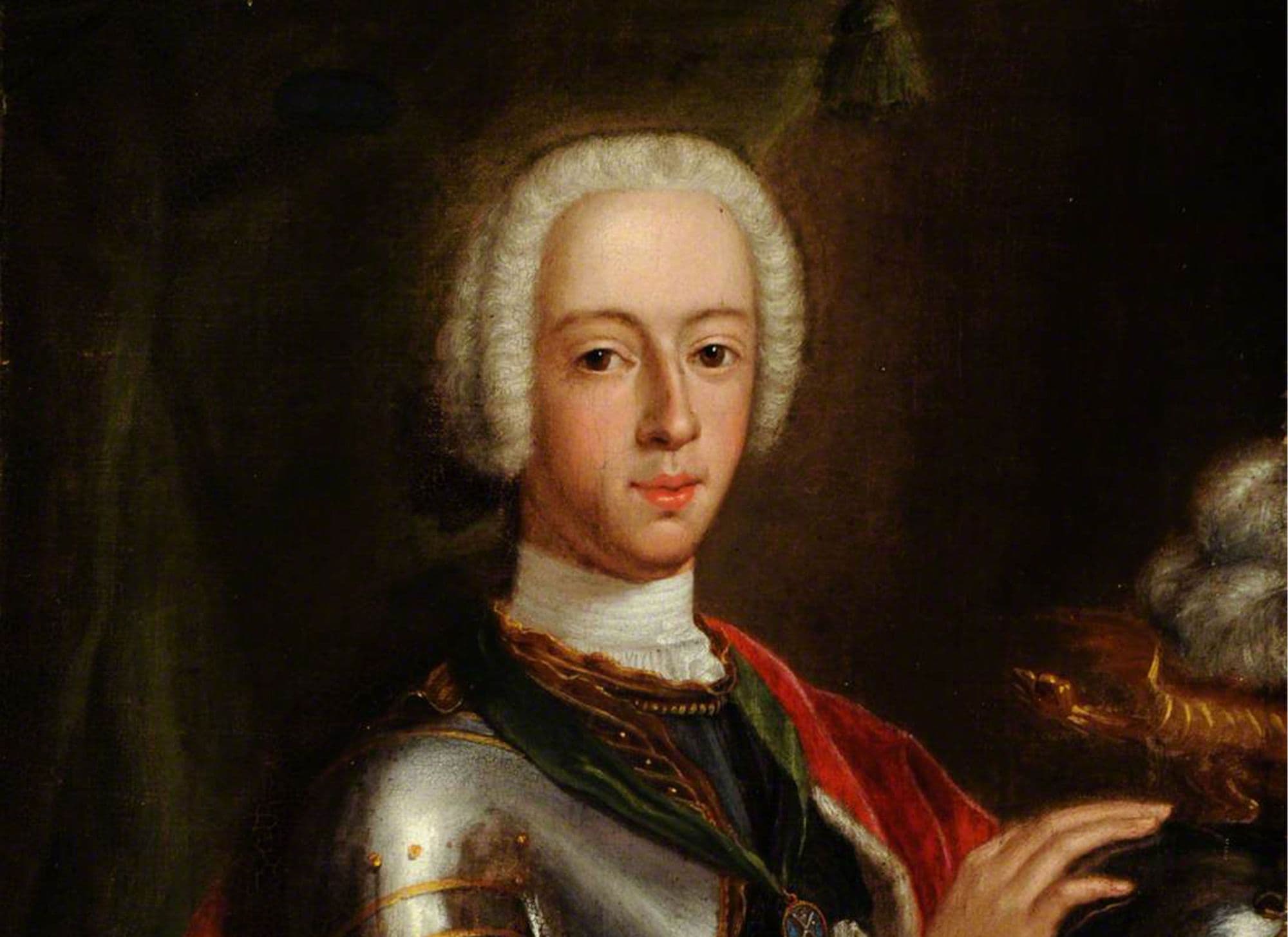
In the eighteenth century, an important portrait could circulate in several forms. Full-sized copies might be produced for wealthy patrons, while miniatures and engravings made the image easier to distribute. The catalogue records that several copies of De La Tour’s portrait survive in full size, miniature and engraved form. Some of the miniatures are traditionally attributed to an artist named Kamm and are thought to date from around 1749.
Their production appears to have involved George Watts, banker to Prince Charles, and the Princesse de Talmont, one of the Prince’s closest companions. According to the catalogue note, Watts was persuaded to lend his version so that further copies could be made. That small detail reveals how Jacobite portraits travelled. They were not simply painted and displayed. They were borrowed, copied and shared through a network of supporters.
Gabriel François Doyen’s Portrait
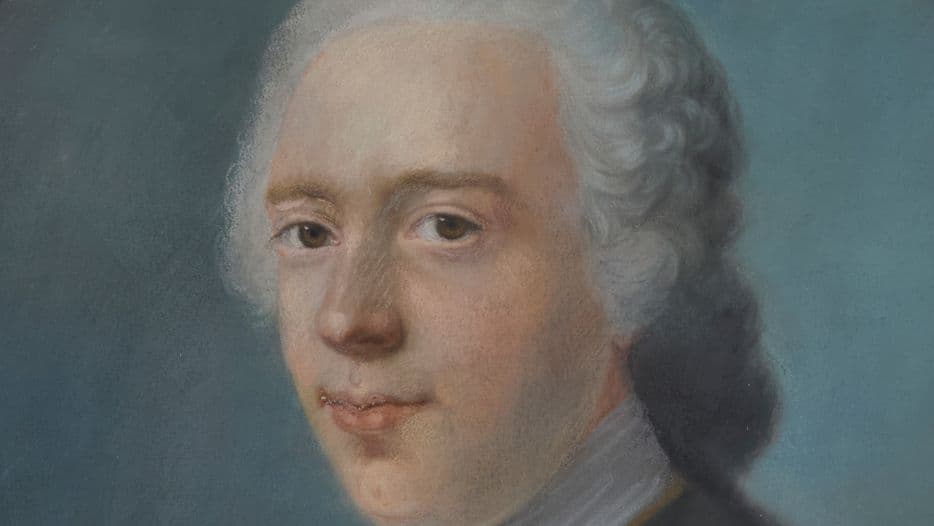
The pastel offered by Lyon & Turnbull in our August 2026 Scotland Collected auction is signed by Gabriel François Doyen, a French artist active during the eighteenth century. Its attribution adds Doyen to the group of accomplished artists known to have copied De La Tour’s lost composition. The portrait presents Prince Charles at half length within an oval format, following the established image while demonstrating the quality expected of a substantial pastel rather than a small-scale miniature.
Because the original no longer survives, works such as this are especially important. They allow the lost composition to be studied and compared across different media, artists and collections.
Why Portraits Mattered to the Jacobite Cause
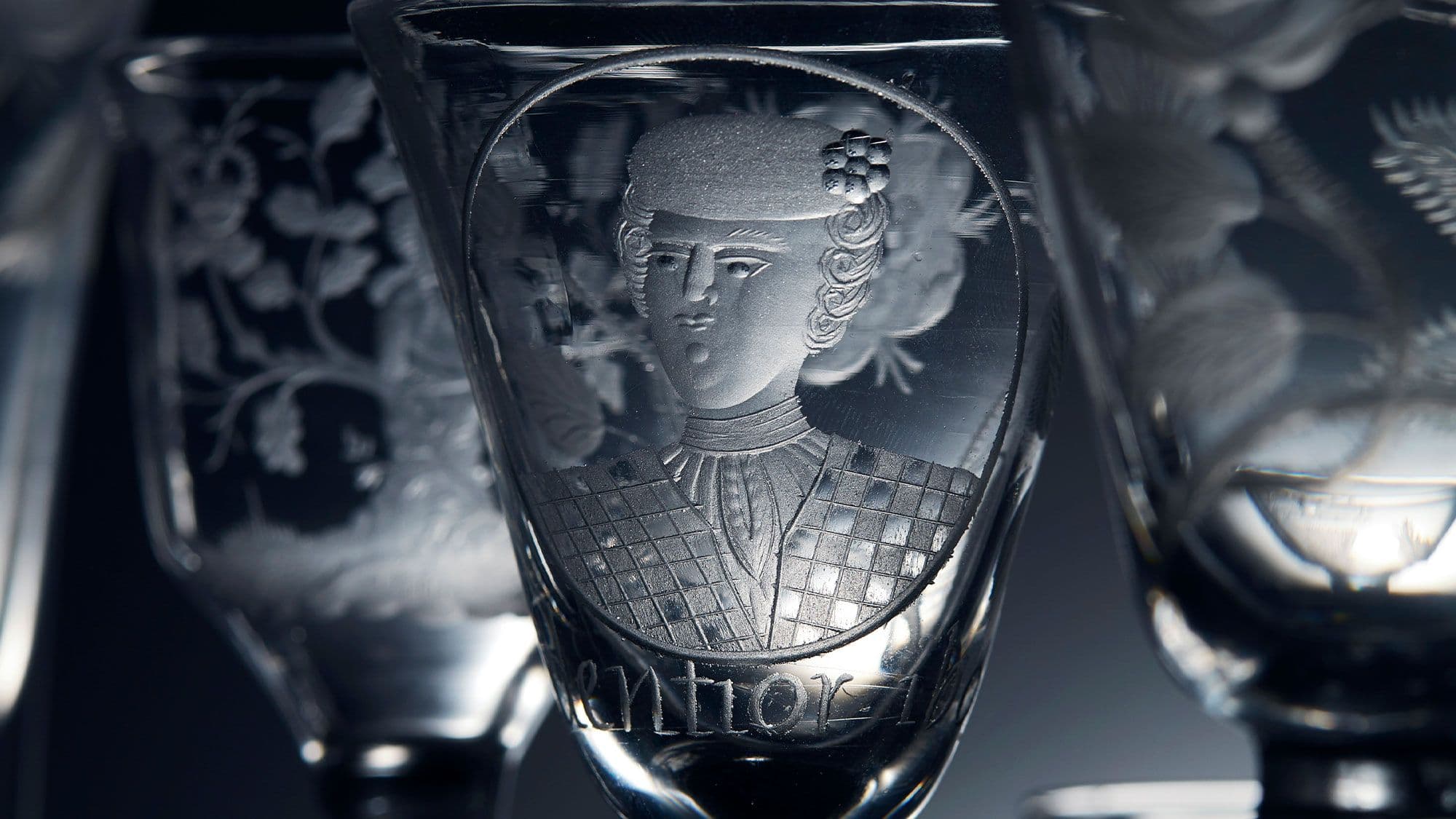
Portraiture was never neutral within the Jacobite movement. Images of Prince Charles helped communicate legitimacy, rank and dynastic continuity. His dress, decorations and pose could present him as a royal heir, a Scottish leader or an exiled European prince, depending on the intended audience.
These portraits also provided supporters with something personal. A miniature could be worn or kept privately, while a larger portrait might form part of a household display of political allegiance. After Culloden, such images acquired another meaning. They became reminders of a failed campaign, but also symbols of continued loyalty to the Stuart cause.
How Copies Preserve Lost Works of Art
The word “copy” can suggest something secondary, but in historical portraiture copies often preserve evidence that would otherwise have vanished.
When an original painting is lost, destroyed or untraced, contemporary versions can help reconstruct:
- the sitter’s appearance
- the original composition
- the costume and insignia shown
- the image’s circulation
- the network of patrons who commissioned or owned it
No single copy can automatically be assumed to reproduce every detail of the lost original exactly. Artists could alter colour, scale, expression or costume. Yet when several related versions survive, they allow specialists to trace the development and spread of an image.
A Specialist’s Eye
When assessing a portrait connected to a lost original, attribution depends on more than a general likeness. Specialists consider the quality of the execution, the materials used, the signature, the relationship to other recorded versions and the date at which the copy was produced. They also look for small differences between works, as these may reveal whether an artist copied the original directly or worked from another version.
In this case, the scale and quality of Doyen’s pastel distinguish it from the better-known miniatures associated with the composition. Its recent attribution also expands the known group of eighteenth-century artists who helped preserve De La Tour’s lost portrait.