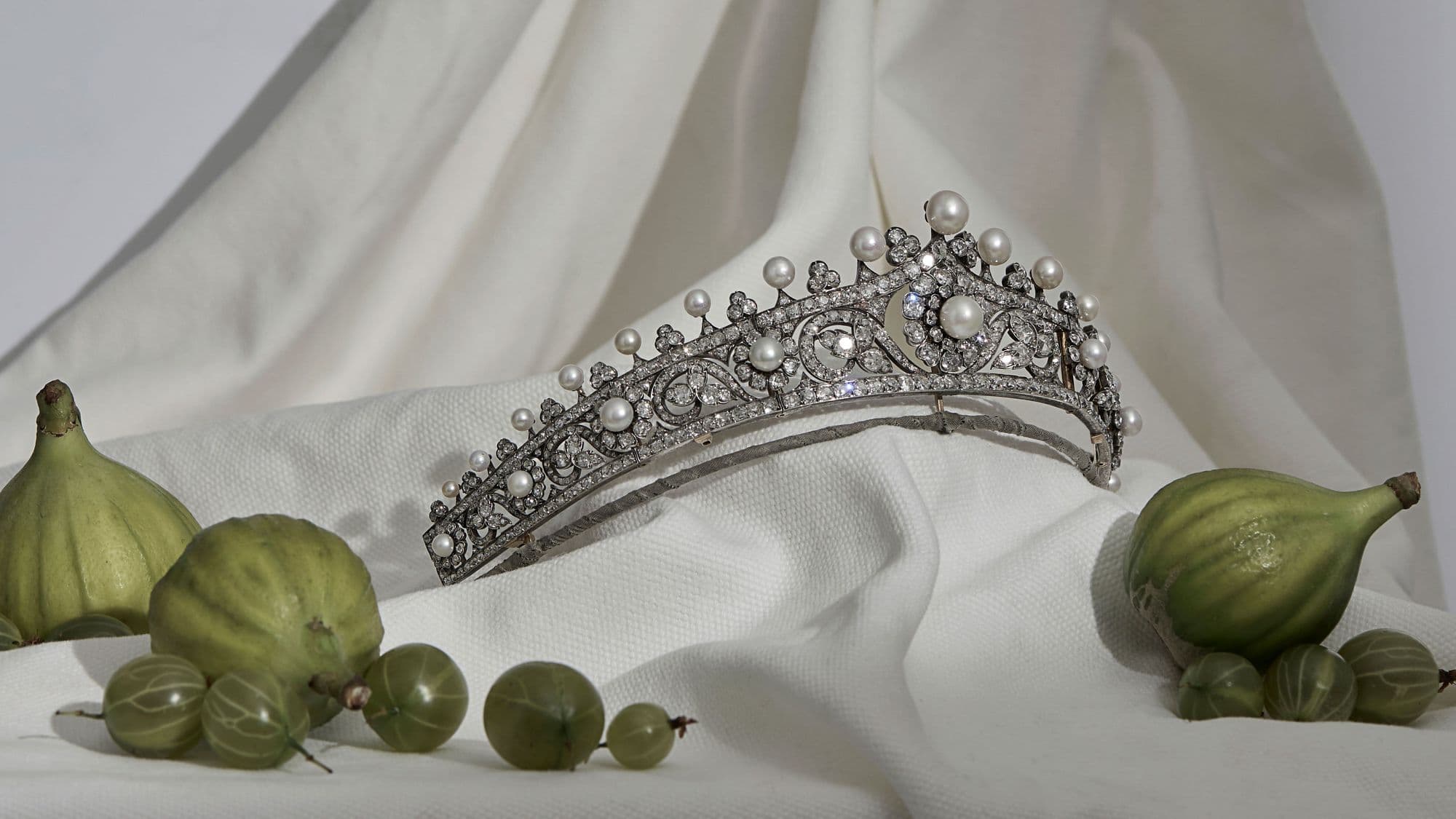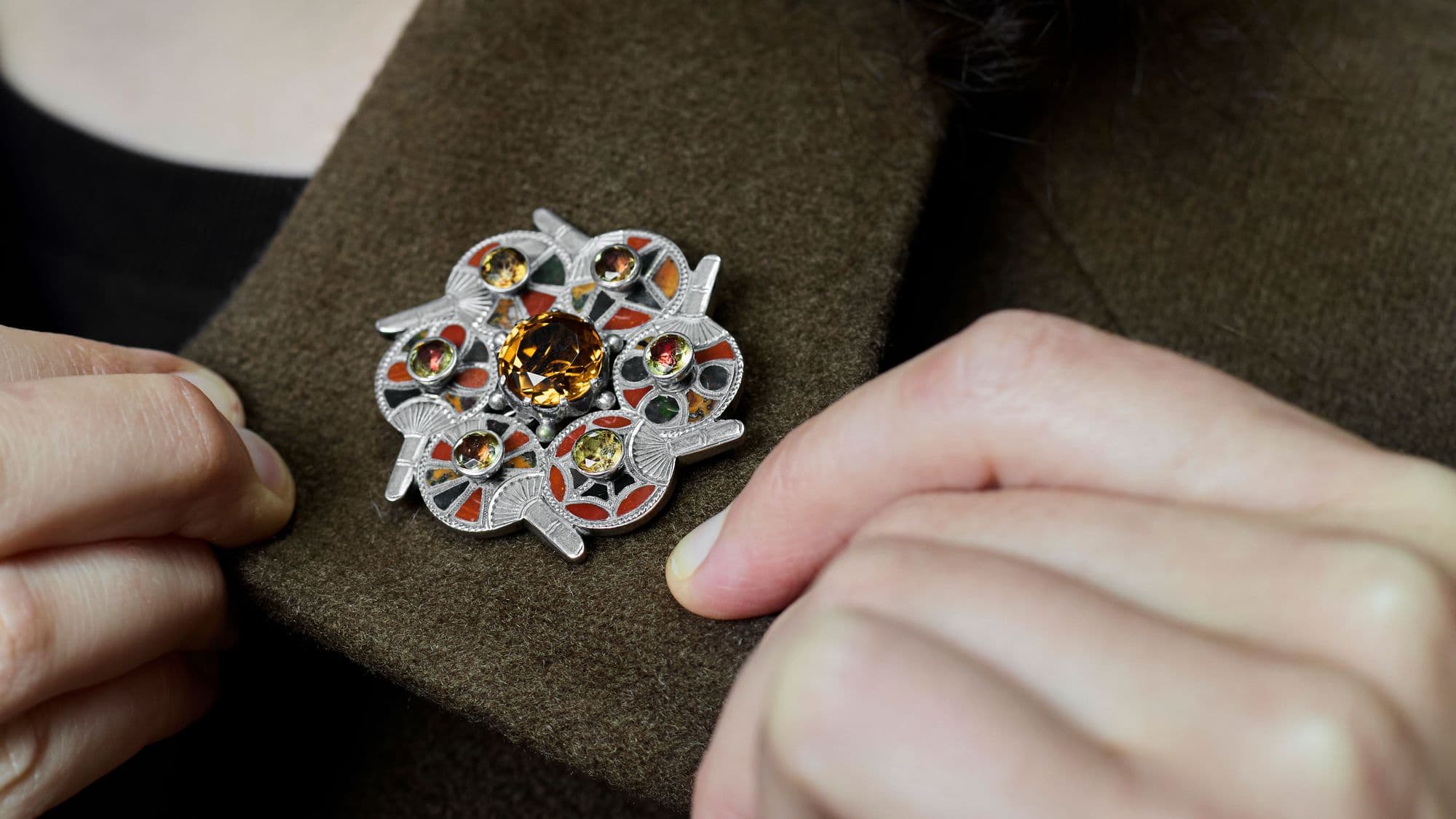
Walk into an auction, antiques fair or jewellery shop specialising in Scottish works of art and you're likely to find colourful agate brooches, granite bracelets or striking plaid brooches that look as distinctive today as they did 150 years ago. Their appeal lies not only in their craftsmanship but in their individuality. No two pieces are exactly alike, as every stone has its own natural colours and patterns.
For collectors, that's part of the attraction. Whether you're buying your first Victorian brooch or building a specialist collection, Scottish hardstone jewellery offers remarkable variety, strong craftsmanship and a tangible connection to Scotland's landscape and history.
Why Did Victorian Scotland Fall in Love with Hardstone Jewellery?
During the nineteenth century, Scotland experienced a renewed interest in its history, traditions and landscapes. Queen Victoria's love of the Highlands, the popularity of Sir Walter Scott's novels and the wider Celtic Revival all contributed to a growing demand for jewellery that celebrated Scottish identity. Makers responded by transforming native and locally associated stones into beautifully crafted brooches, bracelets, pendants and kilt pins.
Rather than relying on diamonds or imported gemstones, Scottish jewellers embraced agates, granite, bloodstone and Cairngorm citrine, creating jewellery that felt unmistakably Scottish.
Quick Answer: Scottish hardstone jewellery remains highly collectable because it combines beautiful natural stones, exceptional Victorian craftsmanship and distinctive Scottish design. From colourful agates and granite to Highland-inspired brooches and bracelets, every piece is unique, making it one of the most popular areas of nineteenth-century jewellery collecting.