What Did Lucian Freud Learn from Cedric Morris?
Morris is now particularly celebrated for his flower paintings, but he did not simply paint flowers. He grew and studied them. Gardening was central to his life at Benton End, where his knowledge as a plantsman became as remarkable as his reputation as an artist. His paintings reveal the depth of that observation: flowers are individual, physical things rather than generic decorative forms. That offers an interesting way of thinking about Morris's influence on Freud.
Morris knew his flowers intimately, observing their structure, character and physical presence. Freud would eventually bring an equally intense scrutiny to the human body. The subjects were very different, but both artists shared a determination to look beyond appearance. Morris's plants and Freud's figures emerge from prolonged observation rather than idealisation.
It is tempting to think that this may have been one of the most important lessons Freud absorbed at Benton End: to know your subject from the inside out.
Arthur Lett-Haines and Life at Benton End
Benton End was never Morris's creation alone. Arthur Lett-Haines, universally known as Lett, co-founded the school and was central to its daily life. While Morris provided much of the artistic guidance, Lett oversaw its administration and helped create the communal environment for which Benton End became known. He was also an accomplished artist in his own right.
Food was another important part of the Benton End story. Lett presided over the kitchen, and the school's wider circle included the influential food writer Elizabeth David, who exchanged recipes with Lett and owned paintings by Morris.
This combination of painting, gardening, cooking and conversation helps explain why Benton End has retained such fascination. It was not simply somewhere students went to learn how to paint. It proposed a much broader way of living creatively.
Joan Warburton and the Artists of Benton End
Among the artists associated with Benton End was Joan Warburton, who was present from its earliest years. Like Freud, Warburton developed her own artistic language while retaining traces of Morris's influence. Her paintings demonstrate a similar fascination with colour and the natural world, but applied with a distinctive eye of her own.
Her Nine London Pigeons of 1957 is a wonderful example. Morris's influence can be felt in its intense observation of nature, but the urban subject is entirely Warburton's. The Garden Museum describes her work as combining realism with a concern for an animal's inner presence and character.
Warburton went on to have fourteen solo exhibitions between 1948 and 1992 and exhibited at the Royal Academy Summer Exhibition over several decades. Her career is a reminder that the story of Benton End extends well beyond its most famous pupil.
Cedric Morris: Painter and Plantsman
The Garden Museum exhibition also brought together a remarkable group of Morris's own paintings. His flower paintings are now among his most recognisable works, reflecting the extraordinary overlap between his lives as artist and plantsman. Gardening was not a hobby pursued separately from painting; the two practices informed one another.
Morris became particularly celebrated for breeding irises, and gardening remained an important part of his creative output throughout his life. His paintings similarly reward close looking. Their flowers are exuberant and colourful, but they are also the work of somebody who understood the plants he was painting extraordinarily well.
The Legacy of Benton End
The importance of Benton End lies partly in the artists who passed through it, but also in the philosophy behind it. Morris and Lett created an environment in which artists were encouraged to look, work and find their own visual language. The school was deliberately informal, yet its influence was substantial.
For Freud, that experience came at the very beginning of an extraordinary career. For Warburton and many others, Benton End similarly provided a place in which an individual artistic identity could develop.
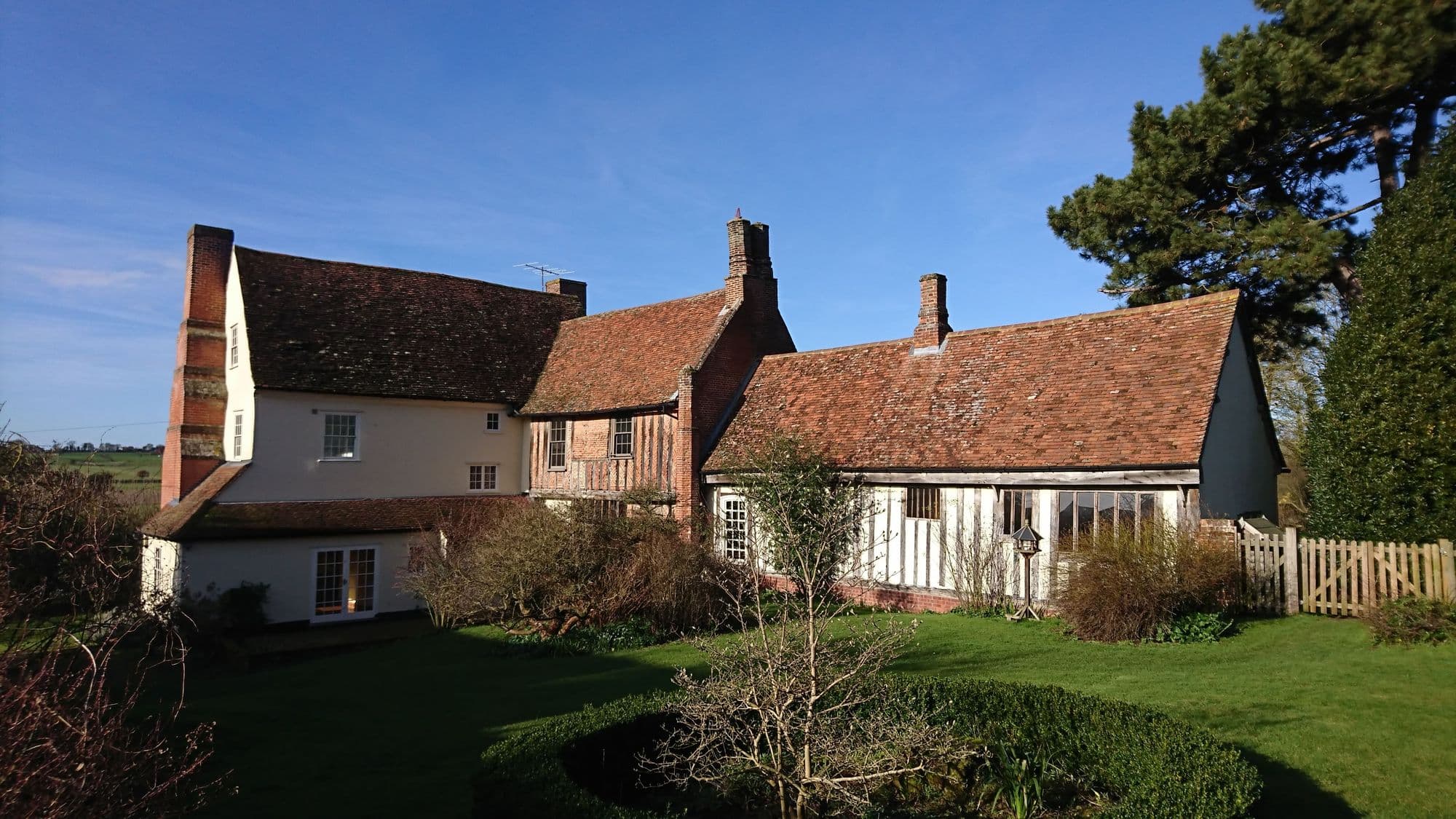
Today, Benton End itself is entering another chapter. The Garden Museum has been working to restore its celebrated garden and revive the site as a place for artistic and horticultural learning, reconnecting it with the purpose Morris and Lett gave it more than eighty years ago. Perhaps that is the most fitting legacy for an art school where the lesson was never simply how to paint.