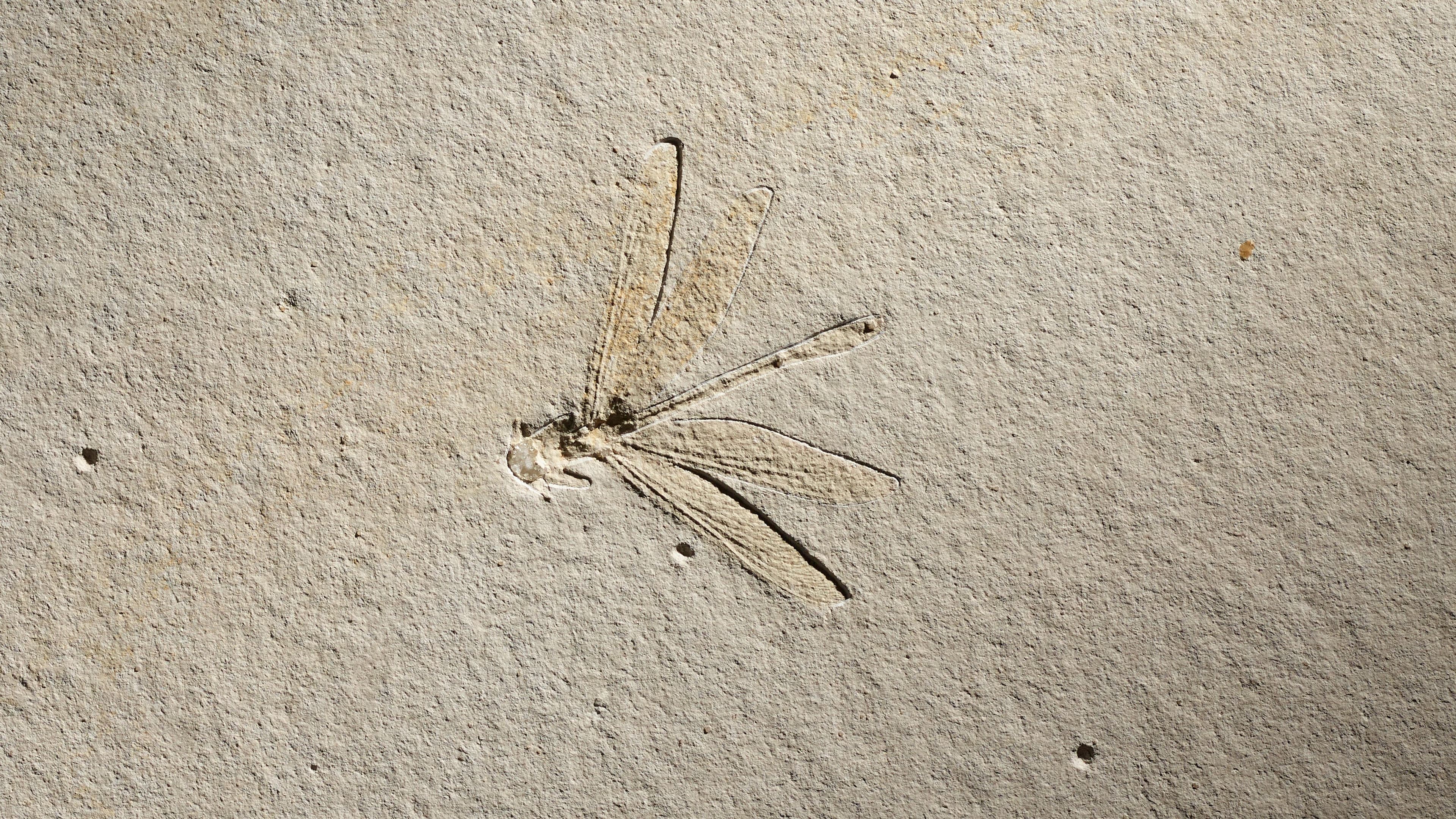
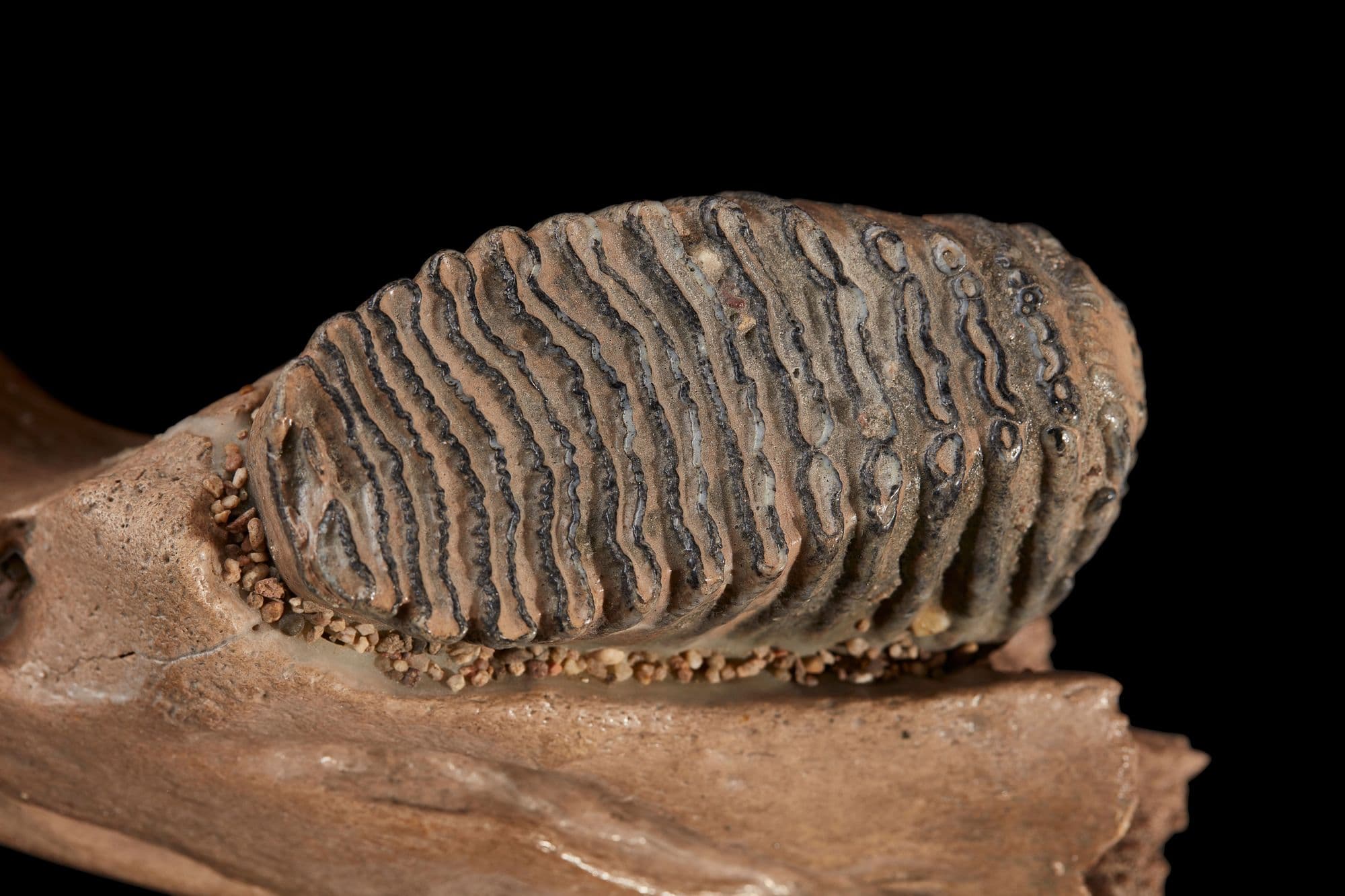
Our specialists advise on fossils across a wide range of periods, species and collecting categories, from individual specimens to substantial Natural History collections.
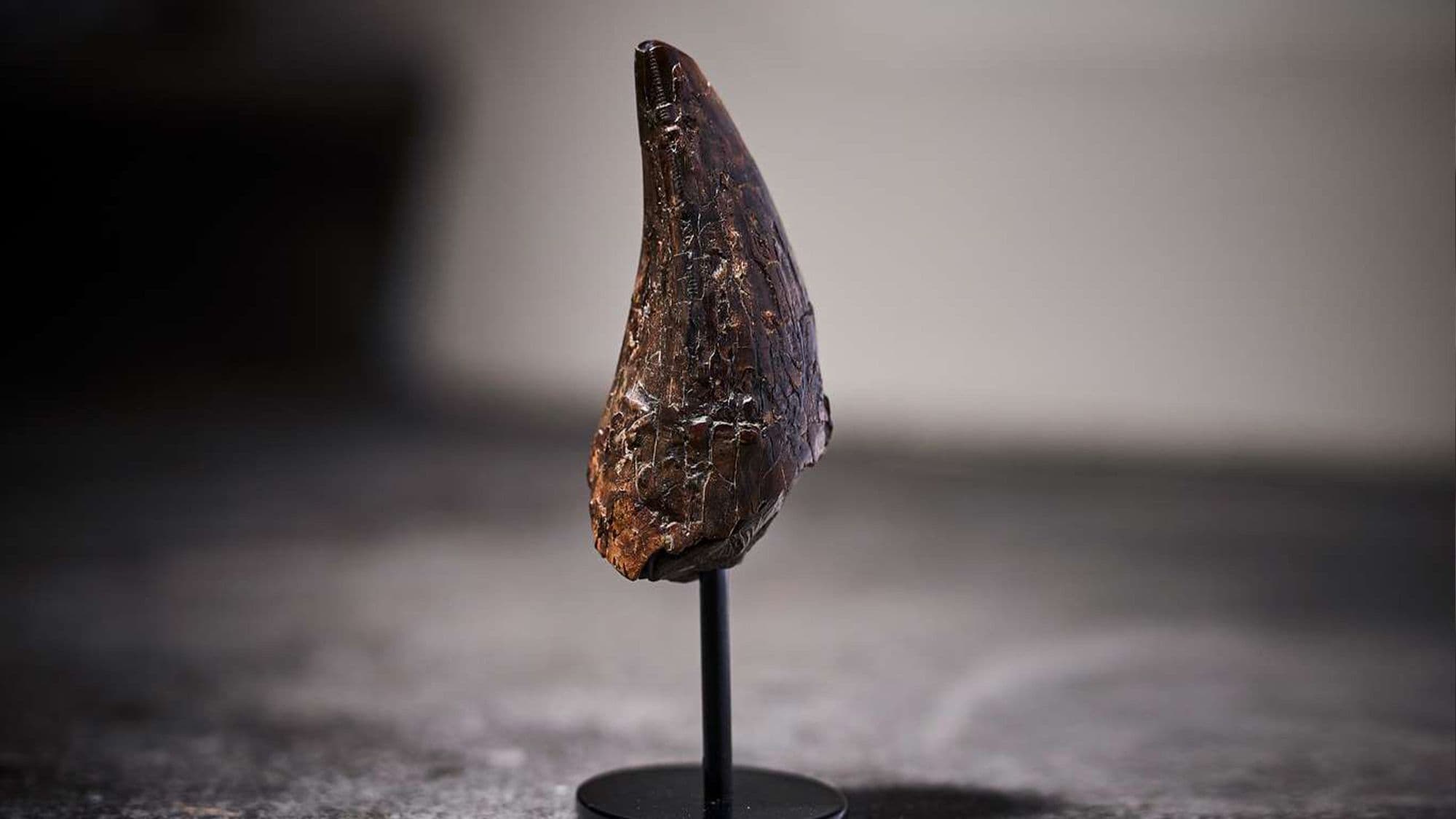
Dinosaur Fossils
Dinosaur material can range from individual teeth and bones to articulated or near-complete specimens. Species, completeness, preservation, provenance and the amount of original material present are particularly important when assessing a specimen for auction.
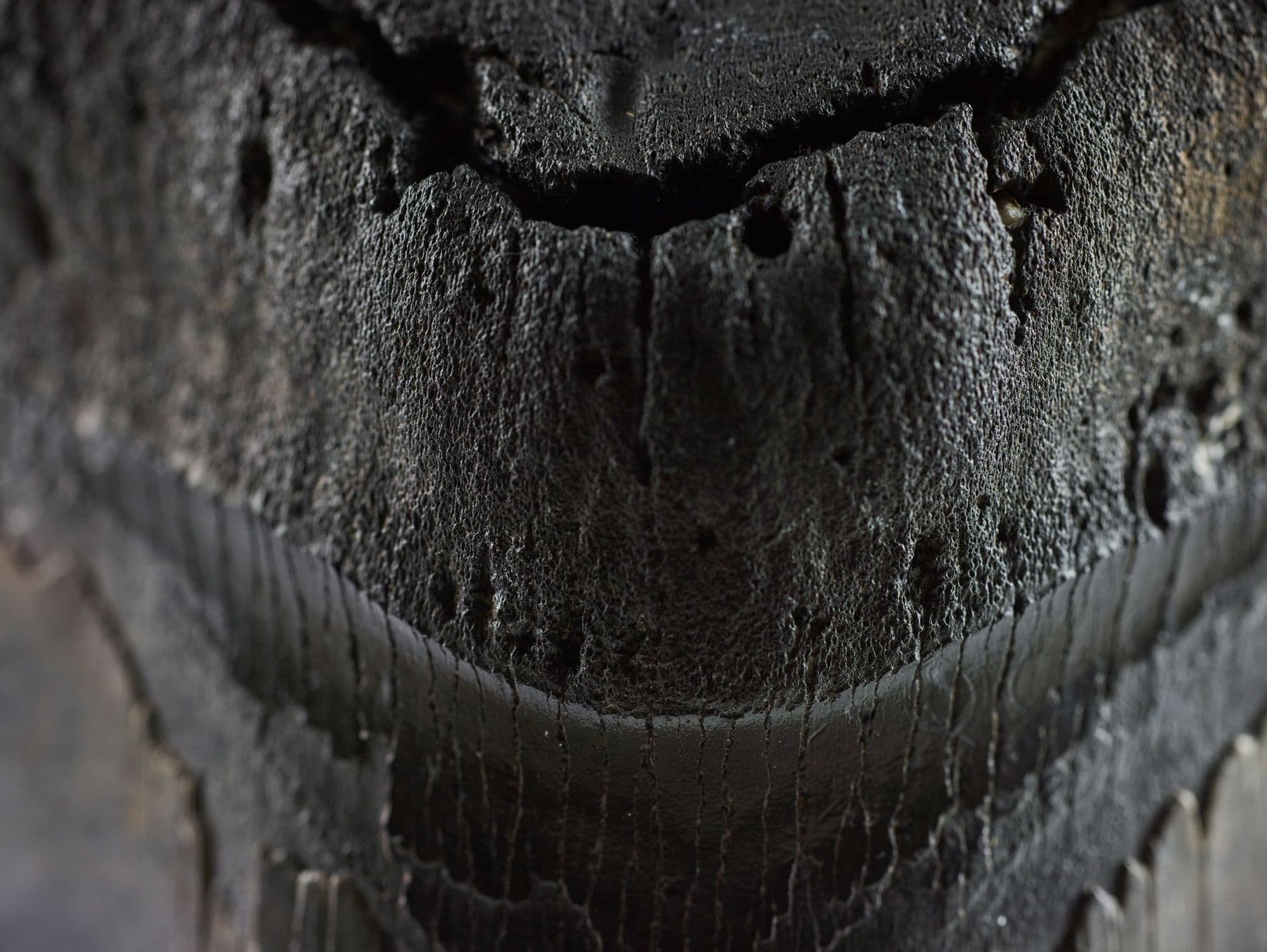
Megalodon Teeth
The enormous fossil teeth of Otodus megalodon are highly collectable, but quality varies considerably. Size can be important, alongside the condition of the enamel, serrations, root and bourlette, natural colour, locality and any restoration.
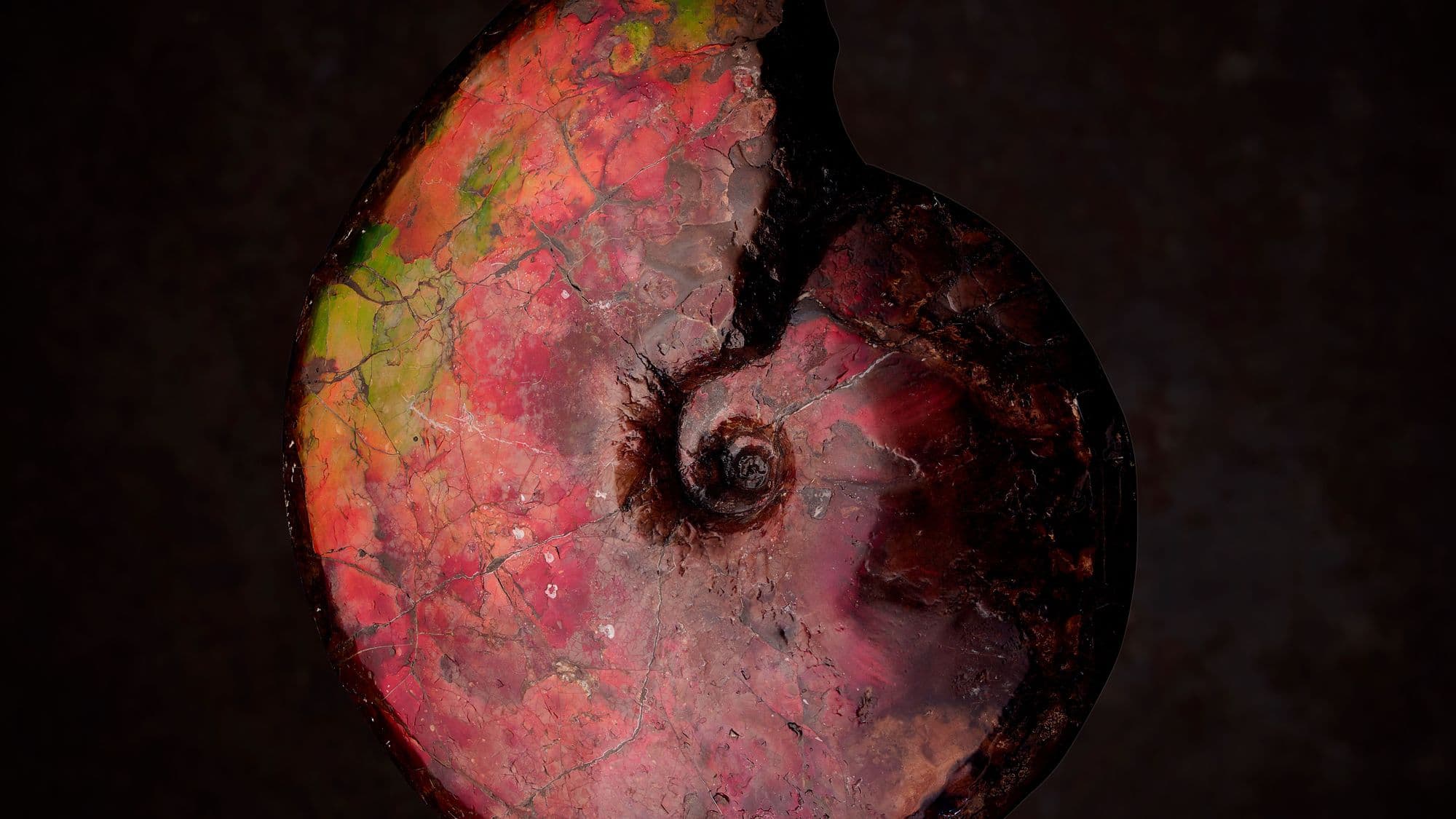
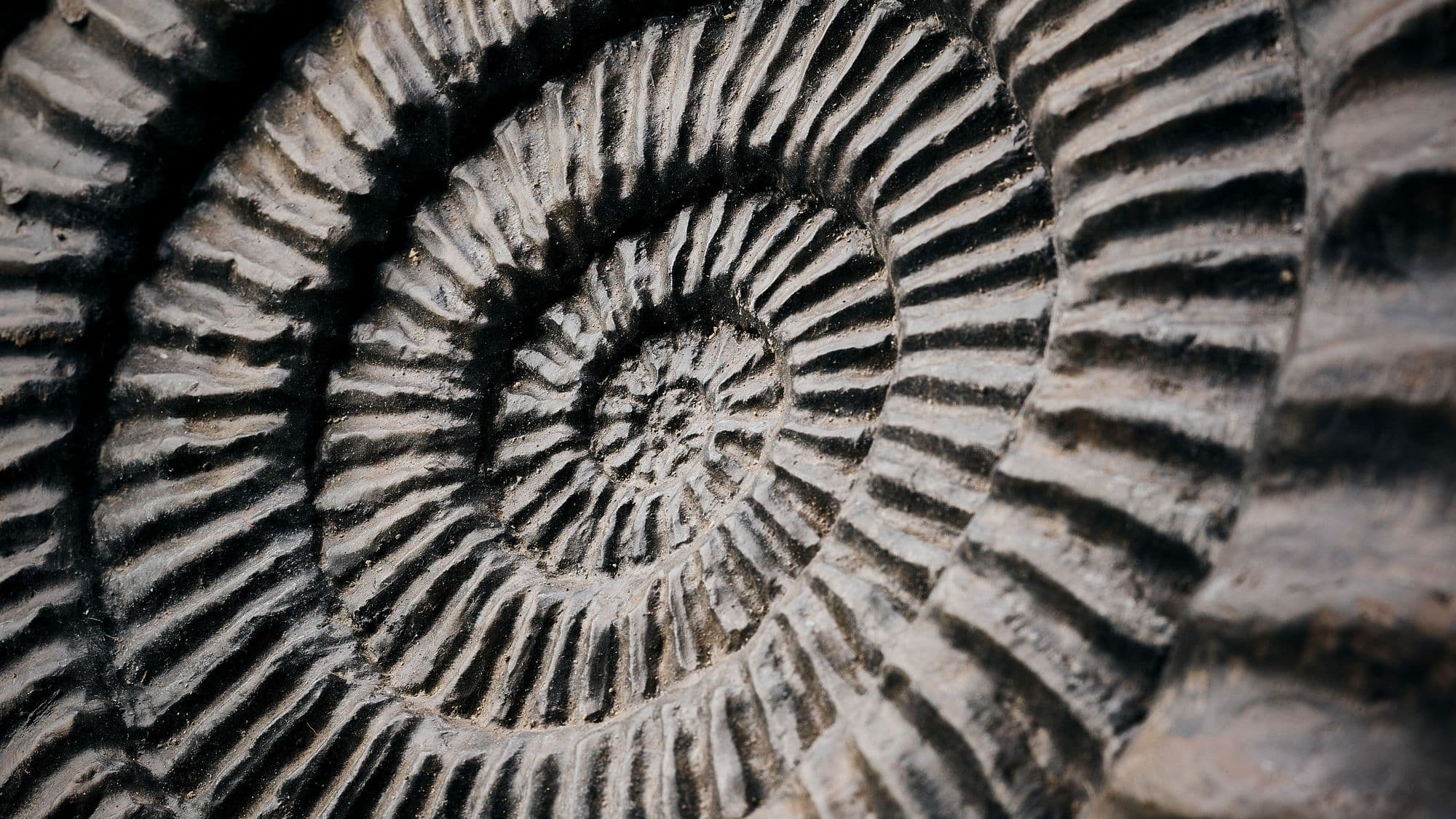
Ammonites
Ammonites range from relatively abundant examples to exceptional specimens valued for their scale, preservation or unusual mineralisation. Particularly collectable examples include large display specimens and iridescent ammonites in which the shell has survived as ammolite.
We also value fossil fish and plants, prehistoric mammal remains, fossil eggs, petrified wood and other important or unusual fossil material.
What Makes a Fossil Valuable?
The age of a fossil does not determine its value on its own. Two fossils dating from the same period, or even belonging to the same species, can have very different values. Several factors are considered when assessing a fossil for auction.
Rarity and species
Material associated with particularly scarce or highly collected species may attract greater interest, but rarity needs to be considered alongside the quality of the individual specimen.
Completeness
Complete or articulated specimens can be considerably rarer than isolated material. With skeletons, specialists will also consider how much of the specimen is original and whether the bones belong to a single individual.
Condition and preservation
The survival of original surfaces and fine anatomical detail can have a considerable effect on desirability. In fossil teeth, for example, enamel, serrations and root preservation may all be important.
Preparation and restoration
Preparation is a normal part of bringing many fossils out of their surrounding matrix. Restoration and reconstruction are also encountered frequently, but their extent should be understood when assessing a specimen.
Provenance
Information about where and when a fossil was discovered, previous ownership and its collecting history can be important. For significant specimens, good documentation may contribute substantially to confidence and desirability.
Visual impact
Natural History is also a highly visual collecting field. Scale, form, colour and the way a specimen presents can influence demand, particularly for exceptional display pieces.
Fossils Sold at Lyon & Turnbull
Previous Natural History auctions at Lyon & Turnbull have demonstrated international demand for exceptional fossil material. A fossil palm frond with fish from the Green River Formation in Wyoming, dating to approximately 50 million years ago, sold for £22,860.
A fully articulated cave bear skeleton from the Late Pleistocene realised £22,688, while a spectacular iridescent ammonite from Canada's Bearpaw Formation achieved £20,000. A Psittacosaurus skeleton, dating to the Lower Cretaceous Period, sold for £13,750.
These results demonstrate the breadth of the market. Important fossils do not belong to a single period or collecting category and an auction valuation depends on the qualities of the individual specimen.
All prices include buyers' premium.