Are Ammonite Fossils Valuable?
Some ammonites can be valuable, but age alone does not make an ammonite rare or commercially important.
Ammonites lived in the world’s oceans for hundreds of millions of years and left an extensive fossil record. Many species are relatively abundant, and smaller or commonly encountered specimens can be modest in value.
At the other end of the market are ammonites distinguished by their rarity, exceptional size, completeness, preservation or appearance. Particularly fine specimens may retain intricate shell detail, display unusual mineralisation or possess remarkable iridescent surfaces. Understanding where an individual specimen sits within this spectrum requires more than simply knowing its age or dimensions.
What Makes an Ammonite Valuable?
Several characteristics can influence the desirability and potential auction value of an ammonite.
Rarity and Species
Some ammonite species are much scarcer than others, while particular geological formations and localities can produce material of exceptional quality or scientific interest.
Accurate identification and information about where the specimen was discovered can therefore be important when assessing it.
Size
Large ammonites have considerable visual impact and can be impressive display pieces, but size does not determine value on its own.
A smaller, rare or exceptionally well-preserved ammonite may be more significant than a much larger specimen from a commonly encountered species.
Completeness and Preservation
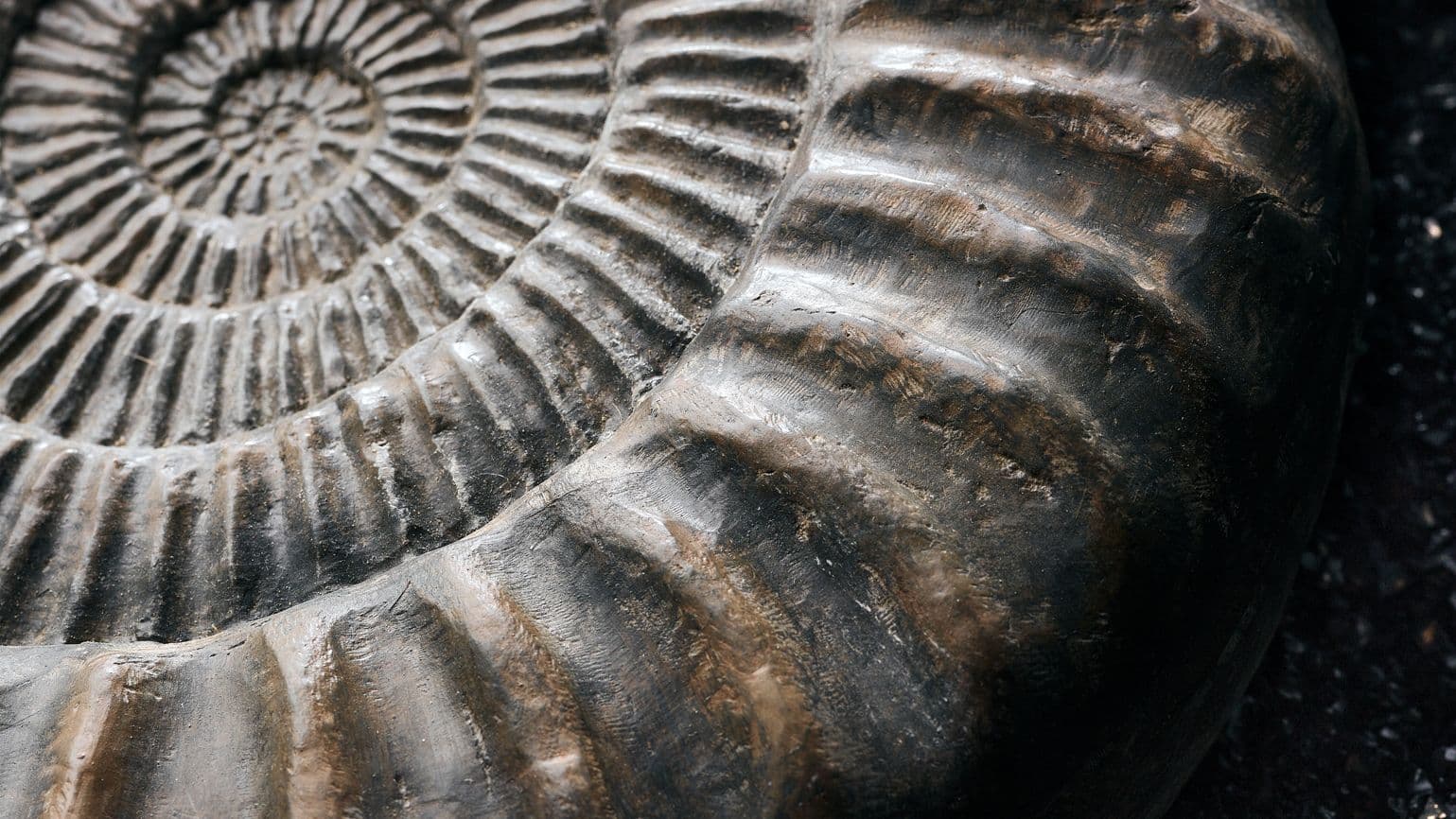
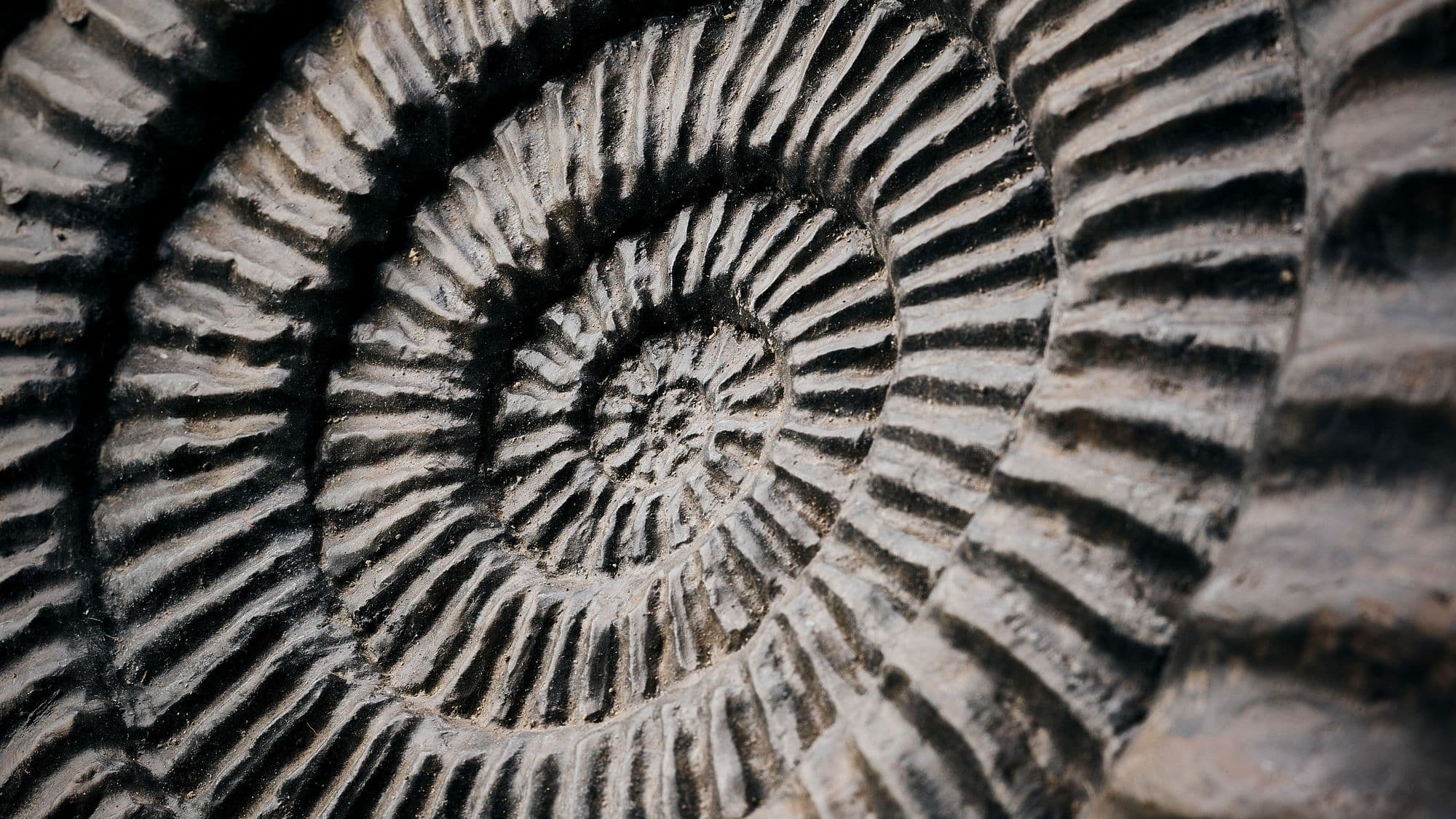
The quality of preservation can make an enormous difference. Collectors may look for a well-defined shell, complete outer whorls and surviving surface detail. Depending on the specimen, the internal chambers, sutures or original shell material may also contribute considerably to its interest and appearance.
Colour and Mineralisation
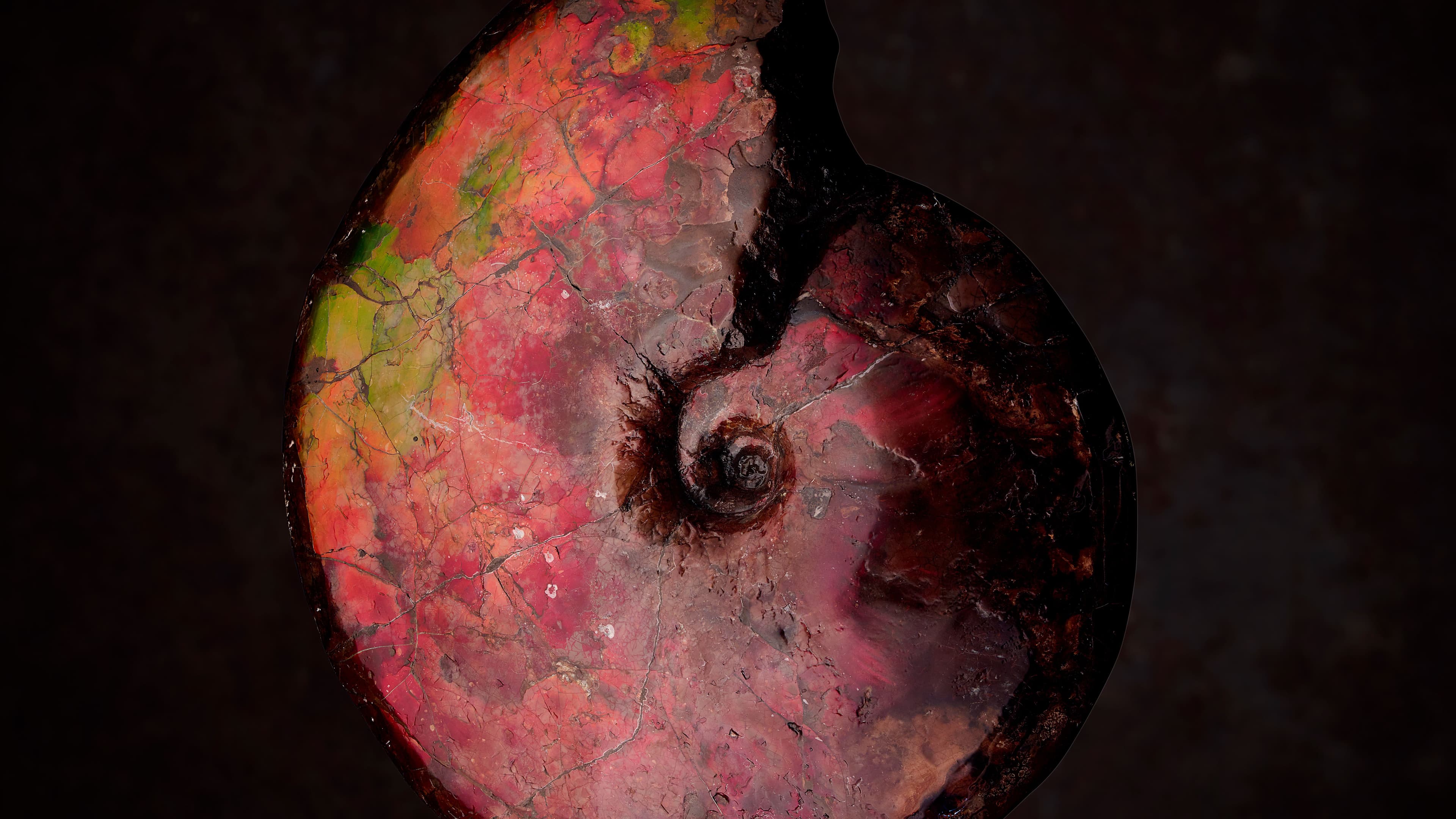
Some of the most striking ammonites owe their appearance to the minerals associated with fossilisation. Calcite, pyrite and other minerals can replace or preserve parts of a shell, while a small number of ammonites retain spectacular iridescent shell material.
These unusual forms of preservation can transform an ammonite into an object of remarkable colour and visual presence.
Provenance and Locality
The location in which an ammonite was discovered can help establish its geological age, species and significance.
Old collection labels, invoices and other records can also provide valuable information about a specimen’s subsequent history. These should be retained wherever possible, particularly for important or unusual examples.
Why Are Some Ammonites Iridescent?
Some of the most spectacular ammonites display flashes of red, green, blue, gold and violet across the surviving shell.
This iridescence is produced by the microscopic structure of preserved shell layers interacting with light. Particularly important examples are associated with the Bearpaw Formation of Alberta, Canada, where exceptionally preserved ammonite shell can produce intense iridescent colour. Material of sufficient quality from this region is also the source of the gemstone ammolite.
For collectors, a substantially complete iridescent ammonite can combine natural history with an extraordinary visual quality quite unlike that of a more conventionally preserved fossil.
What Is the Difference Between Ammonite and Ammolite?
The terms are related, but they do not mean the same thing. An ammonite is the fossilised remains of an extinct marine cephalopod. Ammolite is the name given to gem-quality iridescent material derived from the fossilised shells of certain ammonites, most famously those found in southern Alberta.
Not every ammonite contains ammolite and not every iridescent ammonite is necessarily regarded as gem-quality ammolite. For valuation purposes, the quality and extent of the surviving material, the completeness of the fossil and its overall presentation all need to be considered.
Does Size Make an Ammonite More Valuable?
Not necessarily.
Large ammonites can make impressive specimens and exceptional examples may attract considerable collector interest. But a large size cannot compensate for poor preservation, extensive restoration or a particularly common species.
Conversely, an ammonite of more modest dimensions may be important because of its rarity, locality, exceptional preservation or unusual colour.
Natural, Prepared, Polished or Restored?
The appearance of an ammonite today may be quite different from how it looked when first discovered. Fossils are frequently prepared to remove surrounding rock and reveal the shell beneath. Some ammonites are left partially within their original matrix, while others may be polished or cut to expose their internal structure. Repair and restoration can also be present, particularly in large or complex specimens.
None of these characteristics automatically makes an ammonite unsuitable for auction, but understanding what has been done to a specimen is important. The amount of original fossil material, quality of preparation and extent of any restoration can all contribute to its assessment. If you are unsure, avoid further cleaning, polishing or restoration before seeking specialist advice.