Early Life and Background
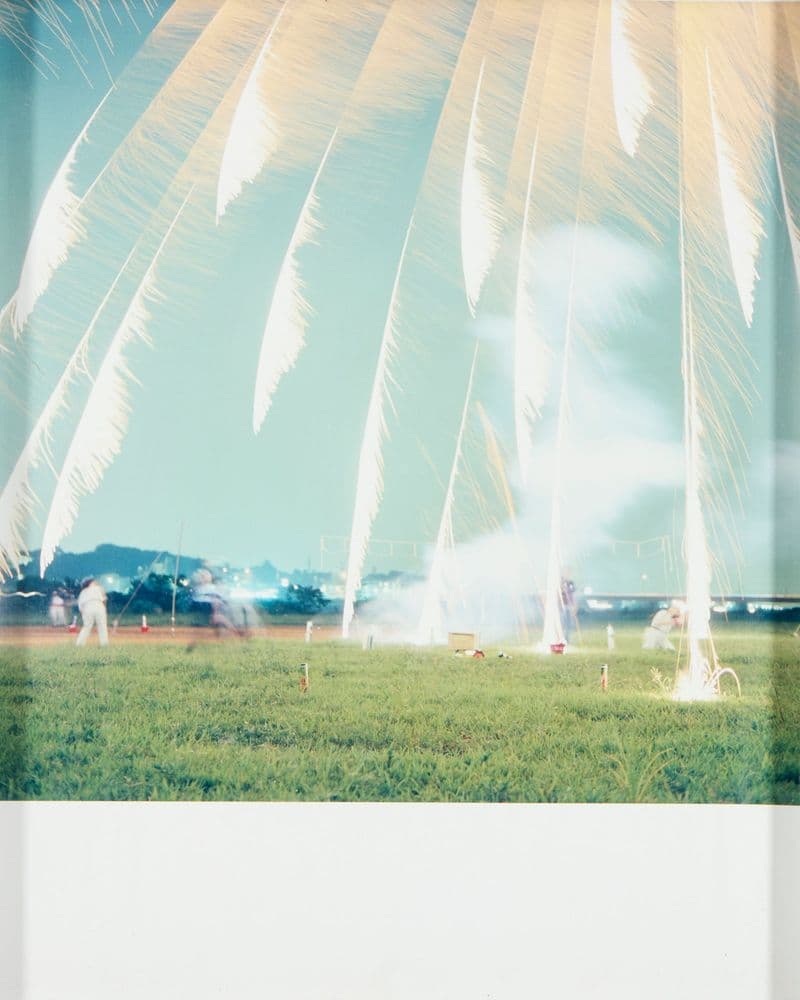
Rinko Kawauchi was born in 1972 in Shiga Prefecture, Japan and lives and works in Chiba, Japan. She began pursuing photography while studying graphic design and photography at Seian University of Art and Design, graduating in 1993, and initially worked in commercial and advertising photography. Her early training in design and visual communication informed the careful sequencing and composition that would later define her fine art practice. Kawauchi’s breakthrough came in 2001 with the simultaneous publication of three photo books, Utatane, Hanabi and Hanako, which drew critical attention in Japan and established her unique visual voice rooted in everyday observation and emotional resonance.
Artistic Practice
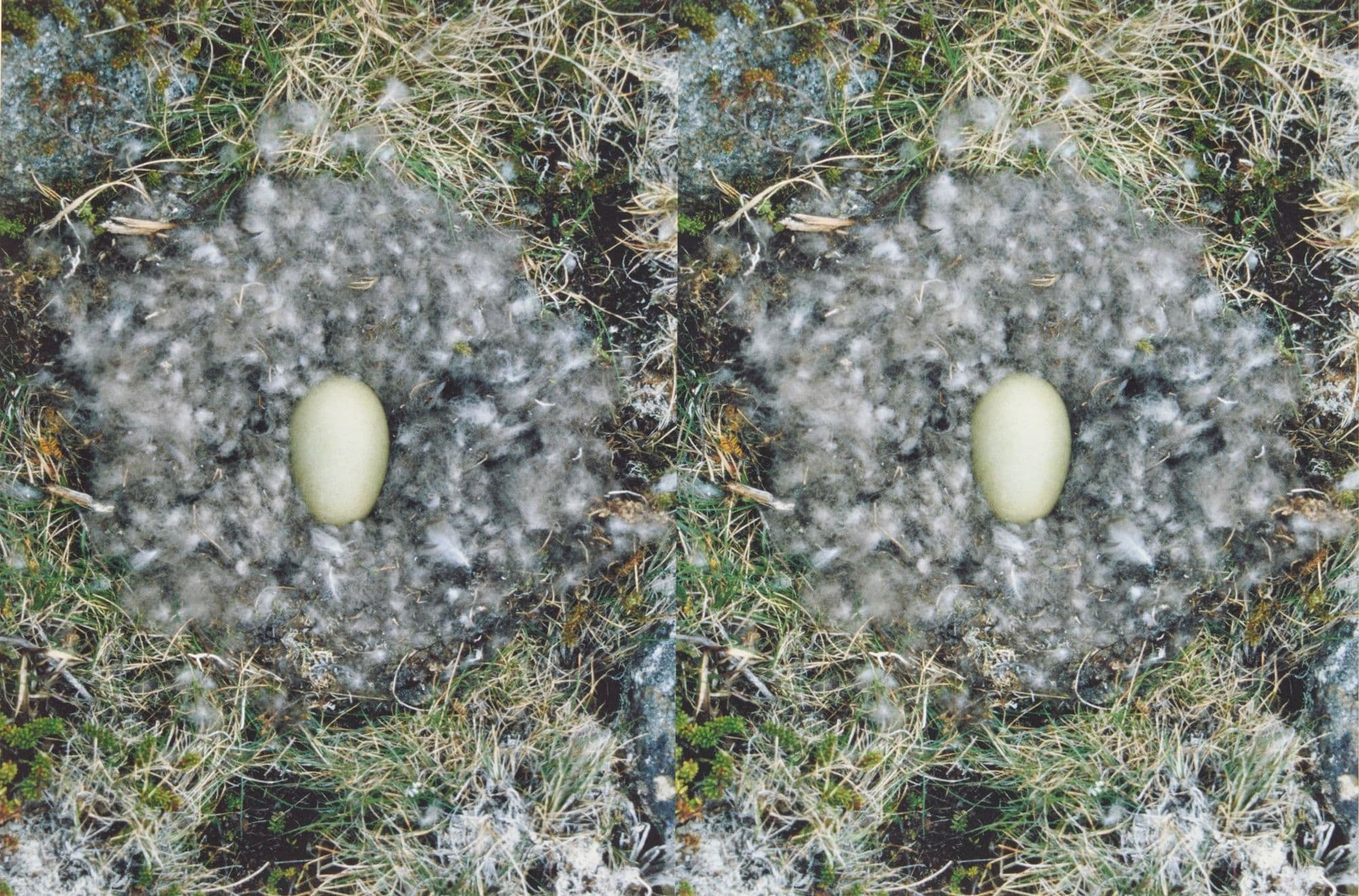
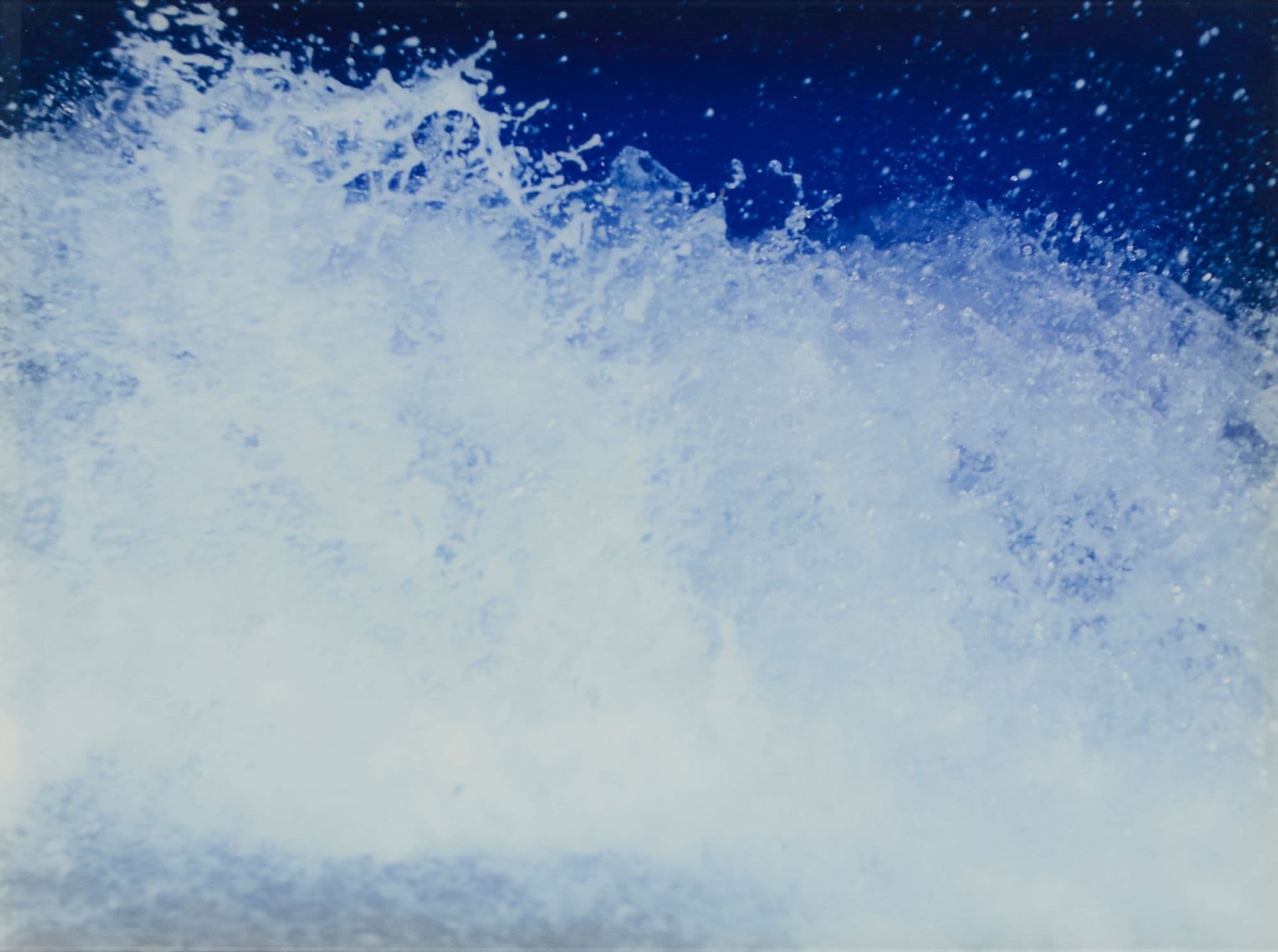
Kawauchi is celebrated for her poetic, serene photographic works that capture ordinary moments with a quiet, almost dreamlike beauty. Her images make the mundane feel luminous, transforming everyday subjects, flowers, water, skies, family moments and small natural phenomena, into evocative visual narratives. Her practice is informed by a sense of transience and fragility, often exploring the threshold between ordinary life and fleeting, ineffable experience. Kawauchi frequently works in series, constructing sequences of photographs that invite the viewer to contemplate the passage of time, light and emotion as if reading a visual poem. She often uses a square-format Rolleiflex camera for many of her projects, giving her work a subtle, gentle rhythm and visual harmony.
Influence and Legacy
Rinko Kawauchi is recognised as one of Japan’s most influential contemporary photographers, known for elevating everyday life into poetic visual experience. Her work has earned major honours including the Kimura Ihei Photography Award, the Infinity Award for Art from the International Center of Photography, and an Honorary Fellowship of the Royal Photographic Society, underscoring her international impact. Kawauchi’s photographs are held in prominent collections such as the San Francisco Museum of Modern Art, the Huis Marseille Museum for Photography in Amsterdam, and the Tokyo Photographic Art Museum, reflecting sustained institutional recognition. Her distinctive vision, one that treats the ordinary as a site of wonder, continues to influence photographers and artists interested in the subtle intersections of light, mood, memory and the everyday.