
Early Life and Background
Ishmael Randall-Weeks was born in Peru in 1976 and divides his time between Lima and international art centers. His upbringing exposed him to a rich mixture of indigenous and contemporary Peruvian artistic traditions, fostering a hybrid visual language that merges narrative, symbolism, and ritual. Randall-Weeks later studied in the United States and Europe, which expanded his technical and conceptual range while reinforcing his interest in cultural identity, memory, and visual storytelling.
Artistic Practice and Methodology
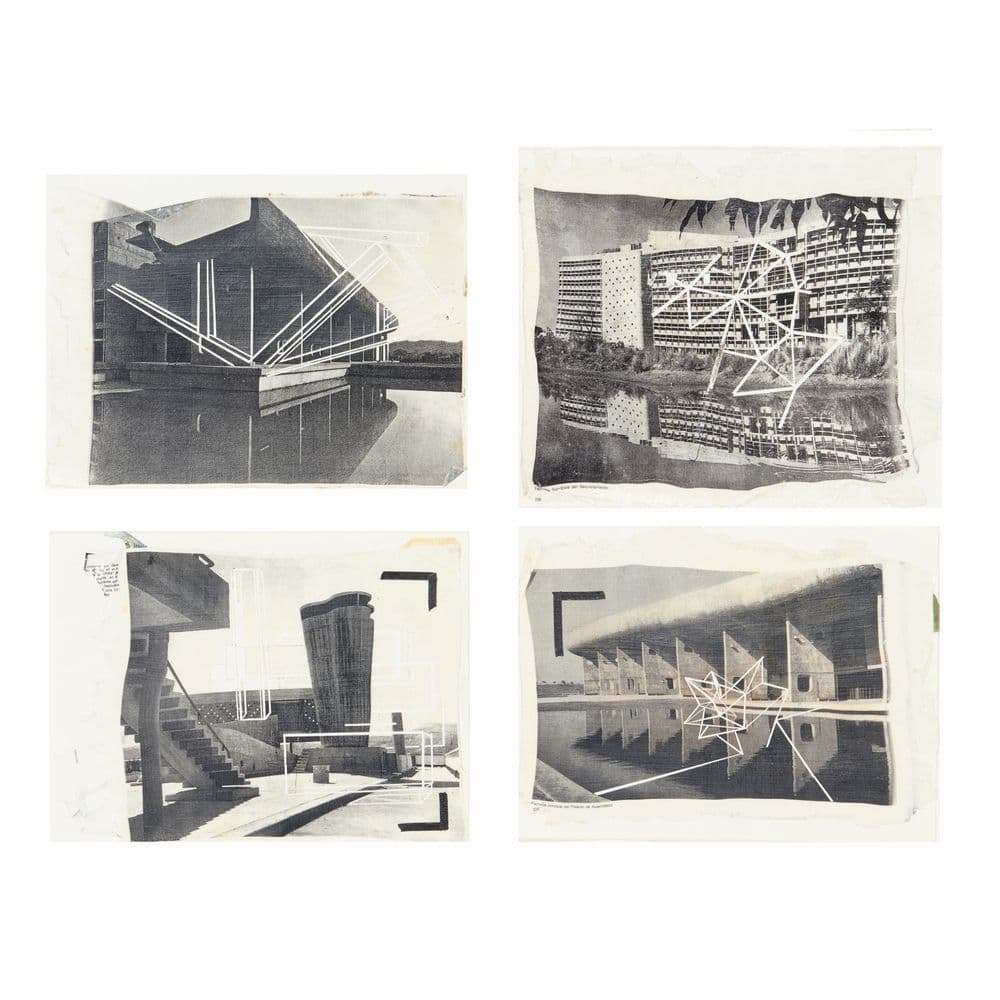
Randall-Weeks works across painting, installation, and socially engaged projects. His work blends figurative and abstract motifs to explore memory, identity, cultural hybridity, and spirituality. He often incorporates materials and techniques derived from traditional Peruvian arts, reinterpreted in contemporary contexts. His layered compositions evoke ritualistic and narrative qualities, bridging ancestral practices with modern conceptual concerns. Themes of memory, social engagement, and spiritual reflection recur across his practice, positioning him within broader dialogues about contemporary Latin American and transnational art.
His methodology combines intuitive layering with deliberate conceptual strategies, creating work that is both visually compelling and intellectually rich. Randall-Weeks navigates multiple scales and contexts, producing pieces that resonate in both gallery and public settings.
Influence and Legacy
His work addressed cultural continuity and the tension between local tradition and global contemporary art debates. Exhibited in Lima, New York, and São Paulo, including the Museo de Arte de Lima and the International Center of Photography, his work was featured in ArtNexus and ArtForum, as well as catalogues exploring Latin American contemporary art. Represented by galleries engaged with emerging Latin American voices, Randall-Weeks attracted collectors and institutions committed to cross-cultural dialogue. Situated within the early-2000s Latin American art market, his practice contributed to broader discussions on postcolonial identity, visual memory, and narrative photography, securing his legacy as a pivotal contemporary Peruvian artist.
Discover more on Ishmael's Instagram.