Early Life and Background
Piotr Uklański was born in Warsaw, Poland, in 1968 and lives and works between Warsaw and New York City. He studied painting at the Academy of Fine Arts in Warsaw before pursuing further studies in photography at Cooper Union School of Art in New York, where he received his MFA in the mid-1990s. His transatlantic education and early immersion in both European and American art scenes laid the foundation for a practice that spans multiple media and cultural references.
Artistic Practice and Methodology
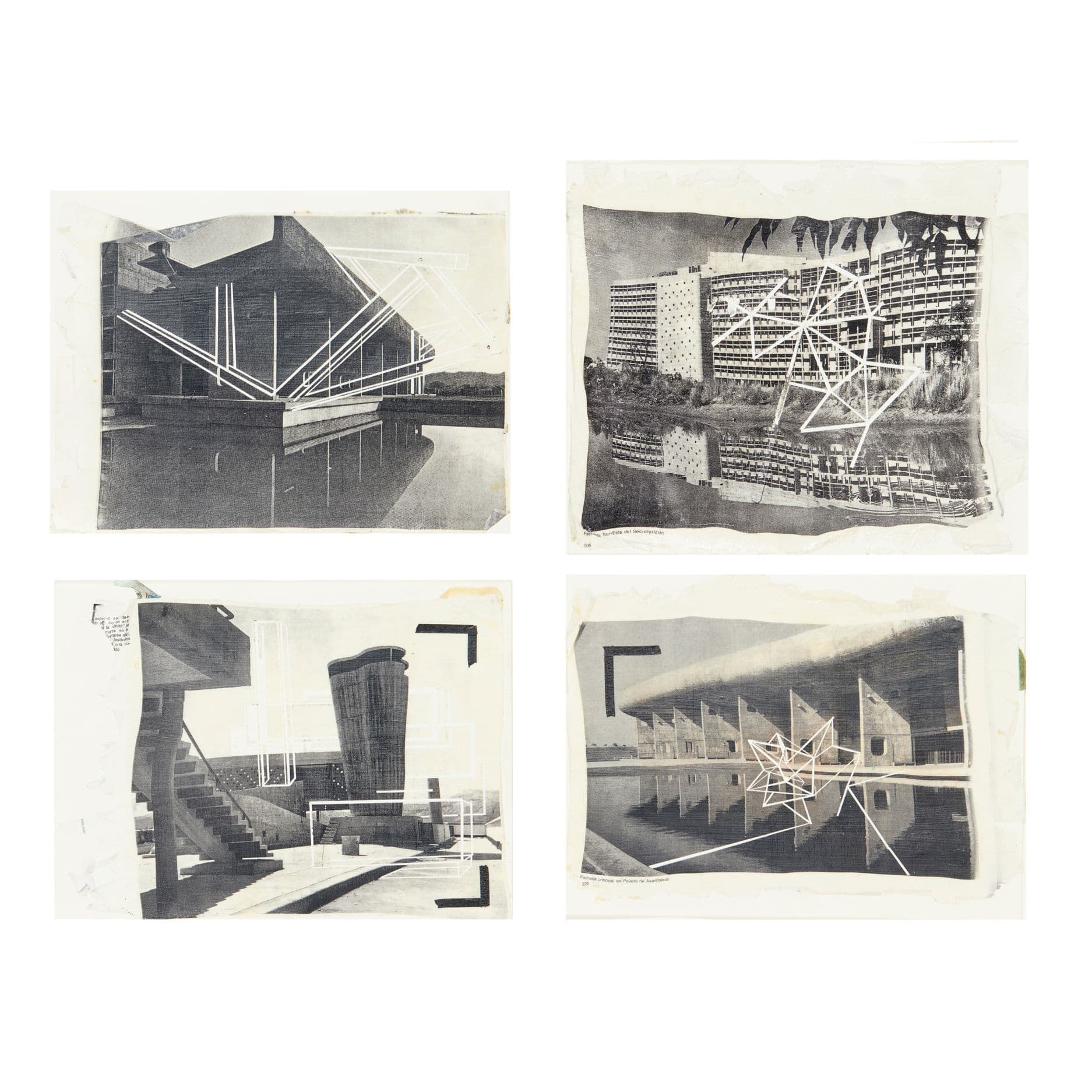
Uklański’s work encompasses photography, sculpture, collage, film, installation, and performance, reflecting a prolific and exploratory approach to contemporary art. His practice often interrogates widely recognisable cultural tropes, clichés, and symbols, simultaneously embracing and subverting familiar imagery. Early works such as Untitled (Dance Floor) (1996) merged minimalist aesthetics with pop culture sensibilities, while photographic series like Untitled (The Nazis) (1998) challenged conventional boundaries of representation and provoked public controversy.
Throughout his career, Uklański has continued to experiment with diverse materials and forms, producing work that plays with ideas of spectacle, media saturation, historical memory, and collective imagination. His output frequently engages with the interplay between pop culture and high art, using familiar visual languages to prompt reflection on social and artistic conventions.
Influence and Legacy
Uklański is recognised as one of Poland’s most significant contemporary artists, noted for his provocative and wide-ranging contributions to late 20th- and early 21st-century art. His projects interrogated mass culture, historical memory, and media saturation, reflecting international debates around irony, spectacle, and collective imagination in contemporary art. Exhibited at Documenta 11, Venice Biennale, the Whitney Museum, and the Zachęta National Gallery, and published in Artforum, Frieze, and monographs on global contemporary practice, his work reached critical and institutional recognition. Represented by internationally oriented galleries, Uklański attracted collectors seeking socially reflective and conceptually provocative work. Situated in the early-2000s global art market, his practice expanded dialogues on the interplay of pop culture and high art, consolidating his legacy as a key figure in Polish and international contemporary art for his engagement with cultural critique and media literacy.
His engagement with cultural icons, media imagery, and historical subject matter, often with an ironic or critical edge, has influenced dialogues around representation, memory, and the role of imagery in contemporary society. Through international exhibitions and inclusion in key museum collections, his practice continues to shape perspectives on how visual culture both reflects and constructs contemporary experience.