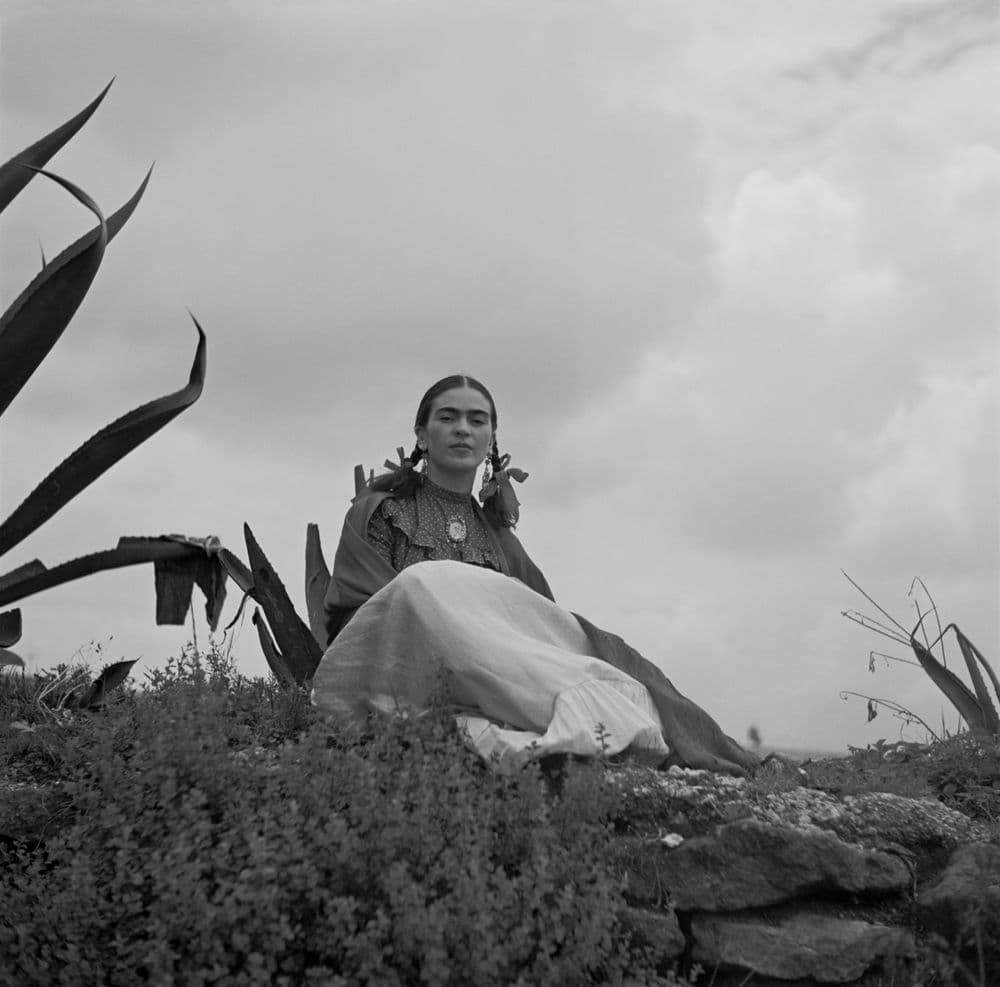
Frida Kahlo remains one of the most distinctive and compelling artistic voices of the 20th century. Born in Coyoacán, Mexico, Kahlo’s work is deeply rooted in her personal experience, shaped by lifelong physical pain following a serious accident in her youth, and by the complex emotional terrain of her relationships, most notably with fellow artist Diego Rivera.
Working primarily in painting, Kahlo developed a highly individual visual language that blends elements of Mexican folk art, Surrealism, and symbolism. Her unflinching self-portraits, often rich in allegory, explore themes of identity, gender, politics, and the body, positioning her both as subject and storyteller. Though frequently associated with Surrealism, Kahlo herself resisted the label, asserting that she painted not dreams, but her own reality.
During her lifetime, Kahlo’s work was often overshadowed by Rivera’s international reputation. However, in the decades following her death, her practice has been reassessed and widely celebrated, with her paintings now recognised as central to the canon of modern art. Today, Kahlo’s legacy extends beyond the canvas, her image and story resonating across contemporary culture, while her works continue to command significant attention within the global art market.
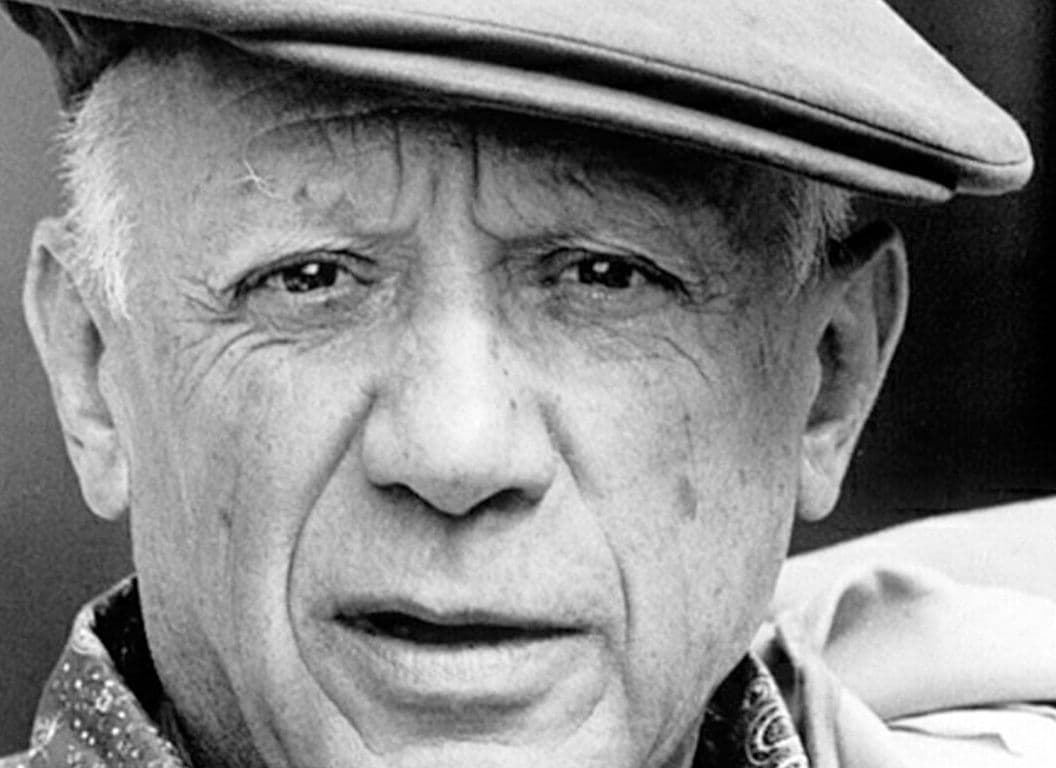
Illustrated: Toni Frissell / Adam Cuerden. Public doman via Wikimedia Commons.