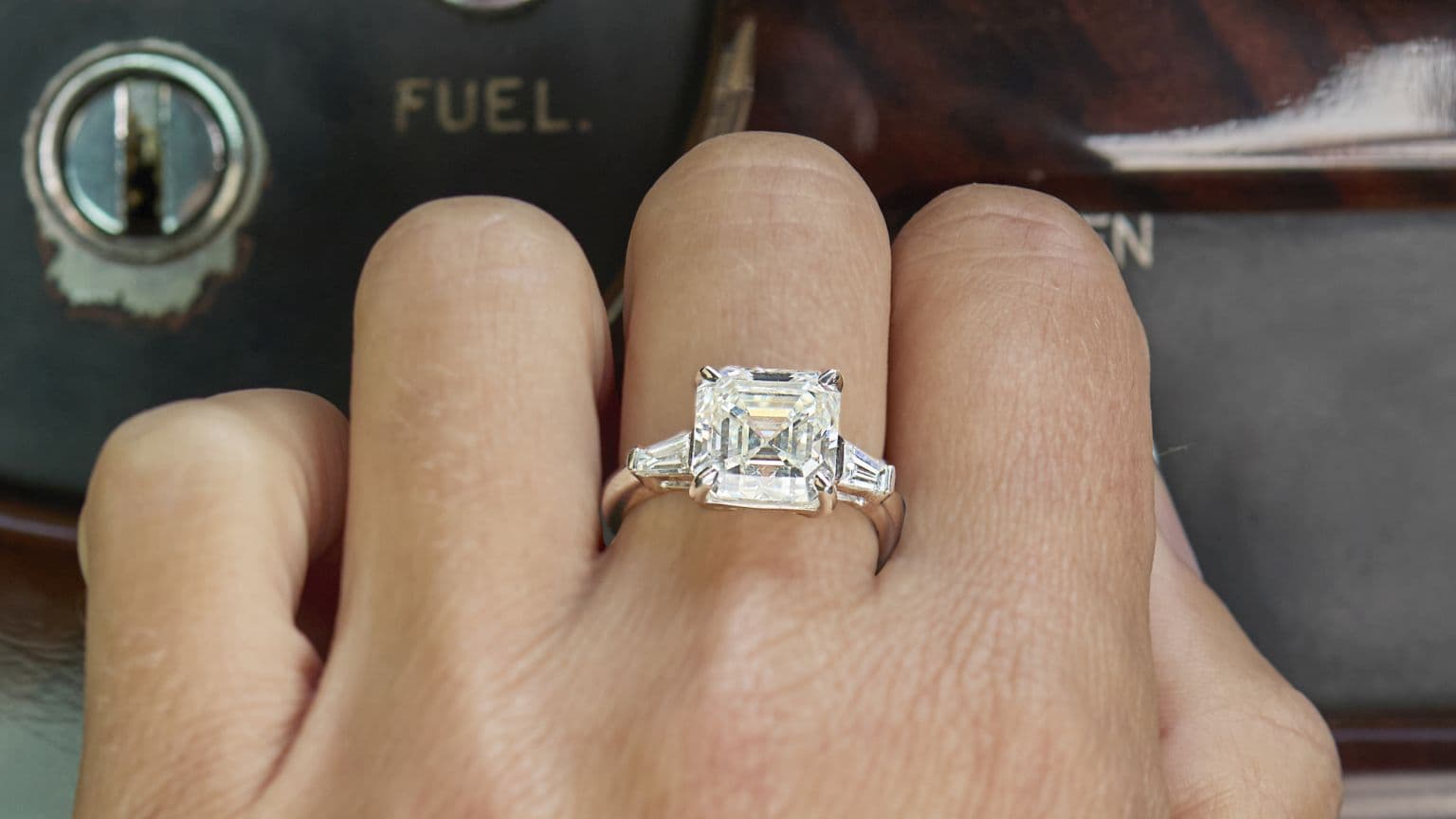
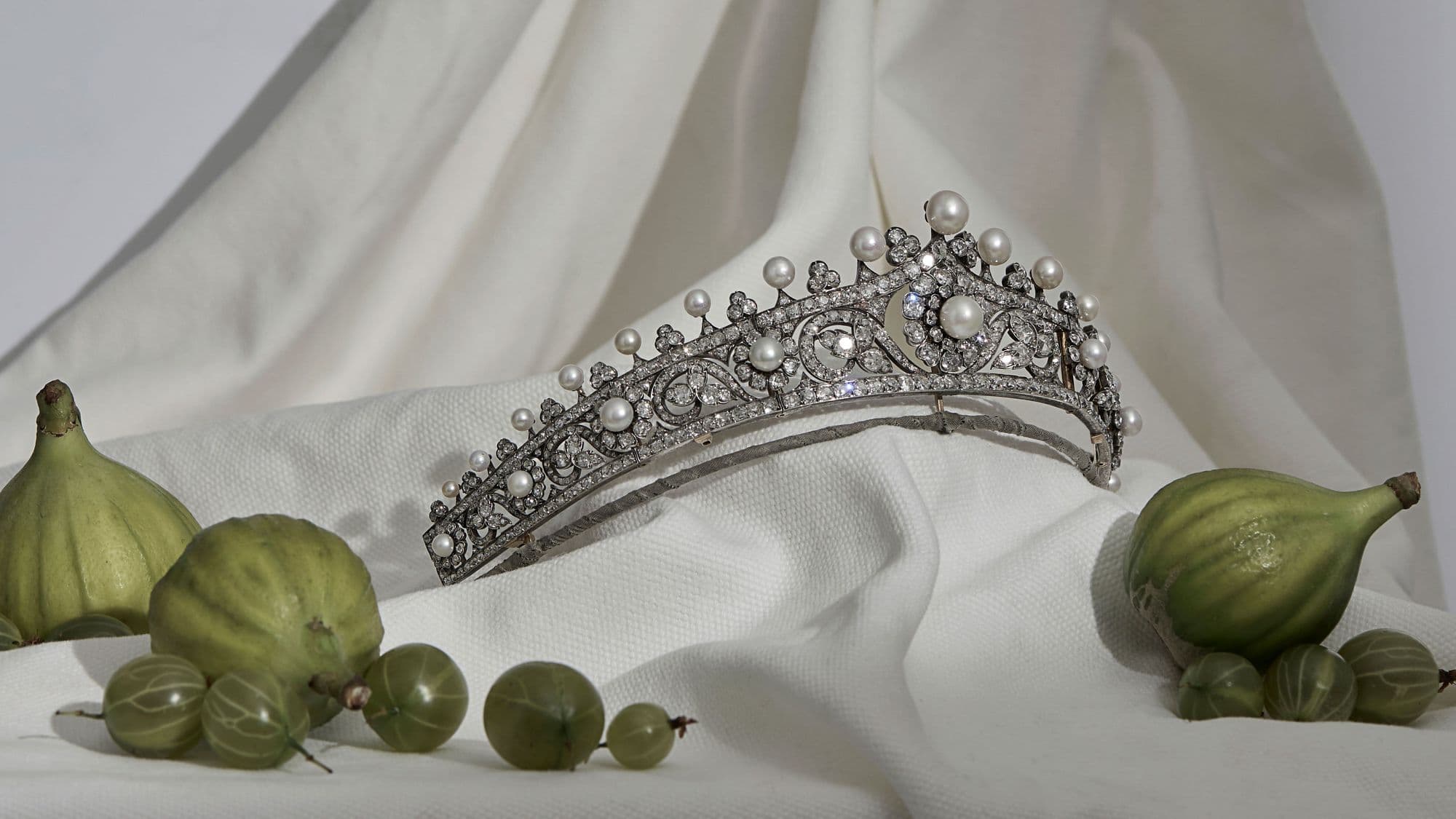
Is a Diamond Ring Worth More Than the Diamond It Contains?
Sometimes, significantly so. It is tempting to think of a diamond ring as a diamond plus the value of its precious-metal setting. That approach can overlook much of what collectors are actually buying.
A ring is a designed object. An important maker, an unusual setting or exceptional craftsmanship may make the complete jewel considerably more desirable than its component materials suggest. This distinction becomes particularly pronounced with signed and antique jewellery.
Does the Maker Affect the Value of a Diamond Ring?
A maker's name can be extremely important. Diamond rings by leading jewellery houses such as Cartier, Tiffany & Co., Van Cleef & Arpels, Boucheron and Bulgari can attract buyers interested not only in the diamond but in the history and design of the house itself.
Individual designers can matter too. A ring by an important designer may be recognised for a particular design language, period or innovation and collected accordingly. But a famous signature isn't a magic stamp of value. Specialists consider whether the marks are consistent with the jewel, the quality of its construction, its date and how the design relates to documented work by the maker. For certain rings, identifying what the ring is can ultimately be as important as identifying the diamond it contains.
Why Does the Age of a Diamond Ring Matter?
Age doesn't automatically make a ring valuable. What matters is what the ring represents.
A surviving Victorian diamond ring may demonstrate techniques and styles characteristic of the 19th century. An Edwardian platinum ring might be admired for extraordinarily delicate construction. An Art Deco ring may appeal because of its geometry, materials and relationship with one of the most collectable periods of 20th-century jewellery design.
The diamond itself can provide further clues. Historic Old Mine and Old European cut diamonds can have proportions and faceting noticeably different from modern brilliant cuts. The strongest examples bring these elements together: diamond, setting, construction and design all tell a coherent story.
Does the Original Setting Matter?
It can matter enormously. Diamonds are durable and valuable, so they have frequently been removed from one jewel and incorporated into another. An 19th-century diamond might therefore appear in a ring made decades later.
There is nothing inherently wrong with a reset diamond, and some later settings are important pieces of jewellery in their own right. But where a significant antique ring survives substantially as it was originally made, that originality can be attractive to collectors. Specialists therefore examine more than the visible diamond. The construction beneath and around the stone can reveal evidence of its history.
How Can You Tell if a Diamond Ring Has Been Altered?
Jewellery is made to be worn, so alteration is common. A specialist may look for evidence of:
- Resizing to the shank
- Replaced claws
- Repairs or solder
- Replacement diamonds
- A diamond that has been reset
- Changes to the original mount
- Added or removed components
- Worn or partially removed hallmarks
- Later engraving
None of these automatically makes a ring undesirable. The significance depends upon the ring. A routine resize may have little impact on one example, while substantial alteration to a rare signed design could be considerably more important.
Does Craftsmanship Affect Diamond Ring Value?
Yes, particularly when the craftsmanship forms an important part of the design. A specialist might look at how precisely the stones have been set, how the mount has been constructed and finished, and whether details have been created by hand.
In antique jewellery this might include delicate pierced platinum work, millegrain edges, engraving or complex settings incorporating numerous individually matched diamonds. In later designer jewellery, craftsmanship may instead be expressed through highly distinctive construction or technically demanding forms. This is one reason two rings containing apparently comparable diamonds can belong to very different markets.
Are Signed Diamond Rings More Valuable?
They can be, but the answer depends on the ring. Collectors may pay premiums for signed jewellery because of the reputation of the maker, quality of manufacture, importance of a particular design or scarcity of examples appearing at auction.
Some pieces are particularly desirable because they represent an important period in a jewellery house's history. Others belong to recognised collections or were created by influential designers. Conversely, not every signed ring is rare, and not every unsigned ring is unimportant. The maker should therefore be considered alongside the quality and significance of the jewel itself.
Does Provenance Make a Diamond Ring More Valuable?
Provenance is the documented history of ownership of an object. For most diamond rings, provenance will have relatively little effect on value. But for the right jewel, an important history can change how collectors understand it.
A ring associated with a notable collection, historic family or documented individual may acquire significance beyond its materials. Documentation is crucial. Family history can provide valuable leads for research, but photographs, inventories, receipts, correspondence and other records can transform a story into demonstrable provenance.
Do the Original Box and Papers Matter?
Don't throw them away. Original fitted cases, receipts, certificates, correspondence and old valuations can all help establish the history of a ring. For signed jewellery, an original box can also make a piece more appealing as a complete collector's object.
However, a box isn't proof of authenticity. Jewellery and boxes are easily separated over time, and a ring appearing in a Cartier or Tiffany & Co. box doesn't establish that the ring was made by that house. The ring itself must still stand up to examination.
Can Condition Affect a Diamond Ring's Value?
Yes, although good condition doesn't necessarily mean looking new. An antique ring that has survived for 150 years will usually show evidence of being worn. That is expected.
More significant issues might include a damaged diamond, extensive repairs, substantial alterations, heavily worn settings or replacement elements. Over-restoration can present its own problems. Re-polishing, replacing components or altering a historic jewel can remove precisely the evidence specialists use to understand it. For that reason, if you think you may own an important antique or signed diamond ring, it is sensible to have it assessed before undertaking significant restoration.
Does Having a Diamond Certificate Increase the Value?
A gemmological report can provide useful independent information about the diamond, but it shouldn't be confused with a valuation of the ring. Reports from recognised laboratories may establish characteristics such as weight, colour and clarity, and can be particularly useful for significant stones.
They don't, however, tell you whether a ring is an important Cartier design, whether an antique setting is original, whether a jewel has notable provenance or what collectors might pay for it at auction. Those questions require examination of the complete object.
For a detailed explanation of diamond grading, see our guide to the Four Cs of diamonds. It covers carat, cut, colour and clarity in detail, including how these characteristics affect a diamond's appearance and quality.
Should You Repair a Diamond Ring Before Selling It?
Not without taking advice first. It can be tempting to have an inherited ring polished, resized or repaired before seeking a valuation. With potentially important jewellery, this can be counterproductive.
A specialist may prefer to examine the ring in its current state. Original surfaces, settings, hallmarks and even previous alterations can provide useful evidence about its age and history. If work is necessary before auction, your specialist can advise what is worthwhile and what should be left alone.
Why Can Two Similar Diamond Rings Have Very Different Values?
Because they may only appear similar. Imagine two rings each containing a diamond of broadly comparable size.
One is an unsigned modern ring. The other is an original Art Deco platinum ring by an important jewellery house, retaining its maker's signature and original fitted case. Looking only at carat weight would miss most of the information that separates them. At auction, buyers can be responding simultaneously to the diamond, design, maker, craftsmanship, rarity, condition and history. That's why online diamond calculators and price-per-carat comparisons have limited usefulness when valuing a complete jewel.
What Should I Keep With a Diamond Ring?
If you've inherited a ring, keep anything that might relate to it. That includes:
- Original jewellery boxes
- Diamond certificates
- Purchase receipts
- Previous valuations
- Insurance documents
- Letters and correspondence
- Old photographs showing the ring being worn
- Family records relating to its ownership
Something that appears insignificant may provide the clue that establishes when or where a ring was acquired. Keep everything together and let the specialist decide what's relevant.