What Happened During the Great Fire of Edinburgh?
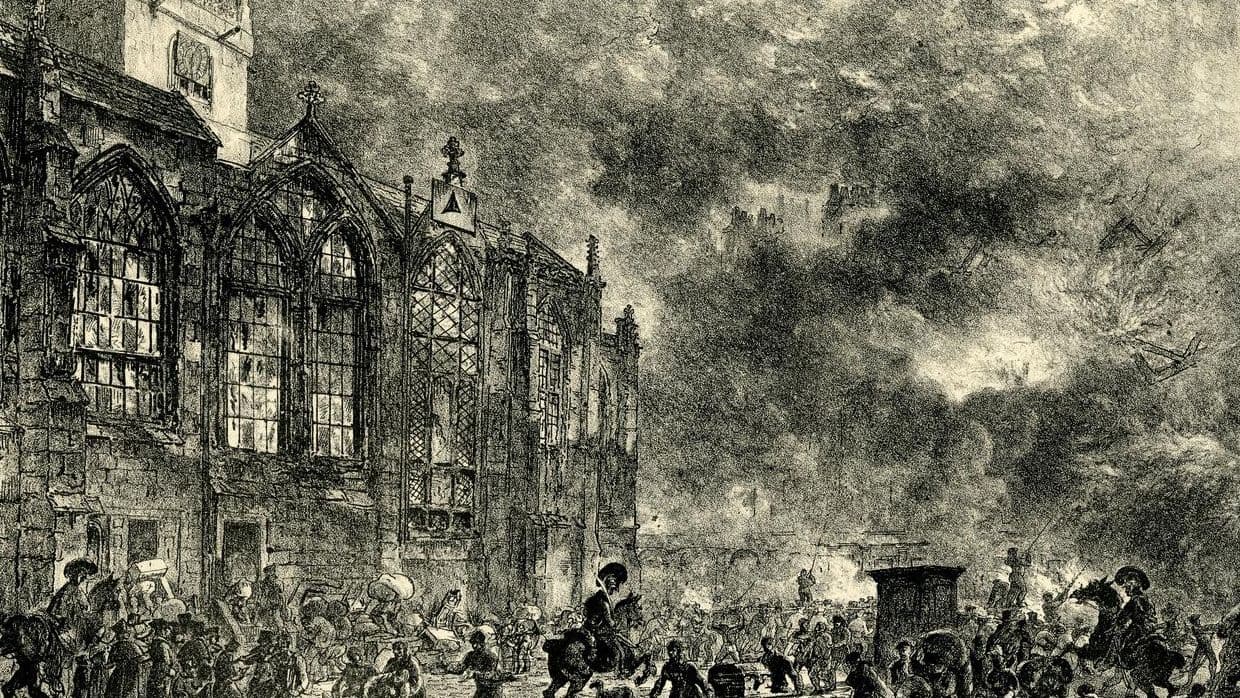
The first fire broke out at around 10pm on Monday 15 November 1824, in a second-floor workshop in Old Assembly Close. Fire engines arrived, but the narrow close made the blaze difficult to tackle. Flames spread upwards through the tenement and across the close to neighbouring buildings, eventually reaching the offices of the Edinburgh Courant, the Old Assembly Hall and buildings around Old Fishmarket Close.
Edinburgh's Old Town was particularly vulnerable to fire. Tenements in this part of the city could rise to seven storeys and were tightly packed around narrow closes. Timber floors and internal wooden structures provided further opportunities for flames to spread. By the morning of 16 November, parts of the affected buildings had collapsed and at around midday, the wooden steeple of the nearby Tron Kirk was discovered to be on fire. Later that evening, another fire broke out in an eleven-storey tenement in Parliament Square.
The fires continued for several days. Buildings damaged beyond repair were demolished, including unstable structures on the east side of Parliament Square that were deliberately brought down on 20 November. The fire was finally extinguished by 21 November.
What Happened to the Tron Kirk?
The Tron Kirk had stood on Edinburgh's High Street since the seventeenth century. Constructed between 1636 and 1647, it was originally built to accommodate a congregation displaced from St Giles. Its distinctive wooden spire was added in 1671.
As the fire spread through the surrounding Old Town, burning embers fell towards the church. At around midday on 16 November, its wooden steeple caught fire. The heat melted lead on the roof and caused the bell to fall, although firefighters succeeded in saving the main body of the building. The destroyed wooden spire was replaced by a new stone spire in 1828, which remains part of the familiar Tron Kirk today.
The Quaich Made from the Tron Kirk Bell
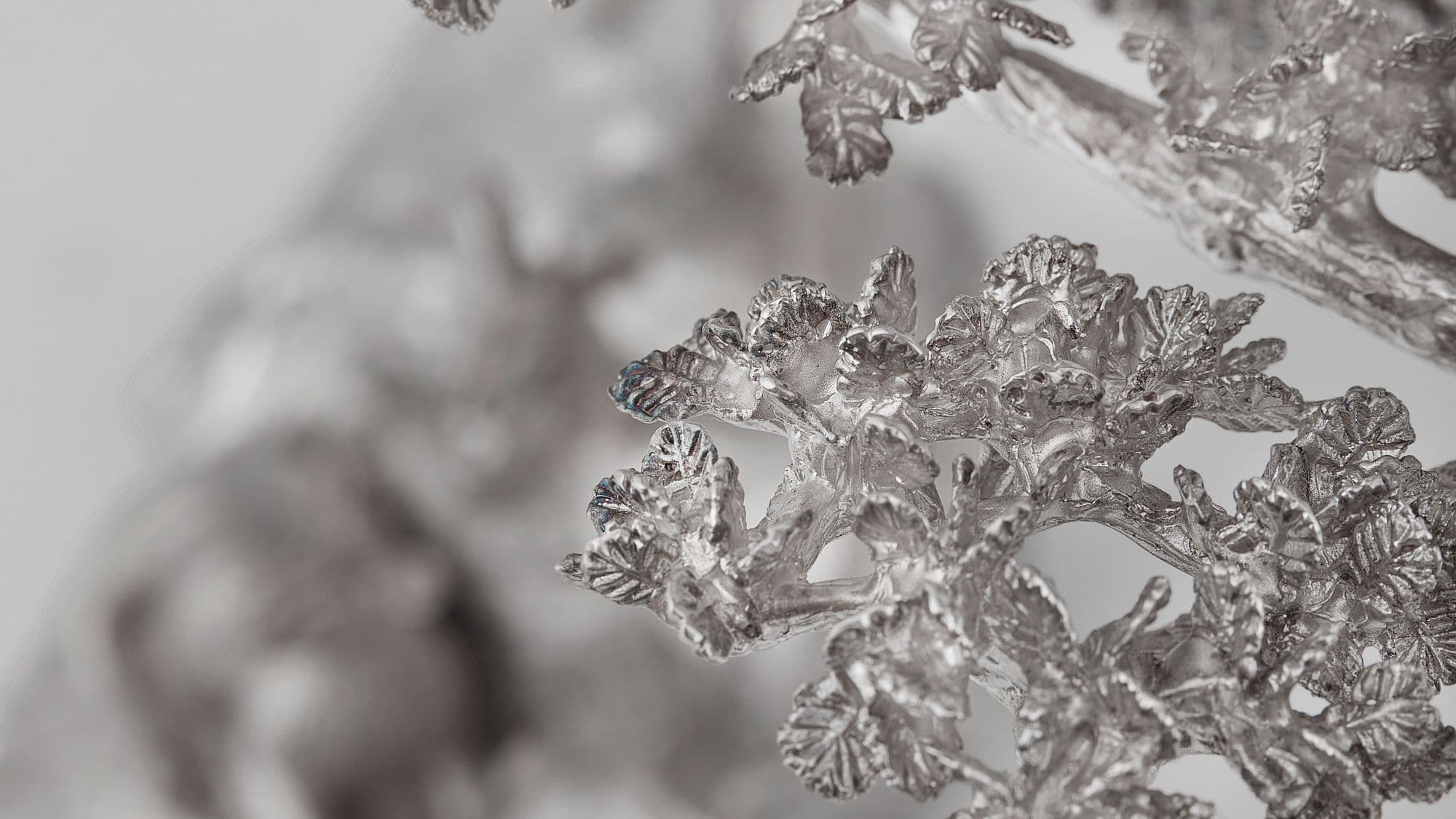
According to its inscription, fragments of the damaged Tron Kirk bell were subsequently used to make a small George IV bronze 'bell metal' quaich, dating from around 1824 and offered in our August 2026 Scotland Collected auction.
Engraved around the body is an inscription recording the origin of its metal:
"MADE FROM FRAGMENTS OF LARGE BELL IN THE TRON KIRK, EDINBURGH MELTED DURING THE GREAT FIRE 16TH NOV 1824"
Measuring just 8cm across its handles, the quaich is an unusual physical connection to the events of November 1824. Its inscription not only commemorates the fire but records that the vessel itself was made from material salvaged from the Tron Kirk.
How Did the Fire Change Edinburgh's Old Town?
The scale of the destruction was considerable. Four tenements and the Old Assembly Hall were destroyed around Old Assembly Close. In Old Fishmarket Close, four six-storey tenements and the premises of the printing firm Neil & Co. were also lost. Around 400 homes were affected across the wider area.
Many damaged buildings could not be saved. William Home Lizars' engravings of the aftermath show exposed interiors, collapsed tenements and the ruins of buildings that subsequently had to be demolished and rebuilt. The Tron Kirk provides one of the clearest surviving architectural reminders of the fire. Its stone spire, completed four years later, replaced the wooden structure destroyed in 1824.
Who Fought the Great Fire of Edinburgh?
The fire occurred at an important moment in the history of firefighting. Only weeks earlier, Edinburgh had established a new municipal fire brigade under James Braidwood, who would become one of the most important figures in the development of modern firefighting.
Despite the scale of the disaster, contemporary criticism did not fall primarily on Braidwood or his new brigade. His efforts in tackling the fires were praised, although the narrow closes and height of the Old Town tenements made the blaze exceptionally difficult to control.
How Was the Great Fire Recorded?
There were no photographs to record Edinburgh in flames, but the destruction was documented by artists. The Edinburgh painter and engraver William Home Lizars produced a series of eight engravings showing the ruins between 17 and 20 November. His subjects included Old Assembly Close, Old Fishmarket Close and Parliament Square.
The engravings provide a remarkable visual record of the aftermath, showing collapsed buildings, exposed tenements and the demolition of dangerous ruins. Lizars published the series to raise money for those left homeless by the disaster.