Mughal Jewellery (1526 - 1857)
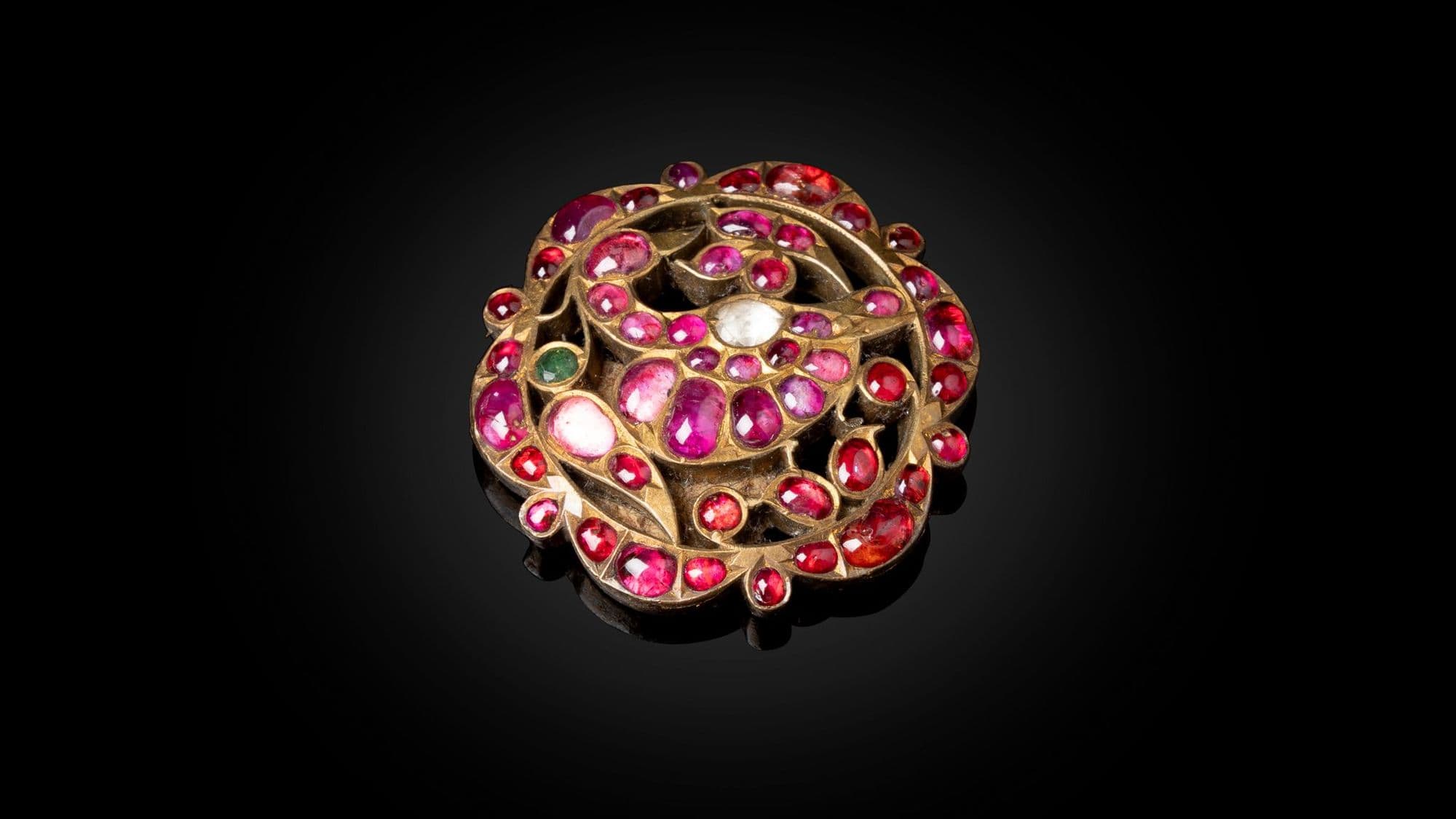
The Mughal era (c. 1526 - 1857 CE) revolutionised Indian jewellery. Driven by an imperial obsession with raw luxury, the Mughals fused sophisticated Persian court refinement with India's supreme craftsmanship. Royal workshops engineered the groundbreaking Kundan technique, locking raw, uncut diamonds into hyper-pure gold foil without a single prong, while hiding secret, blazing fields of Meenakari enamel work on the reverse sides.
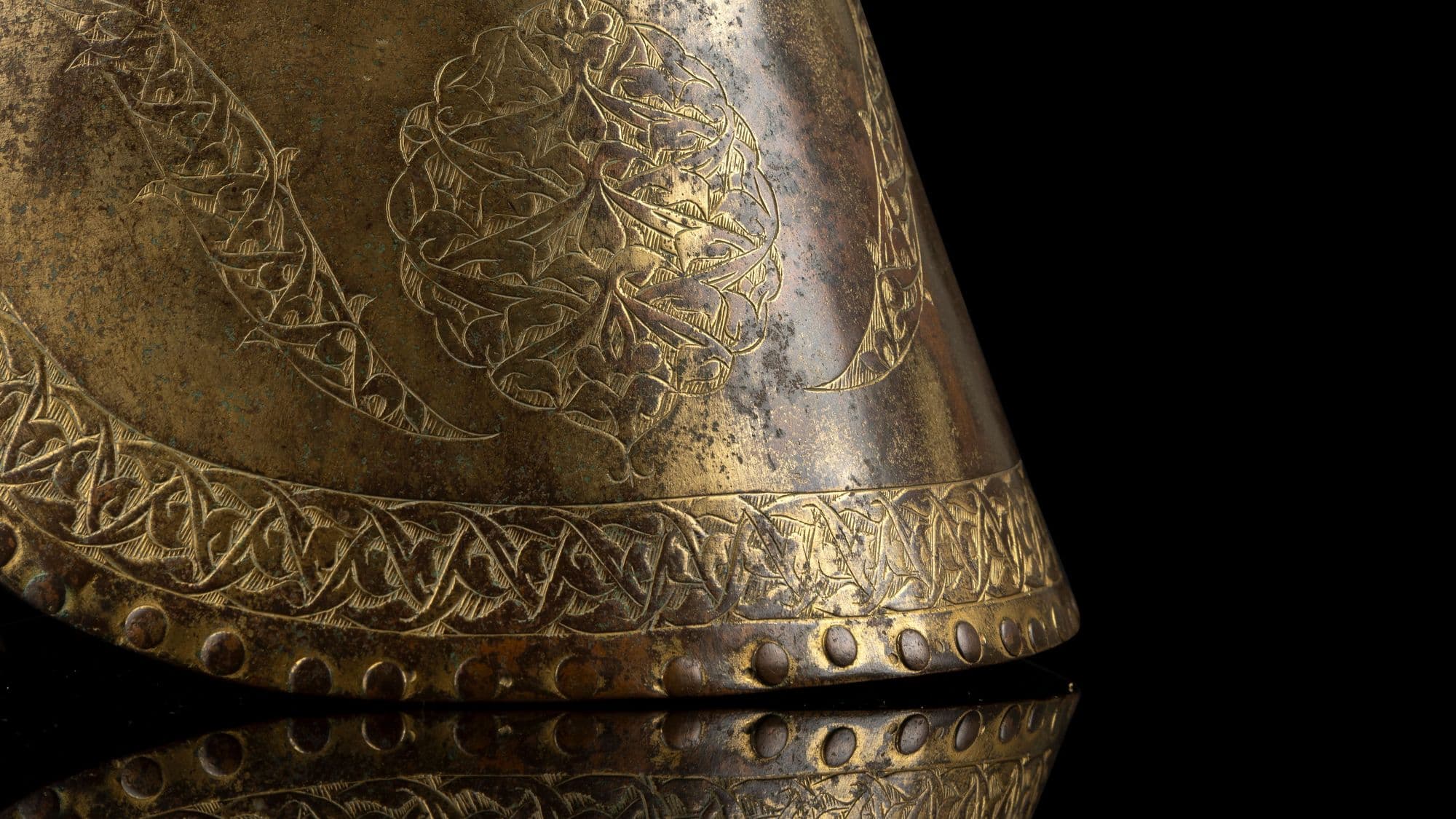
Out went static, traditional figures; in came a dynamic world of sweeping geometric arabesques, symmetrical patterns, and lush, hyper-detailed floral motifs. Emperors flaunted colossal emeralds and spinels micro-carved with their own royal titles, turning wearable treasure into the ultimate, power-packed statement of absolute dynastic dominance and artistic genius.
Kundan Jewellery: The Art of Setting Gemstones in Gold
Kundan is a traditional Indian jewellery technique in which gemstones are secured using highly refined gold. Rather than relying on conventional prong settings, craftsmen use layers of malleable gold to hold stones within carefully prepared settings. The technique allows gemstones to be arranged closely together, creating richly decorated surfaces.
Kundan jewellery became particularly associated with Mughal and Rajput courts, where it was used to produce elaborate necklaces, earrings, bracelets and ceremonial ornaments.
Polki Jewellery: The Beauty of Uncut Diamonds
Polki jewellery incorporates natural diamonds that have not been cut into the modern brilliant forms familiar today. These diamonds retain much of their original character, with relatively flat surfaces and irregular outlines that produce a softer appearance than modern faceted stones. Frequently mounted using Kundan techniques, Polki diamonds became an important feature of traditional Indian jewellery.
Meenakari Jewellery: Enamelled Goldwork
Meenakari is the art of decorating metal surfaces with coloured enamel. In Mughal and later Indian jewellery, enamel decoration was frequently applied to the reverse of gemstone-set ornaments, creating intricate patterns that might remain hidden when the jewellery was worn. Floral motifs, birds and geometric designs were particularly popular. Jaipur became an important centre for Meenakari craftsmanship, and the technique remains closely associated with traditional Indian jewellery production.
Mughal Gemstones and Royal Patronage
Mughal emperors and nobles commissioned extraordinary jewellery incorporating diamonds, emeralds, spinels, rubies and pearls. Large gemstones were sometimes engraved with imperial names, titles or dates, transforming them into objects of dynastic significance.
Carved emeralds, inscribed spinels and elaborate gemstone-set ornaments demonstrate the importance of jewellery as a symbol of political authority and personal wealth. Floral motifs, symmetrical arrangements and designs influenced by Persian art became defining characteristics of Mughal jewellery.
Illustrated below: Joyaux Dynastiques, Hôtel de la Marine Collier, Chatsam CC BY-SA 4.0, via Wikimedia Commons | Bhupinder Singh of Patiala. National Portrait Gallery, London, Public domain, via Wikimedia Commons | Patiala Necklace, 1928, Cartier, Paris. Part of the Cartier Exhibition at V&A Museum SpeakingArch - CC BY-SA 4.0, via Wikimedia Commons