In 1753, the artist and writer William Hogarth published The Analysis of Beauty, a treatise that sought to answer a deceptively simple question: what makes something beautiful?
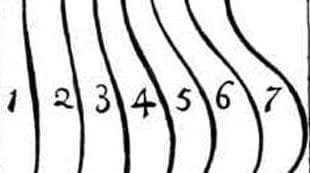
At the heart of his argument was a shape he called the Line of Beauty. Rather than favouring straight lines or rigid symmetry, Hogarth championed a flowing, serpentine curve. He believed this undulating line possessed a vitality and grace that naturally attracted the eye, creating a sense of movement, variety and life. More than 270 years later, the idea remains remarkably persuasive.
What is the Line of Beauty?
Hogarth described the Line of Beauty as a gently twisting S-shaped curve. Unlike a straight line, which can be understood at a glance, a serpentine line reveals itself gradually. The eye follows its path, moving from one point to the next, creating a sense of visual discovery.
For Hogarth, this movement was key. Beauty was not simply about proportion or symmetry; it was about engaging the viewer. He argued that the most pleasing forms invited the eye to travel, encouraging a kind of visual journey rather than presenting themselves all at once.
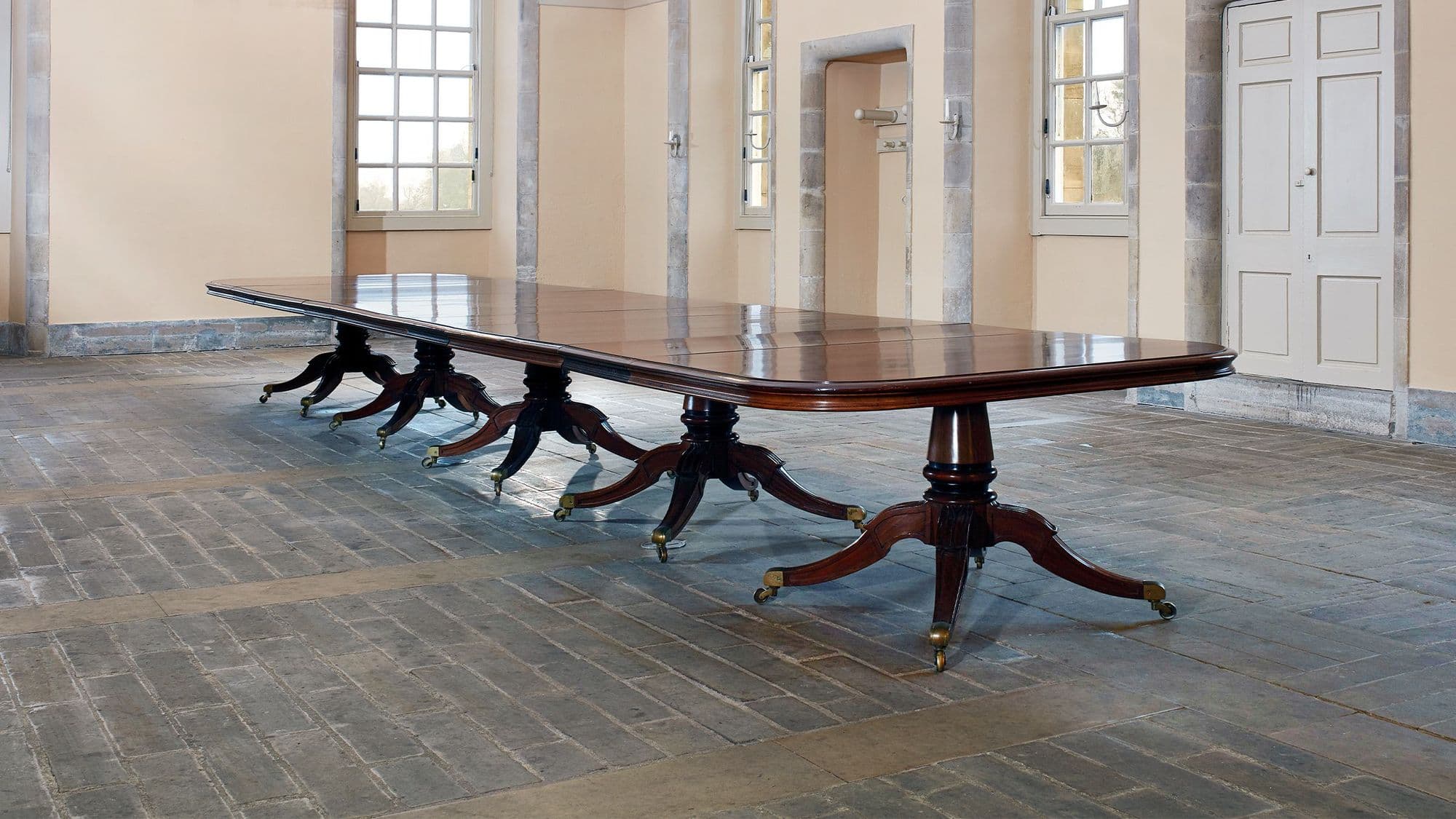
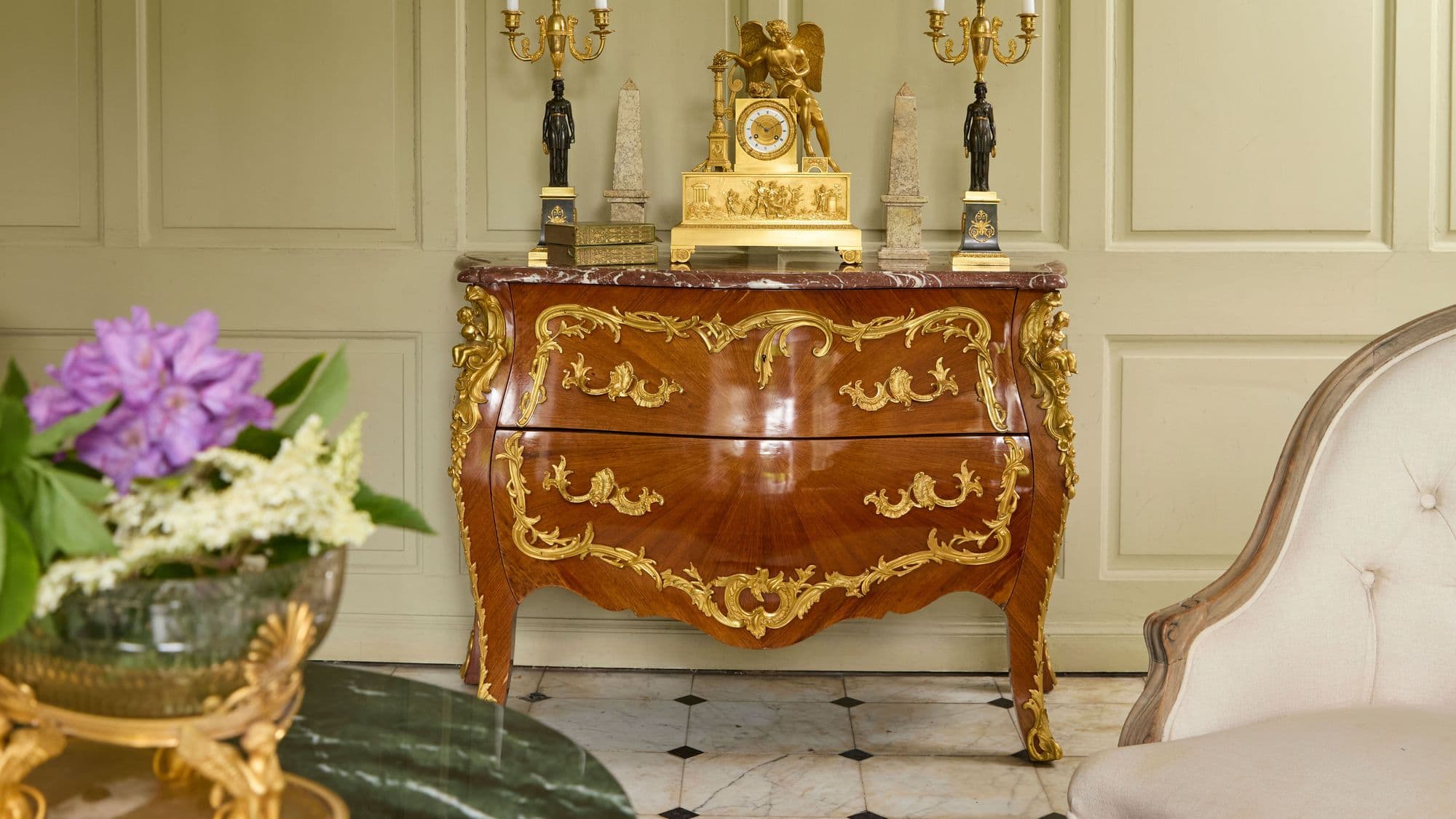
The concept emerged during the height of the Rococo period, when designers throughout Europe were embracing asymmetry, movement and naturalistic forms. It is no coincidence that the Line of Beauty appears repeatedly in the decorative arts of the mid-18th century, from scrolling chair backs and giltwood mirrors to bombé commodes and carved shell motifs.