How to Identify Scottish Provincial Silver Makers' Marks
30 December 2025
Kier Alexander
Scottish provincial silver is one of the most rewarding areas of British silver collecting. Produced by silversmiths working beyond Scotland's official Assay Offices, these pieces carry distinctive makers' punches and town marks that reveal where they were made and often by whom. Unlike standard hallmarks, provincial marks tell the story of Scotland's regional craftsmanship and trading communities.
Whether you have inherited a piece of Scottish silver or are beginning a collection, understanding provincial makers' marks is the first step towards identifying its origin, rarity and significance.
Quick Answer: Scottish provincial silver is typically marked with a silversmith's maker's punch alongside a town mark rather than a full set of official hallmarks. These unofficial marks were widely used by craftsmen working in towns without an Assay Office and today are an important tool for identifying Scottish provincial silver.
Got Something to Sell?
Find out how much your Silver & Objets de Vertu could sell for at auction. Contact our specialists for a complimentary valuation.
Why Do Scottish Provincial Makers' Marks Exist?
For centuries, silver sold in Britain was required to meet strict purity standards. In Scotland, this meant pieces were officially assayed in Edinburgh and, from 1819, Glasgow.
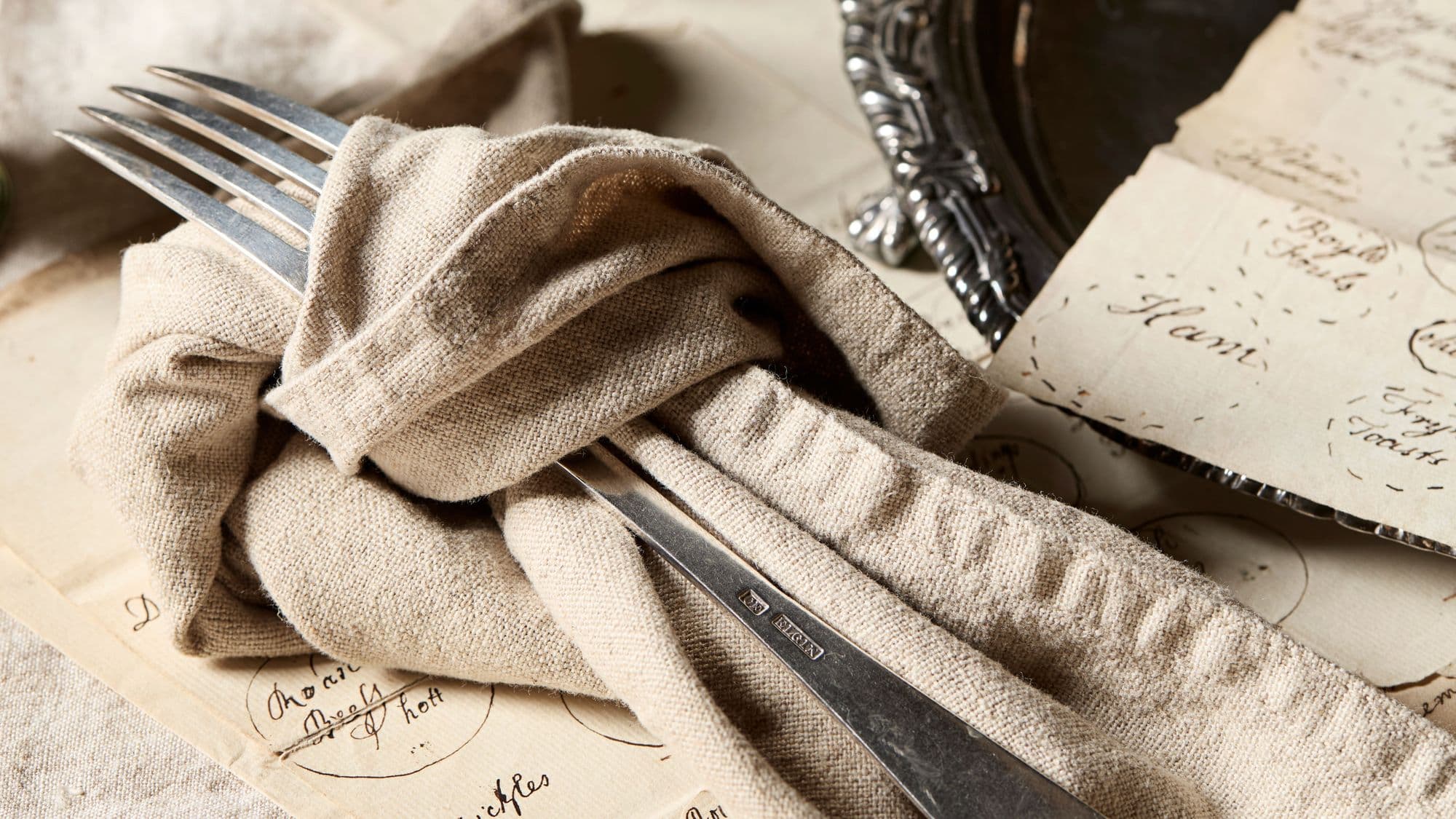
For silversmiths working in more remote towns, however, travelling to an Assay Office could be both expensive and impractical. Instead, many adopted their own local system of identification, striking their work with a maker's punch and often a town mark to reassure customers of its quality.
Although these marks were never official hallmarks, they became accepted within their local communities and today provide invaluable evidence of where a piece was made.
Makers' Marks vs Hallmarks: What's the Difference?
One of the most common misconceptions is that all silver carries official hallmarks. Scottish provincial silver often does not.
Official Hallmarks
Provincial Makers' Marks
Applied by an Assay Office
Applied by the silversmith
Include standard assay marks
Usually include a maker's punch
Guarantee legal silver standard
Identify the maker and often the town
Found on Edinburgh and Glasgow silver
Found on silver from provincial towns across Scotland
Many provincial pieces contain only a maker's punch or a maker's punch alongside a town mark.
What Does a Scottish Provincial Maker's Mark Look Like?
Most provincial silver includes one or both of the following:
Maker's Punch
Usually the initials of the silversmith enclosed within a shaped punch.
Examples include:
Charles Jamieson (Inverness)
David Duncan (Cupar)
Hugh Ross (Tain)
John Sellar (Wick)
James Gordon (Aberdeen)
Town Mark
Many provincial silversmiths also added a town mark identifying where the piece was produced.
Examples include:
TAIN
INVERNESS
ELLON
BANFF
CUPAR
DUNDEE
These marks vary considerably in appearance and were never formally standardised, making them both fascinating and challenging to identify.
Which Scottish Provincial Towns Are Most Collectable?
Collectors often specialise in particular towns, each reflecting the history and industries of its region.
Some of the best-known centres include:
Inverness, renowned for its elegant spoons, quaichs and communion silver.
Tain, where generations of the Ross family produced refined domestic silver.
Cupar, celebrated for rare domestic wares including wax jacks.
Aberdeen, one of Scotland's busiest trading cities with numerous accomplished silversmiths.
Wick, whose silver is exceptionally scarce owing to the town's remote location.
What Should Collectors Look For?
Condition is always important, but rarity is often determined by much more than appearance.
Collectors generally consider:
complete and clearly struck marks
identifiable makers
rare town marks
unusual forms such as wax jacks or quaichs
early production dates
provenance
original pairs or complete sets
While flatware survives in comparatively large numbers, provincial hollowware is considerably scarcer and is often highly sought after.
Auction Highlights
Lyon & Turnbull has handled Scottish provincial silver from many of Scotland's best-known regional workshops.
Highlights have included:
an Inverness provincial basting spoon by Charles Jamieson
a rare Cupar wax jack by David Duncan
matched sets of Scottish provincial flatware
exceptional examples from Tain, Elgin and Aberdeen
These pieces demonstrate both the variety of provincial craftsmanship and the continuing appeal of Scottish regional silver among collectors.
"Scottish provincial silver is about far more than identifying a maker. Every mark represents a town, a local workshop and the community it served. Understanding those marks opens a fascinating window into Scotland's regional history."
- Kier Alexander, Silver Specialist
Specialist
Kier Alexander
Specialist, Silver & Objets de Vertu
Frequently Asked Questions
No. Provincial marks were applied by individual silversmiths rather than official Assay Offices, although they became trusted indicators of quality within local communities.
Hollowware, including wax jacks, communion vessels and larger domestic pieces, is generally much rarer than flatware.
Look for initials within a shaped punch, often accompanied by a town mark. Comparing these against published references or consulting a specialist is usually the most reliable approach.
No. Provincial silver was produced throughout Britain, but Scottish provincial silver has developed its own distinctive collecting tradition centred on towns such as Inverness, Tain, Aberdeen and Cupar.
Value depends on the maker, rarity, town, form, condition and provenance. Rare provincial centres and unusual objects can command significant prices at auction.