Lot 145
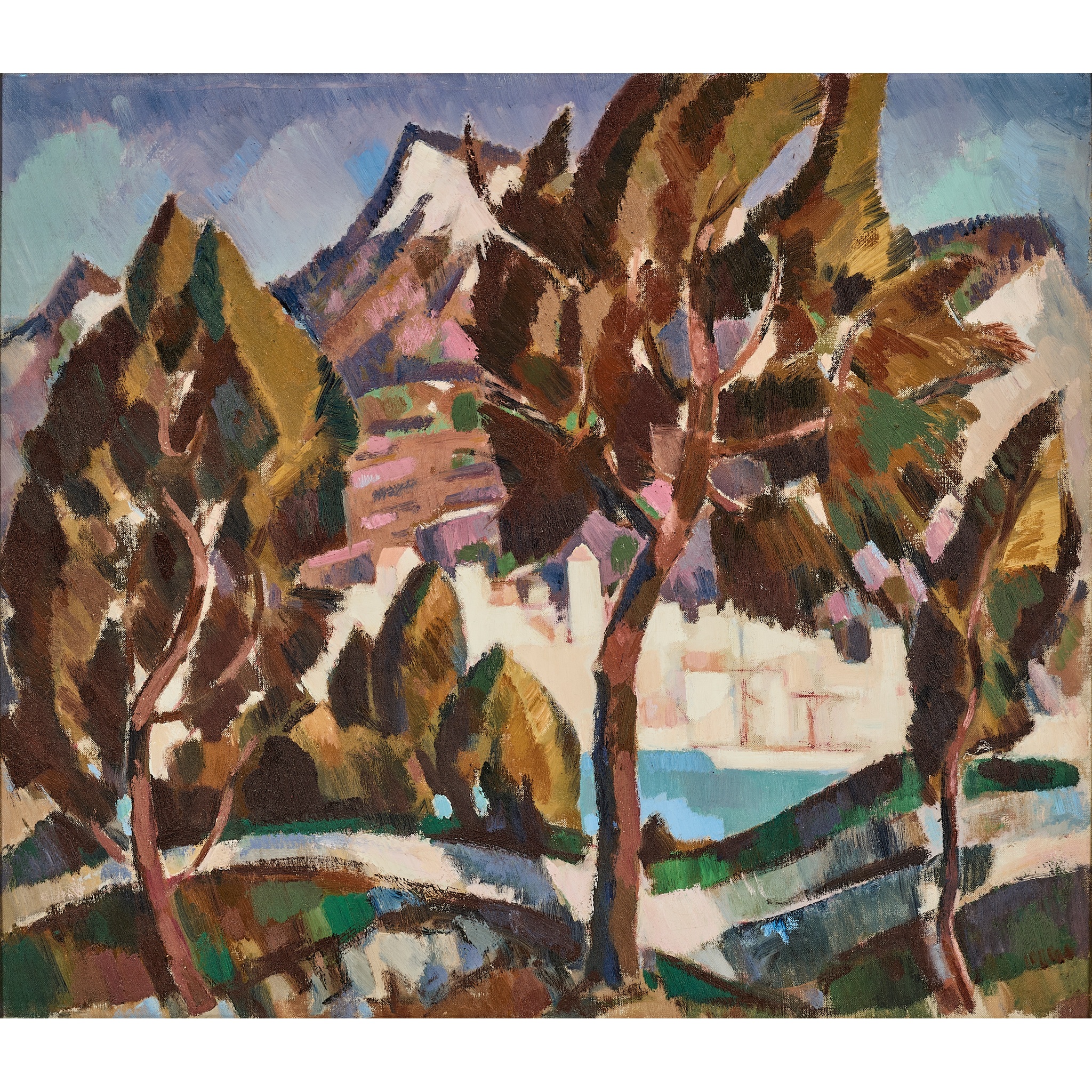
JOHN DUNCAN FERGUSSON R.B.A. (SCOTTISH 1874-1961) §
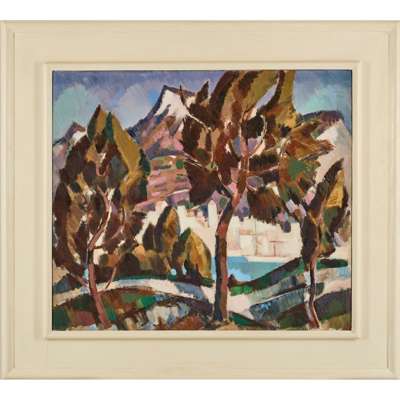
CASSIS THROUGH THE TREES
Scottish Paintings & Sculpture
Auction: Evening Sale ft. A Century of Scottish Colourists Part II | Lots 90 to 169 | Thursday 03 December 2026 from 6pm
Description
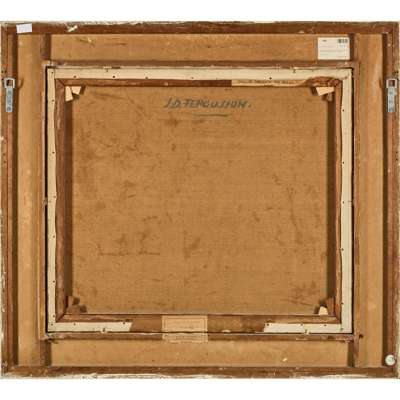
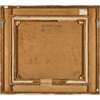
Signed on the reverse and inscribed with title to contemporary label to stretcher, oil on canvas
Dimensions
66cm x 76cm (26in x 30in)
Provenance
With Alex Reid & Lefevre Gallery, London
Sotheby’s Gleneagles, Scottish & Sporting Pictures & Sculpture, 28 August 2002, lot 1087
Christie’s, London, Modern British Art Day Sale, 20 November 2018, lot 113
Private Collection
Footnote
Cassis through the Trees embodies the deep connection that John Duncan Fergusson felt with the south of France, where he spent the summer months, mainly outdoors, over almost four decades. He left Paris in 1913 for the Cap d’Antibes, ostensibly searching for ‘more sun, more colour’, but his future wife, the dance pioneer Margaret Morris, explained that he was actually ‘tired of the war scare in Paris and he was tired of tiresome women.’ (see Alice Strang, The Scottish Colourists: Art and Life, Edinburgh, 2026, p.46). Thus began an association with the area which was to last for the rest of Fergusson’s life.
Morris visited Fergusson on the Cap to celebrate the Christmas of 1913 and returned the following summer, only for her visit to be terminated due to the outbreak of the First World War. Her celebrated Summer Schools were held in Antibes on multiple occasions from 1923 and resumed after the Second World War, with Fergusson teaching art, including set and costume designs, to her pupils. The couple’s final visit to the south of France was in 1960, shortly before Fergusson’s death in Glasgow in 1961.
Whilst in the south of France, Fergusson and Morris led an active outdoor lifestyle, believing in the health benefits of the sun, exercise and good company. Cassis through the Trees shows how Fergusson responded to the marvellous climate, bright light, stunning natural setting and distinctive architecture of the fishing town. Cassis had a special meaning for Fergusson, with an early visit taking place in 1913 in the company of his fellow Scottish Colourist S. J. Peploe. In a letter from the Cap d’Antibes to Morris of that December, Fergusson exclaimed:
The place here has given me quite a new start, a different feeling altogether about painting, or rather it has given me what I’ve been trying to make out of nothing – the colour, the shapes, everything that I was developing by sheer sweat and labour is here. The light that one snatched with excitement when it happened once in a blue moon, is here even in winter. (quoted in Kirsten Simister, Living Paint: J. D. Fergusson, Edinburgh, p.56).
In the present painting, Fergusson employs a favoured composition of planar trees in the foreground, with Cassis presented nestled at the sealine in the mid-ground, over which the monumental calanques preside in the background. It is connected to the Cezanne-related landscapes which resulted from Fergusson’s milestone motoring tour of the Scottish Highlands of 1923. They formed the basis of his first solo exhibition in his mother country, held in Edinburgh and Glasgow in 1924. Paintings such as Cassis through the Trees show how Fergusson was as accomplished a landscapist as he was a figure and still life painter. Examples of his Cassis paintings can be found in the collections of Culture Perth & Kinross and the McLean Museum and Art Gallery, Greenock.