

Lot 146
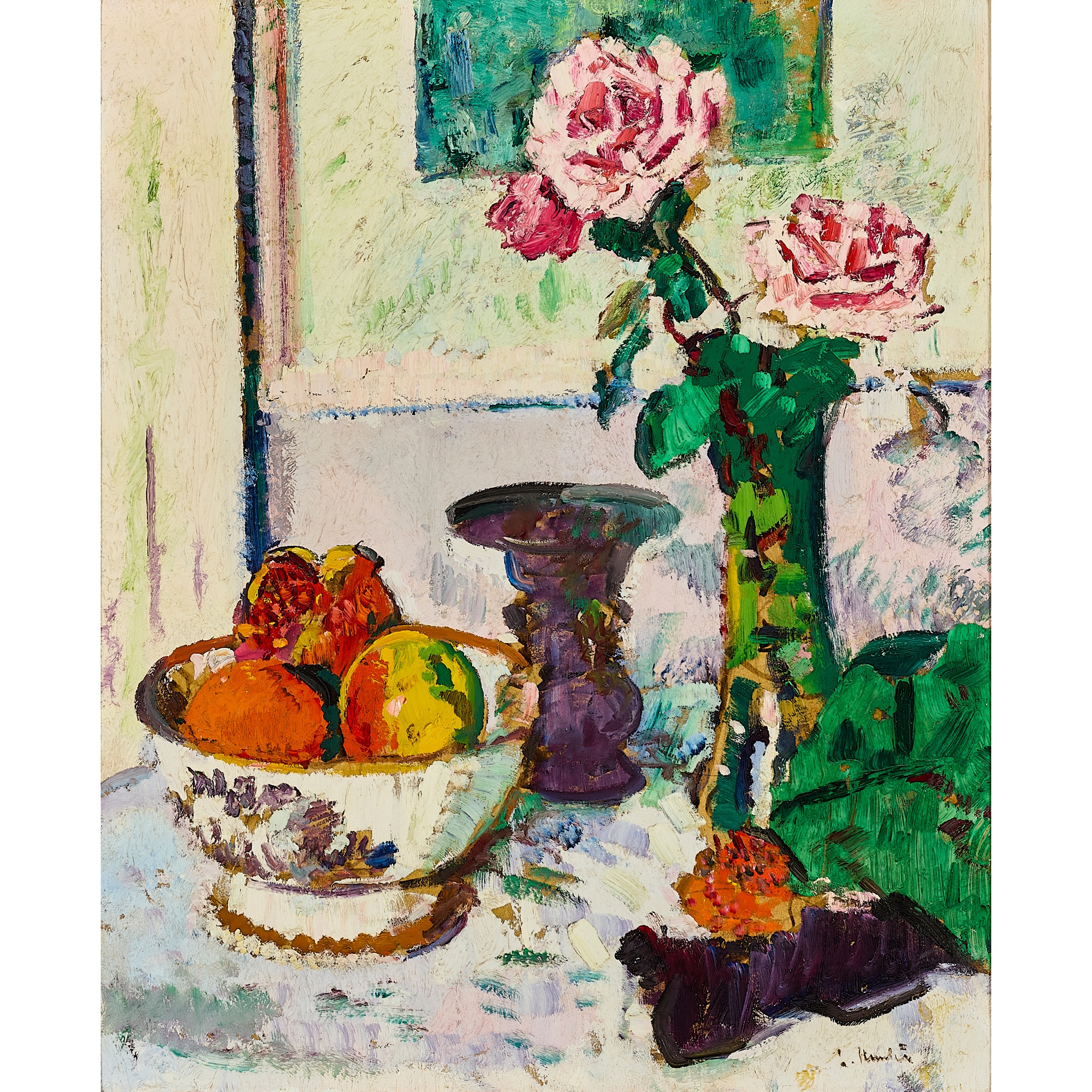
GEORGE LESLIE HUNTER (SCOTTISH 1877-1931)
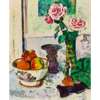
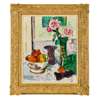
STILL LIFE OF FRUIT AND FLOWERS
Scottish Paintings & Sculpture
Auction: Evening Sale ft. A Century of Scottish Colourists Part II | Lots 90 to 169 | Thursday 03 December 2026 from 6pm
Description
Signed, oil on board
Dimensions
57cm x 47cm (22.5in x 18.5in)
Provenance
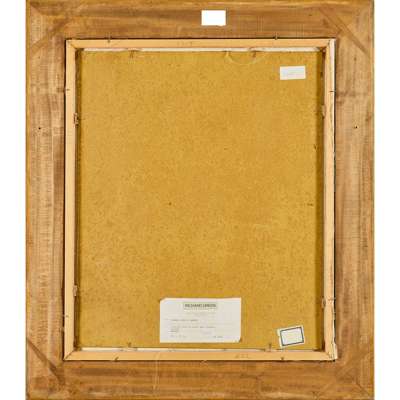
Richard Green Gallery, London (stock no. RH 1699) from where acquired by the present owner's father
Footnote
The still lifes of the Scottish Colourist George Leslie Hunter have been admired since he emerged as artist of importance thanks to the success of his first solo exhibition. This was arranged by Alexander Reid in his Glasgow gallery, La Société des Beaux-Arts, in 1913. The still life was the best represented genre, the Glasgow Herald praised Hunter’s ‘fine sense of colour’, seventeen works were sold and a second exhibition was staged three years later. (see Alice Strang, The Scottish Colourists: Art and Life, Edinburgh, 2026, p.72). This was praised in the Baillie whose critic declared ‘he has three or four still lifes which are superlatively strong, such work is bound to live, for they show a mastery of form and colour.’ (see Frances Fowle, Van Gogh’s Twin: The Scottish Art Dealer Alexander Reid, Edinburgh, 2010, p.117).
The conclusion of the First World War saw Hunter’s return from working on his uncle’s farm in Lanarkshire to Glasgow. By 1920 he was based in a studio at 104 West George Street in the city, changing to another in the same building by 1925. It was at this address that he is believed to have painted Still Life with Fruit and Flowers. It is an accomplished, beautifully painted and finely balanced work, revealing Hunter’s full powers as an artist and as a Colourist. Set up within a corner of his studio and featuring a glimpse of a work hanging on the wall – probably one of his own and indicating the space beyond that depicted on his support – it features a cast of favoured still-life objects from fruit displayed in a bowl, an ornate vase in whose curves Hunter delighted and roses arranged in a tall vessel. Hunter’s technique is deft and immediate, creating an image which appears to shimmer under natural light. A palette of pastel and brilliant tones plays out across the composition, from gentle pinks to bold reds and oranges; throughout there is a sense of confidence and a mastery of his medium.
The artist’s biographers, Bill Smith and Jill Marriner, have posited that Hunter regarded the still life as his forte and his works in this genre were repeatedly admired by critics in the UK and abroad. (see Bill Smith and Jill Marriner, Hunter Revisited: The Life and Art of Leslie Hunter, Edinburgh, 2012, p.74). Smith and Hunter declared that his solo exhibition with Reid in 1925 featured ‘some of the most stunning landscapes and still lifes he had ever painted’, to which ‘the critic of the Glasgow Hearld reacted … with genuine delight.’ (Smith and Marriner, op.cit., p.122). When Hunter had a solo show at the Ferargil Galleries in New York in 1929, the critic of the New York Times exclaimed ‘Mr Hunter’s strongest point is his colour … attaining a luscious brilliancy in some of his handsome decorative still lifes.’ (as quoted in T. J. Honeyman, Introducing Leslie Hunter, London, 1937, p.136).
The first work by Hunter to enter a UK public collection was Still Life (acc.no.1523) which was presented with Old Mill, Fifeshire (acc.no. 1526) to Glasgow Art Gallery in 1921 by his great patron, William McInnes. Still lifes of the 1920s, like the present painting, can be found in numerous public collections including those of the National Galleries of Scotland, The Fleming Collection, the Government Art Collection and Aberdeen Art Gallery.
