

Lot 443
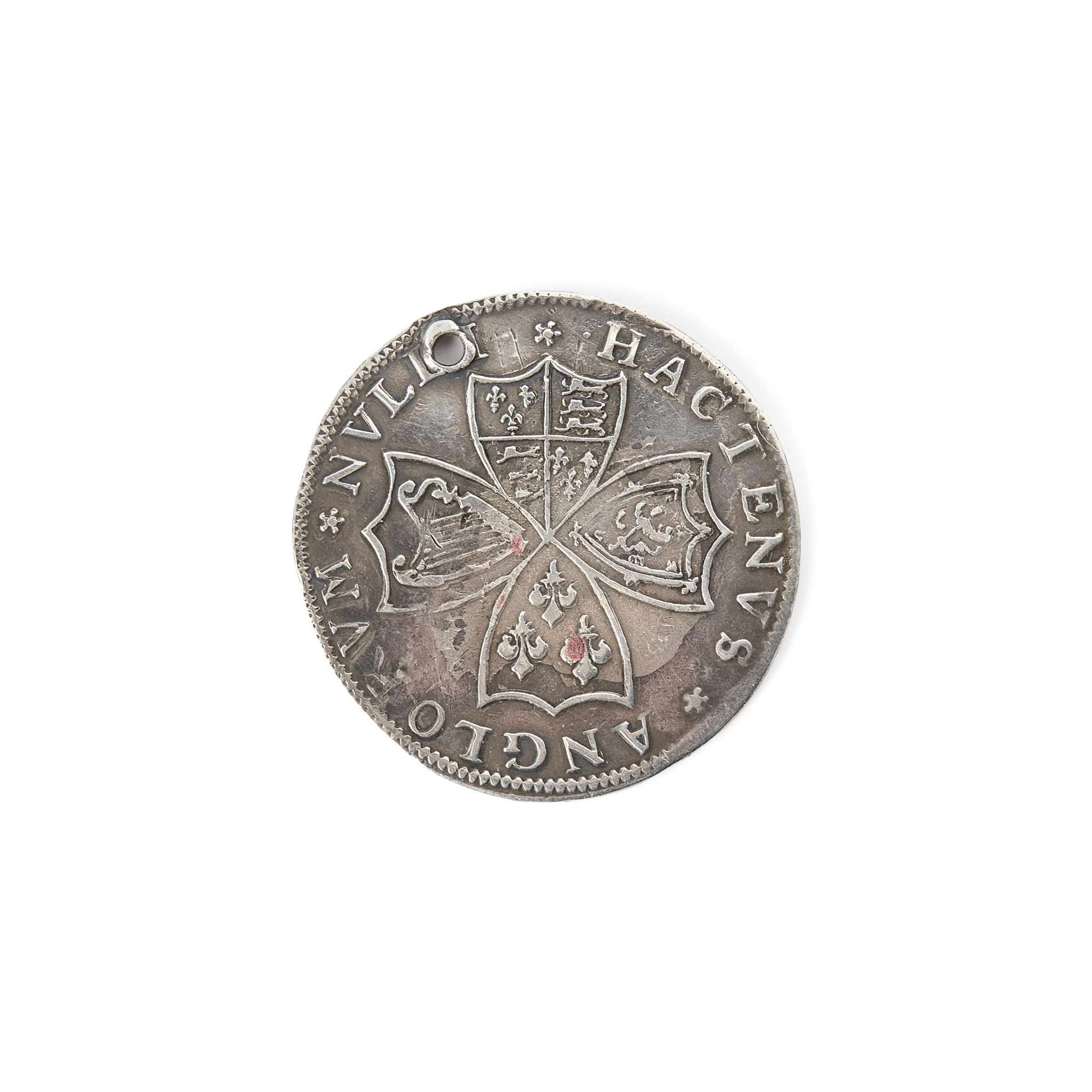
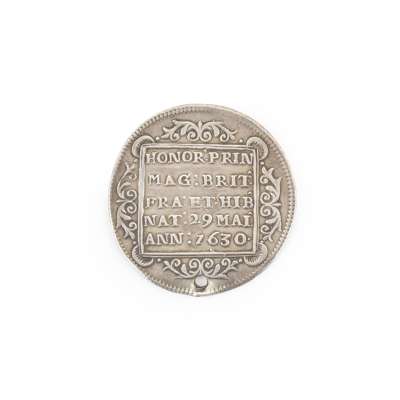
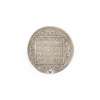
A SILVER BIRTH OF PRINCE CHARLES MEDALLION
ENGRAVER UNKNOWN, 1630
Auction: Day Two | Thursday 20 August from 10am | Lots 199 - 555
Description
Obverse the four heraldic shields of England and France, Scotland, Ireland and France with motto HACTENVS. ANGLORVM. NVLII, revers with a decorated tablet the inscription HONOR’. PRIN’, MAD’, BRIT’, FRA’, ET. HIB. NAT’, 29. MAI’, ANN’. 1630’
Dimensions
30mm (diameter)
Provenance
Private Collection of a Gentleman
Footnote
Literature: Eimer, C., 'British Commemorative Medals, and their values', item 115
Great collections are seldom assembled by chance. They are shaped by curiosity, patience and a willingness to ask questions of the objects themselves. Over the course of two decades, this remarkable collection of Jacobite works of art has been brought together, not simply through acquisition, but through careful research and an enduring fascination with one of the most compelling chapters in British history.
The collector came to Jacobite history later in life. Following a distinguished career in garden design and horticulture, he embarked upon a new academic pursuit, studying the Georgian period. It was through this exploration of eighteenth century Britain that he encountered the complex political, artistic and cultural legacy of the Jacobite movement. What began as an academic interest soon developed into a passionate commitment to preserving the material culture of the Stuart cause.
The collection reflects both the breadth of Jacobite artistic production and the deeply personal nature of its assembly. Jacobite drinking glasses sit alongside portrait miniatures, commemorative medallions, paintings, letters, manuscripts and objects of devotion, each chosen not simply for its rarity or aesthetic appeal, but for the story it tells. Together, these works chart the fortunes of the exiled Stuart court, the loyalty of its supporters, and the enduring symbolism of the Jacobite cause long after the military campaigns had ended.
Additionally, correspondence with museum curators, university academics, archivists, and leading specialists reveals the collector's determination to understand each object fully. Questions of attribution, provenance, symbolism and historical context were pursued with the same enthusiasm as the acquisition of the objects themselves. In many respects, these letters and research notes have become part of the collection's own history, documenting an intellectual journey as much as a collecting one.
Rather than viewing Jacobite material solely through the lens of romance or rebellion, this collection presents it as a rich and complex cultural legacy. It demonstrates how works of art, however modest or magnificent, can illuminate the lives, beliefs and aspirations of those who created, cherished and preserved them. As a whole, it stands not only as an important private collection, but as a testament to the enduring power of scholarship, curiosity and the lifelong pursuit of history.