

Lot 219
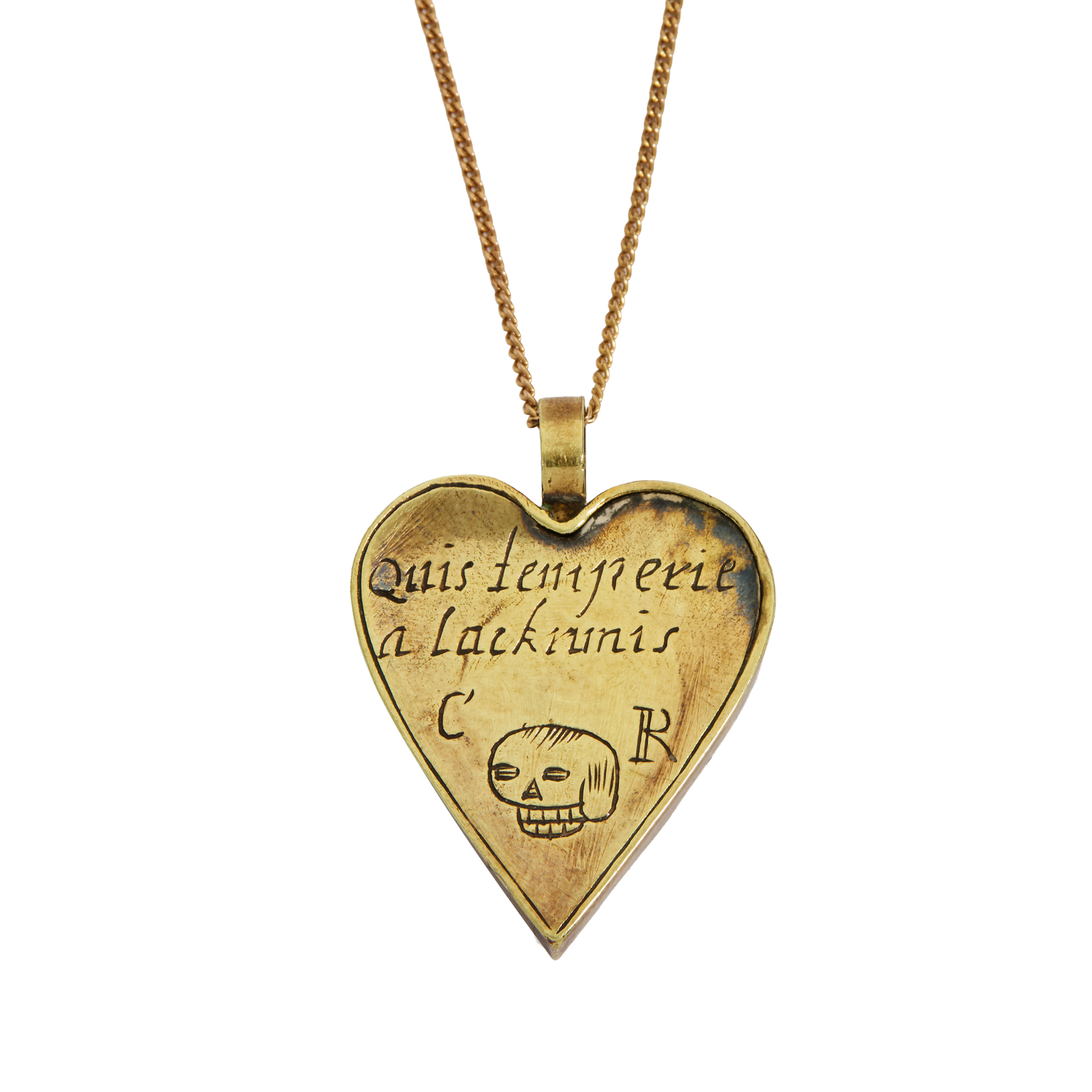
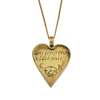
A Charles I royalist supporters pendant

Auction: 03 June 2026 from 10:00 BST
Description
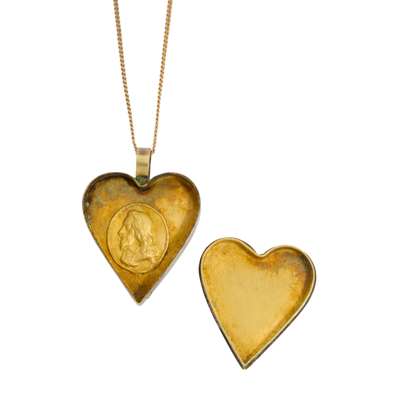
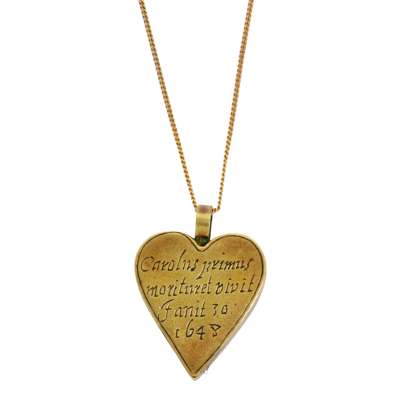
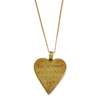
The heart-shaped locket with pull-off cover opening to reveal a portrait of Charles I, engraved in Latin to outside 'Charles I lived, reigned, and died on 30th January 1648 / Who can refrain from tears' , unmarked
Dimensions
Length: 2.7cm
Footnote
The reign of Charles I, King of Scotland, England and Ireland, was famously characterised by parliamentary conflicts and civil war, ultimately concluding with a charge of treason against the reigning monarch. In a landmark ruling which challenged the long held notion of the “divine right of kings”, and demonstrated that even rulers were not above the law, King Charles I was found guilty of treason. Condemned to death by his own people, Charles I was beheaded in London on 30 January 1649, becoming the first and only British monarch to be executed by the state.
Following the execution of Charles I, mourning jewellery became an important expression of royalist loyalty and political identity. Rings, lockets, and brooches, often decorated with miniature portraits or symbolic inscriptions, commemorated Charles I as a martyred monarch and affirmed support for the Stuart monarchy. The wearing of such jewellery was politically significant and potentially dangerous, as England was governed by the Commonwealth regime under Oliver Cromwell, where overt displays of royalist sympathy could provoke suspicion or punishment.
Pieces created in this period were of course subject to the dating conventions of the time. Britain did not adopt the Gregorian calendar until 1752, at which point calendar dates were adjusted and the start of the legal year moved to 1 January. Until this time, the Julian calendar which was in use in England ran from March, with the legal new year commencing on 25 March. Whilst adoption of the new style calendar dictates that by our modern dating system the execution of Charles I is considered to have occurred in 1649, the execution occurred in January (pre-March) and thus contemporaries considered the date of King Charles I execution to have transpired in 1648. Pieces from the period can thus be seen to reflect this historic reality, with royalist mourning and memorial pieces commonly dated 1648 or 1648/9.
Similar pieces of significance can be seen in major collections including The British Museum (M.7289) and the Victoria and Albert Museum (M.811-1926).