

Lot 178
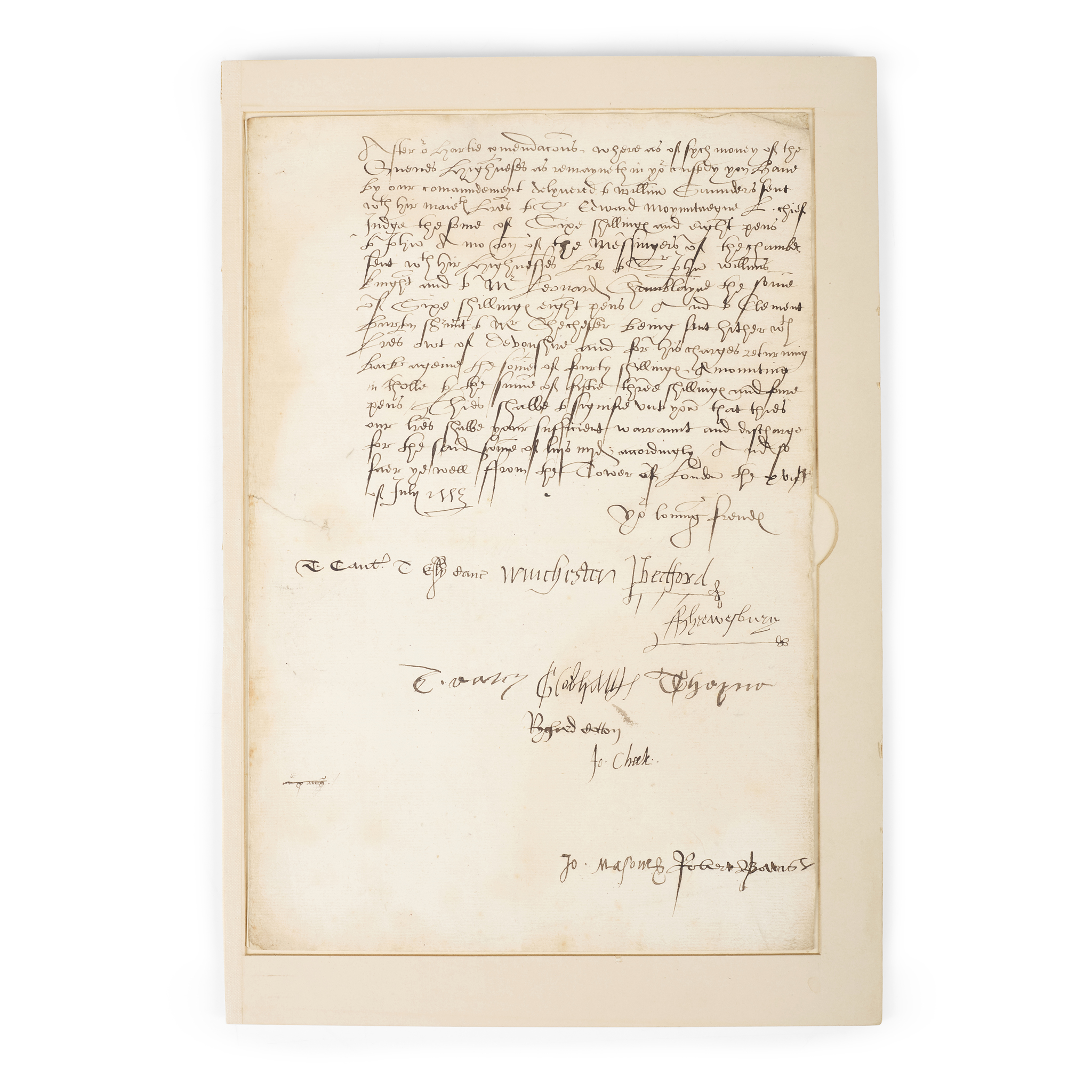
Lady Jane Grey (1537-1554; reigned 10th-19th July 1553)
Document signed by her Privy Council including Thomas Cranmer as archbishop of Canterbury
Auction: Books & Manuscripts | Wed 25 February from 10am | Lots 63 to 255
Description
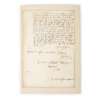
Tower of London, 17th July 1553.
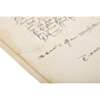
Single bifolium (31 x 21cm, hand-and-flower watermark), the body of the letter written on one side, comprising 18 lines in a secretary hand, above the autograph signatures of 12 privy councillors:
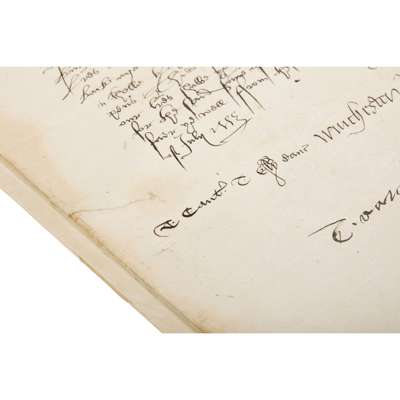
Thomas Cranmer, archbishop of Canterbury ('T. Cant'); Thomas Goodrich, bishop of Ely and lord chancellor ('T. Ely Canc'); William Paulet, marquess of Winchester, lord treasurer ('Winchester'); John Russell, earl of Bedford, lord privy seal ('J Bedford'); Francis Talbot, Earl of Shrewsbury ('ff Shrewesbury'), president of the council of the north; Thomas Darcy, Baron Darcy of Chiche, lord chamberlain of the household ('T. Darcy'); George Brook, Baron Cobham, privy councillor ('G Cobham'); Sir Thomas Cheyne, privy councillor ('T Cheyne'); Sir Richard Cotton, privy councillor ('Richard Cotton'); John Cheke, principal secretary ('J. Cheek'); Sir John Mason, privy councillor ('Jo. Masone'); and Sir Robert Bowes, privy councillor ('Robert Bowes').
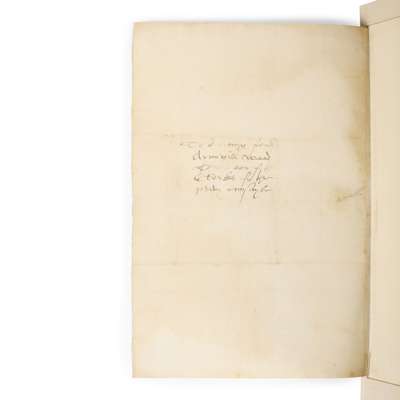
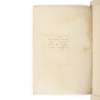
Conjugate leaf with address panel inscribed in a secretary hand ‘To our loving friend Armigill Waad Esquier one of the Clerkes of the privy counsayle’. Tipped to mount along left edge, small closed tear neatly repaired
Footnote
An extremely rare survival from the nine-day reign of Lady Jane Grey, one of the most dramatic episodes in English history, capturing the fleeting regime’s efforts to assert its authority two days before its collapse with the privy council’s volte face and declaration for Mary Tudor as queen.
Signed by twelve Tudor magnates, altogether of an unmistakably protestant stripe but only reluctant participants in the Duke of Northumberland’s plot to install his daughter-in-law as successor to Edward VI, the letter is a warrant addressed to Armagil Waad (Wade), clerk of the privy council, authorising him to disburse payments to various couriers for delivering ‘hir maiesties letters’, presumably the official announcement of Jane’s accession and accompanying demand for loyalty, to several named regional power-brokers whose support of Mary must have been known to the councillors.
Edward VI died on 6th July, and the privy council proclaimed Jane queen on 10th July. From her base in Suffolk, Mary Tudor began to rally the local conservative gentry, and by the 17th, the date of this letter, Northumberland had ridden to suppress the revolt. The councillors were confined to the Tower of London for the duration of Jane's reign, but discipline soon began to break down. On the 16th Winchester tried to leave the Tower, but was forced back, and on the 19th a group of councillors, led by Shrewsbury and Bedford, proclaimed Mary queen to general rejoicing. Mary entered London in early August and Jane was executed the following year.
One messenger (John Amo) is sent ‘with her hyghnesses letters to Sr John Williams knight and Mr Leonard Chamberlain’, respectively the former and incumbent sheriffs of Oxfordshire and Berkshire, both at that moment engaged in raising a substantial number of troops in support of Mary’s claim. A second messenger is sent to his master (John) Chichester, a leading member of the Devonshire gentry and a firm supporter of Mary, and a third to Sir Edward Montague, chief justice of common pleas (‘Sir Edward Mounntaegue L. chief Judge’), who had been forced by Northumberland to draft the clauses directing the succession of Lady Jane Grey into Edward VI’s will.
Most of the privy council signatories would survive the Marian accession, though often with loss of office and a financial penalty. The exception was Thomas Cranmer, for whom the debacle was the prelude to his downfall and martyrdom. Winchester, by contrast, continued as lord treasurer throughout Mary’s reign and into Elizabeth’s. Many of the council were already old men with a lifetime of achievement and – survival – behind them, and were to die of natural causes within a few years. Goodrich was removed as lord chancellor but retained his bishopric until his death in 1554. Bedford was sent to Spain to secure Mary’s marriage to Philip II, dying in 1555, the same year as Sir Robert Bowes, who, having previously been pardoned by Henry VIII for his role in the Pilgrimage of Grace in the 1530s, was now permitted by Mary to travel north to shore up the Anglo-Scottish border. John Cheke, who died in 1557, was one of the foremost classical scholars of the 16th century and the first regius professor of Greek at Cambridge. Armagil Waad, the recipient of the warrant, was an early participant in the British exploration of North America, having been a member of Captain Hore’s famous voyage to Newfoundland in the 1530s.
The handful of extant government documents from the two-week interregnum between the death of Edward VI and the accession of Mary I appear to have largely gravitated towards major institutional collections. The Folger Shakespeare Library holds one privy council document dated 9th July and signed by eight councillors, not including Cranmer; another is in British Library Add MS 18738, dated 15th July and apparently with nine signatories; and a third, from 18th July, has been traced to Maggs Bros catalogue 871 from the year 1960, its current whereabouts unknown.