Sophie Fedorovitch was a Russian-born British artist and designer whose work played a significant role in the development of modern ballet in Britain. Best known for her collaborations with choreographer Frederick Ashton, she brought a distinctive visual imagination to stage design, costume and decorative art during the mid-twentieth century.
Born in Minsk in 1893, Fedorovitch trained in art in Russia before moving to London following the upheavals of the Russian Revolution. Her early exposure to Russian theatrical traditions, combined with an awareness of European modernism, shaped her approach to design. She became closely associated with the Vic-Wells Ballet (later The Royal Ballet), where her partnership with Ashton proved particularly influential.
Fedorovitch’s stage and costume designs were noted for their colour sensitivity, lyrical line and structural clarity. Rather than treating design as decorative backdrop, she understood it as integral to choreography, shaping atmosphere, rhythm and narrative. Her work for ballets such as Façade and Les Rendezvous demonstrates a refined balance between stylisation and movement, supporting dancers without overwhelming them.
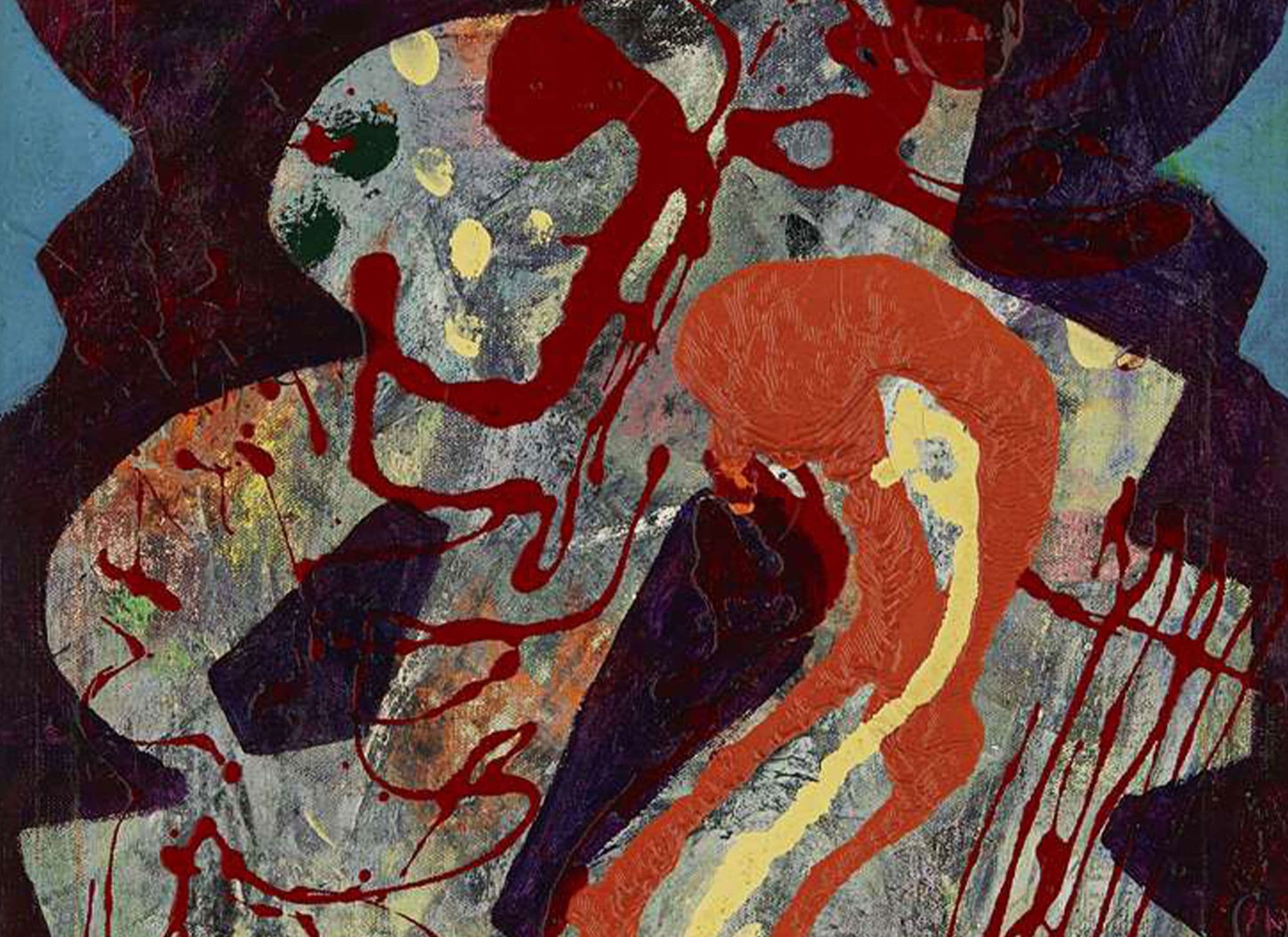
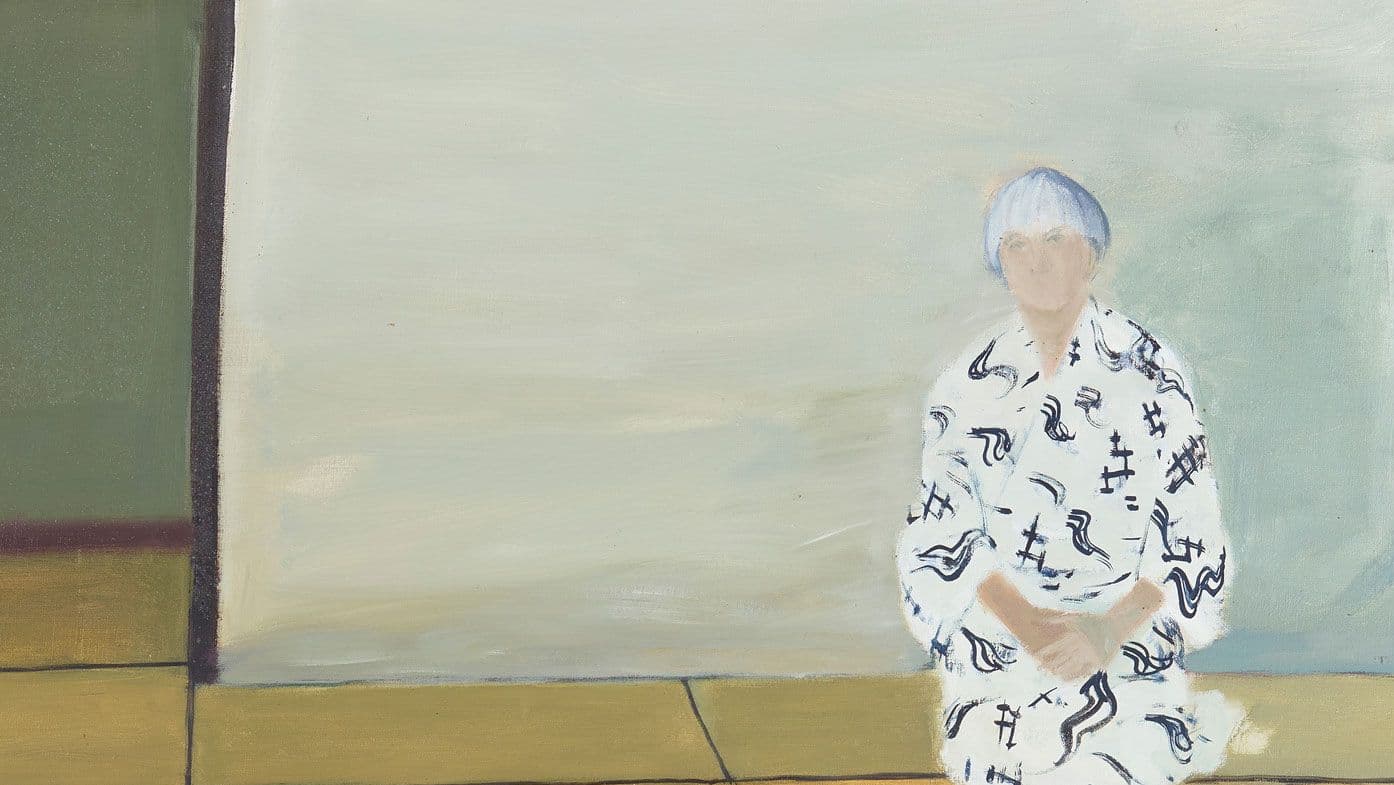
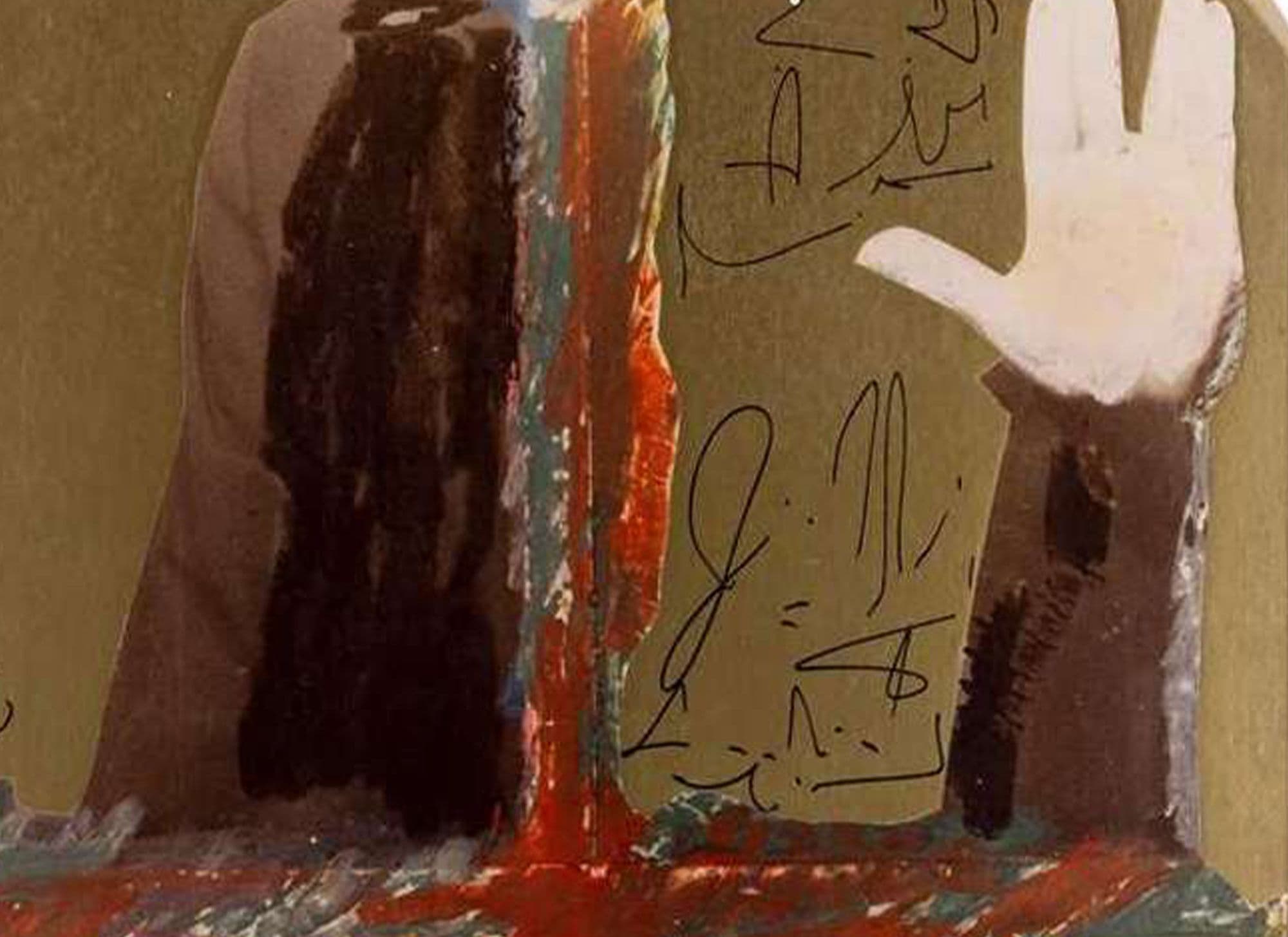
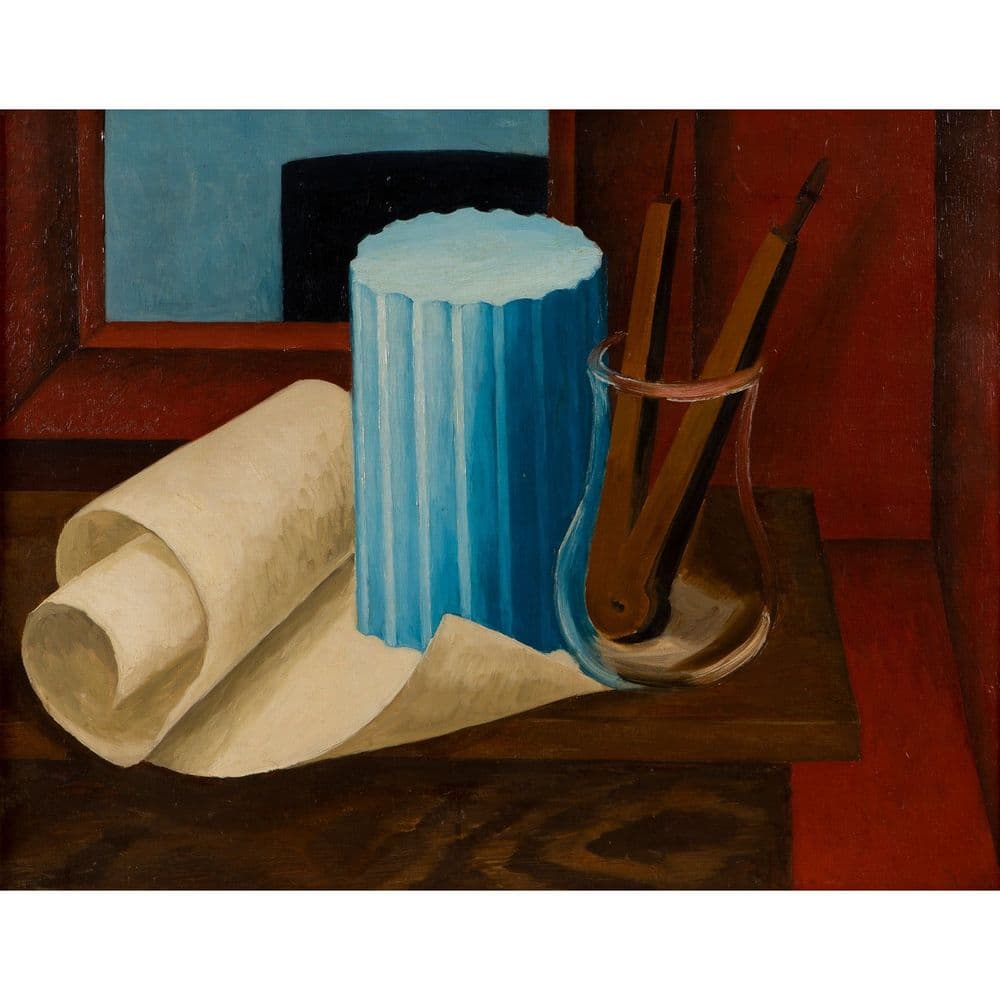
Alongside theatre work, Fedorovitch produced drawings, paintings and decorative schemes, revealing a broader artistic practice rooted in observation and composition. Her use of colour often carries a quiet intensity, and her figure studies show a confident handling of line informed by both academic training and modernist influence.
Though less widely known outside ballet circles, Sophie Fedorovitch was central to the visual identity of early British ballet. Her designs helped define a formative period in twentieth-century stage production, and her work remains valued for its elegance, sensitivity and contribution to modern performance history.