Roland Penrose: Artist, Collector and Champion of Surrealism
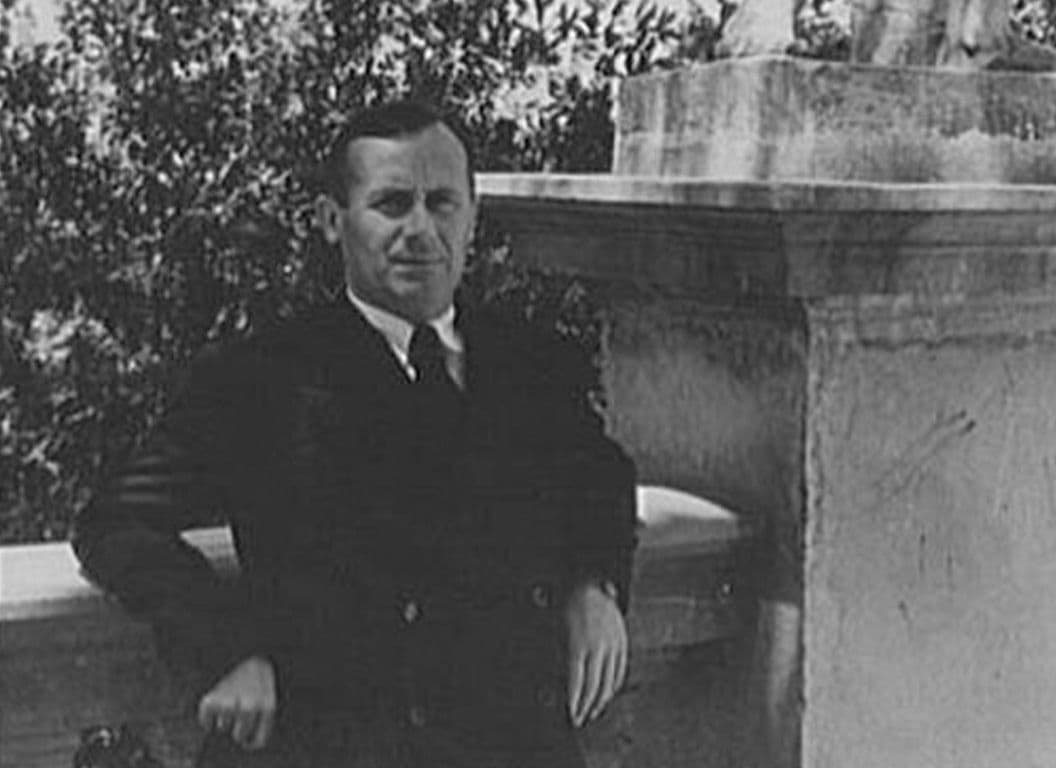
Born in London in 1900, Roland Penrose studied architecture at Cambridge before moving to France in 1922 to pursue painting. Through his first wife, the Surrealist poet Valentine Boué, he entered the circle surrounding André Breton and Paul Éluard and formed lasting friendships with artists including Max Ernst, Joan Miró, Man Ray and Pablo Picasso.
Penrose returned to Britain during the 1930s and became a leading advocate for Surrealism. In 1936, he helped organise the International Surrealist Exhibition in London, a landmark event in the development of British Surrealism. He later became closely involved with the London Gallery, which presented modern and Surrealist art to British audiences.
In 1937, Penrose met the American photographer Lee Miller. Their creative and personal partnership became one of the defining relationships of his life. They married in 1947 and later made Farley Farm in East Sussex their home, welcoming artists and writers including Picasso, Henry Moore, Miró, Max Ernst, Leonora Carrington and Dorothea Tanning.
Penrose co-founded the Institute of Contemporary Arts in 1947 and remained an important advocate for experimental and contemporary art. He also wrote influential books about Picasso, Miró, Man Ray and Antoni Tàpies. He was knighted in 1966 for his services to contemporary art.
Notable Works and Associations
The Road Is Wider Than Long
Created following a journey through Greece and Romania with Lee Miller in 1938, The Road Is Wider Than Long combined Penrose’s photographs, poetry and Surrealist imagery. Originally produced as a handmade book, it was subsequently published by the London Gallery and is regarded as an important early British Surrealist photobook.
Night and Day
Penrose painted Night and Day in 1937 after meeting Lee Miller in Paris. The work belongs to a formative period in which his personal relationships and engagement with European Surrealism increasingly shaped his imagery.
Le Grand Jour
Painted in 1938, Le Grand Jour is associated with Penrose’s mature Surrealist period. It reflects his interest in unexpected combinations of objects, dreamlike space and visual transformation.
Surrealist Collages
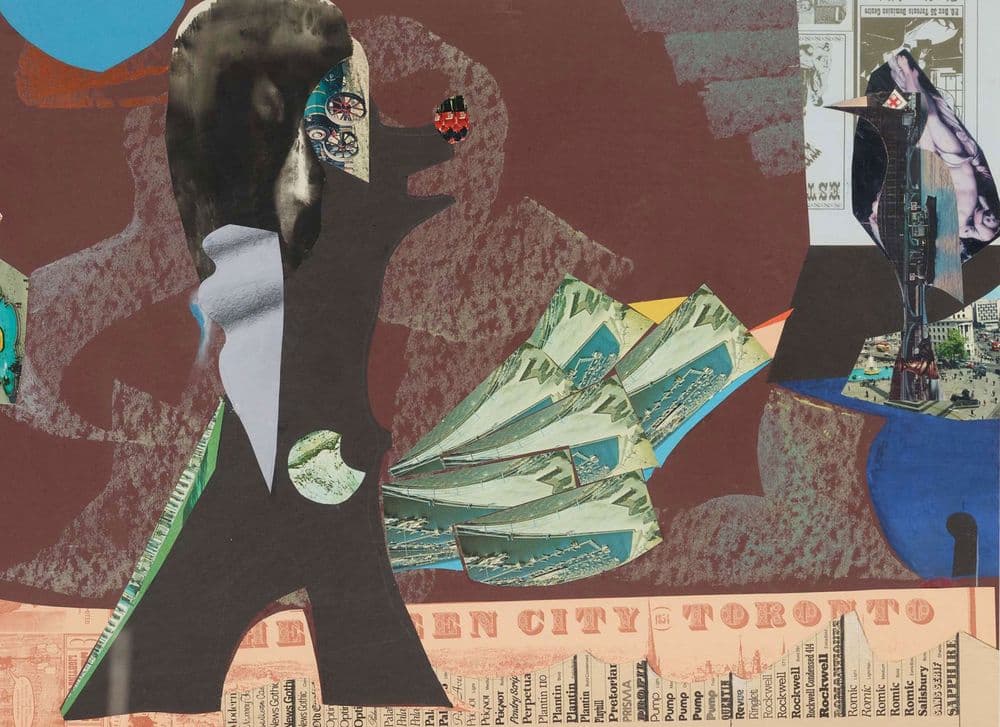
Penrose produced collages throughout his career, drawing on techniques associated with Max Ernst, including frottage and the imaginative reuse of found imagery. His postcard collages combine fragments of everyday visual culture to create unexpected and often humorous compositions.