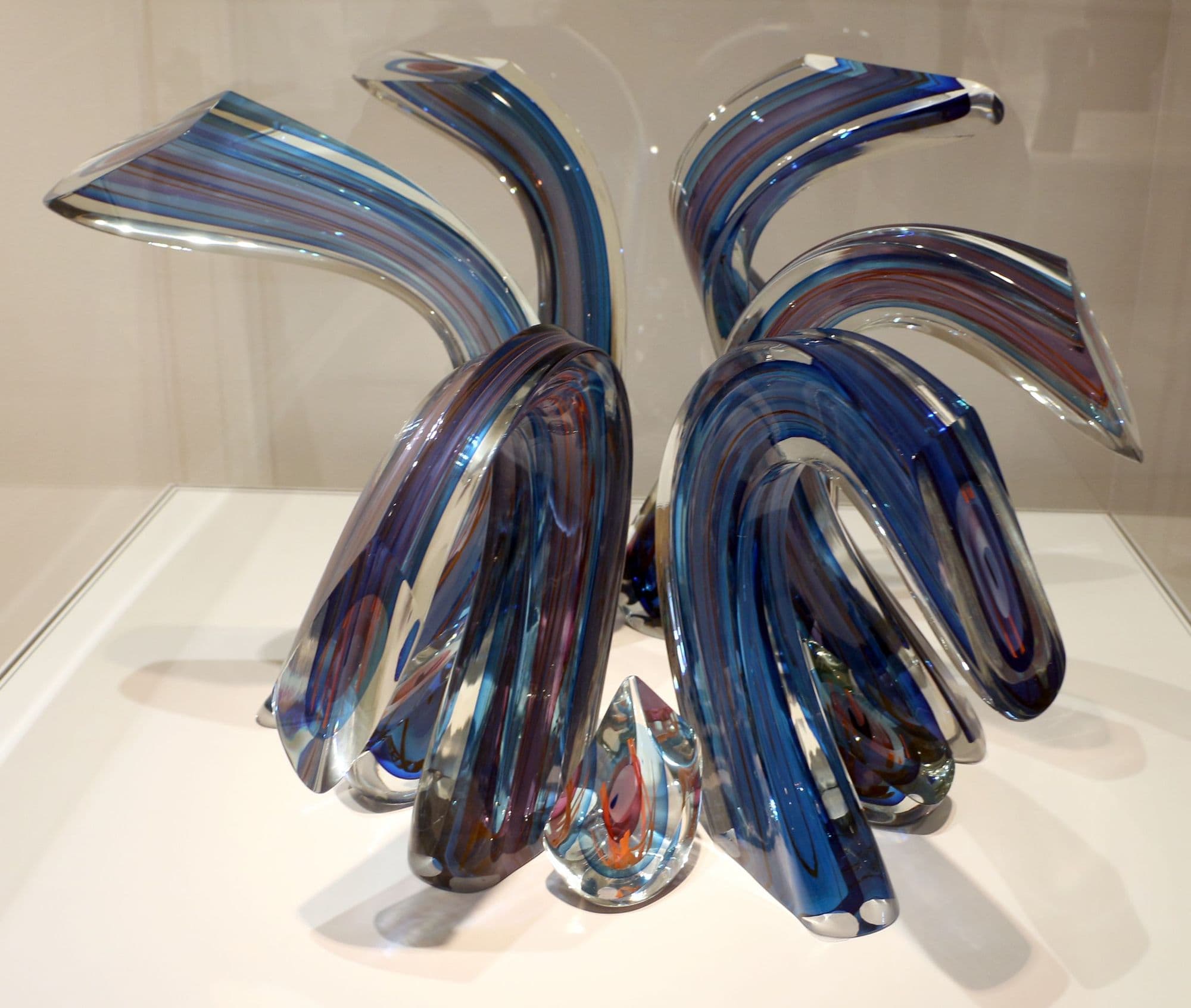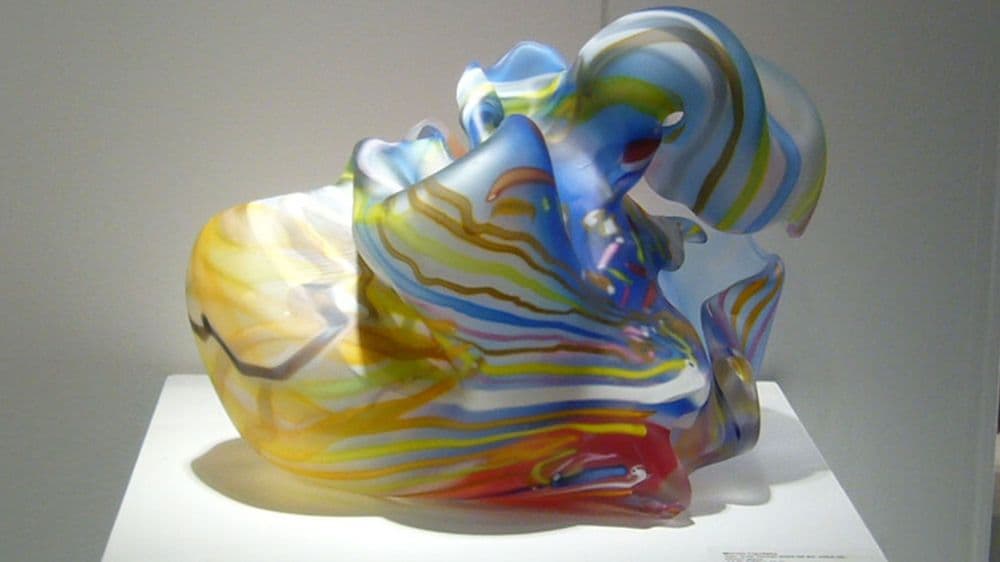
Marvin Lipofsky was a pioneering American glass artist and a central figure in the development of the international Studio Glass movement. Renowned for his technically ambitious and sculptural approach to glass, Lipofsky expanded the possibilities of the medium beyond functional objects, helping to establish glass as a serious form of contemporary artistic expression.
Born in New Jersey, Lipofsky studied ceramics at the University of Wisconsin–Madison before becoming one of the first American artists to work extensively with glass following Harvey Littleton’s groundbreaking experiments in the early 1960s. He later founded one of the first university glass programmes at the University of California, Berkeley, where he taught for more than three decades and influenced generations of glass artists.
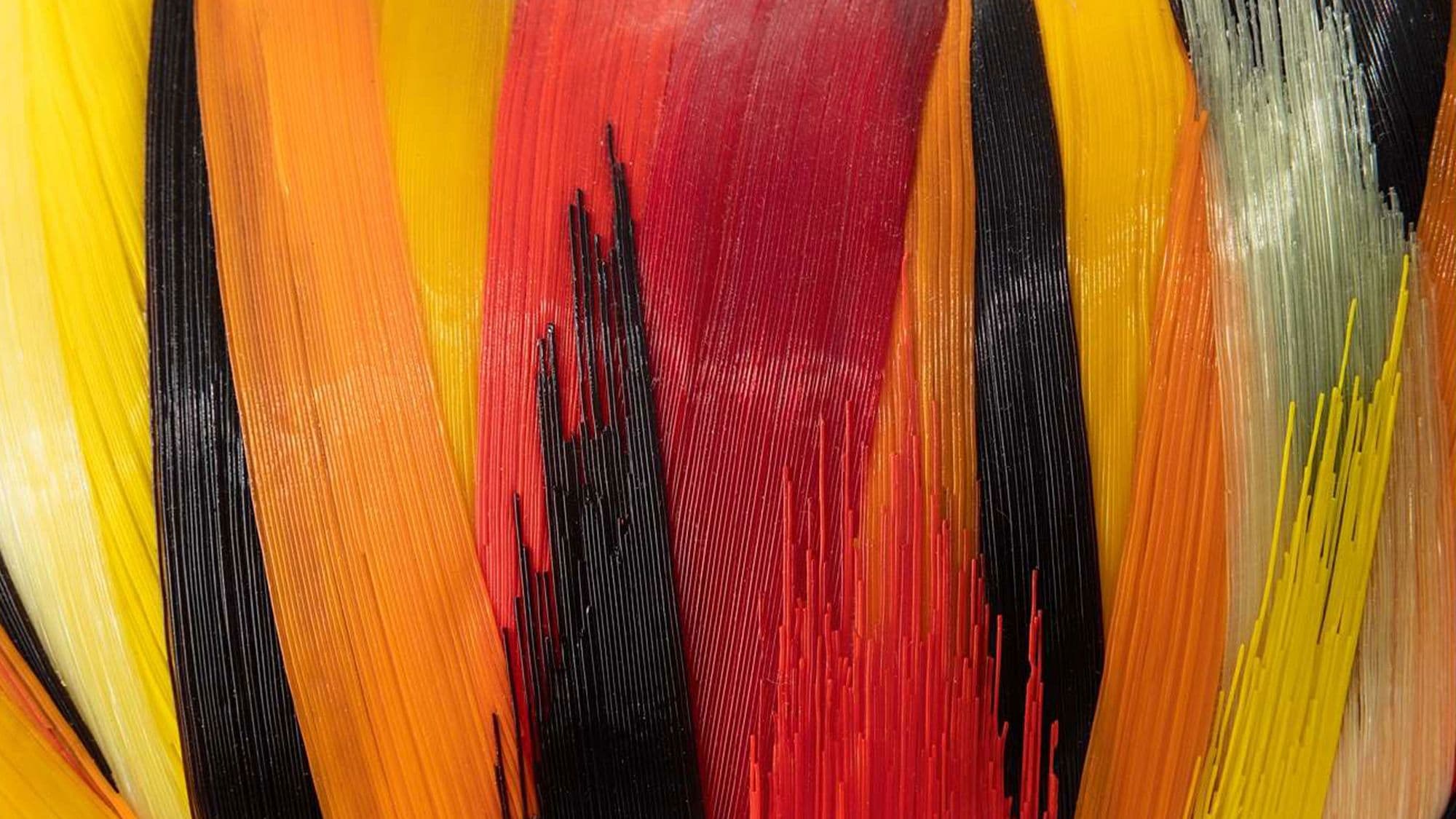
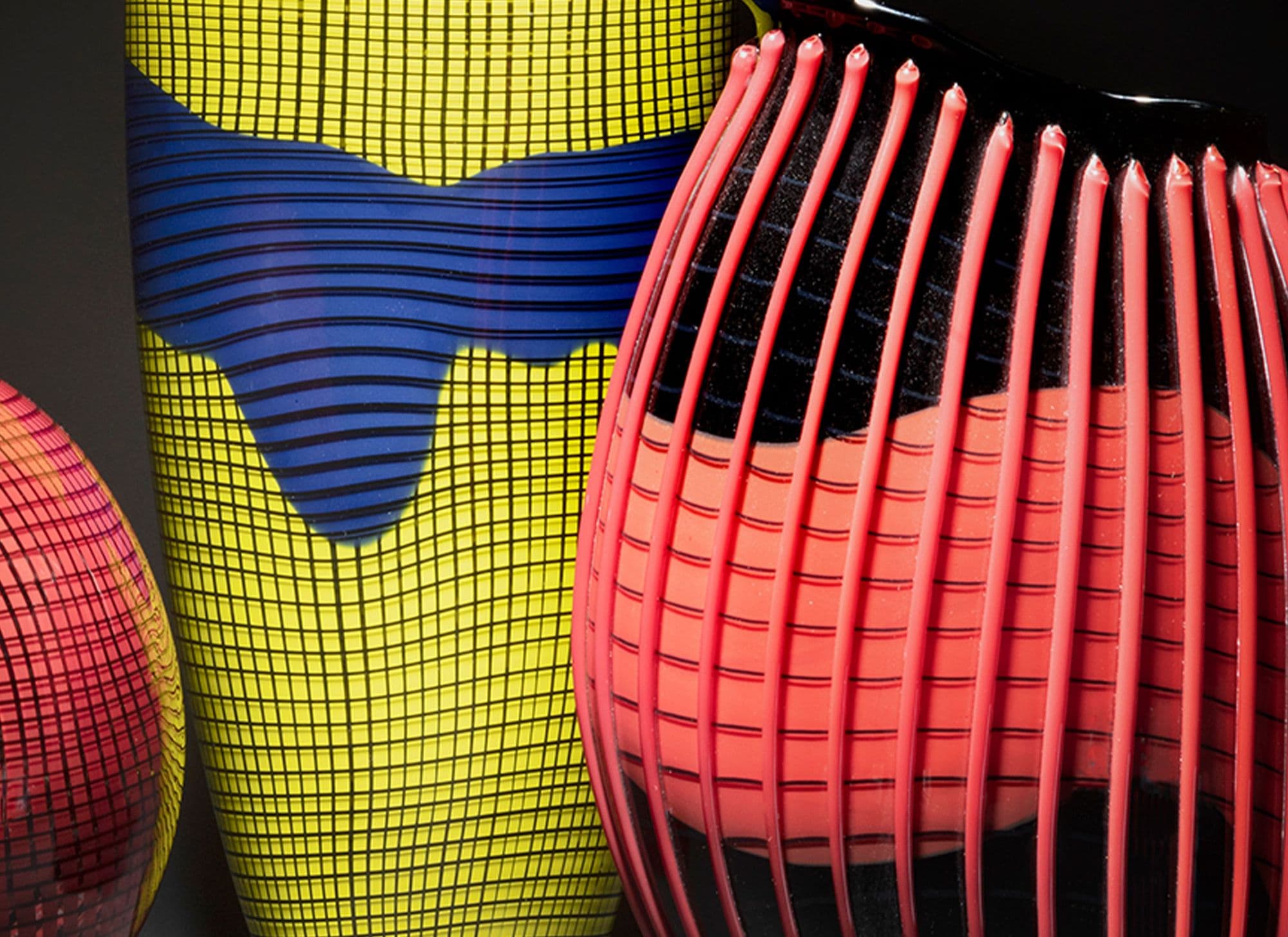
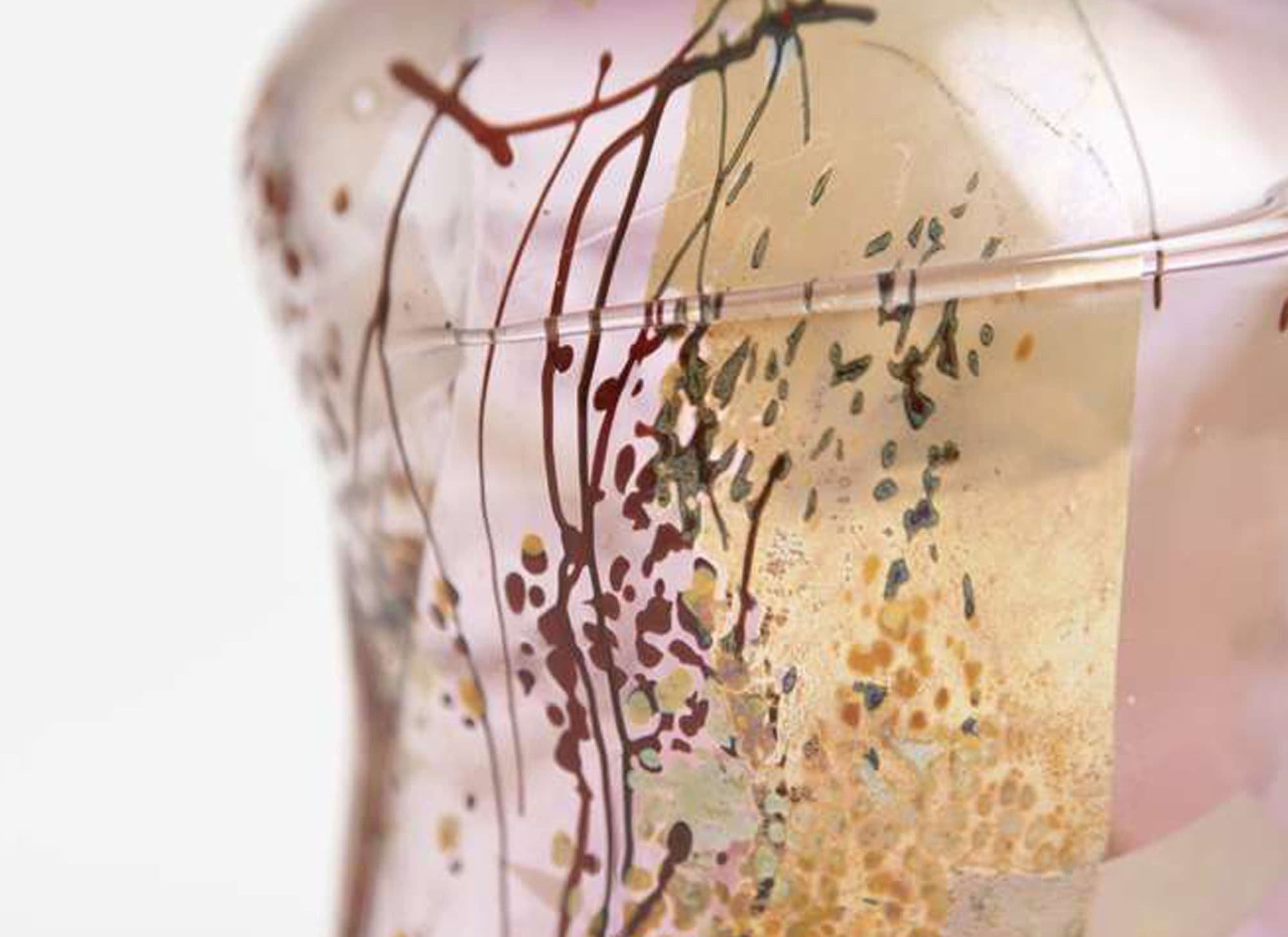
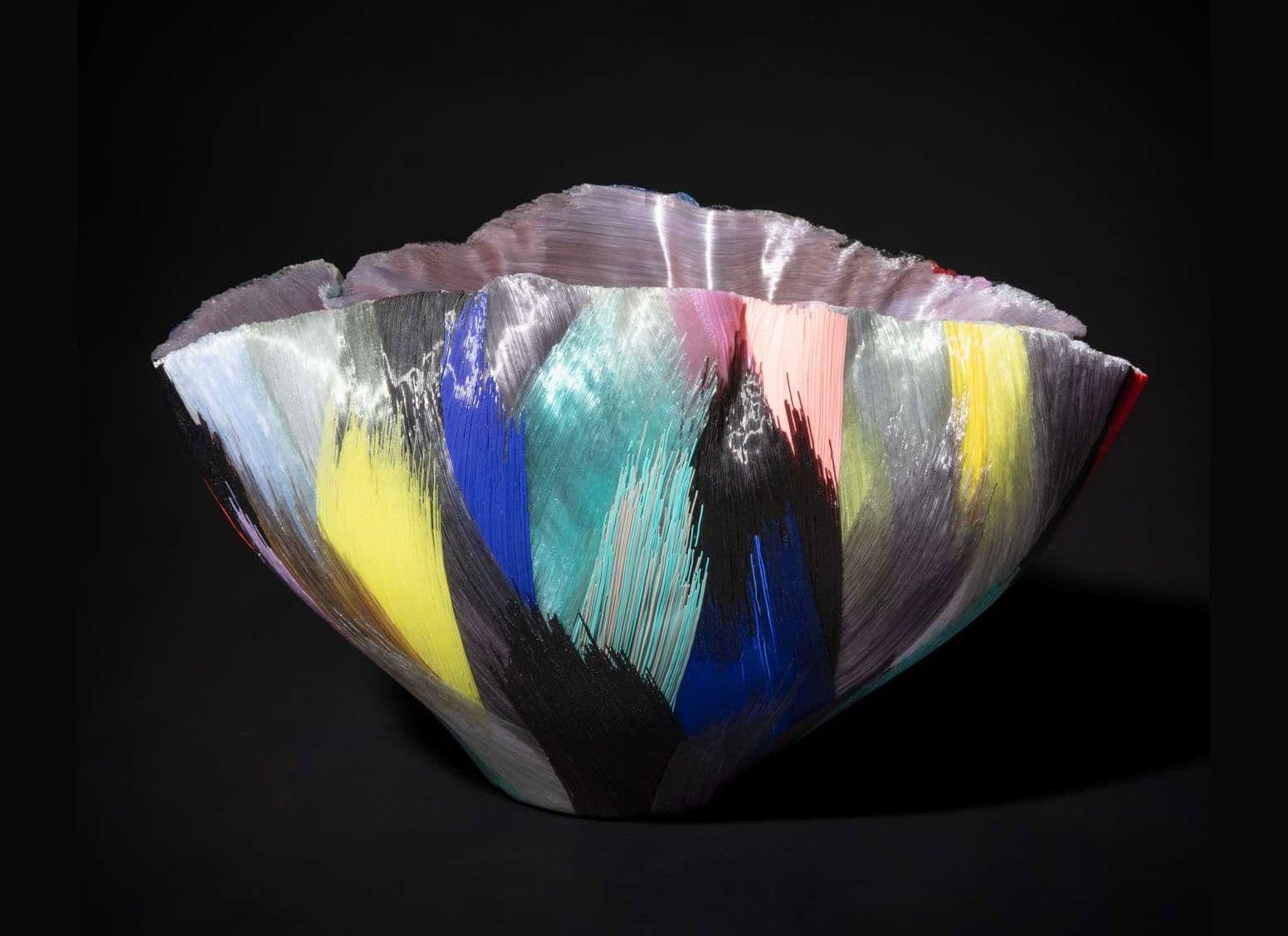
Lipofsky’s work is characterised by bold colour, complex surface patterning and innovative technical processes. He is particularly known for his large-scale sculptural vessels, platters and installation works, often combining blown glass with cold-working techniques such as cutting, engraving and sandblasting. His interest in global traditions of glassmaking led him to work internationally, drawing inspiration from Venetian, Scandinavian and Asian glass practices.
Throughout his career, Lipofsky exhibited widely in the United States and abroad, and his work is held in major museum collections including the Corning Museum of Glass, the Los Angeles County Museum of Art, and the Victoria and Albert Museum.