Early Life and Background
Germaine Kruip was born in the Netherlands in 1970 and lives and works in Amsterdam. From an early age, she was drawn to the human form, exploring both classical sculpture and contemporary approaches to space and gesture. The Dutch artistic environment, with its rich tradition of figurative and abstract sculpture, provided a fertile ground for her development. Kruip’s early education focused on sculpture and fine arts, where she was encouraged to experiment with materials, scale, and expression. This exposure instilled a lifelong interest in the tension between the physical presence of a body and its psychological resonance, laying the foundation for a practice that bridges realism, abstraction, and conceptual reflection.
Artistic Practice and Methodology
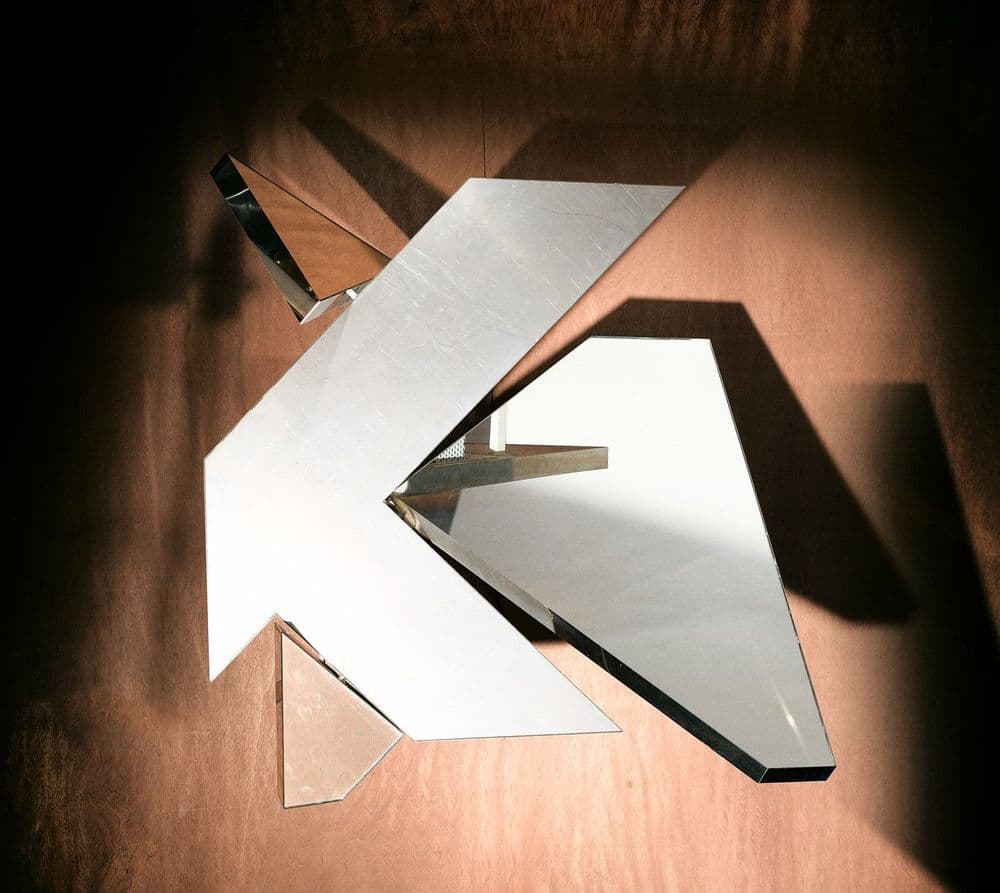
Kruip’s practice is centered on sculptural explorations of the human form. She works across bronze, resin, and mixed media, often combining organic and synthetic textures. Her sculptures capture both the vulnerability and monumentality of the body, exploring tension, movement, and the interplay between interior and exterior space. Kruip frequently challenges conventional perceptions of sculpture, creating works that engage viewers both emotionally and physically. Recurring themes include human fragility, corporeal energy, and the passage of time, while her approach to form and material reflects a continuous dialogue between contemporary European sculpture and global figurative traditions.
Her methodology combines technical mastery with intuitive responsiveness to the material. She often works iteratively, allowing the sculpture to evolve through interaction with form, texture, and space. Kruip’s ability to balance minimalism with expressive detail ensures her sculptures resonate across private and public contexts, creating works that are simultaneously intimate and monumental.
Influence and Legacy
Kruip is recognized as a leading contemporary Dutch sculptor whose work merges formal skill with psychological insight. Her sculptures are valued by collectors for their emotive power, material richness, and ability to inhabit varied spaces. Through sustained exhibitions, critical engagement, and gallery representation, she has positioned herself at the forefront of 21st-century European figurative sculpture. Her influence extends to conversations about contemporary embodiment, materiality, and the evolving role of sculpture in public and private contexts.
Her work reflected broader European conversations around the phenomenology of sculpture and immersive experience. Exhibitions included solo shows at Stedelijk Museum, Amsterdam, and group exhibitions at the Venice Biennale and Museum Boijmans Van Beuningen, Rotterdam. Discussed in Metropolis M, Artforum, and architectural-art crossover publications, her projects merged material exploration with conceptual rigor. Represented by leading European galleries, Kruip attracted collectors interested in innovative, spatially engaging sculpture. Situated in the early-2000s international art market, her practice emphasized interaction, perception, and material exploration, establishing a legacy as a central figure in contemporary Dutch sculpture and installation practice.