Barnaby Furnas was born in Washington, D.C. in 1973 and is based in New York City. He is widely regarded as a significant figure in contemporary American painting, particularly within the resurgence of large-scale, narrative-driven painting in the early 21st century, as reflected in institutional records and gallery materials from the Whitney Museum of American Art and Marianne Boesky Gallery.
Early Life & Background
Raised in a culturally engaged environment, Furnas developed an early interest in literature, history and visual art. These influences continue to shape a practice rooted in storytelling and collective experience, often drawing on historical and symbolic imagery to explore the dynamics of human conflict and shared behaviour, as noted in curatorial texts from the Saatchi Gallery.
Artistic Practice
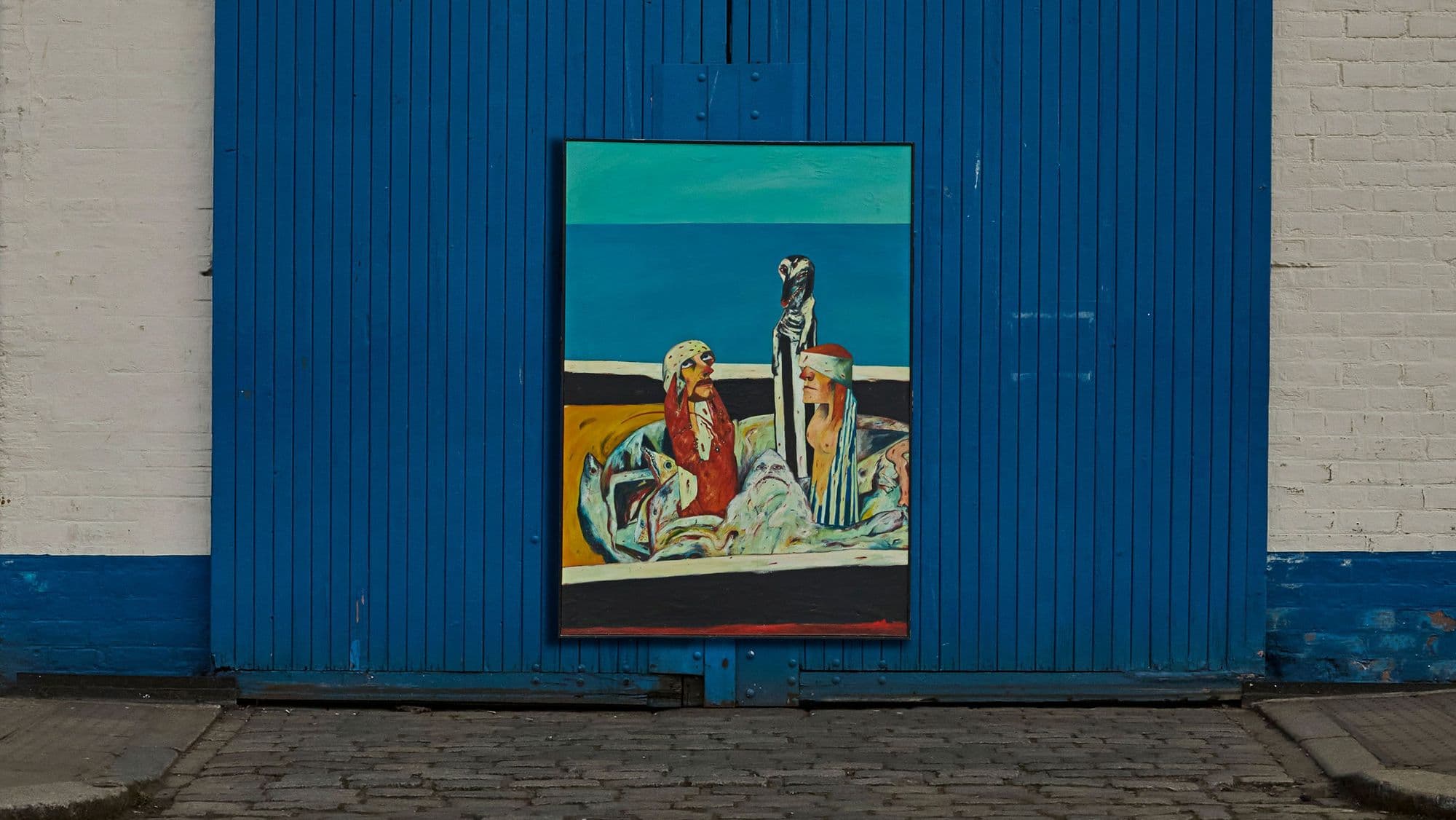
Since the late 1990s, Furnas has developed a distinctive painterly language characterised by fluid mark-making, vivid colour and large-scale compositions. His works frequently depict scenes of crowds, conflict and transformation, situating him within a contemporary rethinking of history painting.
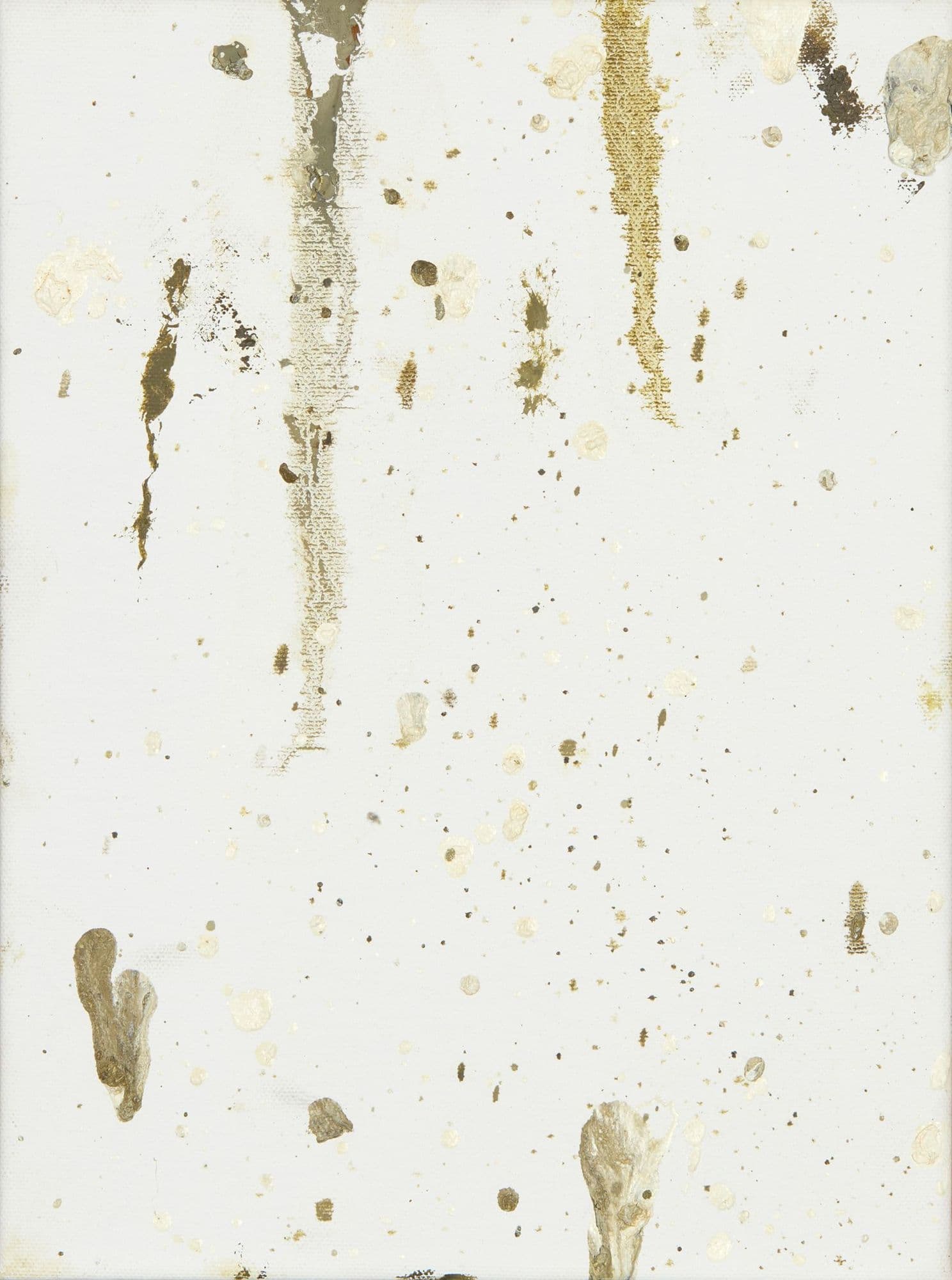
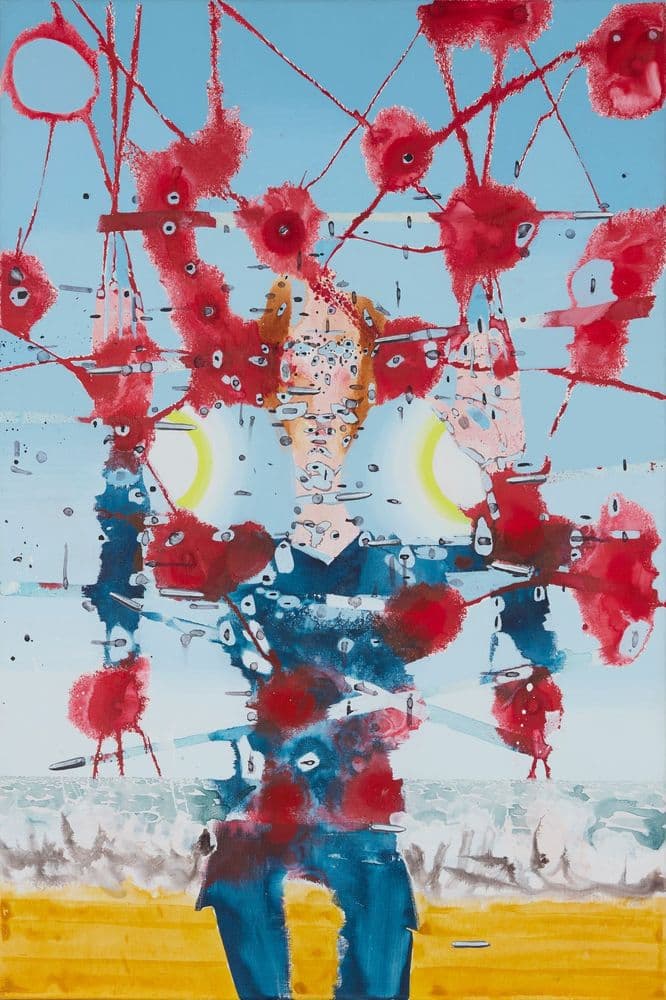
A defining feature of his practice is his use of poured and stained paint, allowing gravity and chance to play an active role in the formation of the image. Rather than imposing strict compositional control, Furnas embraces the material behaviour of paint, producing works that balance intention with unpredictability.
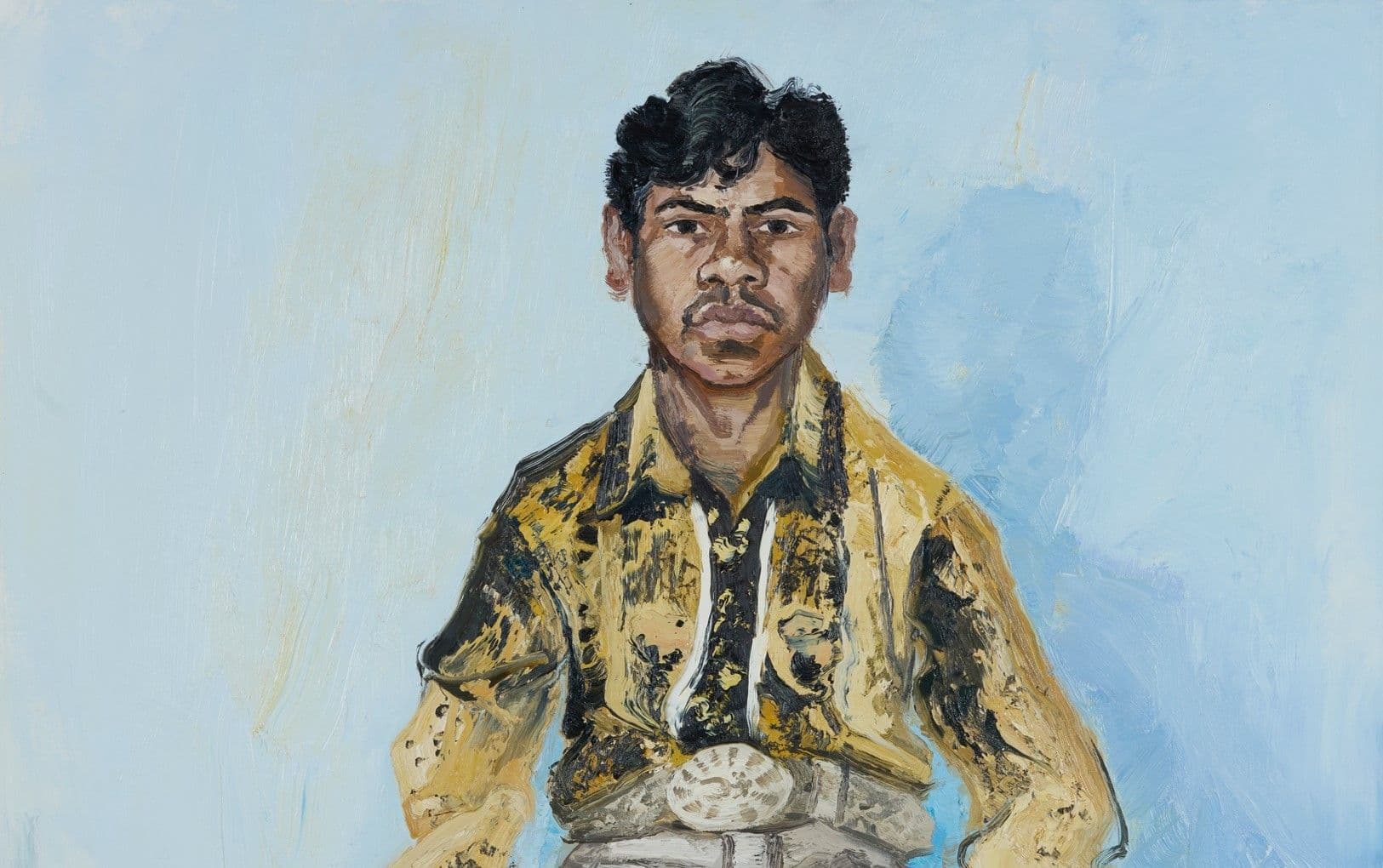
Operating between abstraction and figuration, his paintings dissolve bodies into colour while allowing narrative scenes to emerge from gestural flows. Through this tension, his work addresses recurring themes of violence, ritual, spirituality and collective experience, positioning him within broader dialogues in contemporary painting.
Influence & Legacy
Furnas’ practice in the early 2000s established him as a distinctive voice in contemporary figurative painting, combining theatricality, psychological intensity and narrative complexity. His work explores the tension between beauty and violence, myth and memory, reflecting broader cultural preoccupations with identity, history and media-saturated imagery.
Furnas exhibited widely during this period, with solo shows at David Nolan Gallery in New York and the Saatchi Gallery in London, and group exhibitions at the Museum of Contemporary Art, Los Angeles, and the Whitney Museum of American Art. His paintings were discussed in Artforum, Frieze and The New York Times, situating him within debates around the resurgence of figurative narrative painting in the early 21st century.
Represented by galleries emphasising contemporary figurative work, such as Marianne Boesky Gallery in New York and Victoria Miro in London, his canvases attracted collectors interested in psychologically charged, technically ambitious painting. Furnas’ early-2000s practice contributed to evolving dialogues around the narrative and performative potential of painting, and his legacy is marked by the enduring influence of his large-scale, emotionally resonant compositions within contemporary American painting.