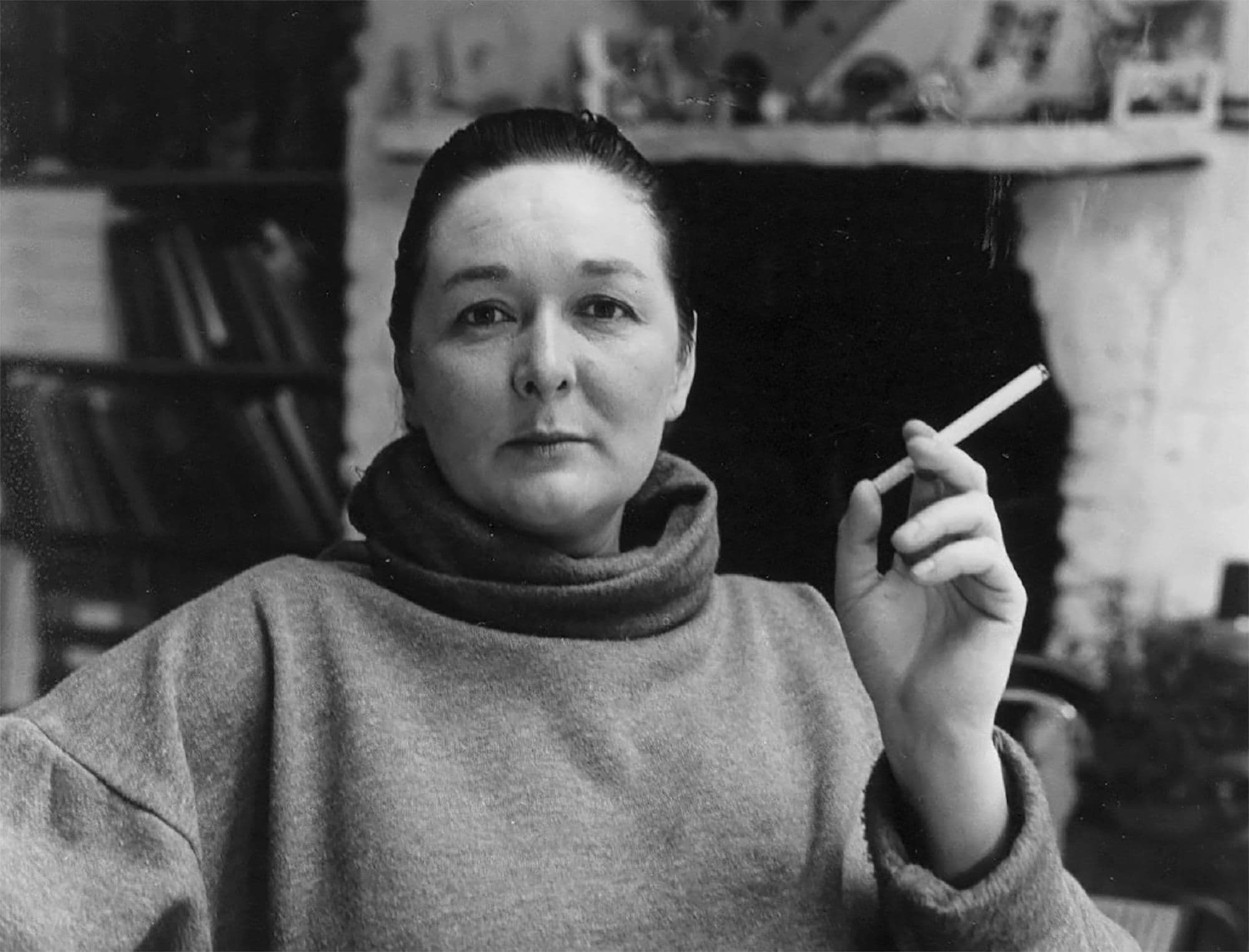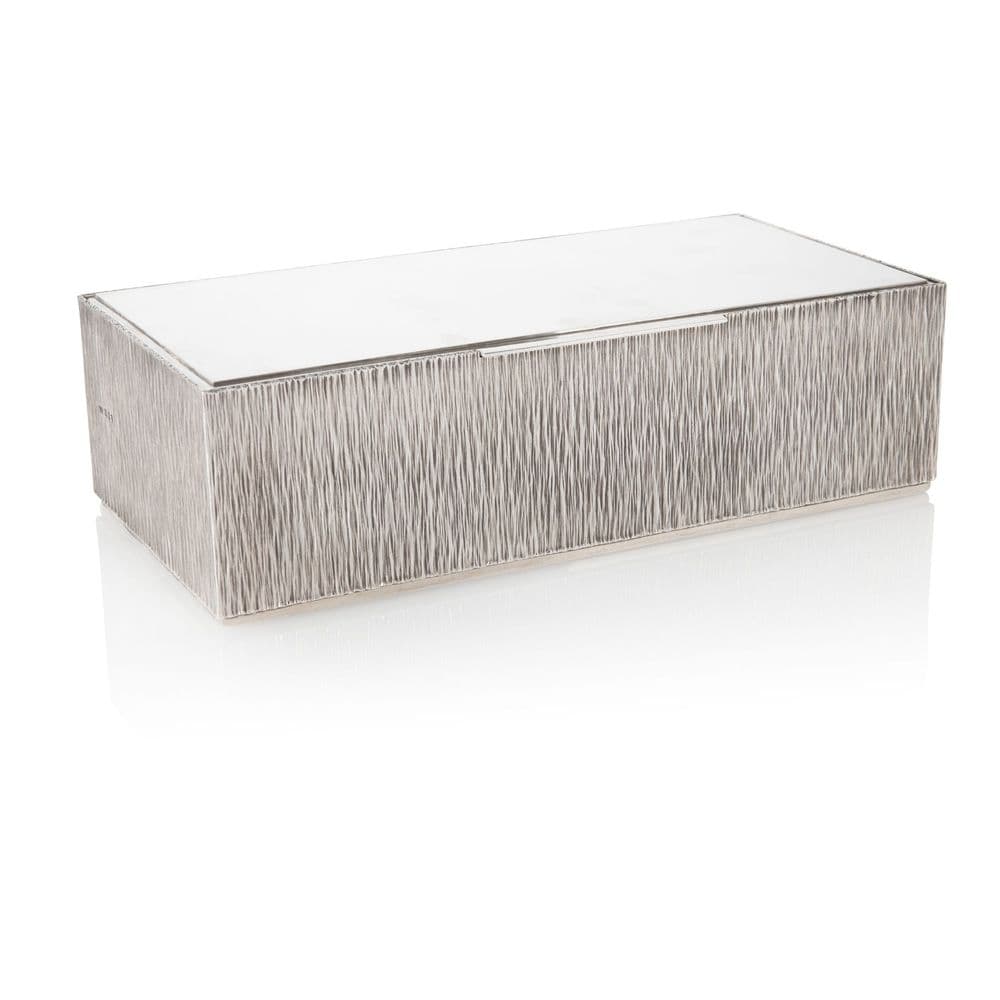
Gerald Benney was one of the most important British goldsmiths and silversmiths of the post-war period, recognised for revitalising contemporary silver in the second half of the twentieth century. Combining technical mastery with a distinctly modern aesthetic, Benney redefined the possibilities of hand-wrought precious metal in an age increasingly dominated by industrial production.
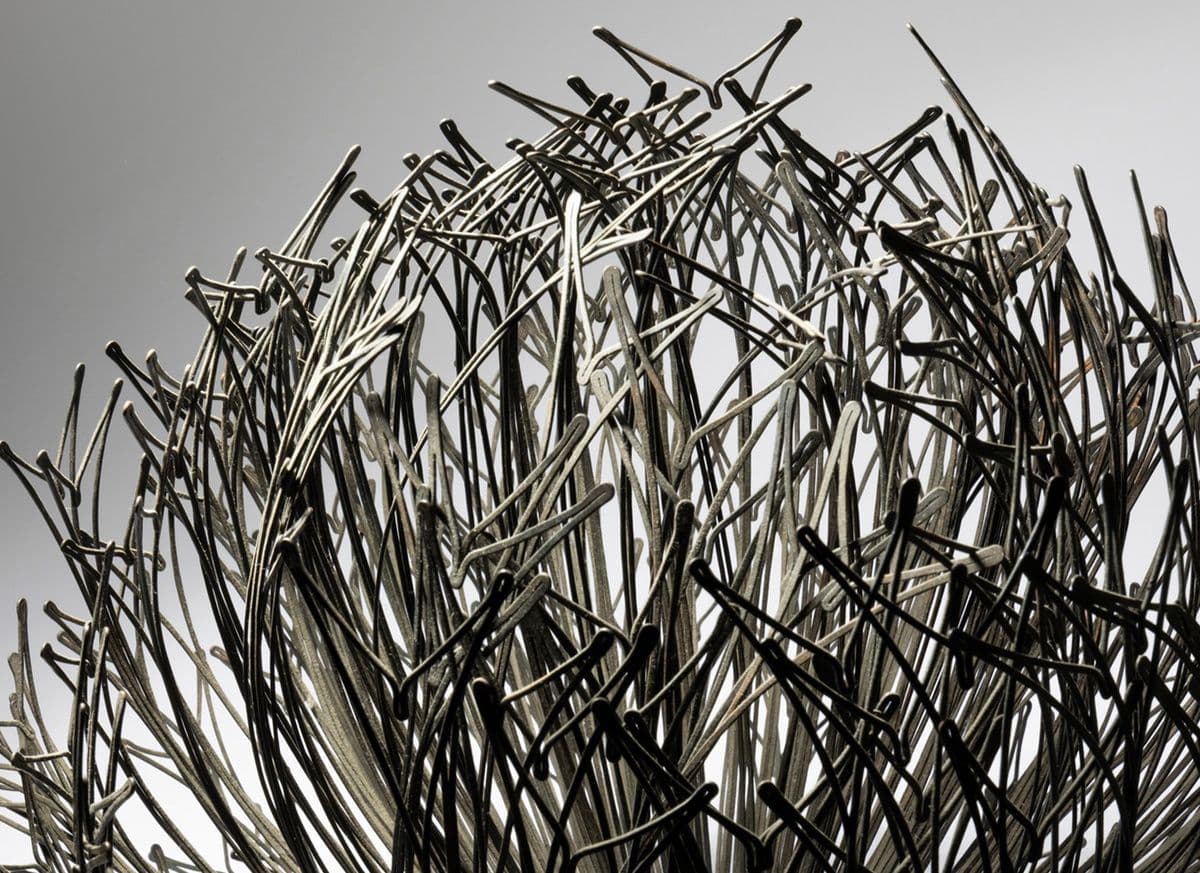
Born in Hull in 1930, Benney trained at Brighton College of Art before establishing his own workshop in London in the 1950s. From the outset, he was committed to hand craftsmanship at the highest level. His work is characterised by richly textured surfaces, often created through controlled hammering techniques, which give his pieces a distinctive tactile quality. This subtle surface treatment became a defining feature of his practice, setting his silver apart from both traditional Georgian revival styles and mass-produced modern wares.
Benney’s output ranged from ecclesiastical silver and presentation pieces to domestic tableware and jewellery. His designs balanced functional clarity with sculptural strength, reflecting both his respect for historic British silver traditions and his engagement with contemporary design thinking. He was appointed Goldsmith and Silversmith to the Royal Household and produced works for successive monarchs, including commemorative and ceremonial objects.
Throughout his career, Benney remained committed to maintaining a working studio that upheld traditional hand skills. In 1974 he became the first craftsman to receive a Royal Warrant in his own right, a significant recognition of the status he had achieved within British craft.
Today, Gerald Benney’s work is held in major public collections including the Victoria and Albert Museum and is sought after by collectors of twentieth-century British silver. His pieces remain valued for their balance of craftsmanship, modern form and enduring functional elegance.