The name Fabergé is closely associated with the final decades of Imperial Russia and with some of the finest examples of European jewellery and decorative arts produced at the turn of the twentieth century. Although best known for the Imperial Easter Eggs created for the Russian royal family, the firm's output extended far beyond these celebrated commissions to include jewellery, silver, enamels, hardstone carvings and luxury objects of every description.
The business was founded in St Petersburg in 1842 by Gustav Fabergé, but it was his son, Peter Carl Fabergé (1846-1920), who established its international reputation. Having studied across Europe, Carl Fabergé took over the family firm in the 1870s and developed a workshop system that brought together some of the most talented goldsmiths, jewellers and enamellers working in Russia.
A pivotal moment came in 1885 when Tsar Alexander III commissioned an Easter gift for Empress Maria Feodorovna. The result was the first Imperial Easter Egg, a commission that continued under Nicholas II and produced some of the most ambitious and technically accomplished objects ever created by the firm. Today, the Imperial Eggs are among the most famous works of decorative art in the world.
Alongside these prestigious commissions, Fabergé produced a remarkable range of objects for aristocratic, royal and international clients. Cigarette cases, photograph frames, desk accessories, parasol handles, jewellery and carved hardstone animals were all crafted to the same exacting standards. Rather than relying solely on precious materials, Fabergé became renowned for its inventive use of coloured gemstones, guilloché enamels and intricately carved hardstones.
Many of the firm's most important works were produced by specialist workmasters including Michael Perchin, Henrik Wigström and August Holmström, whose workshop marks are now keenly studied by collectors. Their contributions helped define the distinctive style associated with Fabergé during its most successful period.
The Russian Revolution brought an end to the firm in its original form. Following the nationalisation of the business in 1918, Carl Fabergé left Russia and died in Switzerland two years later. The dispersal of Fabergé objects across Europe and America subsequently introduced the firm's work to a new generation of collectors and museums.
Today, Fabergé remains a cornerstone of the market for Russian works of art. Whether an Imperial presentation piece, an enamelled gold box or a carved hardstone figure, the firm's creations continue to attract collectors drawn to their craftsmanship, originality and association with one of the most fascinating periods in Russian history.
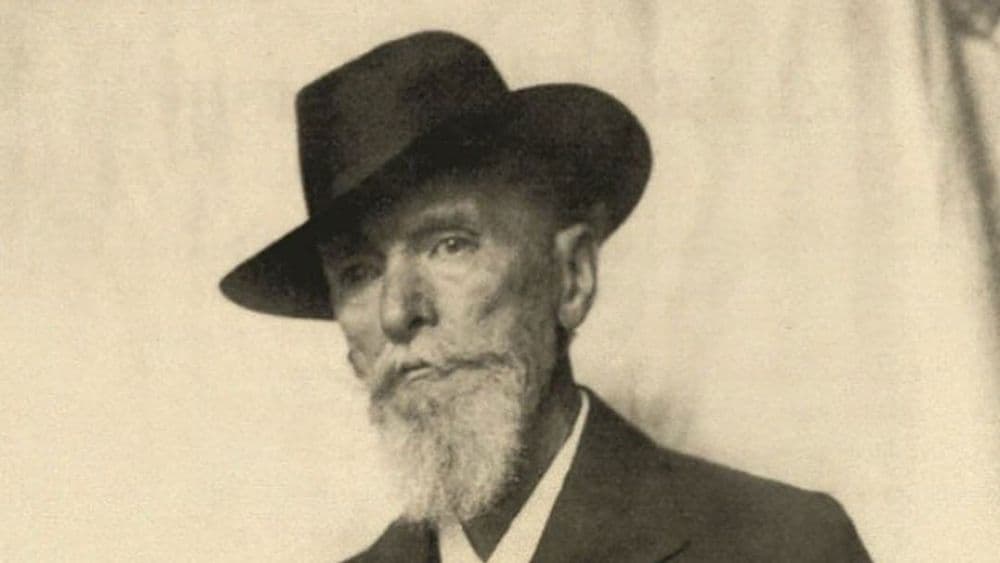
Illustrated: Peter Carl Fabergé. Unknown photographer, Public domain, via Wikimedia Commons