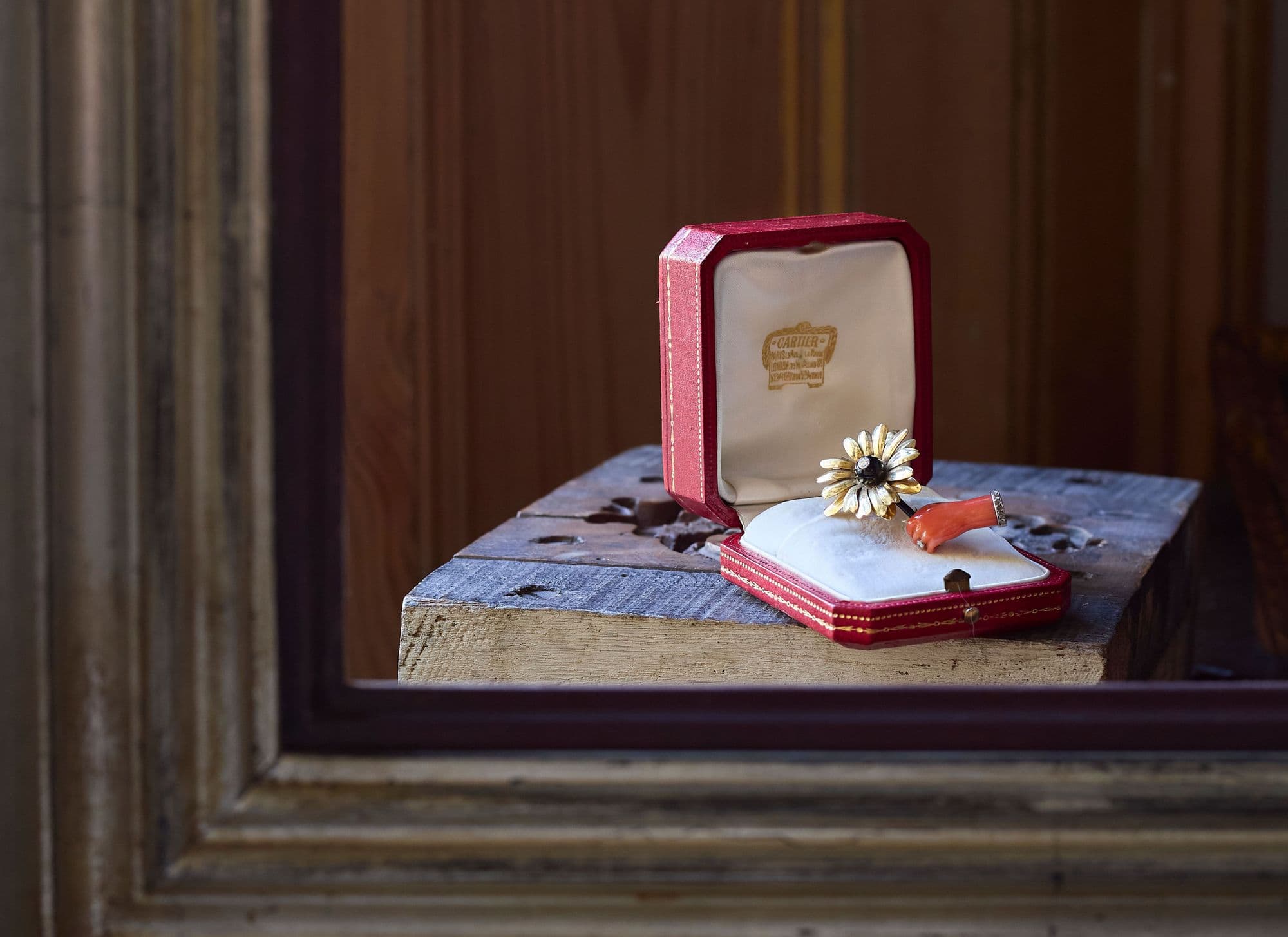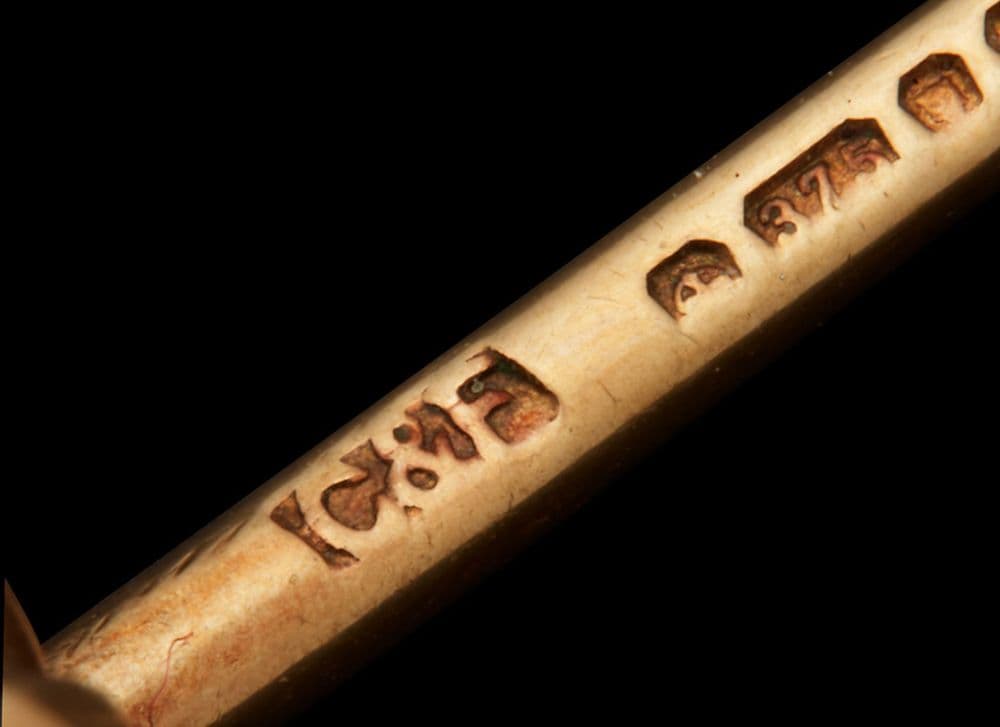
Cropp & Farr were among the established British firms known to supply jewellery components to Cartier’s London branch from the 1920s and 1930s, a period when the house was actively developing its British production network.
In 1922, Jacques Cartier founded English Art Works in London with the specific aim of training local goldsmiths and craftsmen to meet the exacting standards of Cartier’s Paris workshops. This initiative allowed Cartier to reduce reliance on imported work while maintaining consistency of quality across its international branches.
Despite the success of English Art Works, Cartier continued to rely on a network of specialist external suppliers for certain objects and components. These suppliers were selected for their technical expertise in particular categories rather than for complete jewellery production. Each firm tended to focus on a specific type of object: for example, Wright & Davis, based on Rosebery Avenue in London, were recognised suppliers of cigarette cases and lighters to Cartier during this period.
Within this framework, Cropp & Farr were known to supply studs and links, items that required precision manufacture and high standards of finish, but which could be produced separately from larger jewellery workshops. Their role illustrates the collaborative nature of Cartier’s London operations in the interwar years, where specialist British makers worked alongside in-house ateliers to support the maison’s output. This system allowed Cartier to combine Parisian design leadership with British craftsmanship, flexibility and technical specialisation.
See Judy Rudoe, Cartier 1900–1939, British Museum Press, London, 1997, p. 43.