Founded in 1890 the Birmingham Guild of Handicraft worked to preserve traditional craftsmanship in the face of industrialisation and mass production methods.
It grew out of the 1880 founded Birmingham Kyrle Society, which sought to provide working people with character improving leisure activities including gardening and chip-carving. It was the success of the Home Arts and Industries Association Exhibition of 1890 which encouraged the Kyrle Society to arrange craft classes as 'The Birmingham Guild of Handicraft'.
From 1890-95 the Guild and the Society shared premises in Sheep Street, before the Guild split off in 1898 to become a cooperative workshop and limited company. Over this period it had gradually evolved from an organisation providing classes for schoolboys and the unemployed to a small firm with up to eighteen workmen. Victorian ideals of cultural philanthropy still sat at the heart of the Guild, with C.R. Ashbee's Guild of Handicraft and its Arts & Crafts ideals providing the blueprint.
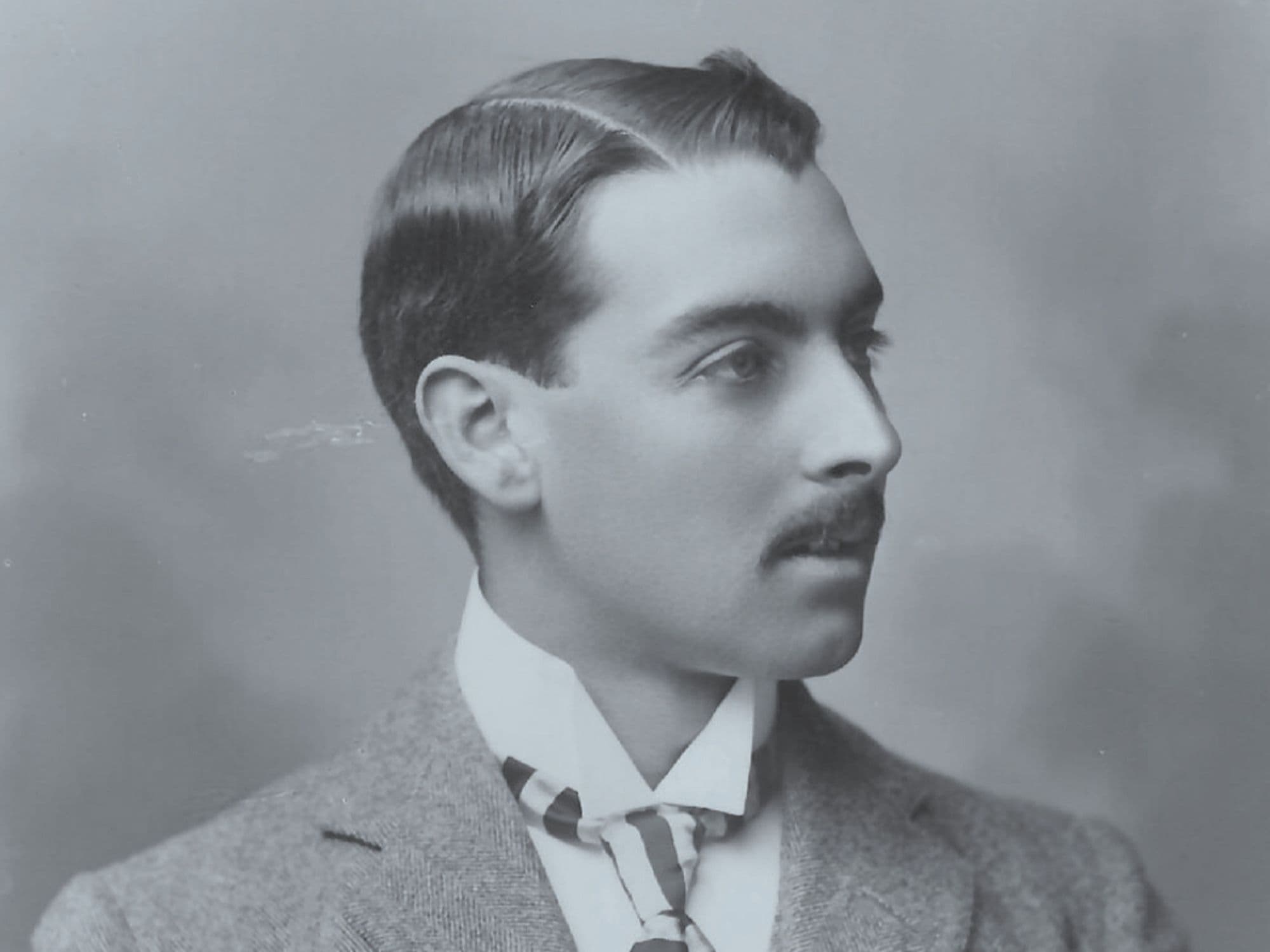
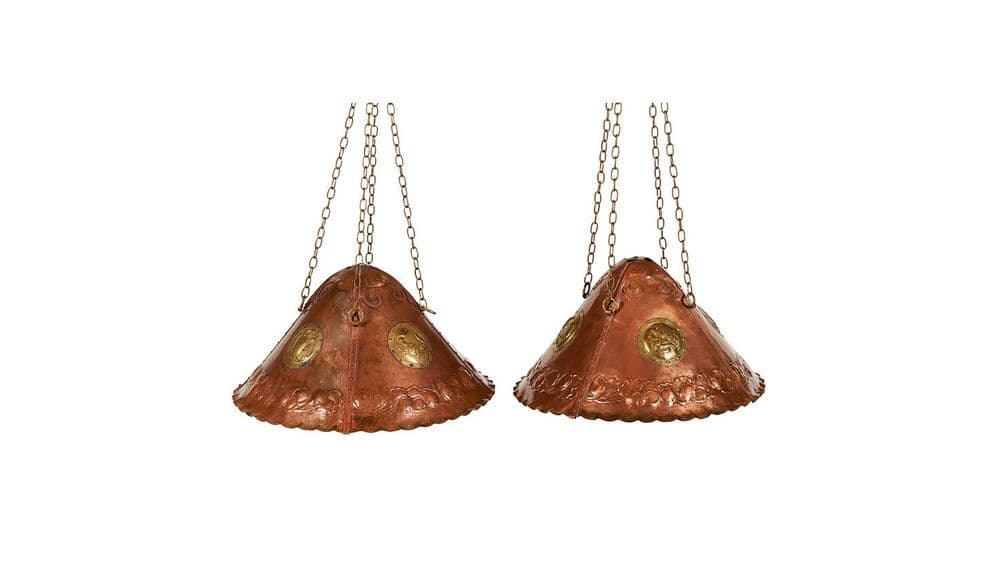
The Guild supported several crafts, but was most recognised for and prolific in metalwork, which included silver, copper and brass designs; a status in keeping with its motto 'By Hammer and Hand'. Further the Guild produced printed books and a quarterly magazine entitled 'The Quest'. A key figure within the Guild was one of its longest standing directors, the liberal campaigner, architect and designer Arthur Dixon.