Early Life and Background
Betty Bee was born in 1963 in Naples, Italy, where she continues to live and work. From the mid-1980s, she developed a distinctive and independent artistic identity, initially emerging as a street performer in Vienna before establishing herself within the Italian contemporary art scene. Her early experiences, both personal and artistic, shaped a practice that blurs the boundaries between art and life, performance and autobiography, irony and provocation. Naples, with its cultural intensity and social contradictions, remains a central reference point in her work, although she often describes herself as a citizen of the world rather than tied to a single place.
Artistic Practice and Themes
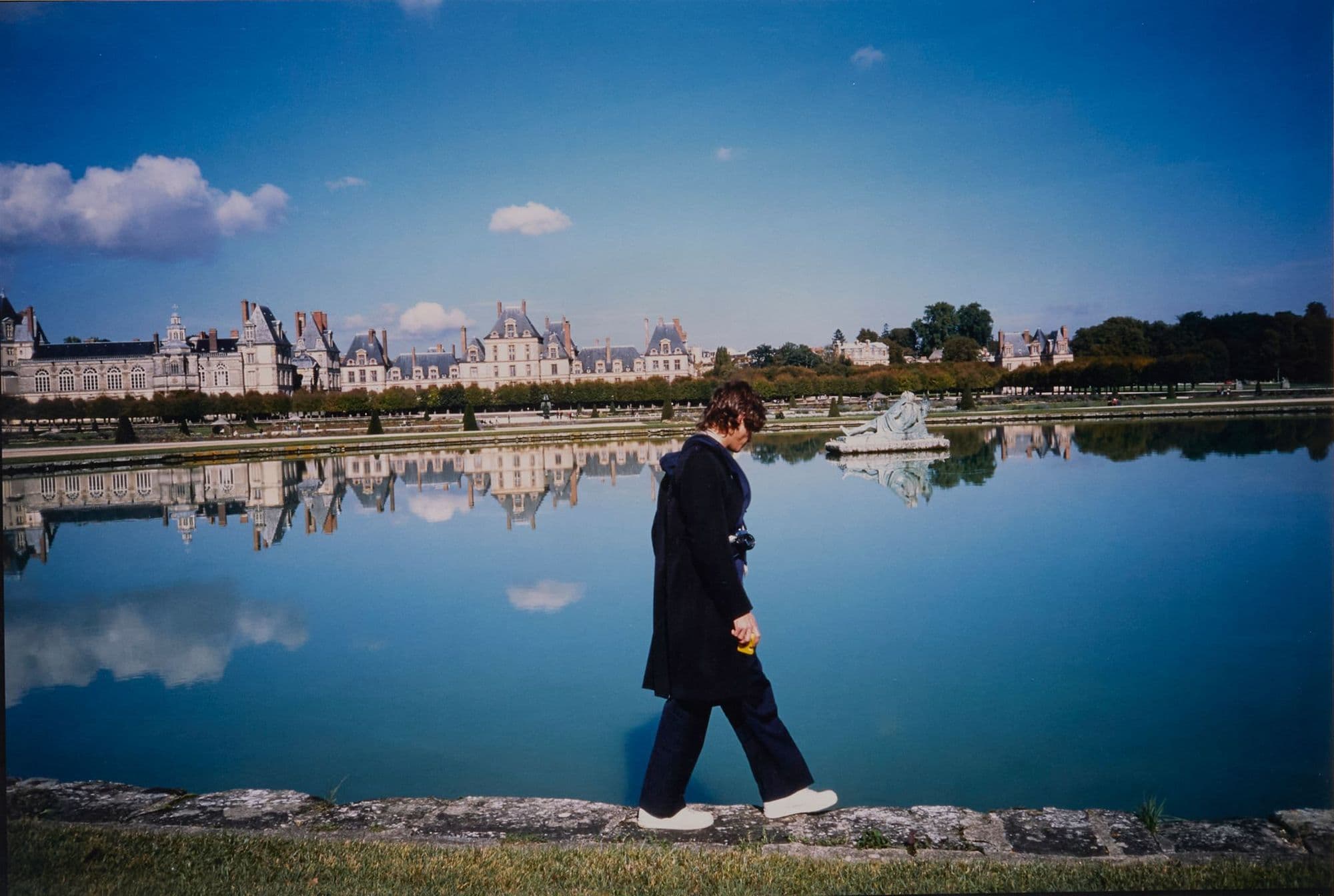
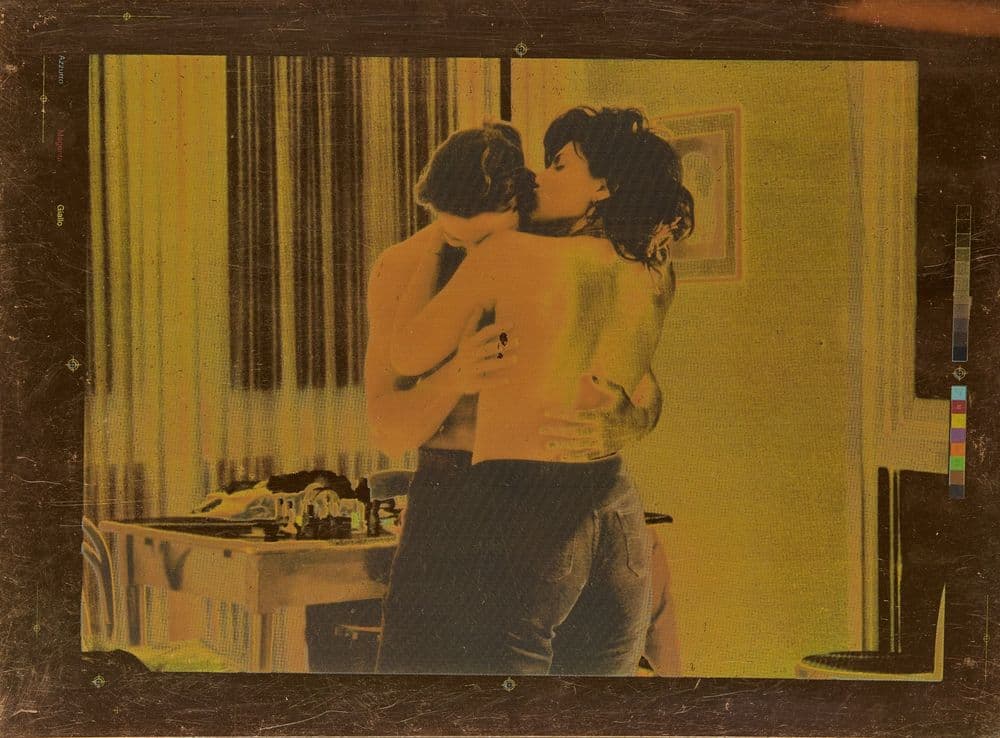
Betty Bee’s work spans photography, video, performance, painting and installation. Her visual language is marked by a combination of autobiographical intensity, irony and theatricality. She frequently uses her own body as both subject and medium, exploring themes of identity, gender, desire, power and the tension between sacred and profane imagery.
Her early video works, including Lionetti Luigi classe 1920, a portrait of her father, and Gilda, which draws on cinematic references, demonstrate her ability to engage personal history with emotional and poetic force. Across her practice, she addresses themes of violence, memory and gender politics through layered and often provocative imagery, challenging expectations and prompting both emotional and intellectual responses from the viewer.
Influence and Legacy
Betty Bee is regarded as a singular figure in Italian contemporary art, notable for her refusal to be categorised and her direct engagement with both personal and collective themes. Her work intertwines life and performance, combining autobiographical narrative with broader questions of identity, power and the politics of the body.
Through her persistent challenge to conventional artistic boundaries and her confrontational visual language, she has contributed to ongoing discourse around self-representation, performative identity and the act of looking in contemporary art. Her work is held in collections including the Madre Museo d’Arte Contemporanea Donnaregina, Naples, and has been exhibited widely, including presentations at the Venice Biennale and MAXXI, Rome, as well as solo exhibitions across Europe.
Her practice has been discussed in publications such as Flash Art and in broader studies of European contemporary art, securing her place within the narrative of late 20th- and early 21st-century artistic practice.