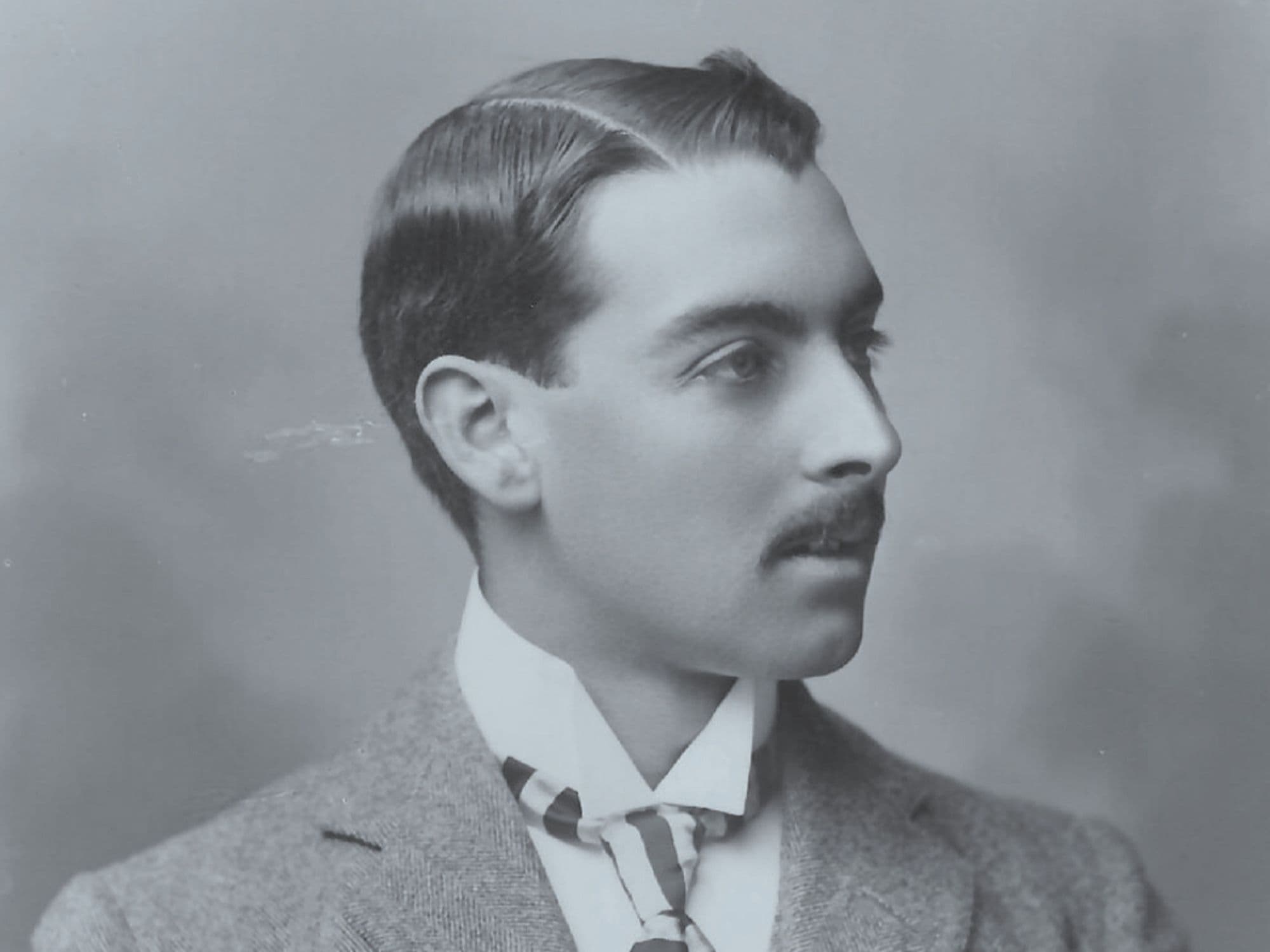
Born to Scottish parents on the Isle of Man, Knox developed a keen interest in Celtic lore and design whilst still at school.
He spent his childhood immersed in the natural environment of the island and even joined the recently founded local archaeological society. He later studied Celtic ornament in Ireland and honed his skills under architect Mackay Hugh Baillie Scott and in the studio of designer Christopher Dresser.
Knox began working in London at the end of the 1890's for both the Silver Studio and Liberty & Co. The discovery of two ancient Celtic Art treasures in the 1880s saw increased interest in and demand for Celtic design motifs, a trend which Liberty's capitalised upon.
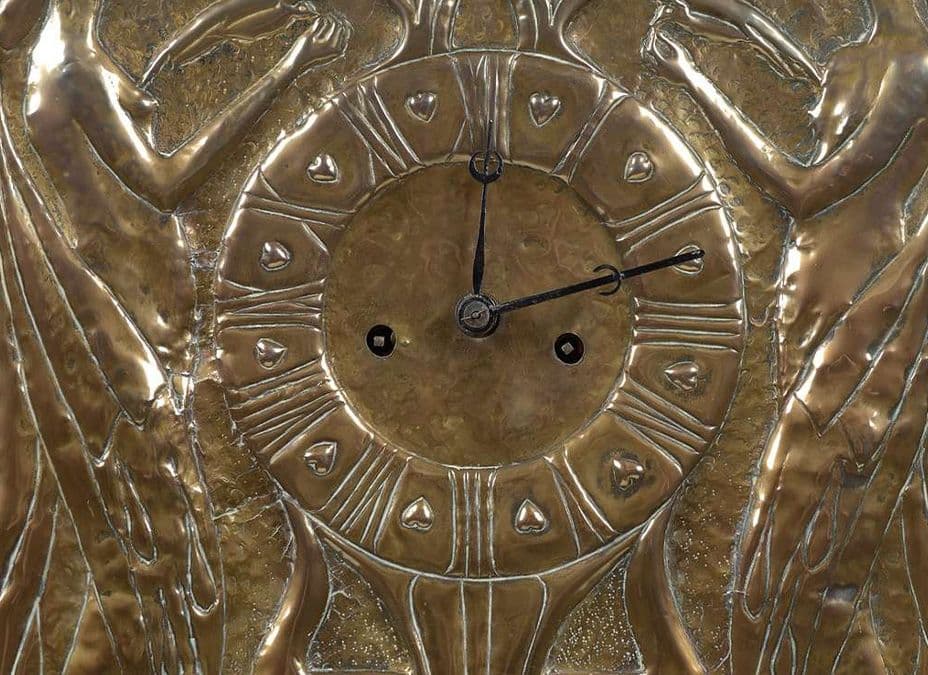
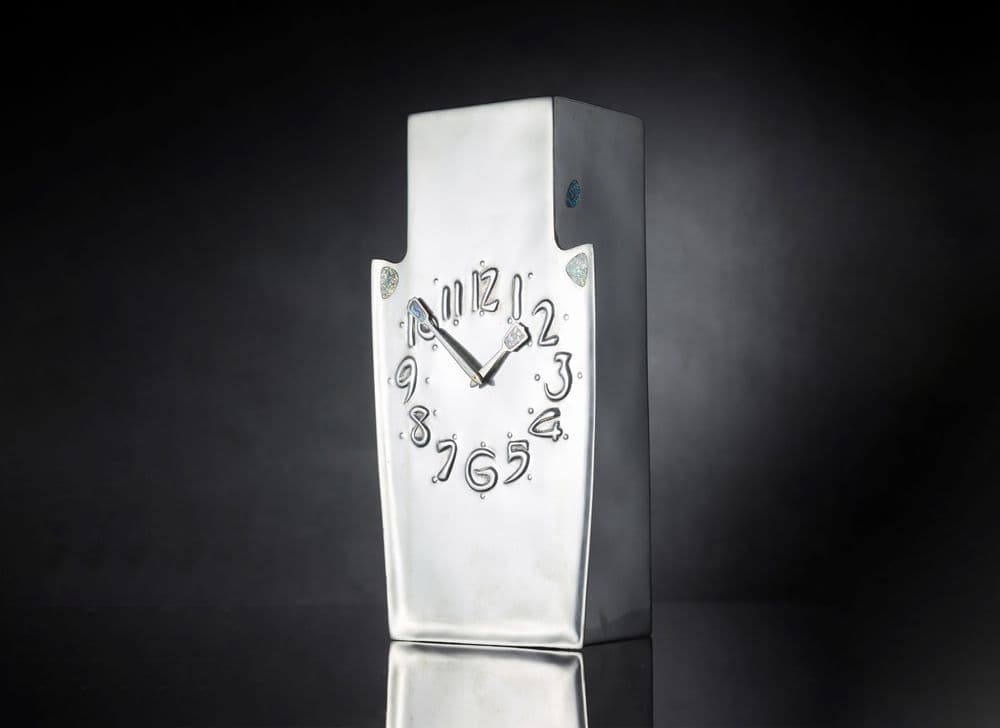
They launched their Cymric' (silver) and ‘Tudric’ (pewter) ranges, with Knox as the lead designer, but the Liberty tendency to not name designers resulted in limited contemporary recognition. His association with Liberty's ended in 1912 following a disagreement regarding teaching styles. Knox had taught throughout his life, initially on his native island, before moving to Surrey and then London art schools.
Following his separation from Liberty's, he and his loyal students founded the 'Knox Guild of Design and Craft' which operated until 1937. Knox is now regarded as a key figure in defining the aesthetic of the early twentieth century, with his designs encompassing the Arts & Crafts, Celtic Revival and Art Nouveau movements.