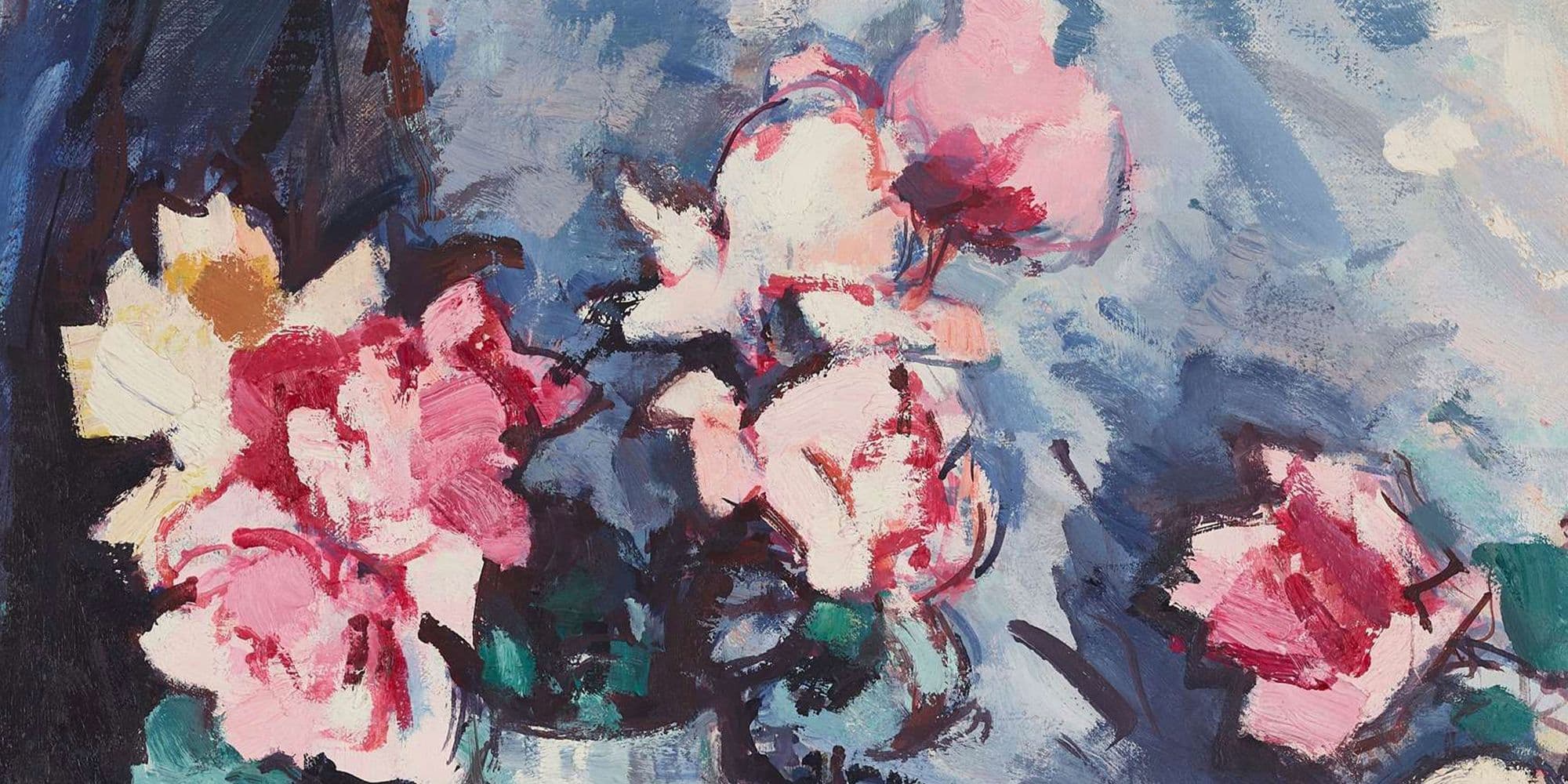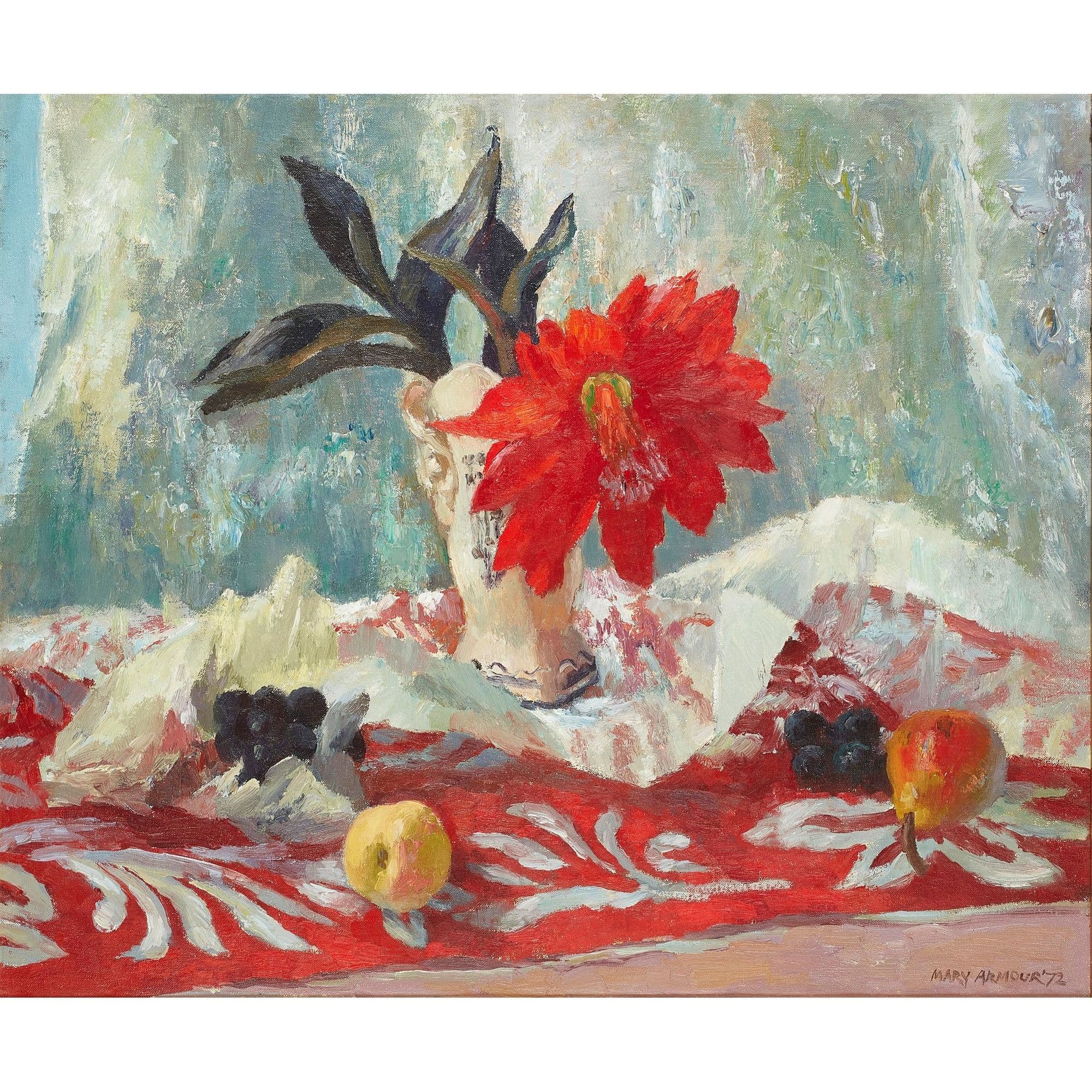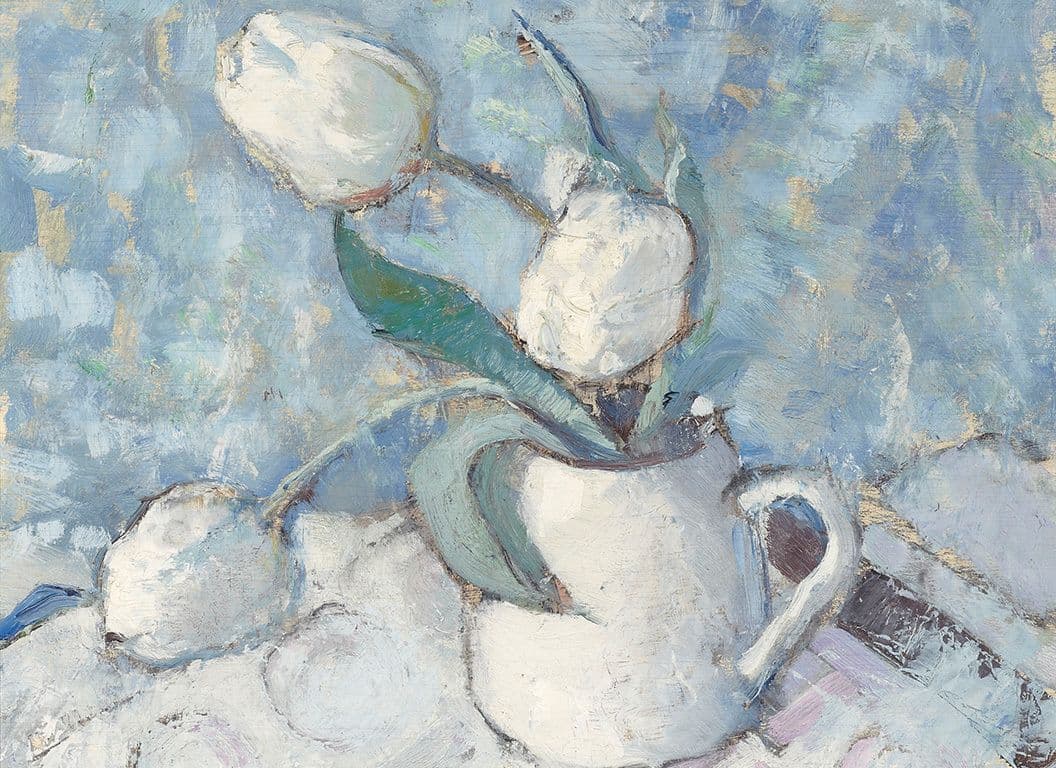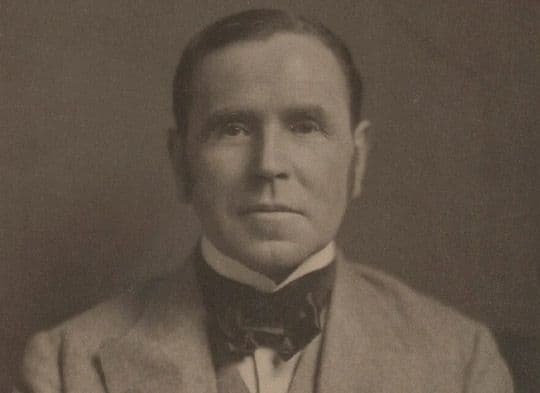
Anna Dixon was a Scottish painter whose work is distinguished by its fluid handling of paint and a warm, subdued palette. Her compositions often convey a quiet intimacy, whether depicting rural life in Scotland or coastal scenes in France.
Dixon trained at the Royal Scottish Academy Life School, where she studied under Edward Arthur Walton, Charles Mackie and William Walls. This grounding placed her within the orbit of late 19th and early 20th century Scottish painting, at a moment when artists were absorbing both Impressionist and Post-Impressionist influences from continental Europe while maintaining a strong attachment to place.
She travelled and worked extensively in the West of Scotland, capturing the character of crofting communities and rural landscapes with sensitivity and restraint. Like a number of Scottish artists of her generation, Dixon also spent time in France, particularly in Concarneau in Brittany, a long-established artists’ colony that attracted painters drawn to its working harbour and distinct light. These experiences informed her approach to colour and atmosphere, reinforcing the tonal harmony that defines much of her work.
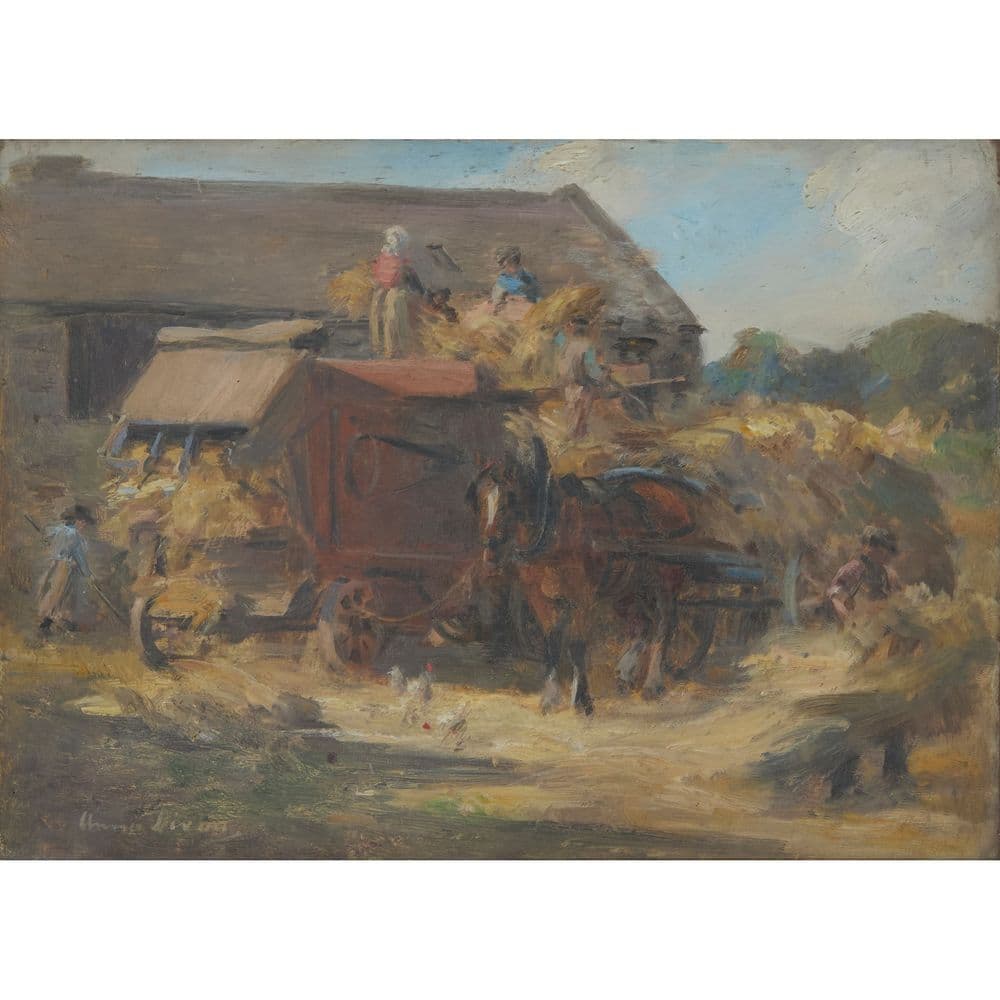
Dixon’s preferred subjects included children, crofters, horses and donkeys — figures and animals embedded in daily rural life. Rather than grand narrative, her paintings focus on gesture, mood and the relationship between subject and setting. The brushwork is often loose yet controlled, allowing light and form to emerge gradually across the surface.
Although less widely known than some of her contemporaries, Anna Dixon’s paintings reflect a sustained engagement with rural subject matter and a confident, painterly approach. Her work contributes to the broader story of Scottish artists who balanced local themes with European influence in the early 20th century.