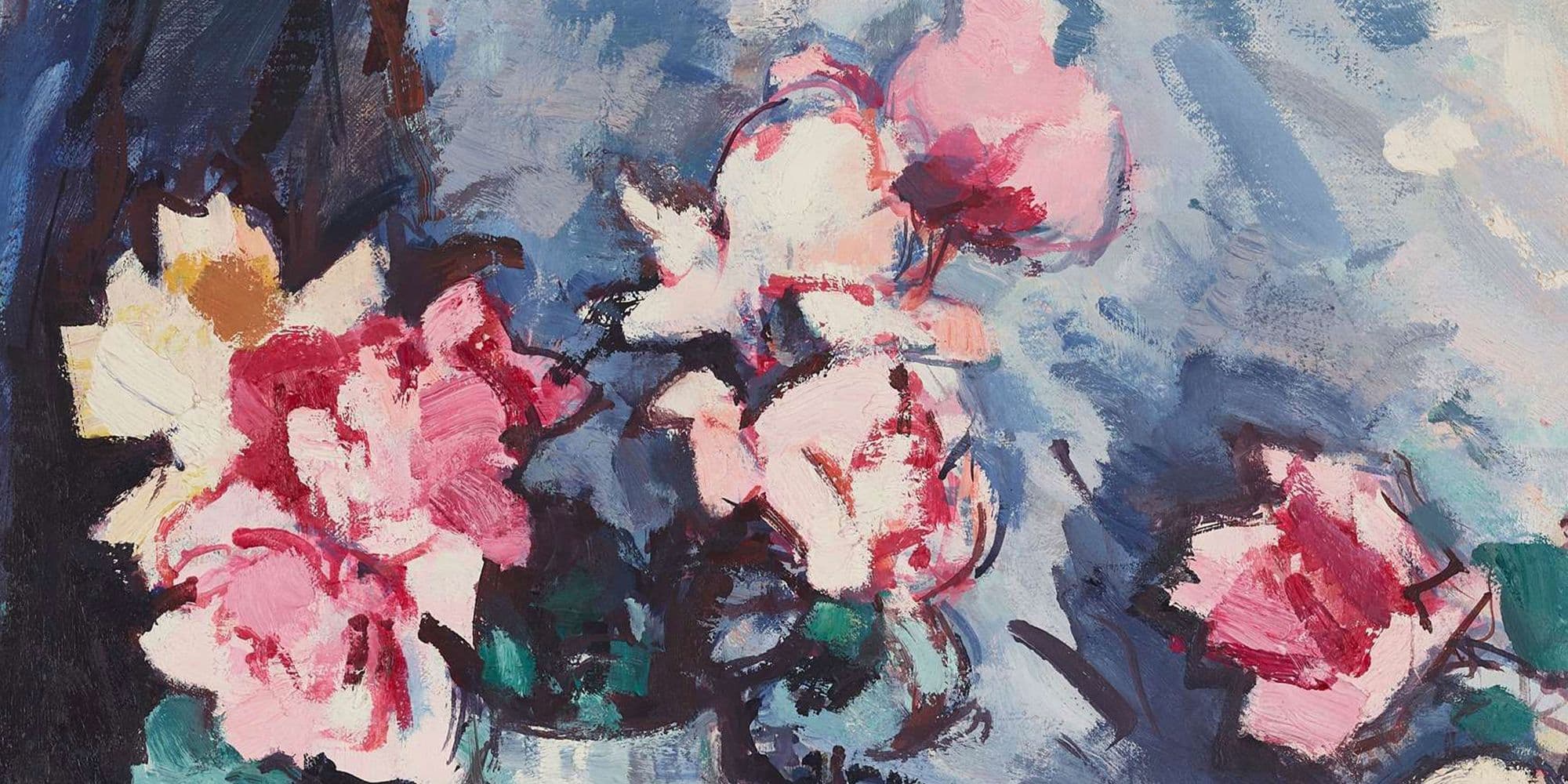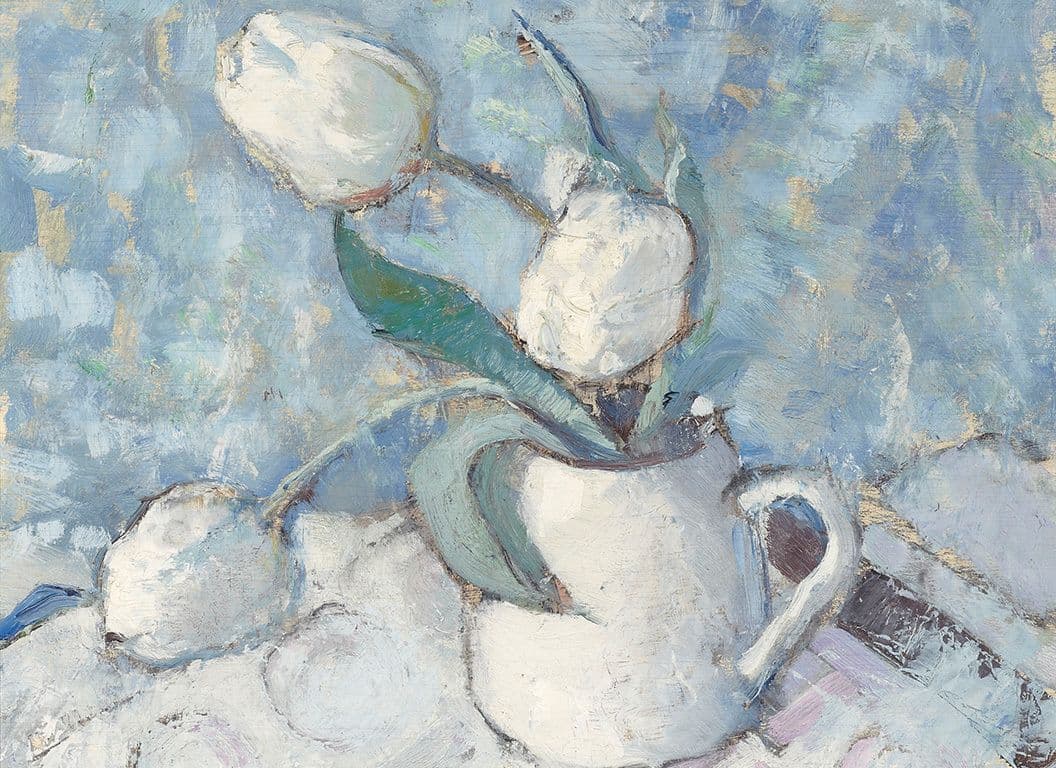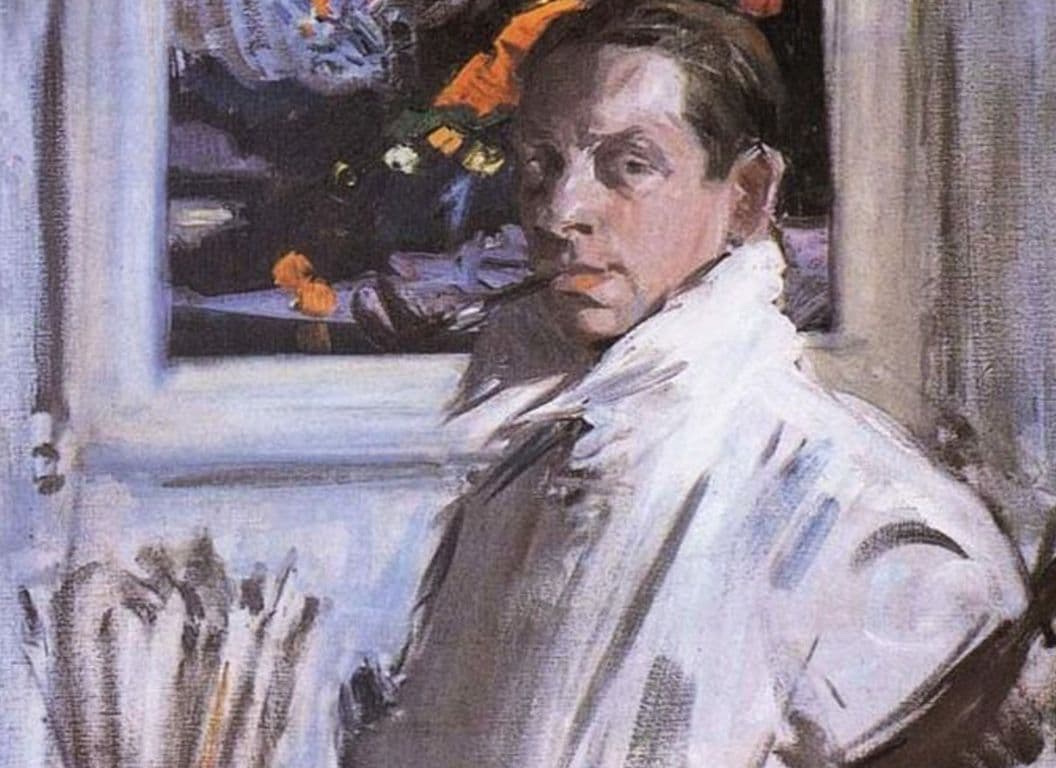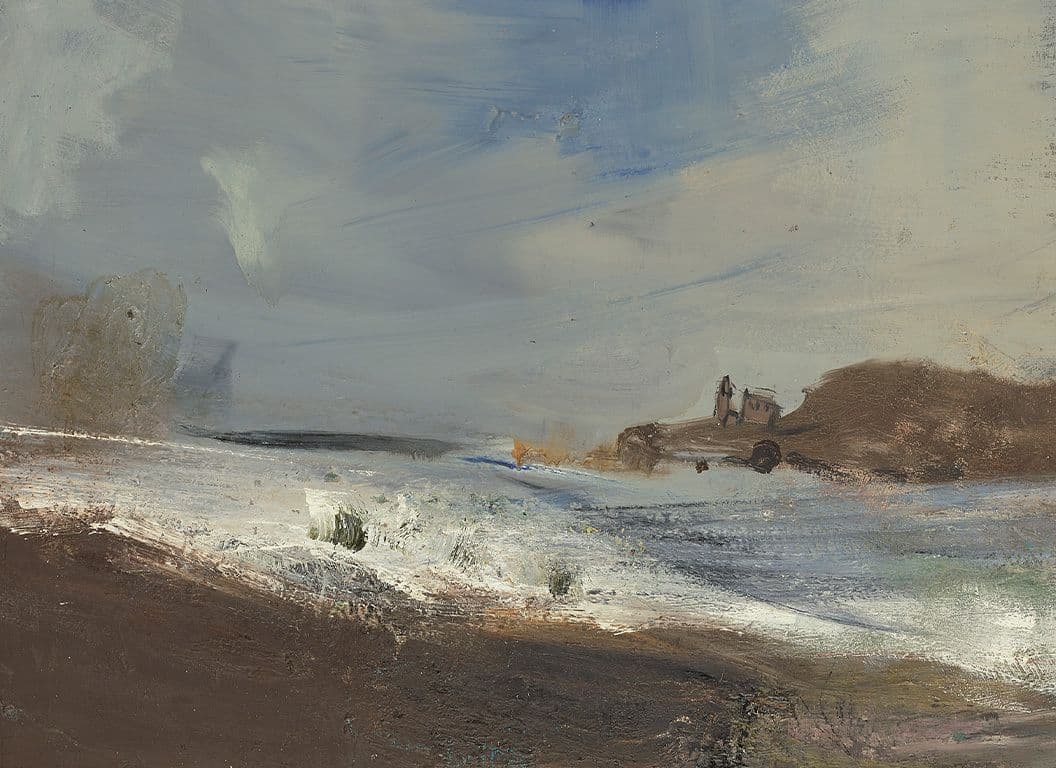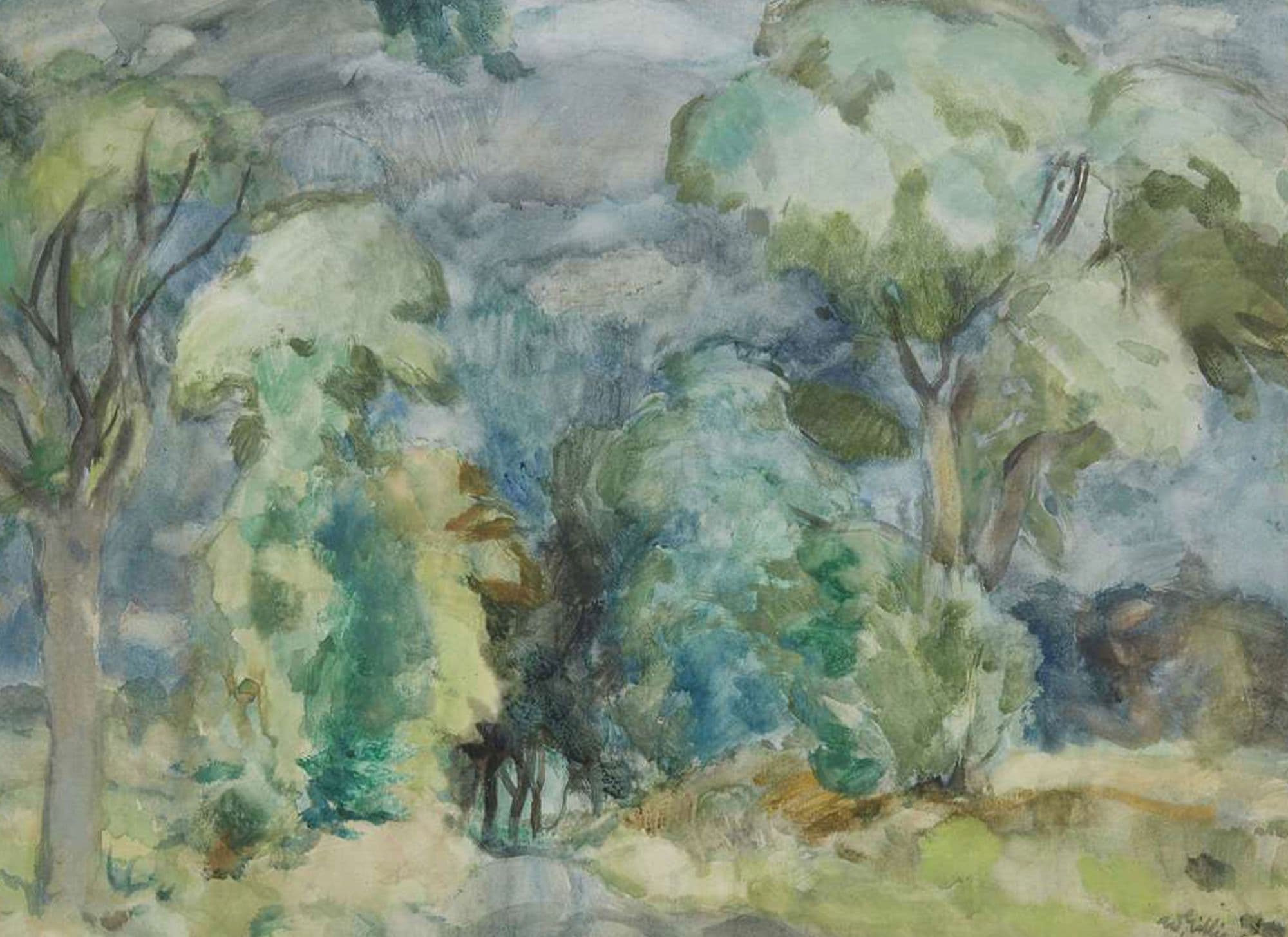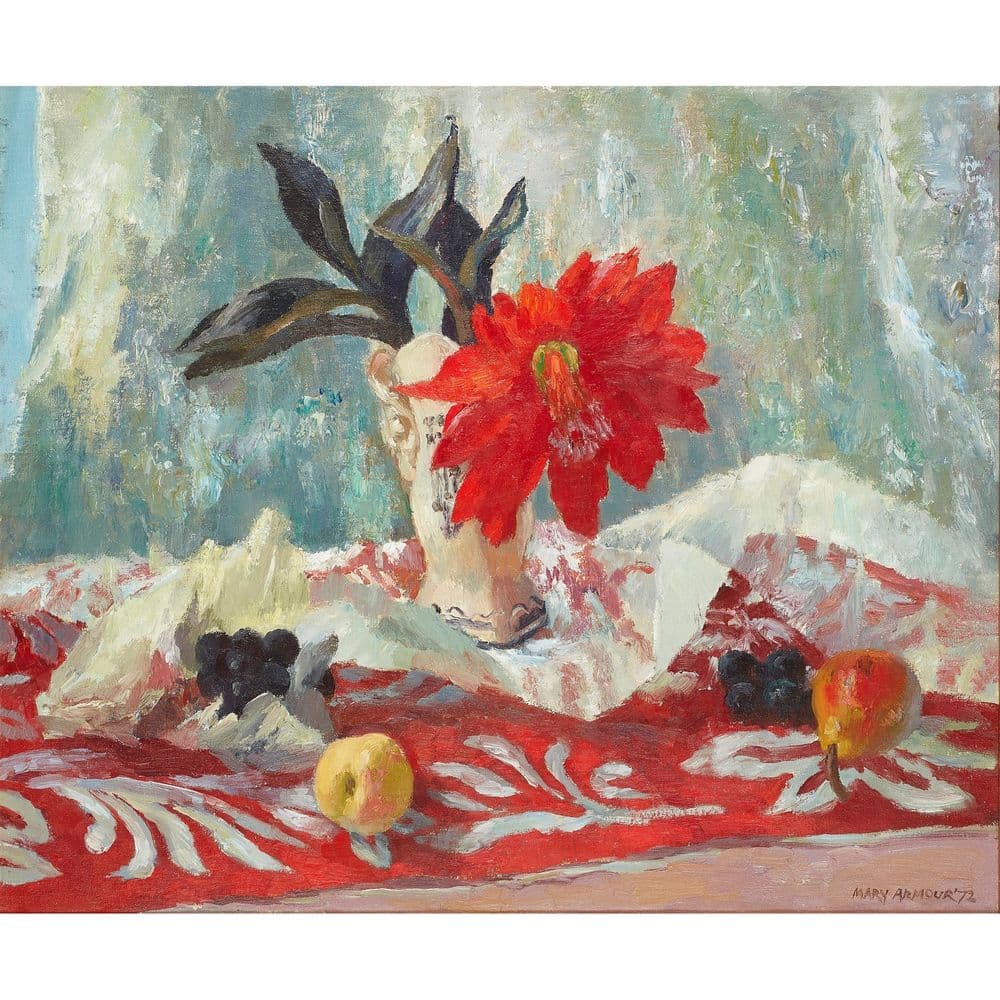
Mary Armour was a distinguished Scottish painter, best known for her richly coloured still lifes and quietly observed landscapes. Her work is marked by a confident handling of paint and a distinctive jewel-toned palette, qualities that make her compositions immediately recognisable.
Born in Edinburgh in 1902, Armour studied at the Edinburgh College of Art, where she developed a strong foundation in draughtsmanship and composition. Early in her career she travelled and exhibited widely, establishing herself within Scotland’s artistic circles at a time when opportunities for women artists were still limited. Her marriage to the painter William Armour created a partnership rooted in shared artistic inquiry, and the couple frequently travelled together to the West Coast of Scotland. The light, coastline and changing weather of the Highlands and islands became recurring subjects, approached with sensitivity rather than romanticism.
Between 1951 and 1961, Armour taught still life painting at the Glasgow School of Art. This period proved formative in the development of her mature style. Exposure to modern European ideas, alongside sustained engagement with structure and colour in the studio, encouraged a move towards greater compositional clarity and a more expressive use of tone. Her still lifes from this period demonstrate a careful balance between solidity and atmosphere, with objects arranged to create rhythm and depth without excess ornament.
Recognition followed steadily. Armour exhibited regularly with the Royal Glasgow Institute of the Fine Arts and the Royal Scottish Academy, and in 1972 she was awarded the Cargill Prize by the Royal Glasgow Institute.
Today, Mary Armour’s paintings are appreciated for their assured colour, disciplined composition and subtle emotional register. Whether depicting a table arrangement or a west coast shoreline, her work reflects a sustained commitment to observation, craft and the expressive possibilities of paint.