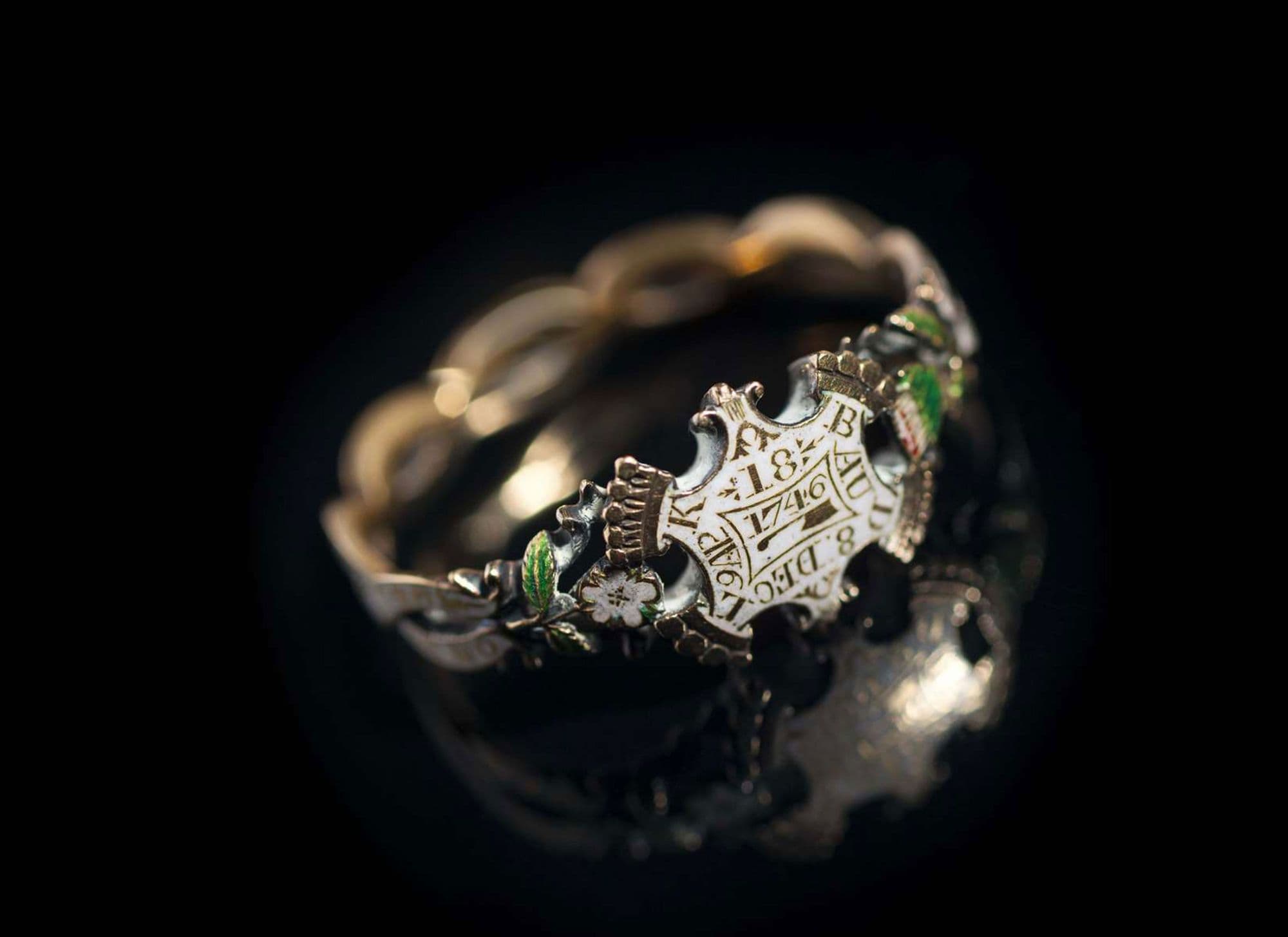
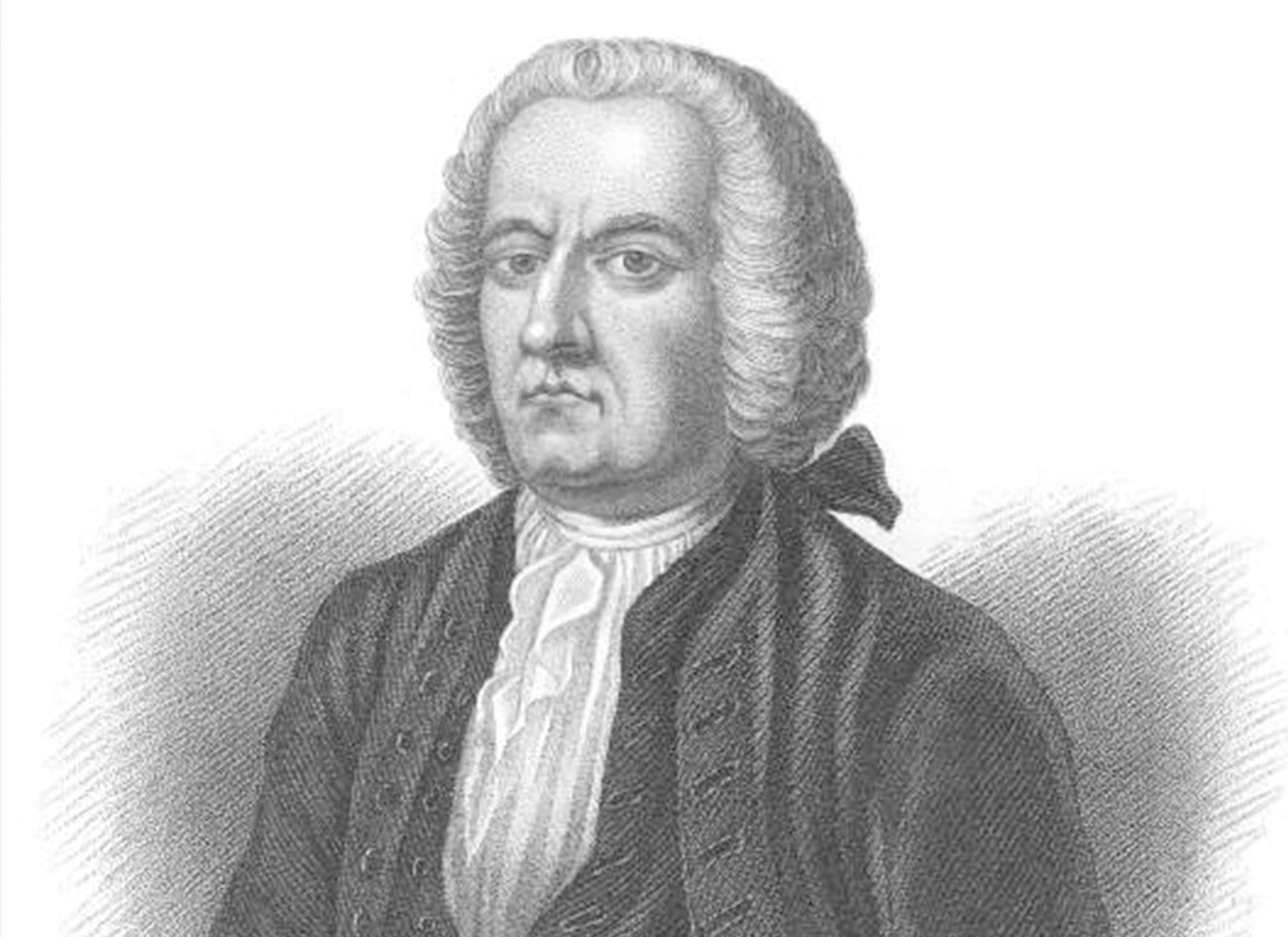
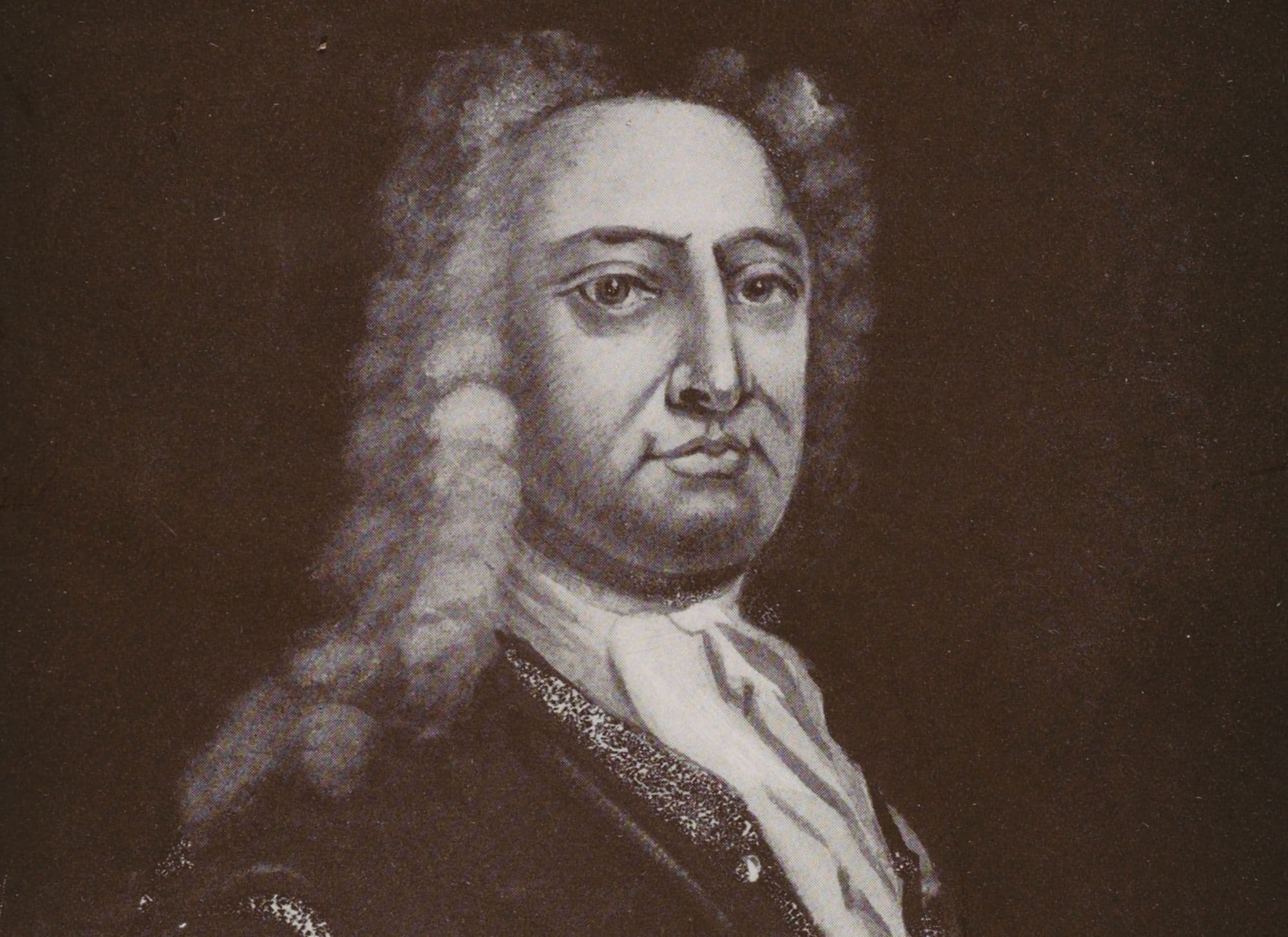
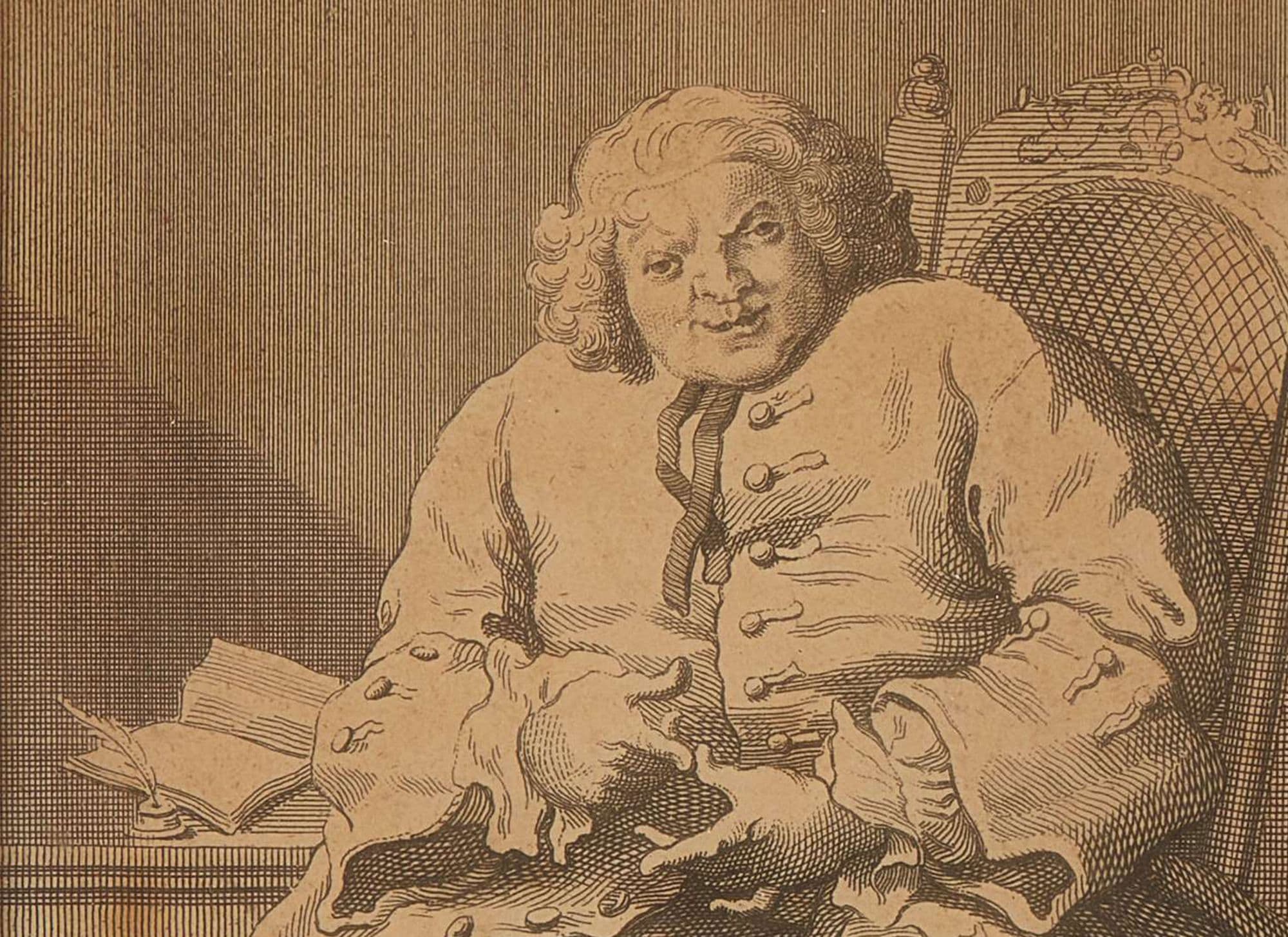
There were nine officers from the Manchester Regiment executed on 30 July 1746. While many regiments, families and men felt the force of Hanoverian recrimination those laid down on the Manchester regiment were ferocious, a regiment of English men in the service of the Scots (as was seen by the Hanoverians) had to be punished. It is said, “This unit indeed was treated with a ferocity which indicated that its degree of culpability was held to be higher than that of any other in the Jacobite army”.
The Fallen
- FT – Francis Towneley – immortalised with George Fletcher with their decapitated heads on a spike in an anonymous contemporary engraving.
- AB – Andrew Blood
- TD – Thomas Theodore Deacon
- TS – Thomas Sydall
- DM – David Morgan
- JD – James Dawson
- GF – George Fletcher
- TC – Thomas Chadwick
- JB – John Beswick
22nd August 1747
- JN – James Nicolson who was an owner of a coffee house in Leith, and held a commission as Lieutenant in the Duke of Perth’s regiment. It was stated at his trial that he was an uncle of Donald McDonald.
- D McD – Donald McDonald or McDonell was a Captain in Keppoch’s regiment.
- WO – Walter Ogilvie was a Lieutenant in Lord Lewis of Gordon’s Regiment.
28th November 1746
- JW – Sir John Wedderburn, Bart., of Blackness, was captured in arms at Culloden. He had also acted in the capacity of Collector of Excise for the Jacobites in Perthshire and Forfarshire. He appealed for mercy at the end without success.
- JB – James Bradshaw was serving in Elcho’s Life Guards at the time he was captured, although he had originally been in the Manchester Regiment, which likely was the reason he was executed.
- JH – Colonel John Hamilton raised a considerable number of men in the Gordon country, and was Governor of the Castle of Carlisle at the time of its surrender.
- AL – Alexander Leith was a Captain in Glenbucket’s regiment. Although he was said to be old and infirm he was still executed.
- AW – Andrew Wood was a shoemaker from Glasgow and Captain in Roy Stuart’s regiment. He made a speech on the scaffold stating that he raised a company at his own expense.
As with the sentences passed to other supporters, those for the above was amongst the most gruesome, not just paying the ultimate price but the nature in which it was carried out. The belief they had in their cause is seen in the final moments in Thomas Theodore Deacon's speech to the assembled crowd.
“I am come here to pay the last debt to nature, and I think myself happy in having an opportunity of dying in so just and so glorious a cause. The deluded and infatuated vulgar will no doubt brand my death with all the infamy that ignorance and prejudice can suggest. But the thinking few who have not quite forsaken their duty to God and their King, will I am persuaded look upon it as being little inferior to martyrdom itself, for I am just going to fall a sacrifice to the resentment and revenge of the Elector of Hanover and all those unhappy miscreants who have openly espoused the cause of a foreign German usurper and withdrawn their allegiance from their only rightful, lawful and native sovereign, King James the 3rd……”
However, such impassioned pleas and the work of the Jacobite lawyers could not save the Officers and the Newgate Calendar describes their final journey and final act for the Stuart cause.
“After the sentence of the law was passed, the convicts declared that they had acted according to the dictates of their consciences, and would again act the same parts, if they were put to trial. When the keeper informed them that the following day was ordered for their execution, they expressed a resignation to the will of God, embraced each other, and took an affectionate leave of their friends.
On the following morning they breakfasted together, and having conversed till near eleven o' clock, were conveyed from the New Gaol, Southwark, to Kennington Common, on three sledges. The gibbet was surrounded by a party of the guards, and a block; and a pile of faggots, were placed near it. The faggots were set on fire while the proper officers were removing the malefactors from the sledges.
After near an hour employed in acts of devotion, these unhappy men, having delivered to the sheriffs some papers, expressive of their political sentiments, then underwent the sentence of the law. They had not hung above five minutes, when Townley was cut down, being yet alive, and his body being placed on the block, the executioner chopped off his head with a cleaver. His heart and bowels were then taken out, and thrown into the fire; and the other parts being separately treated in the same manner, the executioner cried out "God save King George !"
The bodies were quartered and delivered to the keeper of the New Gaol, who buried them: the heads of some of the parties were sent to Carlisle and Manchester, where they were exposed; but those of Townley and Fletcher were fixed on Temple-Bar, where they remained many years, till they fell down.