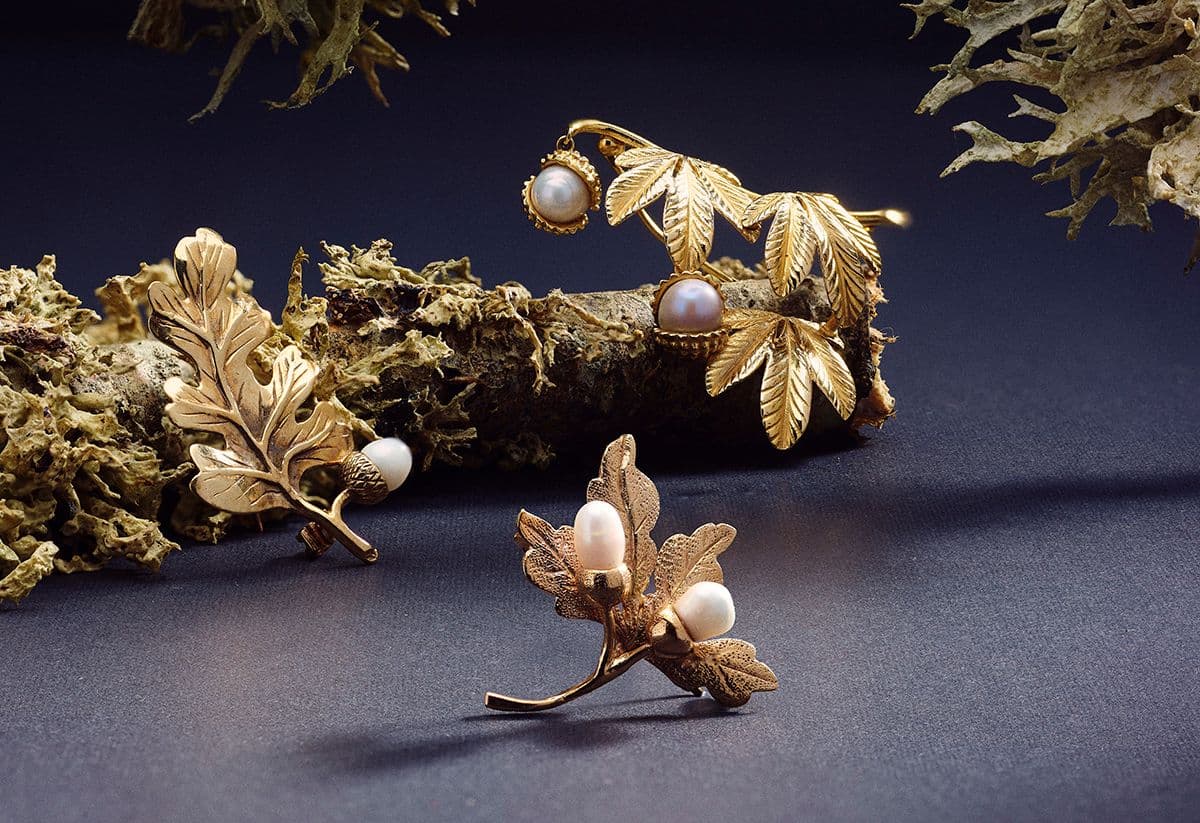
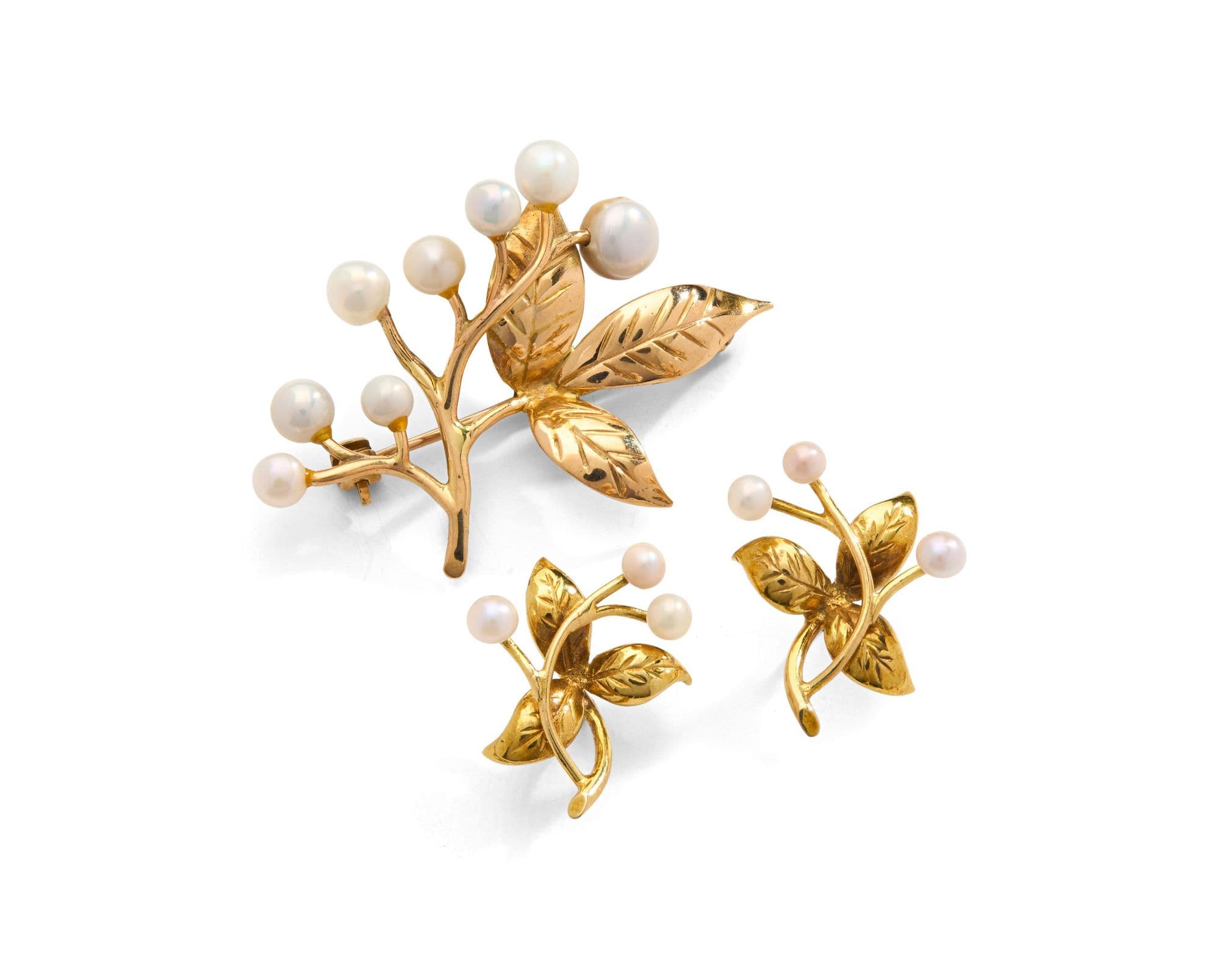
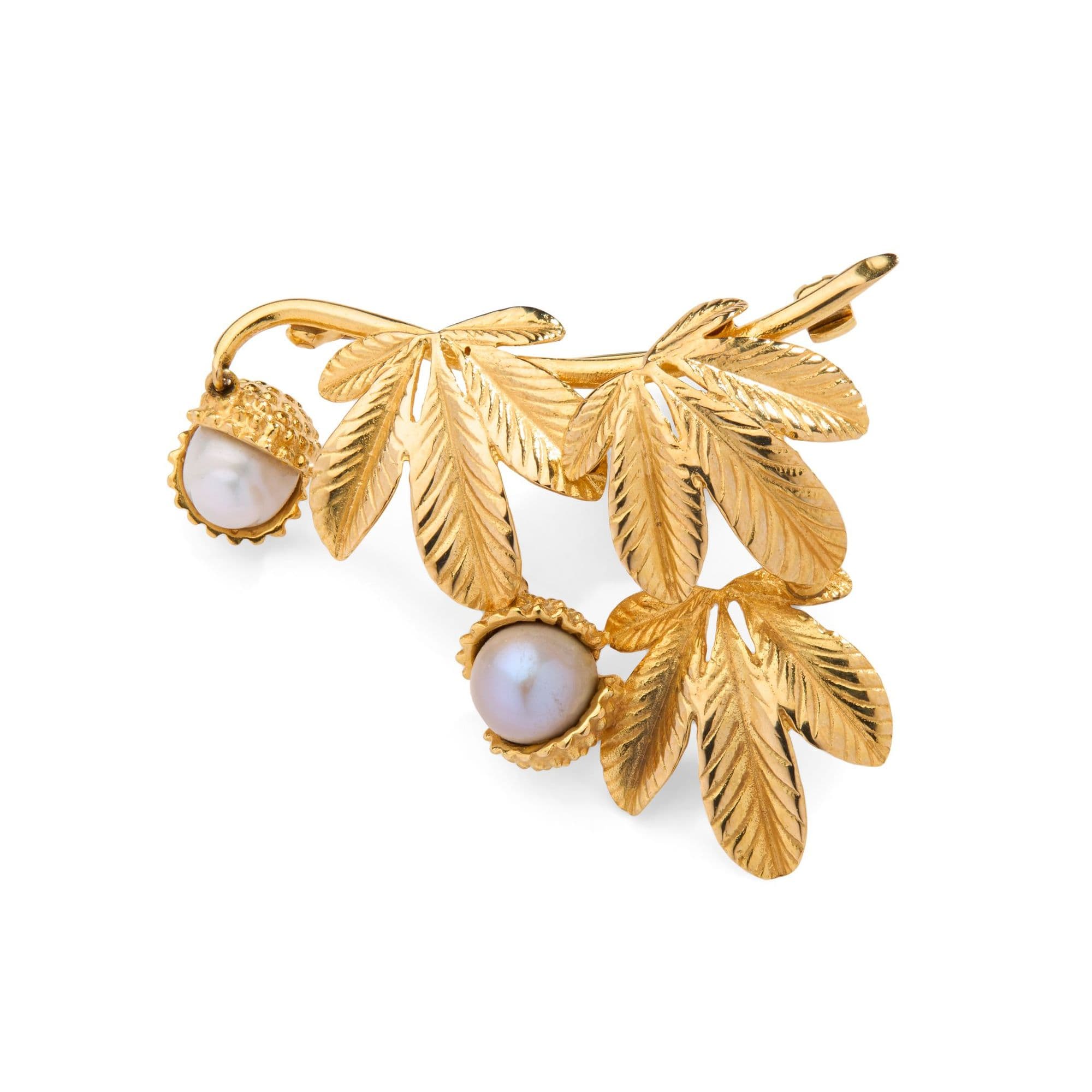
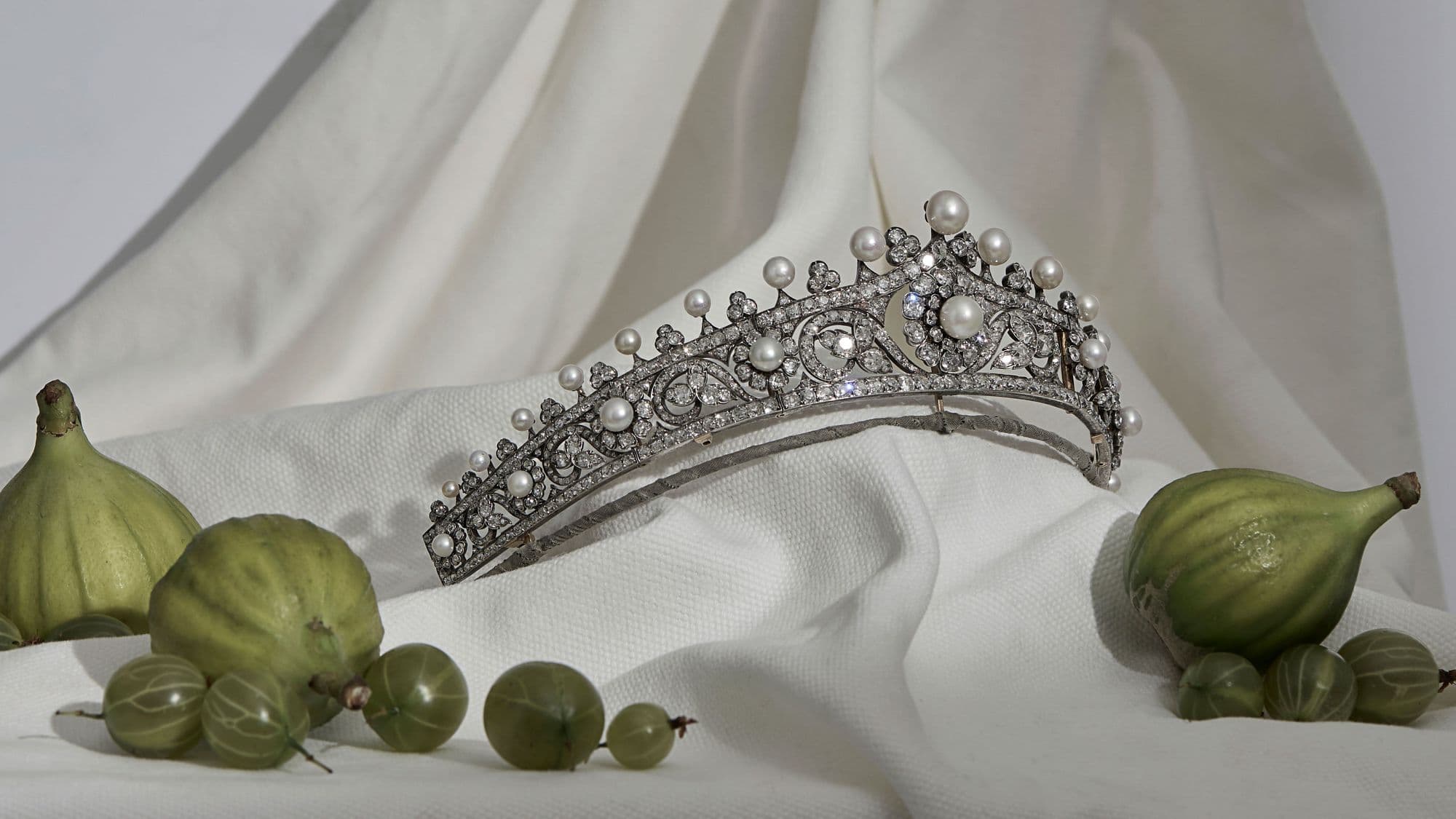
This is important, because though they are small, Scottish pearls are mighty in their own arena. As a critical part of Scotland’s eco-system, and with the ability to filter and purify 50 litres of river water a day, the presence of the mussels are signifiers of good water quality, and provide an invaluable service to their eco-system. They grow larger than saltwater marine mussels, often to the size of your hand, and can live up to 100 years, making them one of the longest living invertebrates.
A pearl forms when an irritant, a minute piece of gravel or sand, sometimes microscopic, finds its way into the mussel, which then begins to produce a substance called nacre, coating this irritant in layers, which build up to eventually produce the pearl. Producing a larger pearl can take many years, often decades. As the pearl is growing the mussel continues to filter water from its environment and it is believed that the different impurities or organic qualities of the different rivers of Scotland produce slightly different characteristics in their pearls – though this has yet to be scientifically proven. So folklore suggest Tay pearls have a characteristic grey or smoky purple overtone, while pearls from the river Spey often display a pinkish tone, and pearls fished from the river Ythan are said to take their golden tones from the Crown of Scotland, once supposedly washed in that river.
NatureScot has been working hard with other stakeholders, to slow this dangerous decline in numbers, and reintroduce the species where possible. Since 1991 it has been illegal to fish for the pearl mussels or damage them or their habitat in any way, and in 1998 they were offered full legal protection; similarly selling them is subject to restriction and jewellers must have a licence to do so. Encouragingly, in April 2023 NatureScot published a report to say that the mussels had been found in two lochs, in Sutherland and the Trossachs, where they haven’t previously been found. Slowly but surely conservation efforts are beginning to see results, with programmes reintroducing mussels at undisclosed locations throughout Scotland.
In the 19th and 20th century’s pearl fishing was traditionally carried out by itinerant traveller families, who fished Scotland’s rivers seasonally and sourced them from various locations throughout the country, famously the Tay was a great source. Just as each family or fisher had their preferred locations to fish the pearls, they also each had their preferred jeweller to sell them to; in the mid to late 20th century Cairncross of Perth became known in this community as a good buyer, who would offer fair prices and deal with the fishers fairly; and so over time they became the ‘go-to’ destination for Scottish freshwater pearl jewellery.